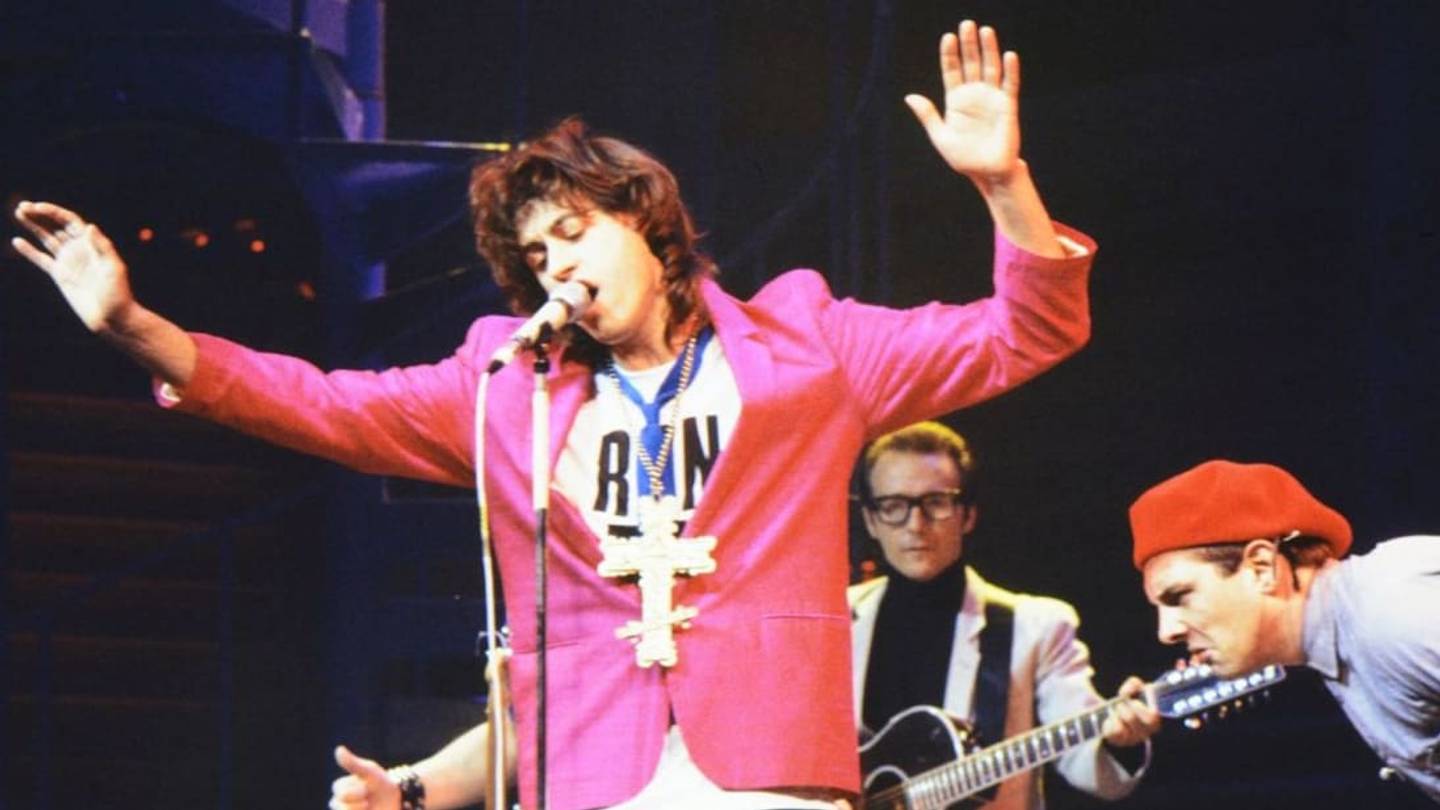

The race for the UK Christmas Number One is not just a music chart. It is a national sport wearing a Santa hat, carrying a charity bucket, and occasionally shouting through a distorted guitar amplifier. Every December, Britain turns the final singles chart before Christmas into a festive showdown where pop stars, rock rebels, novelty acts, choirs, streaming giants, and sentimental classics all elbow their way toward one magical prize: the top song on Christmas Day.
For American readers, imagine if the Super Bowl halftime show, Black Friday shopping, a school talent show, and your aunt’s yearly argument about whether “Die Hard” is a Christmas movie all merged into one chart announcement. That is the Christmas Number One. It is commercial, emotional, ridiculous, strategic, and somehow still charming.
The title “Christmas Number One” refers to the single that reaches No. 1 on the UK Official Singles Chart during the Christmas chart week. It has existed since the UK singles chart began in 1952, when Al Martino’s “Here in My Heart” became the first official Christmas chart-topper. Since then, the race has evolved from sheet music and vinyl singles into downloads, streams, fan campaigns, social media movements, charity releases, and platform-backed exclusives. The sleigh has changed engines, but the destination remains the same.
Why the Christmas Number One Matters So Much
Most music charts are snapshots of popularity. The Christmas Number One is different because it arrives wrapped in memory. A regular No. 1 hit says, “People liked this song this week.” A Christmas Number One says, “This is what the country sounded like while eating too many mince pies and pretending the family board game would not end in betrayal.”
The timing gives the title extra emotional weight. Christmas in the UK is a period of shared media habits: radio countdowns, TV specials, office parties, supermarket playlists, family drives, and end-of-year nostalgia. The winning song becomes part of that cultural wallpaper. Even songs that were not made for Christmas can become attached to Christmas forever because they won the race at the right moment.
There is also a competitive thrill. Artists and record labels know that topping the festive chart can create a marketing halo. A Christmas Number One earns headlines, radio play, playlist attention, catalog value, and a permanent place in pop trivia. It is the kind of achievement that follows an artist around forever, like glitter from a badly wrapped present.
The Early Years: From Crooners to Pop Icons
The first UK Christmas Number One, Al Martino’s “Here in My Heart,” was a smooth ballad from a very different music business. In the 1950s, chart success depended heavily on physical sales and traditional pop appeal. The early winners reflected the era’s love of crooners, orchestras, and sentimental vocals.
By the 1960s, the British pop explosion changed the atmosphere. The Beatles became one of the defining acts of the Christmas chart, scoring multiple festive No. 1 singles. Their success proved that the Christmas Number One could belong not only to seasonal songs but also to the biggest pop phenomenon of the moment.
This is one of the most interesting quirks of the tradition: a Christmas Number One does not have to be a Christmas song. It can be a love ballad, a rock anthem, a charity single, a novelty tune, a reality-show winner’s debut, or a song with no snow, sleigh bells, or questionable rhymes about mistletoe. The only real requirement is winning the chart during Christmas week.
The 1973 Turning Point: Slade vs. Wizzard
If the Christmas Number One race has an origin story as a true public spectacle, 1973 is the year to circle in red marker. That was when Slade’s “Merry Xmas Everybody” battled Wizzard’s “I Wish It Could Be Christmas Everyday.” Both songs were loud, joyful, and built for festive survival. They did not simply enter the chart; they kicked the door open wearing platform boots.
Slade won the race, and “Merry Xmas Everybody” became one of the most beloved British Christmas songs ever. Wizzard did not take the crown, but its song became almost equally immortal. In a way, 1973 created two winners: one on the chart and one in the long-term playlist of December life.
The Slade-Wizzard clash taught the music industry an important lesson. A Christmas song could be written and promoted specifically as a festive chart weapon. It also taught the public something even more dangerous: choosing sides in the Christmas chart race was fun.
Charity Singles and the Power of Good Intentions
The Christmas Number One often rewards songs with a mission. The most famous example is Band Aid’s “Do They Know It’s Christmas?” in 1984. Created to raise money for famine relief in Ethiopia, the single became a massive cultural event and defeated Wham!’s “Last Christmas” in the festive race.
That 1984 battle is one of the great plot twists in pop history. George Michael performed on the Band Aid record while his own group’s future classic, “Last Christmas,” was blocked from the Christmas top spot by that same charity single. In most workplaces, that would cause an awkward lunch break. In pop history, it created legend.
Charity has remained central to many later Christmas Number One campaigns. The festive season makes listeners more receptive to songs that promise to do good. Buying or streaming a single can feel like a tiny act of generosity, especially when the campaign is clear, emotional, and easy to support.
Reality TV Enters the Arena
In the 2000s, the Christmas Number One race became closely tied to reality television. Shows such as “Popstars: The Rivals” and “The X Factor” turned the festive chart into a launchpad for newly crowned contestants. The format was simple: millions watched the winner, the debut single arrived immediately, and fans rushed to buy it.
Girls Aloud’s “Sound of the Underground” beating One True Voice in 2002 remains one of the best reality-pop battles. It helped turn Girls Aloud into one of the UK’s most successful girl groups and proved that a manufactured pop contest could still produce genuinely exciting pop music. The song did not sound like a polite Christmas card. It sounded like a nightclub sneaking into a TV studio.
For several years, “The X Factor” became so dominant that many people assumed the Christmas Number One was practically pre-booked. The winner’s single often had huge exposure, emotional TV momentum, and a ready-made voting audience. But predictability is the enemy of British mischief, and soon the public pushed back.
The 2009 Rebellion: Rage Against the Machine vs. The X Factor
The wildest modern Christmas Number One battle happened in 2009, when a grassroots online campaign pushed Rage Against the Machine’s 1992 protest anthem “Killing in the Name” against Joe McElderry’s “The Climb,” the expected winner from “The X Factor.” It was not exactly chestnuts roasting on an open fire. It was more like someone throwing the chestnuts through the television.
The campaign was driven by frustration with reality-TV dominance. Fans wanted to prove that the Christmas chart did not have to be controlled by a television machine. Social media gave them the organizing power to do it. The result was astonishing: Rage Against the Machine won the Christmas Number One, and the chart race became a symbol of fan rebellion.
This moment changed the meaning of the festive chart. It showed that a Christmas Number One could be a protest vote, a meme, a cultural argument, and a digital organizing experiment all at once. It also proved that the British public has a deeply festive sense of chaos.
Novelty, Humor, and the Sausage Roll Empire
No discussion of the UK Christmas Number One is complete without LadBaby. From 2018 to 2022, the duo scored five consecutive Christmas Number One singles, breaking a record previously associated with the Beatles. Their songs were comedic charity releases built around the humble sausage roll, a food item that somehow became a pop-chart battering ram.
LadBaby’s run included parody versions of famous songs, with proceeds supporting food-bank charity efforts. Critics sometimes rolled their eyes, but the public responded. The formula worked because it combined humor, family-friendly absurdity, charity, and a very clear seasonal identity. In a crowded December market, being ridiculous can be a strategy. Being ridiculous for a good cause is even stronger.
The LadBaby era also showed how the Christmas Number One had become less about traditional record-label campaigns and more about mobilized communities. Fans did not simply listen; they participated. They bought, shared, posted, campaigned, and felt part of the outcome.
The Streaming Era: Old Songs Learn New Tricks
Streaming has changed the Christmas Number One race dramatically. Classic holiday songs now return to the charts every December because millions of listeners add them to playlists, play them at parties, or let algorithmic holiday mixes take the wheel. Mariah Carey, Wham!, Brenda Lee, The Pogues, Chris Rea, and other seasonal favorites are no longer old records. In December, they are annual chart athletes stretching by the fireplace.
Wham!’s “Last Christmas” is the best example. After being blocked by Band Aid in 1984, the song slowly became one of the UK’s favorite festive tracks. It finally claimed the Christmas Number One in 2023 and then repeated the achievement in 2024, becoming the first song to win the UK Christmas Number One in consecutive years.
This was more than nostalgia. It reflected how streaming rewards repeat seasonal behavior. A song can now become more powerful with age because every December introduces it to new listeners while older fans return to it out of habit. In the streaming era, Christmas songs do not retire. They hibernate.
Modern Campaigns: Platforms, Exclusives, and the Kylie Moment
The 2025 race added another modern twist when Kylie Minogue’s “XMAS,” an Amazon Music Original, secured the Christmas Number One. That victory showed how platform partnerships can shape the festive chart. Where older campaigns relied on record shops and CD singles, newer campaigns can use streaming placement, digital exclusivity, fan events, physical formats, video premieres, and online retail muscle.
Kylie’s win also proved that the race still has room for pop glamour. After years of charity parodies, classic comebacks, and fan-led campaigns, a polished pop star with a seasonal release could still take the crown. The Christmas Number One remains unpredictable because the battlefield keeps changing.
How Artists Try to Win the Christmas Number One
1. Release at the Perfect Time
Timing is everything. Release too early and the song may peak before Christmas week. Release too late and there may not be enough time to build momentum. Successful campaigns often create suspense in the first half of December, then push hard during the final chart week.
2. Build a Story Bigger Than the Song
The Christmas Number One is rarely just about melody. It is about narrative. Is the song raising money? Is it fighting the system? Is it helping a beloved classic finally win? Is it giving a pop icon a comeback moment? A strong story turns passive listeners into active supporters.
3. Use Multiple Formats
Physical singles, downloads, streaming, special editions, remixes, and exclusive versions can all matter. A passionate fan base may buy a vinyl copy, download the track, stream it repeatedly, and then politely remind everyone on social media to do the same. “Politely” may vary by fandom.
4. Make It Easy to Join In
The best campaigns are simple. Buy this song. Stream this song. Support this cause. Beat that rival. Save the chart from boredom. When fans understand the mission instantly, the campaign travels faster.
Why the Battle Still Feels Human
In theory, the Christmas Number One is just data: sales, streams, downloads, and chart rules. In practice, it feels human because people attach meaning to the result. They want the funny song to win, or the charity song, or the underdog, or the classic that was robbed decades ago. The chart becomes a public mood ring.
That is why the tradition survives. It adapts to technology without losing its emotional core. The same race that began with physical records now includes TikTok clips, streaming playlists, online campaigns, and digital exclusives. Yet the central question is still delightfully old-fashioned: what song does the country want to crown for Christmas?
Experience Section: What the Christmas Number One Feels Like in Real Life
Following the Christmas Number One race is a little like watching a holiday movie where every character thinks they are the main character. There is the earnest charity single holding a candle. There is the superstar with a polished marketing plan. There is the novelty act arriving with a grin and a food-based chorus. There is the classic Christmas hit that has been waiting patiently since the Reagan administration. And somewhere in the corner, there is a rock band from the 1990s ready to ruin Simon Cowell’s week.
The best way to experience the race is not only to check the final chart but to follow the build-up. The fun is in the changing odds, midweek updates, radio debates, fan campaigns, and sudden surges. One day, the favorite looks unbeatable. Two days later, a charity choir is gaining ground. Then a legacy Christmas song returns because everyone in Britain apparently pressed play at the same time while wrapping gifts badly.
For families, the Christmas Number One can become part of the holiday soundtrack. People remember where they were when certain songs won. They remember hearing Band Aid on the radio, watching a reality-show winner perform through tears, laughing at LadBaby’s sausage-roll lyrics, or discovering that “Last Christmas” somehow took nearly four decades to become the official Christmas champion. These memories are not always about musical excellence. Sometimes they are about timing, mood, and who was sitting in the car when the countdown reached No. 1.
For music fans, the race is a yearly reminder that charts are not cold machines. They are influenced by emotion, habit, loyalty, humor, nostalgia, generosity, and rebellion. A technically perfect pop song may lose to a track with a better story. A serious campaign may be defeated by a joke that makes people feel good. A song that missed its moment in 1984 may return decades later and finally receive its crown, like a patient king in shoulder pads.
For artists, the experience can be thrilling and terrifying. A Christmas release invites intense attention. The reward is huge, but the competition is strange. You are not only competing with current acts; you are competing with ghosts of Christmas charts past. Mariah Carey is there. Wham! is there. Slade is there. The public’s childhood is there. Good luck, new single. Hope you brought snacks.
For casual listeners, the Christmas Number One is simply a fun tradition that adds drama to December. It gives people something harmless to argue about. Should a charity single win? Should a classic win? Should a brand-new festive song win? Should Britain once again choose chaos? The answer changes every year, which is exactly why the race remains interesting.
Ultimately, the Christmas Number One feels special because it compresses the entire music business into one festive moment. It includes art, commerce, fandom, technology, nostalgia, and national personality. It is sentimental but competitive, silly but serious, traditional but constantly evolving. Like Christmas itself, it is a little overdecorated, occasionally exhausting, and somehow impossible not to love.
Conclusion
The battle to have the UK’s top song on Christmas Day is one of pop music’s most unusual traditions. It began as a simple chart result and became a cultural event shaped by stars, fans, television, charity, streaming, social media, and pure festive mischief. From Al Martino to the Beatles, from Slade and Wizzard to Band Aid, from “The X Factor” to Rage Against the Machine, from LadBaby to Wham! and Kylie Minogue, the Christmas Number One tells the story of how Britain listens, laughs, argues, donates, remembers, and occasionally revolts through music.
The prize matters because it is more than a ranking. It is a December snapshot. It captures what people bought, streamed, supported, and believed in during the most emotional week of the year. The winning song may be beautiful, funny, strange, rebellious, or shamelessly festive. But once it becomes Christmas Number One, it earns a permanent place in the holiday memory box.
Note: This article is based on real UK chart history, music industry context, and cultural analysis, rewritten as original editorial content without source links in the article body.