
Note: This article was created for web publication and synthesizes practical, safety-focused information from reputable U.S. consumer, food-safety, outdoor gear, health, and product-care sources without inserting source links into the article body.
A stainless-steel flask is one of those everyday objects that looks simple until you realize it is quietly doing the work of a tiny climate-controlled vault. It can keep coffee hot through a long commute, iced water cold during a sweaty afternoon, and tea warm enough to rescue your mood when the office thermostat decides to behave like a confused penguin. In a world filled with single-use cups, leaky plastic bottles, and lukewarm disappointment, the stainless-steel flask has earned its place as a practical, durable, and surprisingly stylish hydration companion.
But not every flask is created equal. Some are excellent for hiking, some fit neatly in a car cup holder, some are built for soup, and some look great online but become awkward metal dumbbells after two days of use. Choosing the right stainless-steel flask means understanding insulation, material quality, lid design, cleaning habits, size, safety, and the small lifestyle details that determine whether you actually use it every day.
This guide breaks down what a stainless-steel flask is, how it works, why food-grade stainless steel matters, how to clean it properly, and what to look for before buying one. It also includes real-life experience notes at the end, because sometimes the best product advice comes from the person who has learned the hard way that leftover coffee plus three days in a sealed bottle equals a smell with its own personality.
What Is a Stainless-Steel Flask?
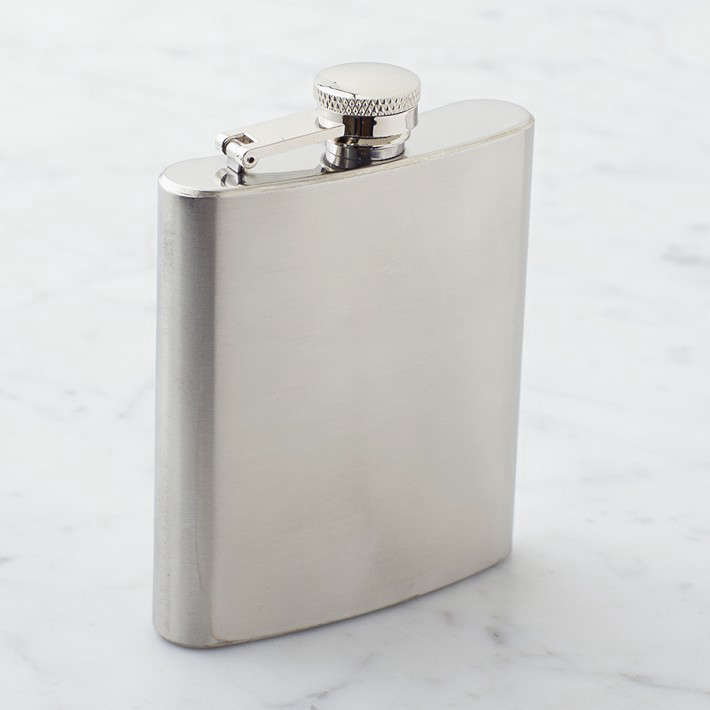
A stainless-steel flask is a reusable container made primarily from stainless steel and designed to hold beverages or, in some cases, food. The most common modern version is a vacuum-insulated bottle or tumbler used for water, coffee, tea, smoothies, or soup. While the word “flask” can mean different things depending on context, this article focuses on everyday stainless-steel drink flasks used for hydration, commuting, school, travel, fitness, camping, and home use.
Most high-quality stainless-steel flasks are made with food-grade stainless steel, often listed as 18/8 or 304 stainless steel. The “18/8” label generally refers to chromium and nickel content, which helps the steel resist rust, corrosion, and metallic flavors. Some premium products may use 316 stainless steel, a grade known for stronger corrosion resistance, especially in salty or acidic environments.
The main appeal is simple: stainless steel is strong, reusable, nonporous, and better at resisting lingering smells than many plastic bottles. It does not shatter like glass, and when paired with double-wall vacuum insulation, it can keep drinks hot or cold for hours. That makes it useful for everything from morning coffee to trail water to emergency “I refuse to pay $6 for airport bottled water” situations.
How Vacuum Insulation Works
The magic of an insulated stainless-steel flask is not magic at all; it is physics wearing a sleek metal jacket. Most insulated flasks use a double-wall construction. There is an inner steel wall that touches the drink and an outer steel wall that you hold. Between those walls is a vacuum, or near-vacuum space, which reduces heat transfer.
Heat usually moves through conduction, convection, and radiation. The vacuum gap limits conduction and convection because there are very few air molecules available to carry heat. Some bottles also include reflective inner surfaces to reduce radiant heat transfer. The result is a container that slows temperature change dramatically. Cold drinks stay cold longer, hot drinks stay hot longer, and your hand does not feel like it is holding a tiny volcano when the flask is filled with coffee.
Performance depends on several factors: wall quality, lid seal, mouth opening, capacity, and how often you open it. A wide-mouth flask is easier to fill with ice and clean, but it may release heat faster when opened. A narrow-mouth flask can be easier to sip from, but cleaning it may require a bottle brush. The lid is often the weakest link. A fantastic bottle with a poorly designed cap is like a sports car with a screen door for a roof.
Why Stainless Steel Is Popular for Reusable Flasks
Durability
Stainless steel handles everyday abuse better than many materials. Drop a glass bottle and you may get a dramatic sound effect plus a cleanup project. Drop a stainless-steel flask and it may dent, but it usually keeps going. That toughness makes it a favorite for hiking, gym bags, work sites, school backpacks, road trips, and kitchens where counters are apparently magnetized to expensive drinkware.
Temperature Control
Plastic bottles are lightweight and inexpensive, but they typically do not insulate well. A vacuum-insulated stainless-steel flask can keep ice water cold through a full day and hot drinks warm for hours, depending on the model. For people who prefer sipping slowly, this is a big deal. Nobody wants coffee that turns into room-temperature sadness by 10 a.m.
Reduced Single-Use Waste
Using a reusable flask can reduce reliance on disposable cups and plastic bottles. It is not automatically “zero waste,” because manufacturing stainless steel requires energy and resources, but a durable flask used consistently over time can be a smarter long-term choice than buying single-use drinks every day. The key phrase is “used consistently.” A reusable bottle hiding in a cabinet is not saving the planet; it is just judging you silently from the top shelf.
Taste and Odor Resistance
Food-grade stainless steel is nonporous, which helps it resist absorbing flavors and odors. That said, lids, straws, silicone gaskets, and neglected cleaning routines can still trap smells. The bottle body may be stainless steel, but the cap is often the place where yesterday’s protein shake goes to write its memoir.
Food-Grade Stainless Steel: What to Look For
When shopping for a stainless-steel flask, look for clear material labeling. Common signs of a better-quality flask include “18/8 stainless steel,” “304 stainless steel,” “food-grade stainless steel,” “BPA-free lid,” and manufacturer care instructions. If a brand provides testing information or safety details, that is a positive sign.
Food-grade stainless steel is valued because it resists corrosion and is relatively easy to clean. The chromium in stainless steel forms a thin protective layer on the surface, helping prevent rust. Nickel helps improve strength and corrosion resistance. For most daily drink flasks, 304 or 18/8 stainless steel is a practical standard. For harsher environments, such as marine use or frequent exposure to salty liquids, 316 stainless steel may offer extra protection.
Avoid mystery-metal bottles with vague descriptions like “premium metal material” and no details. That phrase has the same energy as a restaurant menu saying “meat circle.” Technically possible, but not confidence-inspiring.
Safety Considerations: Lead, BPA, and Damaged Bottles
Most reputable stainless-steel flasks are designed so the beverage touches only food-safe stainless steel and approved lid materials. Since stainless steel itself does not contain BPA, BPA concerns usually apply to plastic parts such as lids, straws, or coatings. Look for BPA-free labeling on any plastic components.
Another issue that has received attention is lead used in the manufacturing of some vacuum-insulated drinkware. In certain designs, lead-based solder or sealing material may be used outside the drinking chamber to help seal the vacuum insulation. In properly manufactured products, this material should not contact the beverage or user. The concern arises when a bottom cap or protective cover breaks off, exposing the sealing point. If the base of a flask is cracked, loose, missing, or visibly damaged, stop using it and contact the manufacturer. For children’s bottles, be especially cautious and check recall notices if anything looks unusual.
Also avoid using a stainless-steel flask that has deep internal scratches, persistent odors, mold, rust spots, or a lid that no longer seals properly. A flask is meant to make hydration easier, not become a science fair project with a handle.
Choosing the Best Stainless-Steel Flask
1. Pick the Right Size
Capacity matters. A 12- to 16-ounce flask is great for coffee, tea, or a short commute. A 20- to 24-ounce bottle works well for school, office use, and gym sessions. A 32- to 40-ounce flask is better for long days, hiking, road trips, or people who do not want to refill constantly. Larger bottles are useful but heavier. Before buying the biggest one available, ask yourself: “Will I carry this every day, or will it become a shiny kettlebell?”
2. Check Cup Holder Compatibility
If you drive often, make sure the flask fits your car cup holder. Many wide insulated bottles do not. This sounds minor until your bottle rolls across the passenger seat during a turn and makes the kind of metal clunk that causes immediate regret.
3. Choose the Right Mouth Opening
Wide-mouth flasks are easier to clean and fill with ice. Narrow-mouth bottles are easier to drink from while walking. Some lids offer straw sipping, chugging, or twist-open flow. For coffee, a controlled sip lid is useful. For workouts, a straw or chug cap may be more convenient. For hiking, a leakproof screw cap is usually better than a complicated flip lid.
4. Look for Leak Resistance
A leakproof flask is essential if it will live in a backpack or laptop bag. Read the product details carefully. “Splash-resistant” and “leakproof” are not the same thing. A splash-resistant lid may be fine on a desk but risky in a bag. Your notebook, headphones, and charger do not want to marinate in peppermint tea.
5. Consider Weight and Grip
Stainless steel is heavier than plastic. Powder-coated finishes can improve grip and reduce slipping. Handles, loops, and carry caps make a big difference when the bottle is full. If the flask is for kids or smaller hands, a slim body and easy-open lid matter more than maximum capacity.
6. Match the Flask to the Drink
For water, almost any quality stainless-steel bottle works. For coffee and tea, choose a model designed for hot liquids and easy sipping. For smoothies, pick a wide-mouth flask and clean it quickly after use. For soup, use a food jar rather than a narrow drink bottle. For carbonated drinks, only use a flask if the manufacturer clearly says it is safe for carbonation, because pressure can build up inside sealed containers.
How to Clean a Stainless-Steel Flask
The best stainless-steel flask in the world still needs cleaning. Daily use introduces saliva, oils, drink residue, and tiny bits of whatever your day has thrown at you. If you only rinse it with water and call it done, the bottle may eventually develop odors, biofilm, or mold around the lid and gasket.
For everyday cleaning, wash the flask with warm water and mild dish soap. Use a bottle brush to scrub the inside, especially near the bottom and shoulder. Remove silicone gaskets, straws, and lid pieces if the design allows it. Wash those parts separately, rinse everything well, and let all pieces air-dry completely before reassembling.
For deeper cleaning, use bottle-cleaning tablets or a baking soda solution. Many people also use diluted vinegar for odors, followed by a thorough rinse. Avoid harsh bleach, chlorine, steel wool, abrasive cleaners, and anything that can scratch the interior or damage stainless steel. Always follow the manufacturer’s care instructions, especially for dishwasher use. Some modern bottles are dishwasher-safe, while others should be hand-washed to protect insulation, seals, paint, or coatings.
Pay special attention to lids. The lid is where grime hides like it owes rent. Straw lids, flip caps, and silicone rings can trap residue even when the bottle looks clean. If your flask smells strange after washing, inspect the lid first. If the gasket cannot be removed and the odor will not go away, it may be time for a replacement lid.
Common Mistakes to Avoid
One common mistake is leaving drinks inside too long. Water can sit for a while, but coffee, tea with milk, juice, smoothies, and protein drinks should be washed out quickly. Sugary and dairy-based beverages can create odors and bacterial growth faster than plain water.
Another mistake is sealing the flask while it is still damp after cleaning. Moisture trapped in a closed bottle encourages musty smells. Let it dry upside down with the lid off, or use a drying rack that allows airflow.
People also forget to check the lid seal. A worn gasket can cause leaks and reduce insulation performance. Replacement parts are often cheaper than buying a whole new bottle, especially if the flask body is still in good shape.
Finally, avoid using an insulated flask as a long-term storage container for drinks. It is made for carrying beverages during the day, not for turning leftover latte into a sealed time capsule. Your future self deserves better.
Stainless-Steel Flask vs. Plastic Bottle vs. Glass Bottle
A stainless-steel flask is best for durability, insulation, and long-term everyday use. It is ideal for people who want cold water, hot coffee, or a bottle that can survive a backpack. Its downsides are weight, cost, and the fact that you cannot see how much liquid remains without opening it.
A plastic bottle is lightweight and affordable. It is useful for sports, kids, and situations where weight matters most. However, it usually does not insulate well and may retain odors over time. If you choose plastic, look for BPA-free materials and replace bottles that become scratched, cloudy, smelly, or damaged.
A glass bottle offers a clean taste and lets you see the contents, but it is heavier and breakable. Silicone sleeves help, but glass is still less practical for rough travel or outdoor use. For home and desk use, glass can be elegant. For a hiking trail, stainless steel is usually the calmer choice.
Best Uses for a Stainless-Steel Flask
A stainless-steel flask is excellent for commuting because it prevents daily coffee stops from becoming a small financial leak. It is useful at school or work because it keeps water nearby, which makes hydration easier. It is great for workouts because cold water after exercise feels like a reward. It is also a smart travel item because refill stations are common in airports, gyms, campuses, offices, and hotels.
Outdoor users benefit from the durability and insulation. A flask can keep drinks cold during hot hikes and warm during chilly mornings. Parents appreciate stainless-steel bottles because they withstand drops better than glass and often last longer than cheap plastic. For people who work long shifts, a reliable flask can keep coffee or tea drinkable for hours without depending on break-room appliances that look like they were last cleaned during a historic election cycle.
How Long Does a Stainless-Steel Flask Last?
A well-made stainless-steel flask can last for years with proper care. The bottle body may outlive several lids, gaskets, and straws. Signs that it may be time to replace the flask include poor insulation, visible rust inside, deep dents that affect stability, exposed base components, persistent odors, mold that cannot be removed, or a lid that no longer seals safely.
To extend its life, avoid dropping it repeatedly, do not freeze it full of liquid, do not microwave it, and do not use it on a stove. Stainless steel is tough, but a vacuum-insulated flask is not cookware. It is a beverage container, not a tiny spaceship that wants to meet your gas burner.
Is a Stainless-Steel Flask Worth It?
For most people, yes. A stainless-steel flask is worth it if you use it regularly, choose the right size, and clean it properly. It can save money, reduce disposable cup use, improve hydration habits, and keep beverages at a pleasant temperature. The best flask is not necessarily the most expensive one. It is the one you will actually carry, clean, and enjoy using.
Think of it as a small piece of daily infrastructure. A good flask supports routines: water during class, coffee on the train, tea during late-night studying, ice water at the gym, or warm broth during a cold-weather walk. When it works well, you barely think about it. When it leaks, smells, or refuses to fit anywhere, you think about it constantly and not kindly.
Real-Life Experiences With a Stainless-Steel Flask
After using different stainless-steel flasks in everyday situations, one lesson becomes clear: the “best” bottle is less about hype and more about habits. A giant 40-ounce flask sounds impressive until you carry it around all day and realize you have accidentally adopted a metal toddler. On the other hand, a tiny 12-ounce flask may look sleek but can leave you hunting for refills before lunch. The sweet spot for many daily users is around 20 to 32 ounces, depending on commute length, climate, and how often clean refill stations are available.
For coffee drinkers, lid design matters more than people expect. A narrow sip lid is better for hot drinks because it controls flow and reduces the chance of dramatic shirt-related incidents. A wide chug cap may be wonderful for cold water, but it is not always ideal for hot coffee unless the product is specifically designed for that use. A leakproof lid is also worth paying attention to. If a flask is going into a backpack, the lid should be trustworthy enough that you are not checking it every three minutes like a nervous parent at a school play.
Cleaning habits make or break the experience. Plain water bottles are forgiving, but coffee, tea, smoothies, and flavored drinks are less polite. Coffee can leave oils. Tea can leave stains. Smoothies can cling to lid parts with the determination of a raccoon in a pantry. The best routine is simple: rinse soon after use, wash with warm soapy water, scrub the lid, remove gaskets when possible, and dry everything fully. The drying step is underrated. Closing a damp bottle is how fresh becomes funky.
Another practical discovery is that powder-coated finishes are not just about style. They make the flask easier to grip, especially when hands are sweaty or cold. However, finishes can scratch if tossed into a bag with keys, tools, or the mysterious sharp object that appears in every backpack eventually. A few scratches are cosmetic, but dents near the base can make a bottle wobble. A wobbling bottle on a desk is a tiny anxiety machine.
For travel, a stainless-steel flask is excellent, but empty it before airport security and refill it afterward. For road trips, choose one that fits the cup holder. For school or office use, choose a quiet lid if you care about not sounding like you are opening a submarine hatch during a meeting. For outdoor use, prioritize durability and simple caps over complicated mechanisms. The more moving parts a lid has, the more parts there are to clean, lose, or blame when water appears where water should not be.
The most satisfying part of owning a stainless-steel flask is consistency. Cold water stays cold. Hot tea stays comforting. You buy fewer disposable drinks. You always know where your beverage is. It becomes one of those objects that quietly improves the day without demanding attention. That is the real charm: a good stainless-steel flask is not flashy. It is reliable, reusable, and ready for whatever beverage-based emergency life throws at you.
Conclusion
A stainless-steel flask is more than a reusable bottle. It is a practical tool for better hydration, fewer disposable cups, safer drink storage, and more enjoyable daily routines. The best models combine food-grade stainless steel, strong vacuum insulation, a comfortable size, a dependable lid, and cleaning-friendly design. Whether you use it for ice water, coffee, tea, or outdoor adventures, the right flask can become one of the most useful items you own.
Choose 18/8 or 304 stainless steel when possible, check that plastic parts are BPA-free, inspect the base and lid for damage, and clean the bottle regularly. A stainless-steel flask can last for years, but only if it is treated like drinkware, not like an abandoned gym sock with a cap. Buy the size you will actually carry, pick a lid that matches your routine, and give it a proper wash. Your drinks will taste better, your bag will be safer, and your future self will thank you every time the coffee is still hot or the water is still cold.