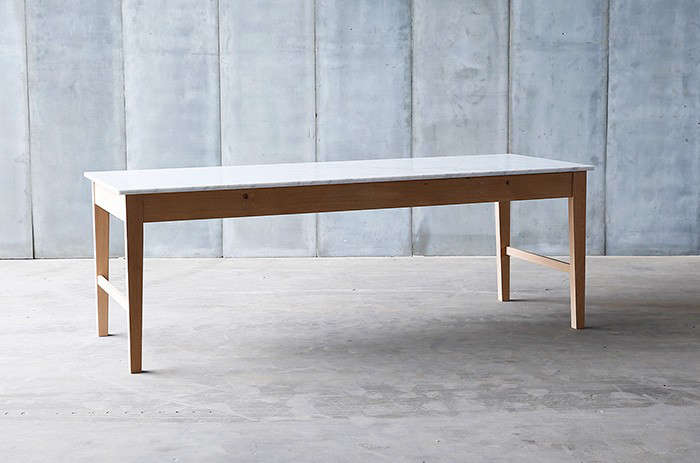

The Finisterre Marble Oak Table is the kind of dining table that walks into a room quietly and still somehow becomes the main character. It does not shout with shiny gimmicks, oversized legs, or “look at me” styling. Instead, it relies on a timeless pairing: the warmth of solid oak and the cool elegance of Carrara marble. In furniture language, that is basically a perfect dinner party guestpolished, grounded, and unlikely to argue about the thermostat.
Known through design sources as a table by Heerenhuis, the Finisterre table belongs to the world of made-to-measure European furniture, where materials matter and simplicity is not the same as plainness. Its listed compositionsolid oak and Carrara marbleplaces it in a category that appeals to homeowners, interior designers, and anyone who wants a dining table that feels architectural without turning the dining room into a museum lobby.
This guide explores what makes the Finisterre Marble Oak Table special, how it fits into modern American interiors, what to know before choosing a marble-top dining table, and how to keep oak and marble looking beautiful through real lifeyes, including coffee spills, pasta nights, homework sessions, and that one guest who refuses to use a coaster.
What Is the Finisterre Marble Oak Table?
The Finisterre Marble Oak Table is best understood as a refined, material-driven dining table built around two classic elements: a solid oak structure and a Carrara marble top. Heerenhuis, the Belgian furniture maker associated with the design, is known for straightforward, substantial tables that emphasize craftsmanship rather than decorative excess. The Finisterre follows that philosophy beautifully.
Unlike many mass-market dining tables that use thin veneers, imitation stone, or engineered surfaces designed to mimic natural materials, this table is centered on authenticity. Oak provides strength, warmth, and visible grain. Carrara marble adds luminosity, veining, and a sense of permanence. Together, they create a piece that feels modern, rustic, European, and slightly gallery-like all at once.
A Table With a Quiet Architectural Personality
The Finisterre design has a calm profile. The marble top appears visually light compared with chunky stone pedestal tables, while the oak base gives the piece stability and human warmth. This contrast is one of the main reasons oak and marble dining tables remain so popular. Marble alone can feel cold. Oak alone can feel rustic. Put them together and you get balance: refined but livable, elegant but not fussy.
That balance makes the table suitable for several interior styles, including organic modern homes, Scandinavian-inspired apartments, Belgian farmhouse interiors, minimalist dining rooms, and transitional spaces that mix old and new pieces. It is a table that can sit under a linen pendant light, next to vintage chairs, on pale wood floors, or even against a darker wall for contrast.
Why Carrara Marble Makes the Table Stand Out
Carrara marble has been used in architecture, sculpture, kitchens, and furniture for centuries. Its white-to-gray background and soft veining give it a natural pattern that feels sophisticated without being overly dramatic. On the Finisterre Marble Oak Table, Carrara marble provides the surface with a quiet glow. It reflects light gently and gives the dining area a clean, elevated feeling.
One of the biggest advantages of marble is that every slab is different. Even when two tables are made from the same type of stone, the veining, tone, and movement can vary. That means a marble-top dining table is never completely generic. It has the personality of natural material, not the repetitive pattern of printed laminate.
Honed vs. Polished Marble
Many modern marble dining tables use a honed finish rather than a high-polish finish. A honed marble surface has a softer, matte appearance that can feel more relaxed and contemporary. It also tends to disguise small scratches and everyday wear better than glossy marble. A polished marble top looks glamorous, but it can show etching, fingerprints, and light marks more obviously.
For a dining table, a honed finish often makes practical sense. Dining rooms are not showrooms. People pass plates, pour drinks, drag serving bowls, and occasionally place a pizza box where a charger plate should be. A honed Carrara marble top accepts real life a little more gracefully, especially when owners understand how to care for it.
The Role of Solid Oak in the Design
Oak is one of the most trusted furniture woods for a reason. It is strong, durable, attractive, and versatile. In the Finisterre Marble Oak Table, oak does more than support the marble top; it softens the entire composition. Without the oak base, the marble might feel too cool or formal. With oak, the table becomes approachable and inviting.
Oak grain also adds movement that complements the veining in Carrara marble. The two materials have different personalities, but they speak the same design language: natural, tactile, and long-lasting. A solid oak base can work beautifully with pale walls, stone floors, wool rugs, leather chairs, cane seats, or upholstered dining chairs in neutral colors.
Why Oak and Marble Work So Well Together
The best interiors usually include contrast. Smooth needs texture. Cool needs warm. Heavy needs light. The Finisterre Marble Oak Table succeeds because it brings these contrasts together in one piece. Marble offers crispness and elegance; oak adds depth and comfort. This is why the table can feel equally at home in a formal dining room or a casual open kitchen.
In American homes, where dining spaces often double as work zones, homework stations, game-night headquarters, and holiday buffet landing pads, this kind of material pairing is especially useful. It looks polished enough for entertaining but not so delicate that the room feels off-limits.
How to Style a Finisterre Marble Oak Table
Styling the Finisterre Marble Oak Table should begin with restraint. The table already has visual interest through marble veining and oak grain, so the goal is to support the design, not bury it under decorative drama. Think of it as dressing someone who already owns a great coat. You do not need fireworks; you need good shoes.
Choose Chairs That Add Texture
Wooden chairs can work, but they should not match the table too perfectly. A slightly darker oak, black-stained wood, woven rush seats, or upholstered chairs can create a more collected look. Leather dining chairs also pair beautifully with marble and oak because they introduce another natural texture.
For a modern feel, try slim black metal chairs or sculptural upholstered chairs in cream, taupe, olive, or charcoal. For a warmer farmhouse-inspired room, choose spindle-back chairs, cane chairs, or simple benches. The key is proportion. Since marble adds visual weight, chairs with some openness can keep the room from feeling too heavy.
Keep the Centerpiece Simple
A low ceramic bowl, a vase with branches, a cluster of candlesticks, or a linen runner is usually enough. Avoid tall centerpieces that block conversation. A marble dining table already has a naturally decorative surface, so leaving some of it visible is part of the charm.
Use Lighting to Warm the Marble
Lighting can completely change how a marble oak table feels. Warm white bulbs, linen shades, brass fixtures, or paper lantern-style pendants help prevent the marble from looking cold. If the room has high ceilings, a large pendant or chandelier can create a strong focal point above the table. In smaller rooms, a more delicate fixture keeps the space airy.
Best Rooms and Interior Styles for the Finisterre Table
The Finisterre Marble Oak Table works best in rooms that appreciate natural materials. It does not need a giant mansion dining room, but it does need breathing space. Marble and oak both have presence, so the surrounding design should feel intentional.
Organic Modern Dining Rooms
Organic modern interiors are built around natural textures, clean lines, and comfortable minimalism. The Finisterre table fits this style almost perfectly. Pair it with plaster walls, warm neutral paint, woven chairs, soft curtains, and handmade ceramics. The result feels calm, expensive, and humanlike a spa that learned how to cook pasta.
Scandinavian-Inspired Spaces
In Scandinavian-style homes, the oak base brings warmth while the marble top adds brightness. Use pale wood floors, simple chairs, white walls, and black accents for contrast. The table becomes a clean centerpiece without overwhelming the room.
Belgian Farmhouse and Rustic Minimalism
Because Heerenhuis furniture often carries a strong Belgian design sensibility, the Finisterre table also works well in rustic minimalist rooms. Think limewashed walls, stone floors, linen upholstery, antique cabinets, and quiet colors. The marble top adds refinement while the oak base keeps everything grounded.
Practical Considerations Before Buying a Marble Oak Dining Table
Before choosing a table like the Finisterre, it is important to think beyond beauty. Marble and oak are both excellent materials, but they require respect. They are not fragile in the way glass can be fragile, but they are natural materials with specific care needs.
Measure the Room Carefully
A dining table should allow enough space for chairs to slide out comfortably. A common rule is to leave about three feet of clearance around the table when possible. If the room is narrow, measure not only the table itself but also the chair depth, walkway, rug size, and nearby furniture.
A rectangular table around 72 to 84 inches long typically works well for six people and can sometimes seat eight depending on chair width and leg placement. Since made-to-measure tables may vary, always confirm the final dimensions before ordering.
Think About Weight and Delivery
Marble is heavy. Charming, yes. Easy to carry up three flights of stairs while pretending everything is fine? Not so much. Before buying a marble-top dining table, confirm delivery access, doorway width, stair turns, elevator size, and installation requirements. Professional delivery is strongly recommended for marble furniture.
Expect Natural Variation
Carrara marble can include gray veining, cloudy movement, small mineral marks, and tonal shifts. These variations are not flaws; they are part of the stone. Oak also changes slightly over time, especially with light exposure. If you want a perfectly uniform surface, natural marble may test your patience. If you appreciate character, it will reward you daily.
How to Care for a Finisterre Marble Oak Table
Good care is what separates a beautiful marble oak table from a beautiful marble oak table that looks like it survived a cafeteria food fight. The good news is that maintenance is not complicated. The bad news is that vinegar is not your friend here, no matter what your cleaning-loving aunt says.
Clean Marble Gently
Use a soft cloth, warm water, and a pH-neutral cleaner suitable for natural stone. Avoid acidic cleaners, vinegar, lemon juice, bleach, ammonia, and abrasive powders. Acidic substances can etch marble, leaving dull marks that are different from stains. Wine, citrus, tomato sauce, and coffee should be wiped up promptly.
Use Coasters, Placemats, and Trivets
Coasters are not just decorative guilt trips. They protect marble from rings, acids, and moisture. Placemats help prevent scratches from plates and flatware, while trivets protect the stone from hot serving dishes. Marble can handle plenty, but direct heat and repeated exposure to acidic foods are not ideal.
Seal the Marble When Needed
Marble sealers help reduce staining, although they do not make marble invincible. A simple water test can help determine whether resealing is needed: if water darkens the stone or absorbs quickly, it may be time to reseal. For best results, follow the table maker’s or stone professional’s recommendations.
Care for the Oak Base
Dust the oak base regularly and clean it with a slightly damp cloth. Avoid soaking the wood or using harsh cleaners. If the oak is oiled, it may need occasional maintenance with an appropriate wood-care product. If it is varnished, routine wiping may be enough. Keep indoor humidity reasonably stable because solid wood can expand or contract with seasonal changes.
Finisterre Marble Oak Table vs. Other Marble Dining Tables
Many marble dining tables rely on dramatic stone bases, metal frames, or pedestal silhouettes. The Finisterre table stands apart because it uses marble as a horizontal plane and oak as the structural foundation. This makes it feel warmer and more furniture-like than some all-stone tables, which can look stunning but may feel visually heavy in everyday homes.
Compared with marble tables on metal bases, the Finisterre design feels more organic. Compared with all-wood dining tables, it feels more refined. Compared with faux-marble options, it offers the depth and individuality of real stone. Its strongest appeal is not trendiness but balance.
Who Should Consider the Finisterre Marble Oak Table?
This table is a strong choice for people who love natural materials, quiet luxury, and furniture that feels built rather than assembled. It is especially suitable for homeowners who want a dining table that can anchor a room for years. It also works well for design lovers who appreciate European craftsmanship and do not want a generic catalog look.
However, it may not be the right choice for someone who wants a completely maintenance-free table. Marble requires more awareness than quartz, laminate, or sealed engineered stone. If every tiny mark will cause emotional damage, consider whether you enjoy patina or simply admire it on other people’s Instagram posts.
Experience Notes: Living With a Finisterre Marble Oak Table
The real experience of living with a Finisterre Marble Oak Table is less about owning a perfect object and more about enjoying a piece that becomes part of daily rhythm. In the morning, the marble top catches natural light and makes even a plain cup of coffee look intentional. At dinner, the oak base softens the cool stone and keeps the room from feeling too formal. It is the kind of table that makes takeout look slightly more respectable, which is a useful public service.
One of the most noticeable experiences is how often people touch the table. Guests tend to run a hand over the oak edge or look closely at the marble veining. Natural materials invite curiosity. They do not feel flat or anonymous. With a table like this, the surface has movement, the base has grain, and the whole piece feels alive in a quiet way.
Daily use also teaches a few habits quickly. Coasters become automatic. Placemats stop feeling optional. Spills get wiped up faster, not because the table is terrifying, but because marble rewards attention. A glass of red wine can sit happily on the table during dinner, but if someone dribbles it across the surface, the best move is to blot it promptly rather than hold a committee meeting about whose fault it was.
Families may find that the table becomes more versatile than expected. It can handle meals, laptops, flower arranging, board games, and weekend projects if treated sensibly. The marble top is cool and smooth, which makes it pleasant for serving food and arranging table settings. The oak base prevents the table from feeling like a stone slab dropped into the room by a very stylish crane.
Over time, small signs of use may appear. Marble can develop tiny etches or subtle changes in sheen. Oak can mellow in color. For many owners, this is not a drawback; it is part of the table’s charm. The best way to enjoy a marble oak table is to understand that it will not remain frozen in showroom perfection. It will gather stories. It may remember a Thanksgiving centerpiece, a birthday cake, a late-night work session, or a child’s art project that came dangerously close to permanent marker history.
The most satisfying part is how adaptable the table feels through changing seasons and styles. In spring, it looks beautiful with branches and pale ceramics. In summer, it pairs well with linen napkins and simple glassware. In fall, it can handle darker candles, woven textures, and hearty meals. During the holidays, it becomes a natural stage for greenery, brass accents, and enough serving dishes to suggest that moderation has left the building.
In short, the Finisterre Marble Oak Table offers an experience that is both practical and emotional. It is not merely a place to eat. It is a design anchor, a daily surface, a conversation starter, and occasionally a silent judge of your coaster discipline.
Conclusion
The Finisterre Marble Oak Table is a compelling example of why simple materials often create the strongest design statements. Solid oak brings warmth and structure. Carrara marble brings elegance and natural variation. Together, they form a dining table that feels timeless, versatile, and quietly luxurious.
For homeowners who want a marble-top dining table without losing the comfort of wood, the Finisterre design offers a beautiful middle ground. It can elevate a dining room, soften a modern kitchen, or bring understated European character into an American home. It does ask for thoughtful care, but that care is part of owning real materials. Treat it well, and it can become the kind of table people remember long after dessert is gone.
SEO Tags
Note: This article is written in original American English for web publishing and is based on verified product context, natural stone care guidance, dining table sizing principles, and current interior design best practices.