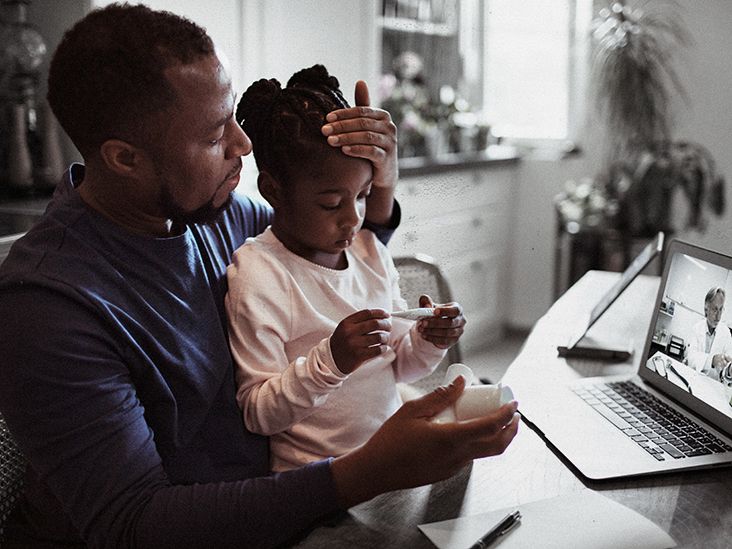

Everybody knows the drill: you feel weird, your forehead seems suspiciously warm, and suddenly you’re staring at a thermometer like it owes you money. But what actually counts as a fever? Is 99 degrees Fahrenheit a fever? Is 100.4 the magic number? And why does one thermometer make you look mildly dramatic while another makes it seem like your body is hosting an action movie?
The short answer is that most healthcare providers consider 100.4°F (38°C) or higher a fever. But the longer, more useful answer is that the number can vary a little depending on where you take the temperature, how old the person is, and what other symptoms show up along with it. Fever is not a disease by itself. It is usually a sign that your body is doing what it was built to do: respond to infection, inflammation, or another medical trigger.
In this guide, we’ll break down the temperature cutoffs, the most common fever symptoms, what a low-grade fever really means, and when a fever deserves a call to a healthcare professional instead of a shrug and a blanket.
What temperature is considered a fever?
In general, 100.4°F (38°C) is the most widely used benchmark for a fever. That is the number many hospitals, clinics, and public health sources use because it is simple, consistent, and clinically useful.
That said, body temperature is not one-size-fits-all. Your “normal” can shift during the day, after exercise, after a hot shower, or even because you wrapped yourself in three blankets and declared war on a mild chill. For many adults, normal temperature can fall somewhere in the 97°F to 99°F range, and it is often lower in the morning and a little higher in the evening.
Why the thermometer location matters
The exact number that counts as a fever depends partly on where the reading is taken:
- Rectal, ear, or forehead: 100.4°F (38°C) or higher is commonly considered a fever.
- Oral: many sources use 100.4°F, while some use about 100°F (37.8°C) as a practical fever threshold.
- Armpit: 99°F (37.2°C) or higher may be treated as a fever, because armpit readings tend to run lower.
This is why two people can compare temperatures and both be technically right. A mouth reading and an armpit reading are not perfect twins. They are more like cousins who look similar in family photos but disagree at dinner.
What about a low-grade fever?
A low-grade fever usually refers to a temperature that is above your normal range but not dramatically high, often around 99.6°F to 100.3°F. It can happen early in an illness, after a vaccine, or with mild viral infections. A low-grade fever is not automatically dangerous. The bigger question is how the person looks and feels. A mildly elevated temperature with decent energy and good hydration is very different from a lower fever with confusion, dehydration, or breathing trouble.
Common fever symptoms
Fever symptoms are not just about the number on the screen. In fact, people often feel feverish before they even confirm it. Common symptoms include:
- Feeling warm, hot, or flushed
- Chills or shivering
- Sweating
- Headache
- Body aches or muscle pain
- Fatigue or weakness
- Loss of appetite
- Feeling dehydrated or having a dry mouth
- Irritability, especially in children
In kids, a fever may also come with clinginess, sleepiness, fussiness, or that unmistakable “something is off” look parents can spot from across the room. In adults, fever often arrives with the delightful combo platter of chills, aches, and the sudden desire to do absolutely nothing.
Symptoms that matter more than the number
One of the most important things to understand is that the fever itself is only part of the story. The symptoms that come with it can matter just as much, or more. A temperature of 101°F in someone who is drinking fluids, responding normally, and resting comfortably may be less worrisome than a lower fever in someone who is confused, short of breath, or unusually hard to wake.
Why fever happens in the first place
Fever is usually the result of your immune system reacting to something it does not like. Viruses, bacteria, inflammatory conditions, certain medications, and even some autoimmune diseases can trigger the body to raise its internal temperature set point. The brain, especially the hypothalamus, helps regulate this process.
That raised temperature is not random. It is part of the body’s defense system. A warmer internal environment may help the immune system work more efficiently and make life harder for certain germs. So while fever feels awful, it is often a sign that your body is actively responding.
That said, fever is not the same thing as hyperthermia. Hyperthermia happens when the body overheats because of outside conditions or failed cooling, such as in heat exhaustion or heat stroke. Fever is a controlled reset of the body’s thermostat. Heat stroke is not. That distinction matters because severe overheating is an emergency.
How to measure a fever correctly
If you want a useful temperature reading, technique matters. A lot. “I checked my temperature right after hot coffee” is not exactly gold-standard science.
Smart temperature-taking tips
- Use a digital thermometer whenever possible.
- Wait a bit after hot or cold drinks before taking an oral temperature.
- Follow the device instructions for ear and forehead thermometers, since placement affects the result.
- For young infants, rectal temperature is often considered the most accurate.
- Recheck the temperature if the number does not match how the person looks or feels.
Forehead and no-contact devices are convenient, especially when a cranky toddler has decided that modern medicine is oppression. But convenience and precision are not always identical. If the reading seems odd, confirm it with a more reliable method.
When should you worry about a fever?
Most fevers from common viral illnesses improve with time, fluids, and rest. But some situations call for prompt medical advice.
Babies under 3 months: this is the big one
If a baby younger than 3 months has a rectal temperature of 100.4°F (38°C) or higher, that needs urgent medical evaluation. In newborns and very young infants, fever can be a sign of a serious infection even when the baby does not look dramatically sick yet.
Children and adults: concerning fever signs
Seek medical care sooner if a fever comes with any of the following:
- Trouble breathing
- Chest pain
- Confusion, unusual sleepiness, or trouble waking up
- Seizure
- Severe headache or stiff neck
- Persistent vomiting
- Signs of dehydration, such as very little urination or inability to keep fluids down
- A rash that looks unusual or spreads quickly
- Fever that improves and then comes back worse
- Fever lasting several days
Higher temperatures can also be more concerning. In many adults, a fever around 103°F (39.4°C) or higher deserves closer attention, especially if it does not respond to comfort measures or lasts more than a few days. In children, providers may worry less about the exact number and more about the child’s behavior, hydration, age, and overall appearance. A child who is playful between fevers may be less concerning than one with a lower temperature who is limp and not drinking.
What about febrile seizures?
Some children can have febrile seizures, usually between about 6 months and 5 years of age. These seizures are associated with fever and can be frightening to witness. They often happen when the temperature rises quickly, not just when it reaches a specific dramatic number. Even though many febrile seizures do not cause long-term problems, a seizure with a fever still deserves prompt medical evaluation, especially if it is the first one.
How to treat a fever at home
If the fever is mild to moderate and there are no red-flag symptoms, home care is often enough.
Helpful home remedies
- Drink fluids to help prevent dehydration.
- Rest, but do not panic if you are not bed-bound 24/7.
- Dress in light clothing instead of bundling up like it is a snowstorm indoors.
- Use acetaminophen or ibuprofen for comfort when appropriate and as directed on the label or by a healthcare professional.
- Do not give aspirin to children or teenagers unless specifically told to do so by a clinician.
A good rule of thumb: treat the person, not just the number. Not every fever needs medication. If someone is comfortable, drinking fluids, and resting, the fever may simply need monitoring. The goal is not always to force the thermometer back to 98.6°F like you are resetting factory settings. The goal is comfort and safety.
Also, be careful with combination cold and flu medicines. Some already contain acetaminophen, and doubling up can happen faster than people realize.
Is 99°F a fever?
Usually, 99°F is not considered a true fever in most adults. It may simply reflect a normal daily variation, a warm room, recent activity, or an early stage of illness. For some people, a temperature that high can still feel “off,” especially if they normally run cool. But by itself, 99°F is usually not the line that makes clinicians sit up dramatically and point at the thermometer.
If you feel sick at 99°F, pay attention to the whole picture. Are symptoms worsening? Are you developing chills, cough, sore throat, vomiting, or body aches? Is the temperature climbing? Context matters more than a single lonely number.
Fever in children versus fever in adults
Children get fevers more often than adults, and their temperatures can rise quickly. That can be unnerving, but it is not always a sign of danger. Kids commonly spike fevers with routine viral infections and can look miserable one hour, then ask for crackers and cartoons the next.
Adults, on the other hand, may have more subtle fevers but still feel wiped out. Older adults and people with weakened immune systems may not mount a dramatic fever even when they have a serious infection. In those cases, symptoms like confusion, weakness, poor intake, or shortness of breath may be the bigger clue.
The bottom line on fever symptoms and temperature
If you want the clean takeaway, here it is: a temperature of 100.4°F (38°C) or higher is the standard definition of a fever for most people. But the exact threshold can vary slightly depending on how the temperature is taken. Oral readings may sometimes be considered feverish around 100°F, while armpit readings often use a lower cutoff because that method reads cooler.
Fever symptoms can include chills, sweating, body aches, headache, weakness, and dehydration. In many cases, fever is a normal immune response and gets better with rest, fluids, and time. The real red flags are age under 3 months, trouble breathing, confusion, seizures, dehydration, severe pain, or a fever that lingers or worsens.
So yes, the thermometer matters. But it is only one piece of the puzzle. The person attached to the thermometer matters more.
Everyday experiences people have with fever symptoms
One of the most common experiences with fever is the classic “I thought I was just tired” moment. A person starts the day feeling a little off, maybe a bit achy, maybe colder than everyone else in the room, and assumes it is stress, poor sleep, or a long week. Then the chills show up, the blanket comes out, and an hour later the thermometer reveals what the body already knew. Fever often begins this way: subtly, almost sneakily, before it becomes obvious.
Parents often describe a completely different kind of experience. A child can be running around in the afternoon and then suddenly become clingy, glassy-eyed, and warm by dinner. The fast change is what rattles people. Children can spike temperatures quickly, which makes fever feel dramatic even when the cause is something ordinary like a viral infection. Many parents also learn that the number is only half the story. A child with a temperature over 102°F who is still drinking fluids, making eye contact, and responding normally may be less concerning than a child with a lower fever who is listless and refusing to drink.
Adults often talk about fever as a full-body experience rather than just a temperature reading. They describe heavy limbs, sore skin, headaches, and the odd cycle of shivering under blankets and then sweating through them an hour later. That swing between chills and sweating is especially memorable. It can make people think the fever is getting worse and then better and then worse again, when in reality the body is just working through the immune response.
Another very common experience is confusion over thermometer readings. Someone gets 99.1°F under the arm, 100.0°F by mouth, and a slightly different number on the forehead scanner, and suddenly the household is conducting a tiny medical symposium in the kitchen. This is where people realize that thermometer method matters more than they expected. It is also why many clinicians tell families to focus on trends and symptoms, not just one isolated reading.
Then there is the “night fever” phenomenon. Many people notice symptoms intensify in the evening. That is not necessarily their imagination. Body temperature naturally rises later in the day, so a mild illness can feel much more dramatic at night. It is one reason fever can seem to arrive right when pharmacies close and everyone’s anxiety clocks in for an overnight shift.
People also remember the relief that comes from simple supportive care. Cool fluids, light clothing, rest, and the right dose of fever-reducing medicine can make a miserable evening manageable. The experience teaches a useful lesson: with fever, comfort, hydration, and watching for warning signs often matter more than obsessing over a perfect number.
SEO tags