Every January, I Go To Blooming Lavender Fields In Tasmania To Take These Dreamy Photos Of Pets (100 Pics)

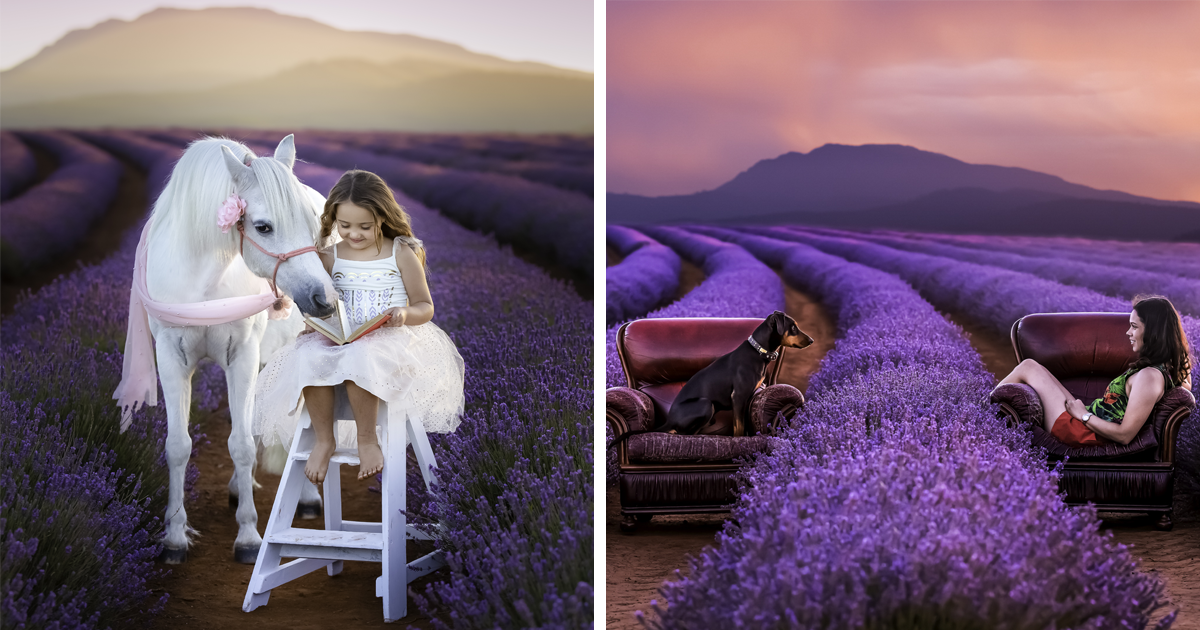
Every January, while plenty of people are busy making resolutions they will heroically abandon by February 3, I head to Tasmania’s blooming lavender fields with a camera, a pocket full of treats, and enough enthusiasm to embarrass a golden retriever. The goal is simple: photograph pets in a setting so ridiculously pretty it looks like someone turned the saturation up on real life. The result is a gallery of dreamy pet portraits that feels part storybook, part travel diary, and part proof that dogs somehow know when they are standing in excellent lighting.
If you have ever seen a pup sitting in a sea of violet blooms with its ears catching the breeze just right, you already understand the appeal. Lavender fields in Tasmania, especially in January, are cinematic in the most unfair way. The rows curve over rolling hills, the light stretches late, and the purple seems to glow from the ground up. Add a pet with a tilted head or an expression that says, “I was promised snacks,” and the whole thing becomes impossible to resist.
This is not just about pretty backgrounds, either. It is about the mood. Pet photography works best when it captures personality, and Tasmania’s lavender season offers the kind of setting that makes animals look both majestic and hilarious. A tiny dachshund suddenly looks like a woodland prince. A scruffy rescue dog becomes the star of an indie movie. A cat, naturally, looks like it owns the whole farm.
Why Tasmania in January Feels Like a Dream With a Camera Strap
January is the magic month because it lines up beautifully with Tasmania’s lavender season. In the island’s north and northeast, the famous rows of lavender are still putting on a show, and the landscape has that lush, sunlit summer energy that photographers pray for. For travelers coming from the Northern Hemisphere, the experience feels almost comically upside down in the best way. While winter coats and gray skies dominate back home, Tasmania is serving warm air, long daylight, and fields that look like they were designed by a color-obsessed art director.
What makes Tasmania especially photogenic is not just the lavender itself, but the shape of the land. The fields are not flat purple carpets. They roll, bend, and sweep with the terrain, which gives photos movement before a pet even steps into the frame. That natural rhythm is gold for composition. A path between rows can lead the eye straight to a fluffy subject. A hillside can create layers. A breeze can animate the flowers without turning the whole scene into chaos.
And then there is the light. In summer, Tasmania gives photographers generous mornings and evenings, which matter because pet portraits almost always look better in soft natural light than in harsh noon sun. Lavender also behaves beautifully under that softer light. Instead of looking like one flat block of purple, it reveals depth: silvery stems, violet tips, dusty greens, and the occasional glint of sunlight that makes the whole field shimmer. If a dog happens to look over its shoulder at that exact moment, congratulations, you now have a frame worthy of printing large and making everyone in your house discuss wall placement.
What Makes Pet Photos in Lavender Fields So Addictive
There is a reason people stop scrolling for this kind of image. It combines three things the internet has proven it will always love: animals, flowers, and improbable levels of charm. But the deeper reason is contrast. Pets bring motion, spontaneity, and personality. Lavender fields bring order, color, and atmosphere. Together, they create a perfect visual push-and-pull.
1. The Color Contrast Does Half the Work
Cream-colored retrievers, black poodles, gray cats, rust-coated spaniels, white terriers, and even mixed-breed mutts with gloriously confusing color palettes all pop against lavender. Purple is rich without being visually aggressive, which means it supports the subject instead of swallowing it. That is one reason these images feel dreamy rather than busy.
2. The Setting Adds Story Instantly
A pet on a couch is cute. A pet in a blooming lavender field feels like a character. The location gives the portrait narrative. Suddenly, the viewer is not just seeing a dog. They are meeting a dog on an adventure. That sense of place is what transforms a nice snapshot into a memorable image.
3. Pets Relax Into the Scene Better Than You’d Think
The best pet portraits rarely come from forcing a pose. They come from letting the animal sniff, observe, sit, reset, and exist. Outdoor locations can help, especially when the session is calm and unhurried. A gentle field, a familiar human nearby, and a photographer who is willing to wait often produce more expressive images than a rushed indoor setup ever could.
How I Actually Photograph Pets in Lavender Fields
People love the finished pictures, but the real secret is that pet photography is basically a mix of planning, patience, and low-level comedy. You do not command the scene. You negotiate with it. One minute you are framing the perfect portrait; the next minute your subject is staring intently at a bug that apparently just became the most important creature in the Southern Hemisphere.
Use Soft Light, Not Midday Drama
The prettiest pet photos usually happen early in the morning or later in the afternoon. Overcast weather is also fantastic because it softens shadows and helps darker coats keep detail. Bright midday sun can make flowers look washed out and can create harsh contrast on faces, especially around the eyes. In other words, noon is excellent for lunch and much less excellent for dreamy portraits.
Focus on the Eyes, Then Let the Background Melt
If the eyes are sharp, viewers forgive almost everything else. I usually aim for a wide aperture to separate the pet from the background, but not so wide that the nose is sharp and the eyes are floating somewhere in another dimension. A little depth is your friend. Lavender should feel creamy and atmospheric, not like purple soup.
Get Low and Shoot at Pet Level
The fastest way to make a pet look more engaging is to stop photographing from human height. Crouch down. Kneel. Accept that your pants are now part of the outdoor experience. Shooting at eye level pulls the viewer into the scene and makes the animal feel present instead of miniature. This matters even more in lavender, where the rows can easily overpower a small subject if you shoot from too high.
Work in Short Bursts
Pets do not care that you want a portfolio image. They care about comfort, curiosity, and whether that treat in your hand is decorative or legally available to them. Short bursts work best. Photograph for a minute, pause, reward, reposition, repeat. It keeps energy positive and helps the animal stay relaxed instead of turning the session into a tiny furry labor dispute.
Don’t Use Flash
Natural light is usually more flattering, and skipping flash helps keep animals comfortable. The last thing a dreamy outdoor session needs is a startled pet and a frame full of “absolutely not” body language. If light is low, I would rather adjust settings and embrace a softer mood than blast a scene into looking like a crime reenactment.
Pet Safety Matters More Than Any Photo
This should be obvious, but pretty fields are not permission to forget common sense. Lavender may look gentle and romantic, but pets should not be encouraged to chew the plants, lick concentrated lavender products, or roll enthusiastically through every row like they are filming their own fragrance commercial. A beautiful shoot starts with an animal that feels safe, hydrated, and unstressed.
I keep sessions slow and pet-first. That means fresh water, shade breaks, a leash when needed, and zero expectation that an animal will perform on command just because the setting is gorgeous. Some pets love new places; others need time to settle. Some are natural posers; others specialize in chaotic side quests. Both are fine. The trick is reading the animal and building the session around its comfort level.
It also means respecting the farm. Lavender fields are working landscapes, not giant open studios. Stay on approved paths, follow property rules, avoid trampling plants, and keep pets controlled. A good photographer leaves the rows looking just as good for the next visitor and the next season.
Planning the Tasmania Lavender Trip Like a Pro
If you want the full lavender-field fantasy, timing is everything. January is ideal because the fields are still showing strong color, and the atmosphere is firmly in summer mode. Tasmania’s best-known lavender destination sits within reach of Launceston, which makes it practical for travelers who want a day trip that feels wildly photogenic without requiring a heroic expedition.
My favorite strategy is to treat the shoot as part travel experience, part visual project. Stay nearby, arrive early, and do not overpack your schedule. Nothing kills the mood like trying to squeeze a thoughtful pet session between five other stops and a lunch reservation you made with unreasonable optimism. Lavender photography rewards time. Walk the rows. Watch the light. Let the pet settle in. Take a few portraits, then a few wider frames that show the landscape. The gallery gets better when it feels like a story rather than a speed run.
And yes, the non-photo parts matter too. Tasmania is excellent at making a day feel textured. The drive itself is scenic, the air smells like summer herbs and countryside, and the whole trip has that slightly unreal feeling of having wandered into a postcard. Even the coffee stop afterward somehow tastes more cinematic when your camera card is full of smiling dogs in purple fields.
Why “100 Pics” Works So Well as a Blog and Photo Story
There is something delightfully irresistible about a big photo collection tied to a specific ritual. “Every January, I go here and photograph pets” is not just a headline. It is a tradition, and traditions are sticky. They give readers a reason to come back. A gallery of 100 pet photos is not only visual candy; it is also proof of consistency, process, and point of view.
For a blog audience, that matters. Readers do not just want random pretty images. They want a behind-the-scenes feeling. They want to know why this place, why this season, and why these pictures feel different from the usual pet portraits. The answer is that the best recurring photo projects combine familiarity and surprise. The location stays recognizable, but every pet brings a new personality into the frame. One dog is regal. Another is gloriously derpy. A senior spaniel gives you soulful stillness. A young shepherd gives you motion blur and a deeply committed sprint into frame.
That variety is what keeps the idea fresh. The landscape is the stage, but the pets are the plot twist.
What I’ve Learned After Returning Every January
Coming back every year teaches you things that one visit never could. You notice how the bloom changes week by week. You learn which light is kindest to black coats and which angles make small dogs disappear into the flowers. You realize that the most successful frame is often not the most posed one, but the in-between moment when a pet hears its name, tilts its head, and reveals exactly who it is.
You also learn that viewers can tell when a photo is made with patience instead of pressure. The dreamy quality people respond to is not just color grading or location. It is trust. A relaxed pet photographs differently. The expression softens. The posture feels natural. The image stops looking manufactured and starts feeling lived in.
That, more than anything, is why I keep going back. Tasmania in January is beautiful, obviously. But the deeper reward is creating portraits that feel honest inside all that beauty. Lavender gives the frame its atmosphere. The pet gives it a heartbeat.
A Longer Personal Reflection From the Lavender Rows
Every January, the trip begins the same way for me: with the strange feeling that I am about to revisit a dream I only half remember. I know the color is coming. I know the rows will roll over the hills like purple ribbon. I know there will be at least one dog who decides, with complete sincerity, that the photo session would be improved by sitting with its back to me. And somehow that familiarity is exactly what makes the experience special. It is not repetitive. It is ritualistic.
The first few minutes in the field are always my favorite. Before I take many photos, I just look. I watch the way the morning light slides over the tops of the lavender. I listen for the low hum of summer. I notice how the color changes depending on where I stand: blue-violet in one direction, soft plum in another, silver-green underneath it all. In those moments, the landscape feels less like scenery and more like a mood. It slows me down. That matters, because good pet photography has almost nothing to do with rushing.
Then the animals arrive, and the whole place changes character. A field on its own is beautiful. A field with pets becomes a theater of tiny, hilarious decisions. A corgi marches in like it booked the location personally. A rescue mutt starts cautiously, then blossoms as soon as it realizes the session involves praise and snacks. A senior dog settles into the lavender with such quiet dignity that everyone nearby suddenly starts whispering. I have watched shy pets warm up in minutes and confident pets become accidental comedians. One of my favorite memories is of a spaniel who gave me one stunning, soulful portrait and then immediately tried to eat a leaf as if to keep the universe balanced.
What surprises me every year is how emotional the sessions can become. People often think pet photography is just cute, and of course it is cute. But it is also personal. Sometimes I am photographing a young dog on its first big adventure. Sometimes I am photographing an older pet whose humans want one more beautiful set of portraits in a place that feels magical. In those cases, the lavender becomes more than a backdrop. It turns into a setting for memory. The images hold love, routine, age, personality, and the strange little quirks families know by heart. A titled head. A crooked sit. A look that says, “I trust you, but I would still prefer a treat.”
By the end of the day, I am usually dusty, tired, and absurdly happy. My camera card is full. My knees have opinions about all the crouching. My phone has several behind-the-scenes photos that prove the glamorous art of photography often involves waving a squeaky toy and making noises no adult should ever make in public. But I leave with that satisfying feeling that I captured something real. Not perfection. Not stiff poses. Something warmer than that.
That is why I return every January. The lavender is stunning, yes. The light is generous. The photos are dreamy. But the real draw is the combination of beauty and unpredictability. No two pets move the same way. No two expressions land the same. No two seasons are identical. The rows may be familiar, but the stories are always new. And every year, somewhere between the first frame and the last, I remember why this tradition stuck: because a pet in a lavender field is not just photogenic. It is joy with a pulse, framed in purple.
Conclusion
Pet portraits in Tasmania’s January lavender fields work because they combine place, timing, and personality in a way that feels almost unfairly photogenic. The location offers color and atmosphere. The season provides soft, summery light. The animals bring unpredictability, warmth, and humor. Put all of that together and you get more than a pretty gallery. You get a visual story readers remember.
That is the secret behind “Every January, I Go To Blooming Lavender Fields In Tasmania To Take These Dreamy Photos Of Pets (100 Pics).” It is not just a headline built for clicks. It is a format that naturally delivers delight, travel inspiration, photography tips, and emotional connection all at once. And honestly, if a windswept dog in a purple field cannot improve your day, I do not know what can.