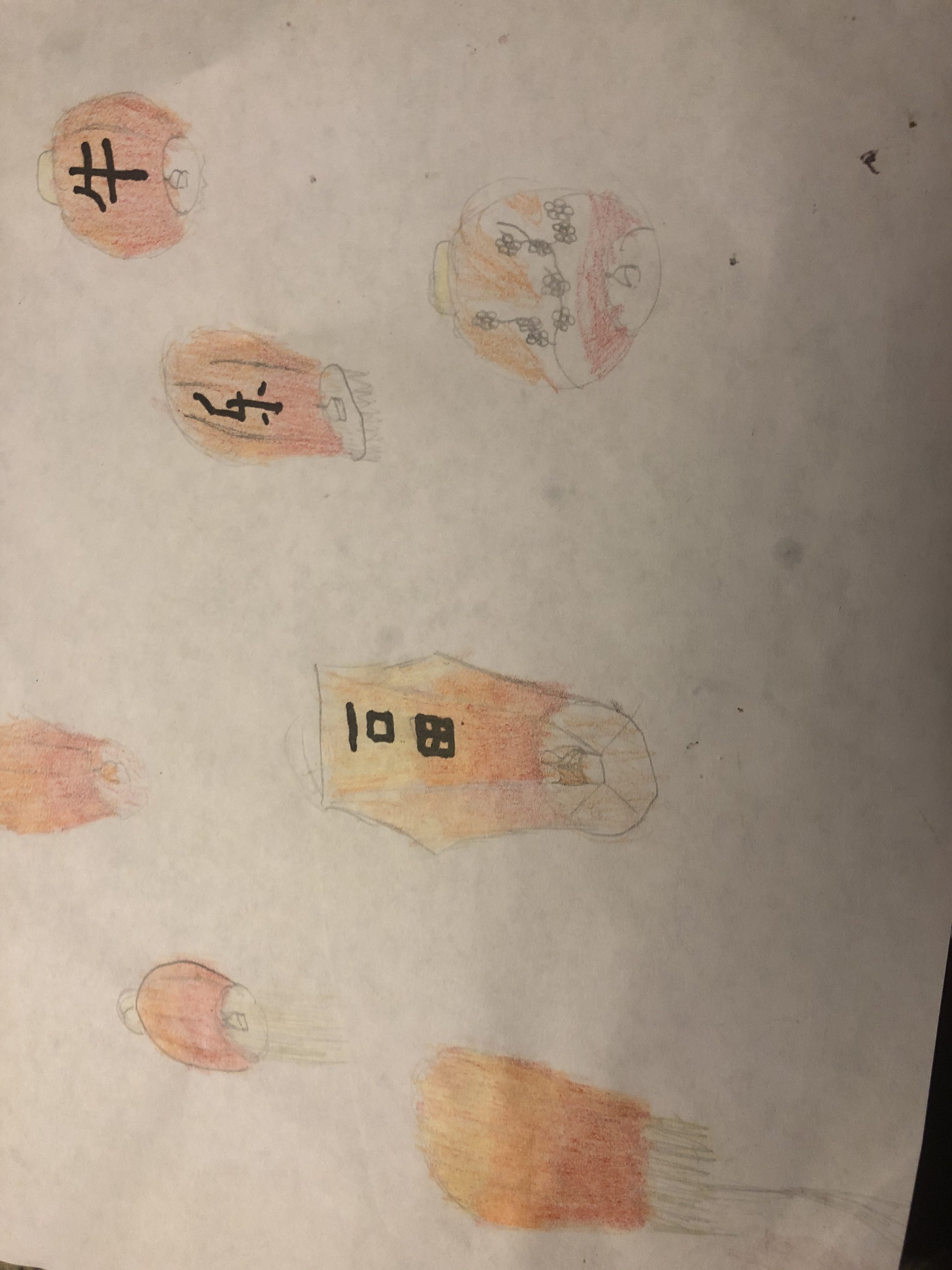

Every online community has its magic sentence. Some people say, “Show us your pets.” Others say, “Drop your funniest childhood photo.” But for the creative corner of the internet, few prompts are more inviting than this: Hey Pandas, post your best drawing.
It sounds simple. Almost suspiciously simple. Like a pencil sitting on a desk pretending it does not know how much emotional chaos it can cause. Yet the moment people begin sharing their artwork, something wonderful happens. A casual post turns into a tiny digital gallery. Sketches, doodles, portraits, cartoons, fantasy creatures, landscapes, and notebook-margin masterpieces all show up to the party. Some are polished. Some are messy. Some look like they fought a blender and won. All of them say something.
Drawing has always been one of the most human ways to communicate. Before we had perfectly edited captions, filters, and thirty-seven ways to react with an emoji, we had lines. A handprint on a wall. A shape scratched into stone. A figure in motion. Today, the tools may include tablets, styluses, alcohol markers, graphite pencils, ink pens, cheap school crayons, and the occasional coffee stain that “became part of the composition,” but the purpose is still familiar: we draw to notice, imagine, remember, joke, practice, and connect.
That is why a community prompt like “Hey Pandas, Post Your Best Drawing” works so well. It is not only about proving who has the sharpest shading technique or the cleanest linework. It is about opening a door and saying, “Come in. Show us what your brain looks like when it escapes through your hand.”
Why “Post Your Best Drawing” Is More Than a Fun Prompt
At first glance, this kind of drawing challenge looks like pure entertainment. People upload pictures, others comment, everyone scrolls, and somewhere in the distance a neglected sketchbook whispers, “Remember me?” But the appeal goes deeper.
Online art-sharing prompts give people a low-pressure reason to participate. Instead of needing a full portfolio, a professional artist bio, or a dramatic black-and-white photo of yourself staring into the middle distance, you only need one drawing you feel proud of. That drawing might be a realistic pencil portrait, a watercolor mushroom, a digital anime character, a cartoon raccoon wearing sunglasses, or a dragon that looks emotionally unavailable. The subject matters less than the invitation.
Drawing also makes improvement visible. A writer may rewrite a paragraph so smoothly that no one sees the struggle. A musician may practice scales in private until the final performance sounds effortless. But drawings often leave tracks. You can see the hesitant early lines, the bolder marks, the experiments with proportion, texture, light, and expression. When someone posts their best drawing, they are often sharing not just an image, but a history of trial and error.
That is one reason Bored Panda-style community posts are so satisfying. They collect personal creativity in one place and let readers see how many different definitions of “best” exist. For one person, the best drawing is the most technically accurate. For another, it is the funniest. For someone else, it is the first drawing they finished after months of creative block. “Best” is not always about perfect anatomy or museum-level composition. Sometimes “best” means, “I did not quit halfway through, and frankly, that deserves a parade.”
What Makes a Drawing “Best”?
The word “best” is delightfully slippery. In art, it does not behave like a math answer. There is no universal scoreboard where a graphite eye gets 84 points, a cartoon frog gets 72, and a dramatic wolf howling at the moon gets bonus points for emotional commitment.
A drawing can be considered your best for several reasons. It may show technical skill, such as strong proportions, confident lines, realistic shading, or thoughtful use of color. It may show imagination, like a creature design that feels original or a scene that tells a story without needing a paragraph of explanation. It may capture emotion, which is often harder than drawing a perfectly symmetrical face. A slightly uneven portrait with real feeling can be more memorable than a flawless but lifeless copy.
There is also the personal meaning behind the artwork. Maybe you drew your dog after it passed away. Maybe you sketched your favorite place from memory. Maybe you created a fantasy character during a time when you needed a small escape from real life. Maybe your “best drawing” is a comic panel that made your friends laugh so hard they briefly forgot how chairs work.
Good art does not always announce itself with dramatic lighting and expensive supplies. Sometimes it sits quietly on notebook paper, drawn with a half-broken pencil during lunch. Sometimes it is made on a phone screen at 2 a.m. with one finger and too much confidence. The best drawing is often the one that carries the strongest combination of effort, personality, and meaning.
Popular Types of Drawings People Love to Share
1. Pencil Portraits
Pencil portraits are classic for a reason. They show patience, observation, and the artist’s ability to work with value, contrast, and tiny details. A good portrait does not only copy a face; it captures a mood. The sparkle in an eye, the curve of a smile, or the shadow under a cheekbone can make the drawing feel alive. Of course, portraits can also be terrifying during the early stage, when every face briefly looks like a potato with legal problems. Trust the process.
2. Animal Drawings
Animals are internet royalty. Cats, dogs, birds, horses, foxes, frogs, and suspiciously judgmental raccoons all make excellent drawing subjects. Animal drawings can be realistic, cute, funny, or stylized. They also reveal an artist’s personality. A realistic owl says, “I enjoy detail and patience.” A cartoon possum screaming into the void says, “I understand modern life.”
3. Fantasy and Character Art
Original characters, fantasy warriors, magical creatures, and fan-inspired designs are some of the most popular drawings in online communities. These pieces let artists combine storytelling with visual design. The clothing, pose, expression, weapon, hairstyle, and background all suggest who the character is. Even a simple sketch can make viewers wonder, “What is their story?” That curiosity is powerful.
4. Landscapes and City Scenes
Landscape drawings show how an artist sees space, light, and atmosphere. A quiet forest path, a rainy street, a glowing sunset, or a cozy room can pull viewers into a scene. These drawings do not need to be hyper-realistic to work. Sometimes a few confident lines can suggest an entire place. The trick is choosing what to include and what to leave out, which is also a useful life skill when someone asks, “Do you want to hear the whole story?”
5. Comics and Funny Doodles
Not every best drawing needs to be serious. A great comic strip, expressive doodle, or absurd little character can be just as memorable as a detailed portrait. Humor in drawing depends on timing, exaggeration, and clarity. A tiny change in an eyebrow can turn a character from “calm” to “has seen the printer jam for the third time today.” Funny drawings are shareable because they create instant connection.
How to Choose Your Best Drawing to Post
If you are joining a “Hey Pandas, Post Your Best Drawing” thread, choosing what to upload can be harder than expected. Suddenly every piece in your sketchbook starts auditioning like it is competing on a reality show. The dramatic dragon wants attention. The cute cat claims it is more marketable. The unfinished eye study says, “Technically, I have depth.”
Start by asking a few simple questions. Which drawing still makes you smile when you see it? Which one taught you something? Which one feels the most like you? Which one would you be excited to talk about in the comments? The best choice is not always the most polished. It is the one you can share honestly.
It also helps to think about the story behind the drawing. Readers enjoy context. A caption like “My best drawing” is fine, but a caption like “I drew this after practicing fur texture for two months, and now I see individual hairs in my dreams” is much more engaging. A short backstory gives people a reason to care and comment.
If the drawing is old, mention that. If it was made with unusual materials, mention that too. If your cat stepped on it and accidentally improved the composition, absolutely mention that. The internet deserves to know when a feline becomes an unpaid creative director.
Tips for Making Your Drawing Post Stand Out
Use Good Lighting
You do not need professional photography equipment to share your drawing, but lighting matters. Natural daylight usually works best. Place the drawing near a window, avoid harsh shadows, and make sure the image is clear. A great drawing photographed in a dark room can look like evidence from a mystery documentary.
Crop the Image Cleanly
Try to crop out clutter around the artwork. Viewers should focus on the drawing, not the snack wrapper, charging cable, and mysterious object in the corner that may or may not be a sock. Clean presentation makes even a simple sketch feel more intentional.
Write a Caption With Personality
A good caption can turn a drawing post into a conversation. You might explain what inspired the piece, how long it took, what tools you used, or what part was most difficult. Keep it short, friendly, and specific. People are more likely to respond when they feel invited in.
Be Honest About Your Process
Online art spaces can sometimes make people feel as if everyone else creates perfect work effortlessly. Spoiler: they do not. Most artists have abandoned sketches, weird practice pages, and at least one drawing where the hands look like startled seafood. Sharing a bit of process makes your post relatable and encourages others to be brave too.
Why Community Feedback Matters
One of the best parts of posting a drawing online is receiving feedback from people who see the work with fresh eyes. Friends and family are nice, but their reviews often sound like, “Wow, that is so good!” even when you accidentally drew a horse with the emotional energy of a folding chair. Community feedback can be more specific.
Helpful comments might point out strong composition, expressive linework, interesting color choices, or a clever idea. They may also offer gentle suggestions, such as deepening shadows, adjusting proportions, or simplifying the background. Good feedback does not crush the artist. It gives them a flashlight.
For beginners, positive community response can be especially motivating. Many people stop drawing because they believe they are “not talented.” But drawing is not a magical gift delivered by a glittery owl at birth. It is a skill built through observation, repetition, curiosity, and the willingness to make awkward early attempts. Encouragement keeps people practicing long enough to improve.
The Real Secret: Progress Beats Perfection
Perfection is a terrible art teacher. It stands behind you, folds its arms, and says unhelpful things like, “That line could be better.” Progress, on the other hand, is much more pleasant. Progress says, “You noticed the mistake. That means you are learning.”
When people post their best drawings, viewers often see only the final result. What they do not see are the practice pages, reference studies, failed sketches, smudged eraser marks, and tiny artistic negotiations that happened along the way. Every finished drawing is built on invisible effort.
This is why art communities should celebrate not just impressive results, but visible growth. A beginner’s drawing can be exciting because it marks the start of a journey. An advanced artist’s work can be inspiring because it shows what years of practice can produce. Both belong in the same conversation.
There is something deeply encouraging about seeing a wide range of skill levels in one place. It reminds everyone that art is not a gated mansion guarded by people in black turtlenecks. It is more like a public park. Some people are painting masterpieces. Some are sketching trees. Some are drawing a duck with a suspiciously human expression. Everyone gets to be there.
Drawing Ideas for Anyone Who Wants to Join
If you want to participate but do not know what to post, start with what you already love. Draw your pet, favorite snack, dream house, favorite fictional character, a creature from your imagination, or the object sitting closest to you. If that object is a stapler, congratulations: you are about to discover whether office supplies have emotional depth.
You can also try themed prompts. Draw your best self-portrait, your favorite animal, a cozy room, a spooky forest, a futuristic city, a magical teacup, or a food item as a superhero. These prompts work because they give your imagination a starting point without locking it in a tiny creative cage.
Another fun approach is to redraw an old piece. Choose something you made months or years ago and create a new version. This is one of the clearest ways to see improvement. Even if the new version is not perfect, you will probably notice stronger decisions, better control, and more confidence. Also, your old drawing may look at the new one and say, “I raised you well.”
What Viewers Can Learn From a Drawing Thread
A community drawing post is not only useful for artists. Viewers can learn a lot too. By looking at many drawings side by side, readers begin to notice different styles, techniques, and creative choices. One artist may use delicate shading. Another may rely on bold outlines. Someone else may use color in a way that feels wild but somehow works beautifully.
This variety teaches an important lesson: art does not have one correct path. A drawing can be realistic, abstract, decorative, expressive, funny, symbolic, or experimental. Some drawings whisper. Others walk into the room wearing tap shoes. The point is not to make everyone draw the same way. The point is to let each person’s visual voice become clearer.
That is what makes “Hey Pandas, Post Your Best Drawing” such an effective community topic. It is simple enough for anyone to understand, broad enough for many styles, and personal enough to spark real interaction. People do not merely upload images. They share effort, taste, humor, memory, and imagination.
Experiences Related to “Hey Pandas, Post Your Best Drawing”
Anyone who has ever posted a drawing online knows the strange little ceremony that happens before clicking “submit.” First, you take a photo. Then you take another photo because the first one somehow made your paper look like it had survived a basement flood. Then you adjust the angle, crop the image, write a caption, delete the caption, write a funnier caption, and wonder whether the drawing is actually good or whether you have simply stared at it long enough to form an emotional attachment.
That nervous feeling is part of the experience. Sharing art can feel personal because drawings carry fingerprints of attention. Even a quick doodle reveals choices: what the artist noticed, exaggerated, ignored, simplified, or loved enough to spend time on. Posting your best drawing is a small act of confidence. It says, “Here is something I made. Please be normal about it.” The internet, being the internet, may not always be normal, but good creative communities usually respond with curiosity and encouragement.
One common experience is surprise. Many artists expect criticism and receive kindness instead. A beginner may post a simple pencil sketch and discover that people admire the expression or idea behind it. Someone who feels insecure about their style may learn that viewers find it charming. Another person may share a drawing they almost threw away and find that it resonates with strangers. These moments matter because they challenge the harsh inner voice that says, “This is not good enough.” Sometimes the audience sees value before the artist does.
Another experience is rediscovery. A prompt like this can send people digging through old sketchbooks, folders, camera rolls, and forgotten tablet files. Suddenly they find drawings from different stages of their life: the dragon phase, the eye-only phase, the “I will learn hands this week” phase, and the mysterious period when every character had one eye covered by hair. Looking back can be funny, but it can also be moving. Old drawings are proof that you kept trying. They are little postcards from previous versions of yourself.
Posting a best drawing can also lead to useful conversations. Someone may ask what pencil you used, how you learned shading, whether you used a reference, or how long the piece took. These questions turn a single image into a learning exchange. Artists pick up tips from one another, compare tools, discuss techniques, and encourage practice. The thread becomes less like a competition and more like a crowded art table where everyone is passing markers around.
There is also a playful side to the experience. Some people post highly detailed work. Others post drawings that are intentionally silly. Both can be great. A beautifully rendered portrait may impress viewers, while a chaotic doodle of a goose wearing boots may win hearts through pure personality. The best drawing threads often have room for both the masterpiece and the magnificent nonsense. That balance keeps the community welcoming.
Most importantly, “Hey Pandas, Post Your Best Drawing” reminds people that creativity is better when it is shared. A drawing hidden in a drawer may still have value, but a drawing shared with others can start conversations, inspire someone to pick up a pencil, or make a stranger smile during a long day. That is a pretty good achievement for a few lines on paper.
Conclusion
“Hey Pandas, Post Your Best Drawing” is more than a casual online prompt. It is an invitation to celebrate creativity in all its forms: polished, messy, serious, funny, realistic, cartoonish, emotional, experimental, and proudly imperfect. The beauty of a drawing thread is that it does not require everyone to be a professional artist. It only asks people to share something they made and something they care about.
Whether your best drawing is a detailed portrait, a tiny doodle, a colorful fantasy scene, or a sketch you finished after three abandoned attempts and one dramatic sigh, it deserves a place in the conversation. Art grows through practice, but confidence often grows through sharing. So sharpen the pencil, clean the camera lens, crop out the snack crumbs, and post the drawing. The Pandas are waiting.
Note: This article is original publishing-ready content based on public information about online art communities, drawing education, museum learning resources, and arts participation research.