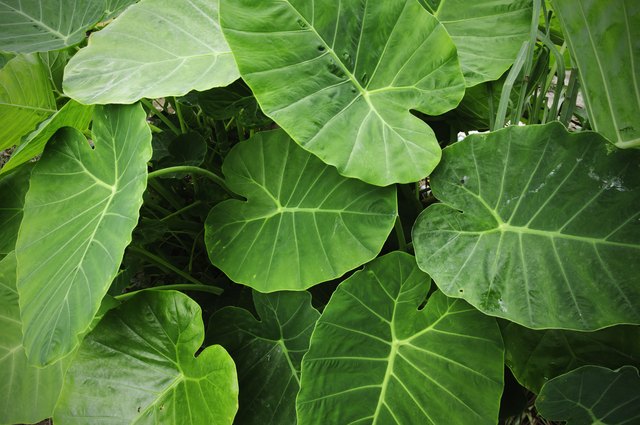

Elephant ear plants are the garden equivalent of showing up to a backyard barbecue in cowboy boots, sunglasses, and a cape. They are dramatic, tropical, slightly ridiculous in the best possible way, and absolutely capable of turning a plain Texas corner into something that looks like a tiny vacation resort. With leaves that can grow as large as serving platters, elephant ears bring instant shade-garden swagger to patios, poolside beds, rain gardens, and big containers.
But growing elephant ear plants in Texas is not exactly the same as growing them in a misty tropical paradise where the soil stays moist and the sun behaves politely. Texas gives gardeners heat, wind, clay soil, surprise cold snaps, drought periods, humidity in the east, dry air in the west, and enough microclimates to make a plant question its life choices. The good news is that elephant ears can thrive across much of the state when you give them the three things they crave most: warmth, moisture, and rich soil.
This guide explains how to grow elephant ear plants in Texas from bulbs, nursery plants, or divisions. You will learn where to plant them, how much sun they can handle, how to water during brutal summers, how to overwinter them, and how to keep them from turning into a leafy neighborhood takeover.
What Are Elephant Ear Plants?
“Elephant ear” is a common name used for several tropical-looking plants, mainly from the genera Colocasia, Alocasia, and Xanthosoma. Gardeners use the name because the huge leaves really do resemble elephant ears, although thankfully they do not trumpet at sunrise.
In Texas landscapes, the most common type is Colocasia esculenta, often called elephant ear or taro. It grows from a corm or tuber-like underground structure and produces large, heart-shaped leaves. Alocasia plants often have more upright, sculptural leaves and usually prefer soil that is moist but not soggy. Colocasia tends to tolerate wetter conditions and is often used near ponds, drainage areas, or low garden spots.
For home gardeners, the exact variety matters because not all elephant ears behave the same way. Some form polite clumps. Others spread by runners and can become aggressive in warm, wet areas. If your garden is near a creek, bayou, pond, drainage ditch, or natural waterway, choose carefully and avoid planting spreading types where they can escape.
Can Elephant Ear Plants Grow Well in Texas?
Yes, elephant ear plants can grow very well in Texas, especially in Central, East, South, and Gulf Coast regions. Most elephant ears love warm weather, and Texas supplies that with enthusiasm. In USDA Zones 8 through 10, many elephant ears can return year after year if the corms are protected from freezing temperatures. In colder parts of North Texas, the Panhandle, or higher-elevation areas, gardeners may need to mulch heavily or lift and store the bulbs over winter.
The main challenge is not whether elephant ears can grow in Texas. The real question is whether you can keep them hydrated without drowning them, shaded without starving them of light, and protected from the afternoon sun when summer decides to behave like a hair dryer.
Best Elephant Ear Varieties for Texas Gardens
Colocasia esculenta
This is the classic green elephant ear. It grows fast, loves moisture, and creates a lush tropical effect. It is excellent for large garden beds, wet spots, and oversized containers. However, it can spread in favorable conditions, so keep it away from natural waterways and monitor its growth.
Colocasia ‘Black Magic’
This variety has dark purple to nearly black leaves and looks fantastic against bright green plants, chartreuse sweet potato vine, or light-colored walls. It appreciates moisture and can handle heat, but in very hot Texas areas, afternoon shade keeps the leaves looking richer and less crispy.
Colocasia ‘Illustris’
Known for dark leaves with green veining, ‘Illustris’ adds a moody, high-contrast look. It is great for containers where you can control soil moisture and prevent wandering runners from staging a garden coup.
Alocasia macrorrhizos
This upright elephant ear has a bold architectural shape. It is ideal for patios, tropical borders, and entryways. Unlike some Colocasia, it generally prefers well-drained soil and does not want to sit in muddy conditions for long periods.
Where to Plant Elephant Ear Plants in Texas
The best planting location depends on your Texas region. In East Texas and along the Gulf Coast, elephant ears may tolerate more sun because humidity is higher and rainfall is more generous. In Central Texas, Dallas-Fort Worth, San Antonio, and West Texas, afternoon shade is often the difference between giant tropical leaves and sad potato chips on stems.
Look for a spot with morning sun and afternoon shade. A location under high tree branches, beside a fence, near a porch, or on the east side of a house is often ideal. Elephant ears can grow in full sun if they receive enough water, but in Texas heat, full afternoon sun can scorch leaves, especially on dark-leaved or newly planted varieties.
Wind protection also matters. Those giant leaves are beautiful, but they behave like sails during storms. Strong Texas winds can shred the foliage. Plant them where a fence, wall, shrub border, or structure can block the worst gusts.
Soil Preparation: Give Them Rich, Moist Ground
Elephant ears grow best in fertile, humus-rich soil that holds moisture while still allowing oxygen to reach the roots. That sentence sounds simple until you meet Texas soil, which may be sticky black clay, rocky limestone, sandy Gulf Coast soil, or compacted builder-grade “mystery dirt.”
Before planting, loosen the soil 10 to 12 inches deep and mix in compost, aged manure, leaf mold, or high-quality organic matter. This improves drainage in clay soil and helps sandy soil hold more water. If your soil is heavy clay, avoid planting elephant ears in a low spot that stays waterlogged during winter. Moist is good. Swampy and stagnant is not always good, especially for Alocasia.
If your plants struggle despite watering and feeding, consider a soil test. Texas soils can be alkaline, low in organic matter, or imbalanced in nutrients. A soil test helps you avoid guessing, which is excellent because plants rarely appreciate fertilizer roulette.
How to Plant Elephant Ear Bulbs in Texas
Plant elephant ear bulbs after the danger of frost has passed and the soil has warmed. In much of Texas, this is usually spring, but timing varies. South Texas gardeners may plant earlier, while North Texas and Panhandle gardeners should wait until nights are reliably warm.
Choose firm, healthy bulbs or corms. Avoid any that are mushy, moldy, or shriveled. Plant the bulb about 2 to 4 inches deep, depending on its size, with the growing point facing upward. If you are not sure which side is up, plant it sideways. Nature is surprisingly good at finding the exit.
Space large varieties 3 to 5 feet apart. Small varieties can be planted closer, especially in containers. After planting, water thoroughly and keep the soil evenly moist. Sprouting may take several weeks, so do not panic if nothing happens immediately. Elephant ears are not late; they are making an entrance.
Watering Elephant Ears During Texas Heat
Water is the secret to big elephant ear leaves. These plants are thirsty during active growth, especially from late spring through early fall. In Texas summers, container-grown elephant ears may need water daily, while in-ground plants may need deep watering several times a week depending on rainfall, soil type, and sun exposure.
The goal is consistent moisture. Do not let the soil dry out completely during hot weather. Dry soil leads to wilting, browning leaf edges, and slow growth. On the other hand, constantly soggy soil with poor drainage can cause rot, especially in pots without drainage holes.
Water deeply at the base of the plant in the morning. This helps moisture reach the root zone before the hottest part of the day and reduces evaporation. Drip irrigation or a soaker hose works beautifully. Overhead watering is not the end of the world, but wet leaves plus poor airflow can invite disease.
Mulching: The Texas Gardener’s Best Friend
A 2- to 4-inch layer of organic mulch helps elephant ears survive Texas heat by conserving soil moisture, moderating soil temperature, and suppressing weeds. Use shredded bark, pine straw, composted leaves, or wood chips. Keep mulch a few inches away from the crown of the plant to prevent rot.
Mulch is especially helpful in Central and North Texas, where summer heat can bake exposed soil into something resembling pottery. It is also useful in containers. A thin mulch layer on top of large pots helps reduce water loss and keeps roots cooler.
Fertilizing Elephant Ear Plants
Elephant ears are heavy feeders. If you want huge leaves, feed them during the growing season. Use a balanced slow-release fertilizer in spring, then supplement with liquid fertilizer every few weeks during active growth if the plant looks hungry.
Signs your elephant ear may need nutrients include pale leaves, slow growth, and smaller-than-expected foliage. However, do not overdo it. Too much fertilizer, especially in dry soil, can burn roots. Always water before and after applying fertilizer, and follow label directions. Your plant wants dinner, not a chemical buffet.
Growing Elephant Ears in Containers in Texas
Containers are one of the best ways to grow elephant ear plants in Texas. Pots let you control soil, moisture, placement, and winter protection. They also help prevent spreading varieties from wandering into places they were never invited.
Choose a large container with drainage holes. A pot at least 18 to 24 inches wide is a good starting point for many varieties, while giant types may need even larger containers. Use a rich, moisture-retentive potting mix, not heavy garden soil. Add compost if the mix is too light, but make sure water can still drain.
Place containers where they get morning sun and afternoon shade. During extreme heat, move pots to a more protected location if leaves begin to scorch. Container plants dry out faster than in-ground plants, so check them often. In July and August, a potted elephant ear on a sunny patio can go from fabulous to fainting in one afternoon.
Managing Pests and Problems
Brown Leaf Edges
Brown edges usually mean the plant is getting too much sun, too little water, too much wind, or a combination of all three. Move containers to brighter shade, increase deep watering, and add mulch around in-ground plants.
Yellow Leaves
Older leaves naturally yellow and die as new growth appears. But widespread yellowing can signal overwatering, poor drainage, nutrient deficiency, or cold stress. Check the soil before adding more water.
Spider Mites
Spider mites can appear during hot, dry weather, especially on stressed plants. Look for speckled leaves, dull foliage, or fine webbing on the undersides of leaves. Rinse leaves with water and use insecticidal soap if needed.
Slugs and Snails
In humid parts of Texas, slugs and snails may chew holes in tender leaves. Reduce hiding places, avoid excessive moisture around debris, and handpick pests in the evening. Use the least toxic control options first and always follow product labels.
Root Rot
Root rot happens when soil stays wet without enough oxygen. It is more common in containers without drainage or in heavy clay during cool weather. Use well-draining soil, avoid letting pots sit in saucers of water, and reduce watering when growth slows.
Are Elephant Ear Plants Toxic?
Yes. Elephant ear plants contain calcium oxalate crystals that can irritate the mouth, throat, skin, and digestive system if chewed or ingested. Keep them away from curious children, dogs, cats, and livestock. Wear gloves when cutting leaves or dividing corms if your skin is sensitive.
This does not mean you cannot grow them. It simply means they should be placed thoughtfully. A container on a patio corner may be safer than a plant right beside a toddler’s play area or a dog’s favorite investigation zone.
Are Elephant Ears Invasive in Texas?
This is important: some elephant ears, especially Colocasia esculenta, can spread aggressively in warm, wet regions and have naturalized in parts of Texas. They are most concerning near rivers, creeks, lakes, bayous, wetlands, and drainage areas where plant pieces can move with water.
If you garden near natural water, choose clumping varieties, grow elephant ears in containers, and never dump unwanted bulbs or plant pieces into wild areas. Dispose of extra corms responsibly. A plant that looks gorgeous in your yard can become a problem when it escapes into native habitat.
How to Overwinter Elephant Ears in Texas
In South Texas and the Gulf Coast, elephant ears may stay in the ground year-round, especially with mulch. In Central Texas and parts of North Texas, they may die back after frost and return in spring if the corms survive. In colder areas, lifting and storing the bulbs is safer.
After frost damages the foliage, cut the stems back to a few inches. If leaving bulbs in the ground, cover the area with a thick layer of mulch. If lifting them, dig carefully, shake off excess soil, let the corms cure in a dry, airy place, and store them in peat moss, dry potting mix, or vermiculite in a cool, dark location. Check them occasionally for rot or shriveling.
For container-grown plants, you can move the pot into a garage, greenhouse, or bright indoor spot before freezing weather. Reduce watering while the plant is dormant or semi-dormant. When warm weather returns, gradually reintroduce light and water.
Texas Region-by-Region Growing Tips
North Texas
Plant after frost danger has passed and use mulch for winter protection. Afternoon shade is strongly recommended. In colder winters, lift bulbs or grow in containers that can be moved indoors.
Central Texas
Provide morning sun, afternoon shade, compost-rich soil, and steady irrigation. Limestone soils may be alkaline, so compost and soil testing can improve results. Protect plants from hot wind.
East Texas
Humidity and rainfall make East Texas friendly to elephant ears, but watch for spreading growth, slugs, snails, and overly wet winter soil. Keep plants away from natural waterways.
South Texas and the Gulf Coast
Elephant ears can grow vigorously in warm, humid conditions. They may remain perennial with minimal winter damage. Monitor their spread and use containers where control is important.
West Texas and the Panhandle
Dry air, wind, and cold winters make elephant ears more demanding. Grow them in large containers, provide afternoon shade, water consistently, and overwinter indoors or in protected storage.
Best Companion Plants for Elephant Ears
Elephant ears pair beautifully with cannas, caladiums, coleus, sweet potato vine, gingers, ferns, ornamental grasses, and begonias. For a bold Texas patio container, combine a dark-leaved elephant ear with lime-green sweet potato vine and bright coleus. For a shady bed, use elephant ears as the backdrop and plant caladiums or ferns in front.
In poolside landscapes, elephant ears add a tropical feel without needing flowers. Their foliage does the talking. Actually, it does the shouting. Very politely, of course.
Common Mistakes to Avoid
The biggest mistake is planting elephant ears in full afternoon Texas sun without enough water. The second biggest mistake is putting them in a tiny pot and expecting jungle-sized leaves. The third is ignoring their potential to spread in wet areas.
Avoid planting too early in cold soil. Do not let containers dry out completely. Do not fertilize heavily when the plant is drought-stressed. Do not assume every elephant ear wants boggy soil. And please, do not plant spreading types beside a creek unless your long-term landscaping goal is “oops.”
Experience-Based Tips for Growing Elephant Ear Plants in Texas
One of the most useful lessons about growing elephant ear plants in Texas is that they are honest plants. They do not suffer quietly. If they are thirsty, they droop like they just heard property taxes went up. If they are getting scorched, the leaf edges brown. If the soil is too cold, they sit there doing absolutely nothing, as if waiting for a written apology from spring. This dramatic behavior is actually helpful because it tells you what to fix.
In a typical Texas yard, the best results often come from planting elephant ears where they receive gentle morning sun and filtered afternoon shade. A spot on the east side of a house is a classic winner. The plant gets enough light to build large leaves, but it avoids the punishing late-day heat that can turn foliage crispy. Under high shade trees can also work, as long as the shade is bright and the tree roots are not stealing every drop of moisture.
For clay soil, compost is not optional; it is the peace treaty between your plant and the ground. Mixing compost into the planting area helps clay hold moisture more evenly while improving airflow around roots. In sandy areas, compost helps the soil act less like a pasta strainer. Either way, organic matter is the quiet hero behind those giant leaves.
Containers are especially practical for Texas gardeners who want control. A large pot lets you move the plant during heat waves, protect it from cold snaps, and keep spreading varieties contained. The trick is to go bigger than you think. A small pot dries quickly and limits growth. A large pot with good drainage gives the plant room to build a strong root system. Add mulch on top of the potting mix, and you will water less often.
During July and August, watering should be based on soil moisture, not a calendar. Some days a container may need water twice; other days, after rain, it may need none. Push a finger into the soil. If the top couple of inches are dry and the plant is actively growing, water deeply. Shallow splashes encourage shallow roots. Deep watering builds resilience, which is important when the forecast looks like the sun is personally offended by your garden.
Another practical tip is to remove tired leaves promptly. Old yellow leaves are normal, but leaving them to collapse around the plant can invite pests and make the garden look neglected. Cut them near the base with clean pruners. This keeps the plant tidy and directs attention to fresh growth.
Finally, be realistic about winter. In mild Texas winters, elephant ears may return easily. In colder years, even established clumps can struggle. If a plant is special, rare, expensive, or emotionally important because you named it “Big Earl,” lift a backup corm or grow one in a movable container. Texas weather has a sense of humor, but gardeners do not always find it funny.
Conclusion
Growing elephant ear plants in Texas is all about matching tropical ambition with Texas reality. Give them warm soil, rich organic matter, regular moisture, afternoon shade, and room to show off. Protect them from harsh wind, manage pests early, and plan for winter based on your region. In return, elephant ears will reward you with enormous leaves that make patios, shade beds, and poolside gardens feel lush, cool, and just a little bit theatrical.
Whether you grow them in the ground or in oversized containers, elephant ears are a bold choice for Texas gardeners who want instant drama without waiting ten years for a tree to mature. Treat them well, keep them contained where needed, and they will bring tropical charm to the Lone Star State one giant leaf at a time.
Note: Before planting elephant ears near creeks, ponds, drainage ditches, bayous, or natural wetlands in Texas, choose non-spreading varieties or grow them in containers. Some types can escape cultivation in warm, wet areas, so responsible planting is part of good gardening.