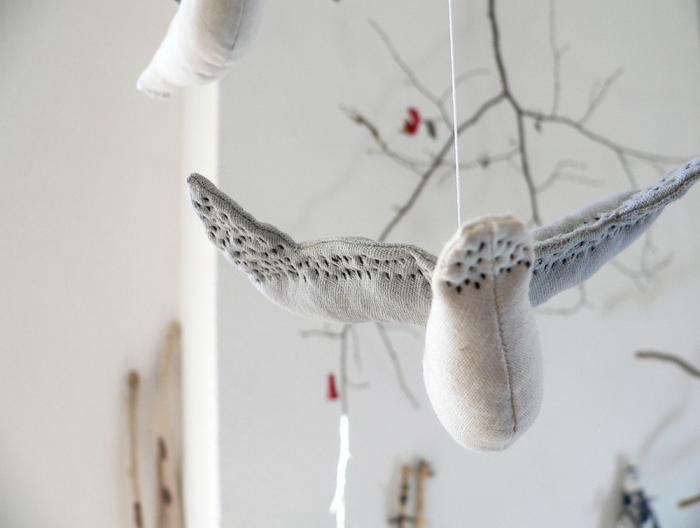

Some nursery decorations shout. Others gently glide. Flight of the Seagulls: An Elegant Kids Mobile belongs to the second group: a graceful, coastal-inspired hanging mobile that brings movement, imagination, and a little sea-breeze poetry into a child’s room without turning the nursery into a souvenir shop with a crib.
Inspired by the simple beauty of gulls in motion, this kind of kids mobile works because it does more than fill empty air. It creates a visual focal point, adds softness to the room, encourages early observation, and gives parents one more reason to stand in the doorway and say, “Yes, I did choose well.” Whether you are designing a baby nursery, refreshing a toddler’s bedroom, or hunting for a thoughtful baby shower gift, an elegant seagull mobile offers that rare mix of art, calm, and childlike wonder.
And let’s be honest: seagulls have range. On the beach, they may steal your fries with the confidence of tiny winged criminals. In a nursery mobile, however, they become serene, sculptural, and unexpectedly chic. That is the magic of good design.
What Makes a Seagull Kids Mobile So Appealing?
A nursery mobile has always been a small object with a surprisingly big job. It adds decoration, introduces gentle movement, and gives babies something visually interesting to notice. A seagull mobile takes that idea and gives it a coastal twist. Instead of bright plastic animals or noisy cartoon figures, it uses the quiet silhouette of birds in flight to create an airy, elegant scene.
The best versions are simple: two or more birds suspended from thin cord, arranged so they appear to float above the crib, changing table, reading corner, or play nook. Their wings may be made from fabric, paper, felt, wood, or lightweight molded material. The shape matters more than the complexity. A good seagull mobile should feel like a sketch in the sky.
This is why design lovers are drawn to mobiles such as the Kamomé-style seagull mobile, which has been featured in design-focused nursery roundups. The appeal is not loud novelty. It is restraint. The birds look playful enough for children but polished enough for adults who would rather not live inside a primary-color explosion.
The Design Story: Coastal, Minimal, and Full of Movement
Coastal nursery decor can go wrong quickly. One minute you are choosing a soft blue blanket; the next, there is a giant anchor decal, six rope baskets, a lighthouse lamp, and a decorative sign that says “Ahoy, Baby!” in distressed lettering. A seagull mobile offers a better path: subtle nautical charm without the theme-party overload.
A Soft Coastal Palette
Seagulls naturally fit into calming color schemes. Their classic white, gray, cream, and soft-blue tones pair beautifully with modern nursery colors such as warm white, pale oak, misty blue, sand beige, and muted sage. These shades make the room feel peaceful while still giving it personality.
For a bright nursery, a white seagull mobile can soften the space. For a neutral nursery, pale gray wings or small blue details add interest without shouting for attention. For a beach house or coastal family home, it can connect the nursery to the landscape outside. Even in an apartment miles from the ocean, it creates the feeling of open air and gentle horizons.
Movement Without Chaos
A mobile’s movement is part of its charm. Unlike static wall art, a hanging mobile changes with air currents. It turns slowly, casts delicate shadows, and feels different throughout the day. For children, this motion can be fascinating. For parents, it adds life to the room without adding clutter to the floor, which is always a win. Babies bring enough clutter. They arrive small and somehow require the storage capacity of a touring theater company.
The flight pattern of a seagull mobile is especially lovely because the subject already suggests motion. The birds look as if they are gliding over invisible waves. That natural sense of movement makes the mobile feel intentional rather than decorative for decoration’s sake.
Why Mobiles Matter in a Child’s Room
Nursery mobiles are not just pretty objects. Infant-development experts often note that babies gradually learn to focus on faces, nearby objects, movement, and high-contrast visuals during their first months. A mobile can support this natural curiosity when it is used safely and appropriately.
In the earliest months, babies see best at close range and are drawn to simple shapes and contrast. As their vision develops, they become better at following moving objects with their eyes. A mobile with clear shapes, gentle movement, and uncluttered design can become part of that visual world. It should never replace face-to-face interaction, tummy time, reading, or play, but it can be a beautiful supporting character in the nursery cast.
Visual Tracking and Early Curiosity
Visual tracking is the ability to follow a moving object with the eyes. A slow-moving mobile can invite a baby to practice looking, focusing, and noticing. A seagull mobile works especially well because bird shapes are recognizable but not overly busy. Large wings, clean outlines, and a calm color palette make it easier for the eye to follow.
For toddlers and older kids, the value shifts from visual development to storytelling. A mobile becomes part of the room’s imaginary landscape. Those birds might be flying to a lighthouse, chasing clouds, visiting a faraway island, or keeping watch over a stuffed whale named Mr. Splash. Children are excellent at assigning jobs to decorative objects. Adults call it design. Kids call it “the birds are going to breakfast.”
Safety First: How to Use a Kids Mobile the Smart Way
A kids mobile may be elegant, but it is still a hanging object in a child’s room. Safety should come before style, even if the mobile looks like it was personally approved by a tiny Scandinavian architect.
The safest sleep guidance is consistent: a baby’s crib should remain clear of loose blankets, pillows, stuffed toys, bumpers, and soft items. A mobile should never be inside the crib, attached loosely, or low enough for a baby to grab. It should be installed securely and placed out of reach. Once a baby begins pushing up, sitting, or reaching, parents should remove or relocate the mobile.
Where to Hang a Seagull Mobile
The best placement depends on the age of the child and the layout of the room. Above a changing table, a mobile can give a baby something interesting to look at during diaper changes. Above a reading nook, it can become a dreamy decorative accent. Near a window, it can catch gentle light, though it should never interfere with blinds, curtains, or cords.
If you hang a mobile near a crib, keep it well out of reach and inspect it often. Check the ceiling hook, cord, knots, clips, and individual birds. If any part loosens, frays, cracks, or breaks, remove it immediately. A mobile should be light, secure, and simple. Heavy ornaments are not charming when gravity gets involved.
Materials to Choose
For a child’s room, lightweight materials are usually best. Fabric, felt, paper, thin wood, and soft sculptural materials can all work well when they are securely assembled. Avoid tiny detachable parts, sharp edges, long loose strings, glitter that sheds, or anything that looks as if it could become a choking hazard.
If buying a mobile, read the product description carefully. Look for age guidance, safety notes, installation instructions, and material details. If making one yourself, use strong knots, secure fasteners, and child-safe finishes. Handmade can be wonderful, but “I eyeballed it while holding coffee” is not a construction standard.
How to Style “Flight of the Seagulls” in a Nursery
The beauty of a seagull kids mobile is that it can suit several nursery styles. It is not limited to beach houses or ocean-themed rooms. Because the design is based on form and motion, it adapts easily.
Modern Coastal Nursery
For a modern coastal nursery, pair the mobile with pale wood furniture, linen curtains, a soft blue rug, and white walls. Add a woven basket for toys and one framed ocean print. Stop there. The goal is “fresh sea air,” not “gift shop at pier 7.”
Minimalist Baby Room
In a minimalist baby room, let the mobile be the main decorative element. Choose a version with clean white or gray birds and hang it against a warm neutral wall. Add a simple crib, a low bookshelf, and one cozy chair. The result feels calm, open, and practical.
Nature-Inspired Kids Room
For a nature-inspired room, combine the seagull mobile with other gentle outdoor references: cloud pillows, wave-pattern bedding, wooden animals, or a soft mural of sky and sea. Keep the colors muted so the room feels restful rather than busy.
Shared Sibling Space
A seagull mobile can also work in a shared room because it is not overly babyish. Older siblings may appreciate the bird theme, especially if the room includes books about oceans, migration, weather, or animals. It grows better with children than many infant decorations, which often age out faster than a newborn onesie.
Buying vs. DIY: Which Is Better?
Both options can be excellent. Buying a finished mobile is ideal if you want professional craftsmanship, consistent balance, and a polished look. A handmade designer mobile can feel like a small piece of art and may last long enough to become a keepsake.
DIY is a good choice if you enjoy crafting, want a custom color palette, or need a budget-friendly nursery project. A simple seagull mobile can be made from sturdy paper, felt, or lightweight fabric. The trick is to keep the design clean and the construction secure.
Simple DIY Seagull Mobile Idea
Start with three or five bird shapes in different sizes. Use white felt or heavy cardstock for the wings and pale gray accents for the body. Attach each bird to a wooden hoop, branch, or lightweight crossbar using strong thread. Vary the hanging lengths slightly so the birds appear to be flying at different heights. Before hanging, test the balance and make sure every piece is firmly attached.
For a more refined look, use fewer birds and more negative space. The air around the mobile is part of the design. Resist the urge to add shells, stars, clouds, boats, bells, beads, flags, and one tiny crocheted crab named Captain Pinchy. Editing is your friend.
Gift Potential: Why It Makes a Memorable Baby Present
A seagull kids mobile makes a thoughtful gift because it feels personal without being too specific. It works for boys’ rooms, girls’ rooms, gender-neutral nurseries, beach-loving families, minimalist parents, and anyone who appreciates design with a soft story behind it.
Unlike diapers, which are useful but not emotionally poetic, a mobile can become part of family memory. Parents may remember hanging it before the baby arrived. Children may later recognize it in photos. It can move from nursery to playroom, then perhaps to a reading corner. The best nursery pieces do not simply decorate a room; they become part of the household’s visual history.
How to Keep the Mobile Looking Beautiful
Care depends on the material. Fabric and felt mobiles may need gentle dusting with a soft cloth or a low-suction vacuum attachment. Paper mobiles should be kept away from moisture and direct blasts of air. Wooden mobiles may need occasional wiping with a dry cloth. Avoid harsh cleaning sprays, especially in a baby’s room.
Inspect the mobile regularly. Make sure strings are not fraying, knots remain tight, and hanging hardware is secure. If the mobile hangs in sunlight, expect some fading over time. A little soft fading can be charming, but sagging, tearing, or loose pieces are signs that it is time to repair or retire the mobile.
Experience: Living With a Seagull Mobile in a Child’s Room
There is something surprisingly emotional about hanging a mobile before a baby arrives. The room may still be too clean, too quiet, and too organizedbasically science fiction for anyone who has met a real childbut the mobile makes the space feel alive. A seagull mobile, in particular, brings a sense of calm movement that is hard to create with ordinary wall art.
In daily life, the mobile becomes part of small routines. During diaper changes, a baby may stare upward at the birds as they shift slightly in the air. During quiet mornings, sunlight may pass across the wings and cast faint shadows on the wall. In the evening, when the room is dim and everyone is moving at half speed, the mobile can feel like a tiny sky above the nursery.
Parents often underestimate how much they will look at nursery decor themselves. Babies may be the official audience, but adults spend plenty of time in that room: rocking, feeding, folding tiny laundry, searching for pacifiers, and wondering how one small person can produce so many socks with no matching partner. A beautiful mobile gives the grown-ups something peaceful to notice too.
As children grow, the mobile’s role changes. A toddler might point to the birds and ask where they are going. That opens the door to stories: maybe they are flying over the ocean, visiting a lighthouse, looking for fish, or carrying secret messages to the moon. The object becomes a prompt for imagination. It is not just decor anymore; it is a conversation starter.
One practical experience worth sharing is that less is better. A room with too many hanging objects can feel visually noisy, especially when paired with patterned bedding, colorful toys, and wall art. A seagull mobile is most effective when it has room to breathe. Hang it where it can be seen clearly, not where it competes with shelves, curtains, lamps, and a mountain of plush animals conducting a silent coup.
Another lesson: placement matters more than people think. Above a changing table, the mobile becomes useful during real parenting moments. Near a reading chair, it becomes atmospheric. Above a crib, it must be treated with extra caution and removed once the baby becomes more mobile. The most beautiful nursery is still a room for a real child, so every design decision should respect safety, reach, and movement.
Over time, a seagull mobile can become one of those objects families keep even after the nursery stage ends. It may be packed away with first shoes, hospital bracelets, or favorite baby blankets. It may move into a playroom or hang near a child’s bookshelf. Its elegance helps it survive changing tastes. Dinosaurs may replace whales, trucks may replace clouds, and suddenly someone may demand a room painted “space volcano green,” but birds in flight still feel timeless.
The best experience of all is the atmosphere it creates. A well-made seagull kids mobile gives a room a gentle sense of travel and openness. It suggests sky, sea, and possibility. It reminds parents that children’s spaces can be playful without being chaotic, sweet without being sugary, and elegant without being stiff. That is a rare little design victoryand in parenthood, we take those wherever we can find them.
Conclusion: A Small Mobile With Big Nursery Charm
Flight of the Seagulls: An Elegant Kids Mobile is more than a decorative nursery accessory. It is a graceful blend of art, movement, coastal style, and childhood imagination. With its soft bird shapes and airy design, a seagull mobile can bring calm beauty to a baby nursery, toddler room, or reading corner while still feeling sophisticated enough for design-conscious parents.
The key is to choose or create one thoughtfully. Prioritize secure construction, safe placement, lightweight materials, and a design that complements the room instead of overwhelming it. Whether purchased from a skilled maker or crafted by hand, the right seagull mobile can make a child’s space feel open, dreamy, and quietly magical.
Note: This article is written for web publication and synthesizes real design, nursery safety, infant vision, and child-room decor guidance. Always follow current product instructions and child-safety recommendations when installing any hanging item in a nursery.