
Note: This article is written for web publishing in standard American English and is based on synthesized public information about community photo prompts, online humor, photography mistakes, social sharing behavior, and digital privacy best practices.
When Bad Photos Become Internet Gold
Every phone gallery has a forbidden zone. It is usually hiding between the sunset pictures, the birthday cake photos, and the one screenshot you saved “for later” in 2021. Inside that zone lives the worst photo: the blurry selfie, the accidental chin collection, the pet picture where the dog looks like a cryptid, or the family snapshot where everyone blinked except Uncle Steve, who somehow looks like he is negotiating with aliens.
That is exactly why a prompt like “Hey Pandas Show Us Your Worst Photo” works so well online. It turns visual disaster into community entertainment. Instead of chasing the perfect angle, flawless lighting, and polished social media aesthetic, people are invited to share the gloriously imperfect side of life. The result is funny, relatable, and strangely comforting. After all, a bad photo says, “I am human,” while a perfect photo says, “I own a ring light and possibly a small production crew.”
Online communities love these prompts because they lower the pressure to perform. Anyone can join. You do not need professional photography gear, a scenic mountain, or a golden retriever trained to pose beside artisanal coffee. All you need is one photo so bad it loops back around to being wonderful.
What Does “Hey Pandas Show Us Your Worst Photo” Mean?
The phrase follows the familiar community-post style popularized by user-submission platforms and humor websites. “Hey Pandas” is a friendly call to readers, inviting them to participate rather than passively scroll. In this case, the challenge is simple: share the worst photo you are willing to show the internet.
But “worst” does not always mean ugly or embarrassing in a painful way. It might mean technically terrible, accidentally hilarious, poorly timed, oddly framed, or emotionally chaotic. A worst photo can include:
- A pet mid-sneeze looking like it just heard the secrets of the universe.
- A vacation shot where the landmark is perfect but your thumb covers half the sky.
- A selfie taken from the mysterious “security camera under the chin” angle.
- A group photo where one person is smiling, one is blinking, one is leaving, and one appears to be summoning rain.
- A food picture that makes dinner look like evidence from a science lab.
The charm is not in technical excellence. The charm is in the story. Bad photos often capture the moment behind the moment: the chaos before the pose, the laugh after the mistake, the dog refusing to cooperate, the wind attacking everyone’s hairstyle, or the camera deciding that the background trash can deserves artistic priority.
Why People Love Sharing Bad Photos
1. Bad Photos Are Relatable
Perfect photos can be beautiful, but they can also feel distant. A flawless influencer-style image may earn likes, but a bad photo earns comments like, “This is me every Monday,” or “I have never felt more represented.” That kind of connection is powerful because it feels honest.
Social media often rewards polished versions of life. We crop, filter, brighten, smooth, and retake until reality looks like it has a sponsorship deal. A worst-photo challenge pushes in the opposite direction. It says: show the blooper reel. Show the picture where your cat looks offended by oxygen. Show the photo where your friend tried to jump and became a blurry floating sock.
2. Humor Makes Embarrassment Safer
Lighthearted embarrassment can become easier to handle when people laugh with us instead of at us. A silly photo shared in the right context creates a playful social contract: “I know this is ridiculous, and that is the point.” When the tone is kind, the awkwardness becomes entertainment rather than humiliation.
This is why bad-photo threads often feel warmer than they sound. They are not about mocking people cruelly. The best ones celebrate harmless imperfection. Everyone gets to admit, “Yes, my camera roll has betrayed me too.”
3. Imperfection Feels Refreshing
There is something refreshing about seeing photos that have not been polished until they squeak. A crooked horizon, a weird shadow, a blurry hand, or a confused facial expression can make an image feel more alive. Not every photo has to belong in a gallery. Some belong in a group chat with the caption, “I cannot explain what happened here.”
Common Types of “Worst Photos” People Share
The Accidental Selfie
This category includes the legendary camera-opened-by-mistake photo. It usually features one nostril, a ceiling fan, and the facial expression of someone discovering taxes. Accidental selfies are funny because they reveal the camera at its least flattering and most honest. Nobody is ready. Nobody is angled. The phone simply attacks.
The Pet Chaos Photo
Pets are professional ruiners of perfect photography. Dogs move at the exact moment you press the button. Cats stare into the lens like disappointed landlords. Hamsters blur into beige comets. Birds turn their heads and become tiny judgmental dinosaurs. A pet’s worst photo is often better than its best one because it shows personality, not obedience.
The Vacation Fail
Vacation photos come with high expectations. You traveled, planned, sweated through airport lines, and finally reached the perfect scenic view. Then the photo comes out with closed eyes, wind hair, harsh sunlight, a stranger’s elbow, or a background sign that accidentally says something deeply unhelpful. Vacation fails are hilarious because the effort was so serious and the result was so unserious.
The Food Photo That Should Apologize
Food photography is harder than it looks. Without natural light, clean framing, and the right angle, a delicious meal can look like a haunted casserole. Sauces become suspicious. Soup becomes swamp. Melted cheese becomes a medical concern. Many people have taken a picture of dinner and immediately thought, “I promise it tasted better than this crime scene suggests.”
The Group Photo Disaster
Group photos are social experiments disguised as memories. Someone blinks. Someone talks. Someone looks in the wrong direction. Someone crouches too low and disappears. Someone’s child flees the frame. The photographer says, “One more,” seventeen times. The final image is not perfect, but it is usually funnier than the polished version.
What Makes a Bad Photo Funny Instead of Just Bad?
A bad photo becomes funny when it has surprise, timing, contrast, or a story. A blurry picture of a wall is boring. A blurry picture of your dog launching across the living room while your family calmly eats dinner is art. The difference is context.
Here are the ingredients that often turn a bad photo into a memorable one:
- Unexpected timing: The photo catches the half-second nobody meant to preserve.
- Visual contradiction: The subject looks serious while something ridiculous happens nearby.
- Awkward framing: The camera focuses on the wrong object in a way that becomes unintentionally comic.
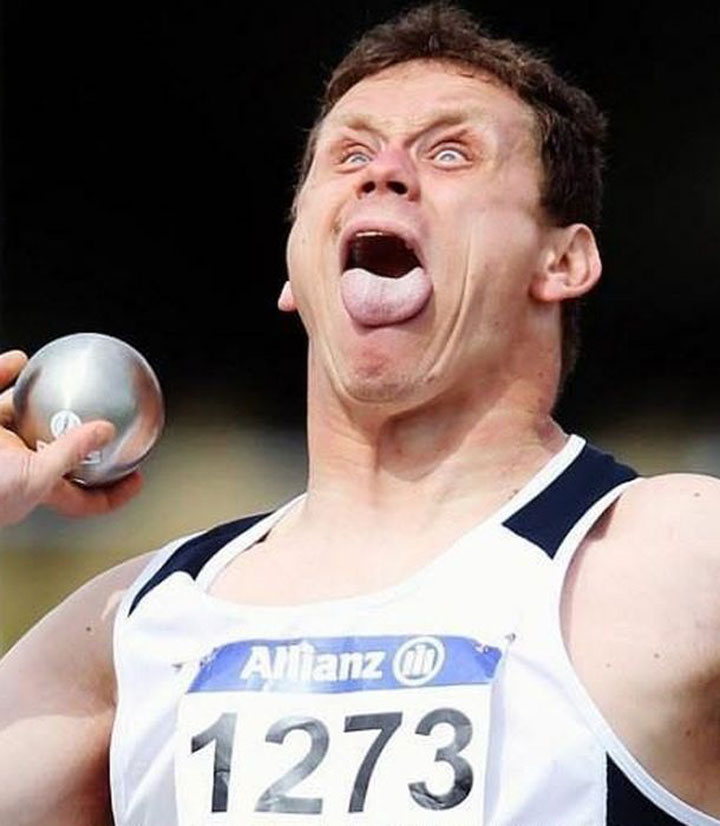
- Human expression: Confusion, surprise, panic, fake confidence, and total defeat all photograph beautifully.
- A strong caption: Sometimes the caption turns a confusing image into a tiny comedy scene.
For example, a photo of a birthday cake on the floor is sad. A photo of a birthday cake on the floor while a dog in the background looks both guilty and proud is comedy. The story completes the image.
Photography Lessons Hidden Inside Terrible Pictures
Oddly enough, your worst photo can teach you more than your best one. A great picture makes you say, “Nice.” A terrible picture makes you ask, “What happened, and why does everyone look like they were photographed inside a washing machine?” That question is useful.
Lighting Matters More Than People Think
Bad lighting is responsible for many photo crimes. Harsh overhead light creates deep shadows. Dim indoor light leads to grainy images. Flash can flatten faces and make pets look possessed. Natural window light, open shade, and softer morning or evening light usually create more flattering results.
Focus Is Not Optional
A blurry photo can be artistic, but only when blur is intentional. Most of the time, blur happens because the camera moved, the subject moved, or the shutter speed was too slow. Holding the phone steady, tapping the subject to focus, cleaning the lens, and taking several shots can reduce accidental blur.
Backgrounds Are Sneaky
Many worst photos are ruined by the background. A tree appears to grow out of someone’s head. A laundry pile becomes the true subject. A mirror reveals the photographer standing in a heroic squat. Before taking a photo, scan the edges and background. The best photographers are not just looking at the subject; they are checking everything else trying to photobomb it.
Composition Can Save a Scene
Composition is the arrangement of everything in the frame. Even a casual photo improves when you avoid cutting off feet awkwardly, leave enough space around the subject, keep the horizon level, and remove distractions. A photo does not need to be perfect, but it should know what it is trying to show.
How to Share Your Worst Photo Without Regret
Funny photo challenges are great, but public sharing deserves a little caution. Before uploading a worst photo, ask a few practical questions. Is anyone else in the picture? Would they be okay with it being posted? Does the image reveal a home address, school name, license plate, workplace badge, child’s location, private document, or travel plan? Is the joke harmless?
Online safety matters because photos can reveal more than people realize. Background details, location metadata, uniforms, documents, and recognizable places can all share information unintentionally. A silly photo should not accidentally become a map, ID card, or invitation for strangers to know too much.
Smart Rules Before Posting
- Get permission from people clearly shown in the photo.
- Avoid posting children’s images publicly without careful consideration.
- Crop out addresses, documents, license plates, school names, and work badges.
- Remove location data when possible.
- Do not share intimate, humiliating, or vulnerable images of others.
- Use privacy settings if the photo is meant for friends only.
- Choose humor that is self-aware, not cruel.
The best worst-photo posts make people laugh without making someone feel exposed. A picture of your own blurry face after sneezing? Usually fine. A photo embarrassing someone else without consent? Not so cute. The internet remembers, screenshots travel, and group chats have wings.
Caption Ideas for a Worst Photo Post
A strong caption can turn an average bad photo into a tiny masterpiece. The trick is to keep it short, specific, and playful. Here are some caption ideas for a “Hey Pandas Show Us Your Worst Photo” style post:
- “This was supposed to be elegant. The camera had other plans.”
- “My phone captured my soul leaving my body.”
- “National Geographic rejected this rare creature photo, and honestly, rude.”
- “The lighting said no, the angle said absolutely not.”
- “Proof that confidence and camera quality are unrelated.”
- “My dog moved so fast he became a rumor.”
- “I paid for the vacation. The wind directed the photo shoot.”
- “Some memories are blurry because they are trying to escape.”
- “This photo has been living rent-free in my camera roll.”
- “I showed up. The pixels did not.”
Why Worst-Photo Challenges Build Community
Community prompts work because they create an easy entry point. People may hesitate to share serious art, personal essays, or polished photography. But a bad photo? That feels approachable. The stakes are low. The humor is immediate. The comment section becomes a place where people trade stories instead of compete for perfection.
These prompts also invite nostalgia. Many worst photos come from old cameras, school events, early smartphones, family albums, or childhood phases best described as “experimental.” Looking back at those images can be cringe-worthy, but it can also be affectionate. The bad haircut, the weird pose, the dramatic filter, the glitter shirt, the unexplainable duck facethese are artifacts of becoming a person.
In a digital world obsessed with presentation, sharing a bad photo is a small rebellion. It says life is not always curated. Sometimes it is blurry. Sometimes the flash goes off. Sometimes your pet looks like a demon in a Renaissance painting. And sometimes that is exactly what everyone needed to see.
How to Take Better Bad Photos on Purpose
Here is the funny twist: once people start enjoying bad photos, they often try to create them intentionally. This can be its own creative challenge. The goal is not to humiliate anyone or produce low-quality junk. The goal is to capture playful imperfection.
Use Motion
Ask a friend to jump, spin, dance, or toss their hair. Pets and kids already understand this assignment spiritually. Motion creates blur, strange shapes, and unexpected expressions. Take several photos quickly and enjoy the chaos.
Try Dramatic Angles
Low angles make people look powerful or deeply cursed. Extreme close-ups turn ordinary faces into abstract landscapes. Tilted angles add confusion. Used playfully, these choices can create photos that are bad in a deliberate, hilarious way.
Let the Background Participate
Sometimes the background is the joke. A serious pose in front of a ridiculous sign, an elegant outfit beside a trash can, or a majestic pet sitting under a wall calendar from three years ago can create comic contrast.
Do Not Overedit
The best worst photos often have raw energy. Heavy filters can make them feel forced. A little cropping or brightness adjustment is fine, but do not polish away the weirdness. The weirdness is the guest of honor.
Experiences Related to “Hey Pandas Show Us Your Worst Photo”
One of the funniest things about worst-photo challenges is how quickly they unlock memories. Almost everyone has a picture they were once tempted to delete but now secretly treasures. The photo may be technically awful, but emotionally priceless. It holds a whole scene inside it: the weather, the laughter, the panic, the person behind the camera yelling, “Wait, do it again!”
Think about the classic family vacation photo. Everyone is standing in front of a landmark. The sun is too bright. Half the group is squinting. Someone’s hat is flying away. A stranger walks behind the family at the worst possible second. At the time, the photo feels ruined. Years later, it becomes the one everyone talks about. The perfect photo shows where you went. The worst photo shows what actually happened.
Pet owners know this experience especially well. You try to take one sweet picture of your cat sleeping peacefully, and the cat opens one eye with the expression of a retired villain. You try to photograph your dog catching a treat, and the result looks like a potato with ears entering another dimension. These images may not win awards, but they become favorites because they show personality. A flawless pet portrait is lovely. A chaotic pet fail is biography.
There is also the unforgettable experience of group-photo failure. Everyone agrees to take a nice picture. The first attempt catches someone blinking. The second attempt catches someone laughing. The third attempt catches someone saying, “Are we done?” The fourth attempt is somehow worse. Eventually, everyone gives up and chooses the least disastrous option. But months later, the worst version is the one that makes the group laugh hardest because it captures the real mood: impatient, affectionate, messy, and alive.
Worst photos can also become confidence boosters. That may sound strange, but sharing a harmless bad picture can remind people that perfection is not required for connection. You do not need to look flawless to be liked. You do not need to control every angle to be funny. Sometimes the most charming thing you can do is admit, “Yes, this photo is terrible, and I am posting it anyway.” That kind of self-humor can make people seem more approachable and authentic.
For photographers, worst photos are private teachers. A picture with bad lighting teaches you to move closer to a window. A blurry shot teaches you to steady your hand. A photo with a distracting background teaches you to scan the frame before pressing the button. A food photo that makes pasta look tragic teaches you that overhead light is not always your friend. Every bad photo contains a small lesson, even if the first lesson is simply, “Clean the lens, genius.”
The best experience, though, is the comment section. When people share bad photos in a friendly community, others usually respond with their own disasters. One person posts a blurry prom picture, another shares a vacation fail, someone else uploads a dog photo so strange it deserves its own folklore. Suddenly, the thread becomes a group scrapbook of imperfection. It is not about who looks best. It is about who has the funniest proof that life refuses to pose nicely.
That is the heart of “Hey Pandas Show Us Your Worst Photo.” It is not just a challenge. It is an invitation to relax. To laugh. To stop treating every image like a personal brand asset. To remember that behind every polished profile are hundreds of deleted attempts, weird angles, accidental screenshots, and photos where someone’s face did something unauthorized. The worst photo is not always the one that failed. Sometimes it is the one that tells the truth best.
Conclusion
“Hey Pandas Show Us Your Worst Photo” celebrates the messy, funny, and deeply human side of photography. In a world where online images are often filtered, staged, and polished to perfection, a bad photo can feel like fresh air. It reminds us that life is not always symmetrical, well-lit, or ready for portrait mode. Sometimes it is blurry, chaotic, poorly framed, and absolutely hilarious.
The best worst photos are not cruel or careless. They are playful snapshots of real life: pets mid-chaos, friends mid-laugh, vacations mid-disaster, and selfies taken from angles that should probably require a warning label. Shared thoughtfully, these images build connection because everyone has been there. Everyone has blinked. Everyone has been betrayed by flash. Everyone has looked at a picture and wondered whether the camera had a personal grudge.
So go aheadopen that camera roll. Find the photo you almost deleted. Check that it is safe and respectful to share. Add a caption. Let the internet enjoy the glorious imperfection. Your worst photo might just become someone else’s favorite laugh of the day.