
Note: This article is written for web publication in standard American English, with a fun editorial tone, practical examples, and SEO-friendly structure.
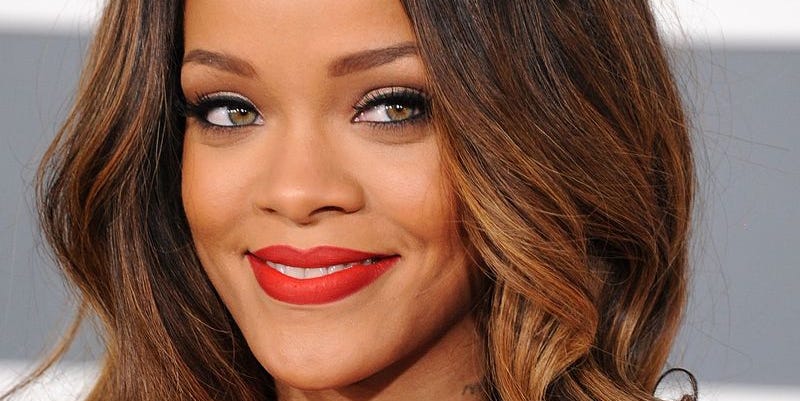
If your hair has been politely whispering “do something” every time you pass a mirror, but your budget is screaming “absolutely not,” allow us to introduce the money piece. Despite the name, it is not a mysterious strand of hair that pays rent. A money piece is a face-framing highlight placed around the front hairline to brighten your complexion, add contrast, and make your overall color look more intentional.
The trend exploded across salons, celebrity photos, TikTok feeds, and “should I cut bangs?” group chats because it offers maximum impact with less commitment than a full head of highlights. In 2022, the money piece became one of the easiest ways to refresh your look without launching a full-blown hair identity crisis. It can be soft and sun-kissed, bold and chunky, blonde, caramel, copper, pastel, or even neon if your personality enters the room before you do.
So, what is a money piece in hair, who should try it, and how do you keep it from turning into two accidental raccoon stripes? Let’s break down the highlight trend that proves a small change can do a lot of heavy lifting.
What Is a Money Piece?
A money piece is a highlighting technique where the front sections of hair around the face are lightened or colored more brightly than the rest of the hair. These pieces usually start near the root or slightly below it and frame the cheekbones, eyes, and jawline. Think of it as contouring, but instead of blending bronzer for 17 minutes, your stylist uses hair color.
The money piece is often created with foils, balayage, babylights, or hand-painted color. The goal is to bring brightness to the front of the hair while keeping the rest of the color dimensional and natural-looking. On brunette hair, that might mean caramel or honey ribbons. On blonde hair, it could be icy, beige, or buttery highlights. On red hair, copper or strawberry tones can create a glowing effect. On black hair, a bold blonde or fashion-color streak can look dramatic and editorial.
Why Is It Called a Money Piece?
The phrase “money piece” comes from the idea that these front highlights make the whole color look expensive. They are the strands everyone sees first, so even a small amount of brightness can make your hair appear fresher, glossier, and more styled. It is basically the hair-color version of wearing sunglasses on your head and pretending you are late to brunch in Malibu.
The money piece also gives colorists a strategic way to update hair without coloring every section. Because the lightness is concentrated around the face, the result can feel high-impact while requiring less salon time than a full transformation.
Why the Money Piece Became a Must-Try Hair Trend in 2022
The early 2020s changed beauty routines. People wanted styles that felt noticeable but manageable. After years of grown-out color, DIY dye experiments, and salon rescheduling gymnastics, low-maintenance hair color became more attractive than ever. Enter the money piece: bright enough to feel new, small enough to avoid panic.
In 2022, the look fit perfectly with several major beauty moods. First, nostalgic ’90s and Y2K hair returned in a big way. Chunkier highlights, face-framing streaks, and playful contrast all came back, but with more polish. Second, balayage lovers wanted a new twist. A money piece could be added to existing balayage to make the color pop around the face. Third, social media made the trend easy to spot. A strong front highlight photographs beautifully, especially when hair is curled, tucked behind the ear, or styled in a sleek ponytail.
Best of all, the money piece works across hair colors, lengths, textures, and personal styles. It can look beachy on waves, sharp on a bob, romantic on curls, and dramatic on long dark hair. It is not one-size-fits-all; it is more like one-highlight-fits-many.
Money Piece vs. Balayage: What’s the Difference?
Balayage is a freehand highlighting method that creates soft, blended brightness throughout the hair. A money piece focuses mainly on the front pieces around the face. They often work together, but they are not the same thing.
If balayage is the full playlist, the money piece is the catchy chorus. It gives your hair an instant focal point. Many stylists add a money piece to balayage because it makes the color feel brighter without needing to lighten the entire head. This is especially helpful for brunettes who want dimension but do not want to become blonde by accident.
Money Piece vs. Face-Framing Highlights
Face-framing highlights are a broader category. They can be soft, scattered, and blended. A money piece is usually more intentional and noticeable. It is often brighter or more defined than the surrounding highlights. However, modern money pieces do not have to be chunky. Many 2022 versions were soft, slim, and beautifully blended.
Who Should Try a Money Piece?
Almost anyone can try a money piece, but the best version depends on your hair color, skin tone, maintenance habits, and personal style. If you like subtle changes, ask for a soft money piece one or two shades lighter than your base color. If you want drama, go for high contrast. If you want something playful, try copper, rose gold, lavender, teal, or pastel pink.
Best Money Piece Ideas for Brunettes
Brunette hair looks beautiful with caramel, chestnut, honey, mocha, or golden beige money pieces. These shades add warmth and dimension without looking too harsh. Dark brown hair with a soft caramel money piece is especially flattering because it brightens the face while keeping the overall look rich and natural.
Best Money Piece Ideas for Blondes
Blonde hair can use a money piece to add brightness, contrast, or tone variation. Icy blonde pieces can make cool blondes look sharper, while champagne or buttery tones can soften the face. If your blonde has become flat, a fresh face frame can bring it back to life faster than a motivational quote on a coffee mug.
Best Money Piece Ideas for Red Hair
Redheads can play with copper, peach, strawberry blonde, or golden auburn money pieces. The trick is to keep the tone harmonious. A warm red base usually looks best with warm highlights, while cooler auburn shades may pair better with muted copper or rose-gold accents.
Best Money Piece Ideas for Black Hair
Black hair creates a striking canvas for a money piece. Blonde, caramel, silver, cherry red, or blue-black variations can all work depending on your desired level of contrast. A bold blonde money piece on black hair is dramatic and fashion-forward, while a soft espresso-to-caramel face frame is more wearable for everyday style.
How to Ask Your Stylist for a Money Piece
Walking into a salon and saying “make me trendy” is brave, but not always specific. The best way to get the money piece you want is to bring photos. Show your stylist examples of what you like and, just as importantly, what you do not like. A “soft caramel face frame” and a “platinum skunk stripe” are both money pieces, but they do not deliver the same energy at a family dinner.
Ask your stylist about width, tone, placement, and maintenance. Do you want the highlight to start at the root? Should it blend into your balayage? Do you part your hair in the middle or on the side? Do you wear your hair up often? These details matter because the money piece should follow your natural part and styling habits.
Useful Salon Phrases
Try saying: “I want a soft, face-framing money piece that blends into my balayage,” or “I want a bold, high-contrast money piece around my front hairline.” If you want low maintenance, ask for a root smudge or shadow root so the grow-out looks softer. If your hair is fragile or previously lightened, ask whether a gloss or bond-building treatment would be better than aggressive bleaching.
Can You DIY a Money Piece at Home?
Technically, yes. Should everyone do it? That depends on your hair history, patience level, and willingness to accept surprises. A DIY money piece may look simple because it involves a small section of hair, but the front hairline is also the most visible area. If the color turns too orange, too white, or too wide, there is no hiding it unless you develop a sudden passion for hats.
If your hair is virgin, light brown, or already highlighted, a gentle at-home gloss or temporary color may be a safer option than bleach. If your hair is dark, box-dyed, chemically treated, curly, fragile, or previously bleached, a professional colorist is the smarter choice. Bleach can be unpredictable, especially over old color.
Anyone using at-home color should follow the instructions carefully, do a patch test, wear gloves, avoid applying hair dye to eyebrows or lashes, and never leave color on longer than directed. Healthy hair is always more stylish than crispy hair with ambition.
How to Maintain Money Piece Highlights
The money piece is lower maintenance than many full-head color services, but it still needs care. Because the front sections are lightened, they can become dry, brassy, or dull over time. A good maintenance routine keeps the color bright and the hair soft.
Use Color-Safe Shampoo
Choose a shampoo designed for color-treated hair. If your money piece is blonde, a purple shampoo can help reduce yellow tones, but do not overuse it. Too much toning shampoo can make blonde pieces look dull or slightly violet. Unless grape-soda hair was the plan, moderation is your friend.
Deep Condition Regularly
Lightened hair needs moisture. Use a deep conditioner or hair mask weekly, especially on the front pieces. These strands often take extra damage from heat styling, face washing, sunscreen, and constant touching.
Protect Hair From Heat and Sun
Heat styling can fade color and dry out highlights. Use a heat protectant before blow-drying, curling, or flat ironing. Sun exposure can also fade dyed or bleached hair, so hats, UV-protective hair products, and shade are useful when you are outside for long periods.
Schedule Glosses or Toners
A salon gloss or toner can refresh your money piece without re-bleaching it. This is especially helpful if your blonde turns brassy or your caramel starts looking too warm. Many people can stretch major color appointments by maintaining the tone between visits.
How Often Do Money Piece Highlights Need Touch-Ups?
Touch-up timing depends on the contrast and placement. A soft, blended money piece may last eight to twelve weeks or longer. A bold platinum money piece that starts right at the root may need maintenance every six to eight weeks. If you choose a root-smudged or balayage-style money piece, the grow-out will be more forgiving.
If your goal is low maintenance, tell your stylist upfront. They can place the highlight slightly off the root, soften the line with a toner, or blend it into surrounding color. A well-planned money piece should grow out gracefully, not turn into a countdown clock.
Money Piece Inspiration: Subtle, Bold, and Everything Between
There are many ways to wear the money piece trend in 2022 and beyond. Here are a few popular versions:
Soft Caramel Money Piece
This is perfect for brunettes who want warmth and brightness without a dramatic contrast. It looks expensive, wearable, and polished.
Platinum Blonde Money Piece
This bold version works well on dark brown or black hair if you want a high-fashion look. It requires more toning and care, but the payoff is major.
Copper Money Piece
Copper is a gorgeous option for brunettes, redheads, and warm blondes. It adds glow without feeling too extreme.
Pastel Money Piece
Lavender, pink, mint, and blue money pieces are great for people who want creative color without dyeing the whole head. Pastels usually fade faster, but that can be part of the fun.
Chunky ’90s Money Piece
This version is bolder, wider, and more nostalgic. It is perfect if you love throwback beauty trends and are not afraid of attention.
Common Mistakes to Avoid
The biggest money piece mistake is going too wide too fast. A thick section can look cool, but it needs the right haircut, part, and styling. Another mistake is choosing the wrong tone. A highlight that is too ashy, too yellow, or too orange can clash with your base color. A professional toner can make a huge difference.
Also avoid ignoring hair health. If your front pieces are already damaged, bleaching them again may cause breakage. Ask your stylist for a strand test if you are unsure. Finally, do not forget your haircut. Face-framing layers, curtain bangs, or a sleek bob can make a money piece look more intentional.
Real-World Experience: What It’s Like to Get a Money Piece
The first thing people often notice about getting a money piece is how small the change feels in the salon and how big it feels in the mirror. You may sit down thinking, “I am only coloring two little sections,” and leave wondering why your entire face looks brighter. That is the magic of strategic placement. The front hairline is where light naturally hits first, so even a narrow highlight can create the illusion of a full color refresh.
During the appointment, your stylist will usually examine your part, hairline, base color, previous dye history, and hair condition. If you wear your hair in a middle part, the money piece may be balanced on both sides. If you prefer a side part, the placement may be adjusted so the brighter pieces show where your hair naturally falls. This is one reason salon money pieces often look better than DIY versions: the stylist is not just coloring hair; they are designing around your habits.
The process can feel surprisingly quick compared with a full highlight service. Some people only need face-framing foils and a toner. Others may combine the money piece with balayage, lowlights, a root smudge, or a gloss. If your hair is dark and you want a light blonde money piece, expect the appointment to take longer. Dark hair may need careful lifting to avoid unwanted orange or yellow tones.
The reveal is usually the fun part. A soft money piece can make your skin look warmer and your eyes more noticeable. A bold one can completely change your vibe. Suddenly, a ponytail looks styled. A messy bun looks intentional. Even a plain T-shirt gets upgraded, which is excellent news for anyone whose wardrobe is 70 percent “laundry day but make it fashion.”
After the appointment, the first week is all about adjustment. You may find yourself parting your hair differently, curling the front pieces more carefully, or taking an unreasonable number of selfies in natural light. Maintenance is manageable, but the front sections need attention. They are exposed to heat tools, skincare products, sunscreen, and frequent washing, so they can fade or dry faster than the rest of your hair.
One of the best experiences with a money piece is how flexible it is over time. If you love it, your stylist can make it brighter, thicker, or more dimensional at the next appointment. If you want to soften it, they can tone it down or blend it into your base. If you get bored, fashion colors can be added over lightened pieces. In other words, the money piece is not a lifetime contract. It is a stylish little experiment with a pretty generous return policy.
Conclusion: Is the Money Piece Worth Trying?
Yes, the money piece is worth trying if you want a noticeable hair refresh without committing to a full color overhaul. It is flattering, customizable, and surprisingly practical. In 2022, it became popular because it offered exactly what many people wanted: brightness, personality, low-maintenance grow-out, and a little main-character energy.
The best money piece is not necessarily the blondest or boldest. It is the one that works with your base color, skin tone, haircut, lifestyle, and confidence level. Whether you choose soft caramel, icy blonde, copper, pastel pink, or dramatic high contrast, the money piece proves that sometimes the smallest section of hair can make the biggest statement.
Bring photos, talk honestly with your stylist, protect your color, and do not underestimate the power of two well-placed highlights. They may not actually print money, but they can make your hair look like you spent it wisely.
SEO Tags