
Some memes make you laugh immediately. Others make you stare at the screen, slowly lower your phone, and whisper, “Why does this describe my life so accurately?” Those are awkward memes: tiny digital monuments to failed handshakes, accidental oversharing, mistimed jokes, disastrous text messages, and social interactions that should have come with an emergency exit.
Today, we are inviting all Pandas to open the dusty folder where their cringiest internet treasures are stored. Post the meme that reminds you of the time you waved back at someone who was greeting the person behind you. Share the reaction image that perfectly captures a video call frozen on your worst possible facial expression. Bring us the screenshots, captions, GIFs, and beautifully uncomfortable jokes that make people laugh while mentally reliving every embarrassing thing they have done since middle school.
This is a judgment-free zoneunless your meme uses Comic Sans without irony. Then we may need to hold a brief community meeting.
Why Awkward Memes Feel So Painfully Relatable
Awkwardness is universal, but it usually feels intensely personal while it is happening. A conversation stalls. Nobody knows whether to hug or shake hands. You say, “You too,” after a server tells you to enjoy your meal. For three terrible seconds, you are convinced that no other human being has ever failed socially with such precision.
Then you see a meme describing the exact experience.
Suddenly, your private embarrassment becomes part of a global club. The meme does not erase what happened, but it changes the story. Instead of being the lone hero of a social disaster, you become one of thousands of people laughing at a shared human glitch.
Researchers have found that embarrassment can communicate concern for social relationships rather than simply revealing incompetence. Visible embarrassment may signal that a person understands social expectations and cares about having violated them. In other words, turning red after an awkward mistake can sometimes make you appear more trustworthynot less. That is excellent news for anyone who has ever introduced themselves twice to the same person.
Humor also helps people reframe stressful or uncomfortable situations. Studies have associated certain humor styles with coping, social interaction, and reduced perceived stress. An awkward meme performs this emotional renovation in seconds: it takes an unpleasant memory, adds a confused cat, and returns it to you as entertainment.
From Cultural Ideas to Chaotic Reaction Images
The word “meme” existed before image macros, reaction GIFs, and captions about avoiding phone calls. Evolutionary biologist Richard Dawkins introduced the term in 1976 to describe cultural information that spreads and changes as people pass it along. Online communities later transformed the concept into the constantly mutating jokes we recognize today.
Modern internet memes may appear as captioned photographs, short videos, GIFs, screenshots, catchphrases, or formats that users repeatedly remix. A single image can represent office politics on Monday, dating anxiety on Tuesday, and the emotional consequences of opening a utility bill on Wednesday.
That flexibility is central to meme culture. MIT Press researchers describe memes as part of participatory online culture: audiences do not merely consume the joke but copy it, alter it, personalize it, and send it back into circulation. The funniest awkward memes often succeed because they give people a familiar structure and leave enough room for individual experience.
Memes have become culturally significant enough for the Library of Congress to preserve websites documenting internet folklore, remix practices, viral catchphrases, and digital communities. That means the embarrassing meme you created after a terrible first date is not necessarily wasted time. It could be folklore. Your family may finally have to respect your contribution to history.
What Makes an Awkward Meme Actually Funny?
Not every uncomfortable image becomes comedy. Some are simply confusing, while others feel mean-spirited or invasive. The best funny awkward memes usually combine several ingredients.
Recognition Comes First
A successful meme triggers the thought, “I have done that.” It might show someone rehearsing a food order and still saying it incorrectly, pretending to understand a joke, or walking in the wrong direction after saying goodbye. Relatability gives the audience an emotional doorway into the humor.
The Situation Breaks a Small Social Rule
Awkward comedy often appears when ordinary expectations fail. We expect greetings to proceed smoothly. We expect conversations to have natural endings. We expect our parents not to comment on our romantic lives during Thanksgiving dinner. When those expectations collapse without causing genuine harm, the gap between what should happen and what actually happens becomes funny.
Humor is frequently connected to absurdity or incongruitythe collision of ideas that do not comfortably belong together. An expressionless dog sitting at a formal dinner table is mildly amusing. Caption it, “Me waiting for everyone to forget the joke I made five minutes ago,” and it becomes emotionally specific.
Timing Does the Heavy Lifting
A great meme delivers its punch line before the audience has time to escape. The setup establishes a normal situation; the final line reveals the social catastrophe. Too much explanation weakens the joke. Awkwardness is funniest when readers are allowed to fill in the silence themselves.
The Target Is Usually the Poster
Self-deprecating humor tends to feel safer because the creator is volunteering their own imperfection. Research has found that appropriately used self-deprecating humor can increase perceived likability by showing vulnerability and inviting connection. The crucial word is appropriately. A little self-mockery can be charming; presenting yourself as a human landfill in every conversation may cause your friends to stage an intervention.
The Essential Categories of Awkward Memes
Socially Awkward Conversation Memes
These celebrate the heroic struggle to keep a conversation alive after both people have run out of material. Common themes include forgetting someone’s name, answering a rhetorical question, laughing without hearing the joke, and beginning a sentence without knowing how it will end.
Example caption: “When you say ‘That’s crazy’ for the fourth time because your brain has left the meeting.”
Workplace Cringe Memes
The office is a premium breeding ground for uncomfortable humor. There are accidental reply-all emails, forced team-building exercises, forgotten attachments, silent elevators, and managers who write “quick question” before launching a 45-minute video call.
Example caption: “Me joining the meeting late and trying to determine whether everyone is angry or just muted.”
Awkward Dating Memes
Dating combines hope, uncertainty, selective honesty, and restaurant lighting bright enough to expose every nervous facial movement. Naturally, it produces outstanding meme material.
Popular subjects include unanswered messages, misread signals, bad pickup lines, accidental declarations of love, and the moment both people reach for the check while secretly hoping the other person moves faster.
Family Gathering Memes
Family members possess decades of personal information and surprisingly little hesitation about using it publicly. Awkward family memes capture relatives asking about marriage, children, salaries, weight, careers, and that embarrassing incident from 2008 that everyone had supposedly agreed to bury.
Technology-Failure Memes
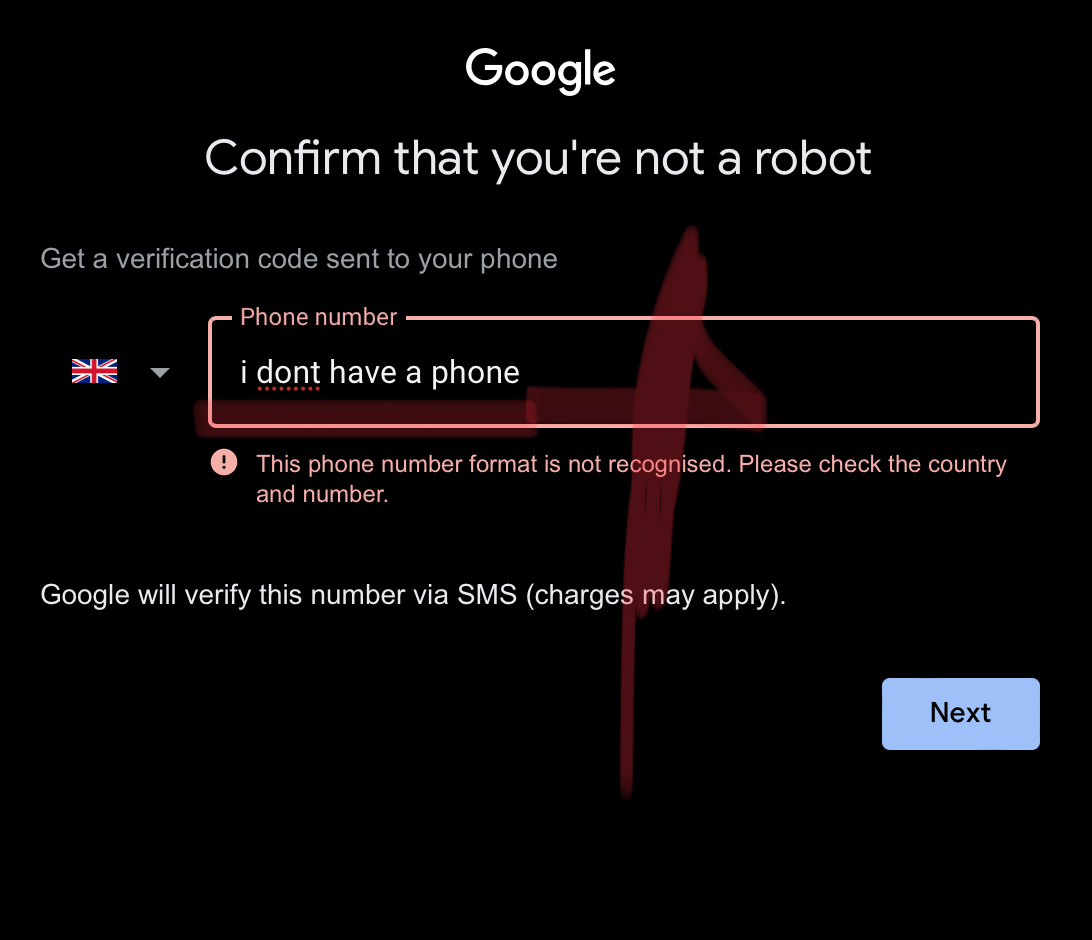
The microphone was not muted. The camera was on. The private message went to the group. Autocorrect has destroyed another relationship. Technology was supposed to make communication easier, but it frequently behaves like a tiny electronic villain committed to exposing us.
No-Context Memes
Some awkward memes have no clear explanation at all. They combine strange photographs, oddly specific captions, or surreal situations that become funnier the longer you look. Their power comes from confusion. Your brain searches for meaning, finds none, and decides laughter is the safest available response.
Why Sharing Cringe Can Build Community
Memes function as a form of social shorthand. Instead of writing three paragraphs about feeling overwhelmed at a party, you can send one photograph of a possum hiding behind a trash can. The recipient immediately understands: you are alive, but you are not accepting visitors.
Shared laughter has been linked with feelings of closeness, social support, and stronger relationship evaluations. Laughing together communicates that two people understand the same situation from a compatible perspective. Even when the subject is uncomfortable, the shared joke can reduce tension and create a brief sense of belonging.
Online communities make that process scalable. One person posts a meme about standing alone at a party. Another comments that they once hid in a bathroom to avoid small talk. A third admits they left a gathering without saying goodbye and later claimed there had been a family emergency. Within minutes, strangers have constructed a support group for people who fear conversational transitions.
Social media experiences are not entirely positive or negative, of course. Pew Research Center surveys have found that users can experience both connection and anxiety depending on what they post, how others respond, and the context of the interaction. Meme communities work best when laughter is directed at recognizable situations rather than vulnerable individuals.
How to Post Awkward Memes Without Becoming the Awkward Meme
Protect People’s Privacy
Do not upload private conversations, embarrassing photographs, names, addresses, usernames, workplace details, or identifying information without permission. A funny moment is not worth creating a real problem for someone else.
Credit the Original Creator
Memes are built through remixing, but creators still deserve recognition when the source is known. Avoid removing signatures or watermarks. When posting artwork, photography, comics, or a highly original format, credit the person who made it.
Punch Up, Sideways, or at Yourself
Awkward humor is most enjoyable when the joke concerns shared human behavior. Mocking someone’s disability, appearance, identity, trauma, or financial hardship is not clever social commentary. It is simply cruelty wearing a novelty hat.
Give the Meme Enough Context
Some images become funnier with a one-line explanation. Tell readers whether the meme represents a real experience, an imagined scenario, or a reaction you use in group chats. Do not write a full autobiography under every post, but a little context can help the joke land.
Know When the Joke Has Expired
Inside jokes can become harmful when they escape the original audience. Online humor also travels far beyond the creator’s control, sometimes attaching an unwanted identity to an ordinary person featured in an image. Reports on famous meme subjects have shown how difficult it can be to separate a person from a viral character once the internet adopts their face.
How to Create Your Own Funny Awkward Meme
You do not need professional design software or a degree in Digital Cringe Studies. Start with a specific experience rather than a generic idea.
- Identify the awkward moment. Choose something precise, such as holding a door for someone who is still 30 feet away.
- Find the emotional reaction. Were you panicked, frozen, falsely confident, or pretending nothing happened?
- Choose a fitting visual. Animals, reaction faces, stock photographs, movie stills, drawings, and original photos can all work when used responsibly.
- Write a short setup. Establish the normal expectation in one line.
- Add the uncomfortable twist. Reveal what went wrong without explaining every detail.
- Trim unnecessary words. A meme is not a legal contract. Let the image contribute to the joke.
- Test it on one trusted person. If they laugh immediately, post it. If they ask whether you are doing okay, reconsider the caption.
The most reusable formats leave space for adaptation. Internet memes survive because communities reshape them for new situations, much like cultural snapshots that are repeatedly edited as they move from person to person.
Experiences From the Awkward Side of the Internet
Nearly everyone has an awkward memory that returns without warning, usually when they are trying to sleep. One moment you are peacefully considering tomorrow’s breakfast; the next, your brain is replaying the time you confidently called your teacher “Mom” in front of the entire class.
One of the most common experiences behind relatable awkward memes is the mistaken greeting. You notice someone waving enthusiastically in your direction, so you wave back. Their expression changes. You turn around and discover that the intended recipient is directly behind you. At this point, you have several options: admit the mistake, pretend you were stretching, or continue waving until your arm gains independent legal status.
Another classic occurs when a cashier, server, or airport employee says something routine and your brain selects the wrong automated response. “Enjoy your meal.” “You too.” “Have a safe flight.” “Thanks, you too.” “I’m sorry for your loss.” Hopefully, you do not say “You too,” but human speech is unpredictable under pressure.
Video calls created an entirely new library of awkward experiences. People have attended meetings while accidentally using animal filters, spoken passionately while muted, complained about coworkers while unmuted, and frozen in positions that made them look like witnesses in a paranormal documentary. A well-timed screenshot can become a meme before the meeting has even ended.
Group chats are equally dangerous. Many people have composed a private complaint about someone and sent it directly to that person. Others have posted personal photographs in a professional channel or responded to serious news with a reaction GIF intended for another conversation. The few seconds after pressing “send” can feel long enough to complete an entire emotional journey: denial, panic, bargaining, attempted deletion, and finally the decision to move to another country.
First dates produce their own special flavor of cringe. Imagine trying to look relaxed while calculating where to place your hands, whether you are talking too much, and how long eye contact should last before it becomes a staring contest. Then both people reach for the same appetizer, apologize simultaneously, and spend the next minute insisting that the other person take it. Somewhere, a mozzarella stick becomes the most powerful individual at the table.
Workplace interactions can be just as memorable. Perhaps you confidently presented an idea that had already been rejected five minutes earlier because you were not listening. Maybe you walked into the wrong conference room, sat down, and remained there because leaving immediately felt more embarrassing than attending an unknown department’s quarterly budget review. By the end, you had opinions about their procurement strategy.
Awkward memes help transform these experiences from evidence against us into stories we can control. The original moment may have involved embarrassment, but the meme gives us authorship. We select the image, write the caption, and decide how the event will be remembered. Instead of thinking, “I failed at being a person,” we can think, “This could perform well in the group chat.”
That shift matters because most awkward incidents are harmless. They feel enormous while happening because our attention is fixed on ourselves. Other people, meanwhile, are often too busy worrying about their own behavior to permanently catalog ours. The stranger who saw you pull a door marked “push” three times probably forgot within minutes. You are the one replaying it in high definition.
Posting an awkward meme can therefore serve as a playful confession: “This happened to me, and I survived.” When readers answer with their own stories, embarrassment becomes connection. One failed handshake leads to twenty comments about failed hugs. One terrible autocorrect story inspires an entire thread of digital disasters. The community does not remove the cringe; it welcomes it, offers it a snack, and makes it feel at home.
Conclusion: Bring Us Your Finest Cringe
Awkward memes remind us that social competence is mostly a group performance in which everyone occasionally forgets the script. We misunderstand signals, choose the wrong words, walk into glass doors, send messages to the wrong people, and respond to compliments as though we are being questioned by federal investigators.
Fortunately, the internet allows us to recycle those moments into something useful: laughter. The best awkward memes are relatable without being cruel, specific without becoming confusing, and uncomfortable without causing genuine harm. They make readers feel seen while reassuring them that nobody is navigating life as smoothly as their profile picture suggests.
So, Pandas, search your camera roll. Open the neglected folder labeled “Random.” Investigate the darkest corner of your group chat. Post the meme that makes you laugh, cringe, and briefly consider deleting your entire online identity. We are ready.
Note: Share original, licensed, or properly credited material whenever possible. Remove identifying information from private screenshots and obtain permission before posting content that features another person.