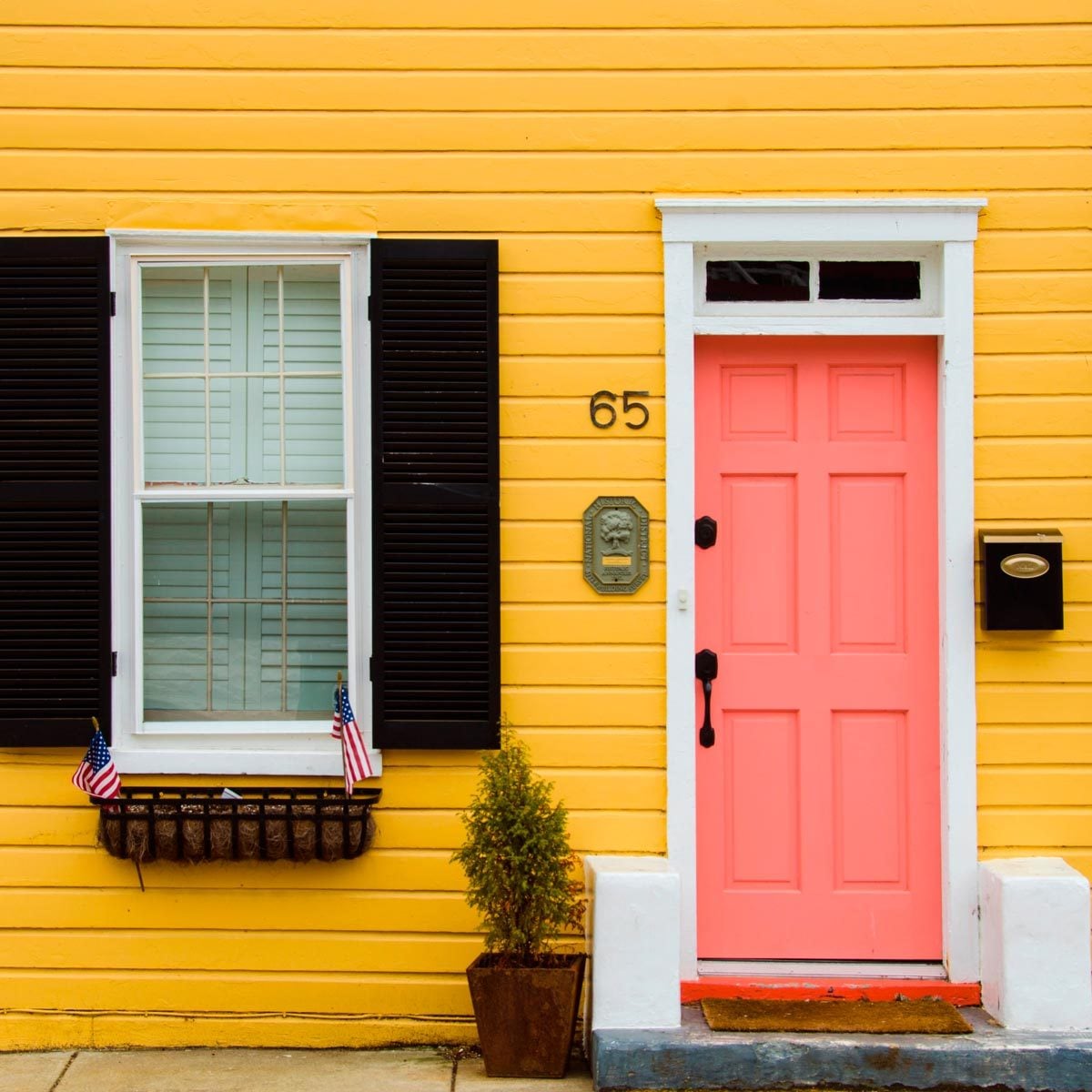

Your front door is basically your home’s handshake. It tells guests, buyers, delivery drivers, and that one neighbor who “just happened to be walking by” whether your house feels polished, cared for, and worth a second look. The best part? You do not need a luxury renovation budget to make a powerful first impression. A gallon of exterior paint, a free weekend, and a slightly questionable playlist can completely change how your home looks from the street.
When people talk about front door curb appeal colors, they are really talking about psychology, architecture, neighborhood context, and buyer confidence. A fresh, intentional front door color can make a home feel cleaner, newer, more welcoming, and more valuable. Real estate research and design experts consistently point to classic, deep, nature-inspired, and well-coordinated colors as the safest choices for resale appeal. Wild neon orange may express your inner firecracker, but buyers often prefer a door that whispers “well maintained” instead of screaming “I own eight flamingo lawn ornaments.”
Below are 10 front door colors that can help add perceived value to your home, improve curb appeal, and make your entryway look thoughtfully finished.
Why Front Door Color Matters for Home Value
A front door is small compared with siding, roofing, landscaping, and windows, but it carries visual weight. It is the focal point of the facade and the place the eye naturally lands first. If the paint is faded, chipped, dusty, or clashing with the rest of the exterior, buyers may wonder what else has been neglected. If it looks crisp and coordinated, the home immediately feels more cared for.
Color also affects how buyers emotionally read a property. Dark colors can feel elegant and secure. Blues feel calm and dependable. Greens connect the home to landscaping. Warm neutrals suggest cleanliness and flexibility. Rich reds add heritage charm. Natural wood tones imply quality and craftsmanship. The right color will not magically add a new bathroom to your house, but it can make buyers more excited to step insideand in real estate, excitement matters.
10 Front Door Curb Appeal Colors To Add Value to Your Home
1. Classic Black: The Little Black Dress of Front Doors
If front doors had a formalwear section, black would be standing there looking effortlessly expensive. A black front door is one of the strongest choices for resale appeal because it creates sharp contrast, photographs beautifully, and works with many home styles. On white, beige, gray, brick, stone, or wood-sided homes, black adds instant definition.
Black works especially well on Colonial, modern farmhouse, traditional, craftsman, and contemporary homes. It gives the entry a sense of permanence and sophistication. Think polished brass hardware, clean trim, symmetrical planters, and suddenly your house looks like it has opinions about espresso machines.
The trick is choosing the right black. A pure, cool black can look crisp on white siding but harsh on warm brick. A soft black, off-black, or black with brown undertones often feels more expensive and less severe. If your entryway is shaded, add strong lighting so the door does not visually disappear into a cave of mystery.
2. Slate Blue: Calm, Modern, and Buyer Friendly
Slate blue front doors have become a favorite for homeowners who want color without risk. This muted blue-gray shade feels calm, refined, and slightly coastal without forcing your house to wear a sailor hat. It is more interesting than plain gray but safer than a bright royal blue.
Slate blue pairs beautifully with white trim, warm gray siding, cream exteriors, cedar shingles, red brick, and stone. It is especially effective when the rest of the house has neutral tones and needs a subtle focal point. Buyers often respond well to slate blue because it feels fresh but not overly personal.
Use slate blue when you want a front door color that says, “This home is peaceful, maintained, and probably has decent storage.” Pair it with brushed nickel, aged brass, matte black, or oil-rubbed bronze hardware depending on your exterior style.
3. Navy Blue: Traditional, Trustworthy, and Timeless
Navy is the reliable friend of exterior paint colors. It works hard, shows up on time, and never tries to make the front porch about itself. A navy blue front door gives a home depth, contrast, and classic curb appeal without feeling as stark as black.
Navy is particularly strong on white houses, gray homes, brick facades, and coastal-inspired exteriors. It looks polished with white trim and warm metal hardware. On a red brick home, a deep navy door can balance the warmth of the brick while adding a cool, structured accent.
For resale, navy is a smart choice because it feels both colorful and conservative. It gives personality without frightening buyers who already have strong feelings about wallpaper. Choose a navy with enough depth to look intentional, but avoid overly bright cobalt blues that may clash with traditional materials.
4. Forest Green: Sophisticated and Nature Connected
Green has moved from “quirky cottage choice” to one of the most stylish front door colors around. A forest green front door feels grounded, elegant, and connected to the landscape. It works especially well when surrounded by boxwoods, ferns, hydrangeas, mature trees, or even a single brave potted plant trying its best.
Forest green pairs beautifully with brick, cream siding, warm white exteriors, stone, tan stucco, and natural wood. It is a great alternative to black when you want depth but need something softer. On historic homes, forest green feels traditional. On modern homes, it feels organic and upscale.
For best results, choose a green with gray, black, or brown undertones. Neon green is best left to traffic vests and energy drinks. A deep, muted green creates curb appeal that feels intentional, expensive, and welcoming.
5. Sage or Olive Green: Soft, Earthy, and Approachable
If forest green is the formal dinner jacket, sage and olive are the linen shirts: relaxed, tasteful, and quietly stylish. A sage green front door or muted olive door is perfect for homes with warm neutrals, cream siding, stonework, wood accents, or cottage-style landscaping.
Sage green works especially well on bungalows, cottages, ranch homes, and modern organic exteriors. Olive is slightly warmer and can look excellent with tan, beige, terracotta, and red brick. These colors are valuable because they make the home feel friendly and current without chasing a trend too aggressively.
For homeowners preparing to sell, sage and olive can soften a plain exterior and make the entry feel more inviting. They also pair well with black lanterns, bronze hardware, natural fiber doormats, and seasonal wreaths that do not involve glitter explosions.
6. Charcoal Gray: Modern Without Being Cold
Charcoal gray front doors offer a softer alternative to black. They provide contrast, structure, and modern polish while feeling slightly less formal. Charcoal works well on homes with white, cream, light gray, taupe, stone, or wood exteriors.
The key is choosing charcoal with warmth. A cold cement-gray door can make an entry feel flat or unfinished, especially on cloudy days. A deep charcoal with brown, green, or blue undertones looks richer and more deliberate. It can make older hardware look updated and give a basic builder-grade door a more custom appearance.
Charcoal is especially useful when the home already has dark roof shingles, black window frames, or gray stone accents. It ties the exterior together, which is exactly what buyers like to see. Cohesion says, “Someone thought this through,” even if that someone was you standing in the paint aisle for 47 minutes.
7. Warm White or Cream: Clean, Classic, and Flexible
A warm white front door may sound simple, but simple can be powerful. White and cream doors work best when the surrounding exterior has enough contrast, such as dark siding, brick, charcoal trim, or colorful shutters. On the right home, a cream door feels fresh, traditional, and beautifully maintained.
Warm white is better than stark refrigerator white for most exteriors. Cream, ivory, and soft white tones feel more welcoming and less clinical. They are excellent choices for cottage homes, traditional houses, coastal properties, and brick homes with white trim.
From a resale perspective, warm white is safe because it gives buyers a clean slate. It also reflects light, making the entrance feel brighter. Just remember that white doors show dirt, fingerprints, pollen, and mysterious outdoor smudges faster than darker colors. If you choose white, keep it clean. The door should say “fresh and classic,” not “I have battled many seasons and lost.”
8. Rich Red or Oxblood: Welcoming With Heritage Charm
Red front doors have been loved for generations, and for good reason. A red front door can feel warm, confident, and traditional. The resale-friendly version, however, is not fire-engine red. It is deeper, richer, and more mature: think oxblood, cranberry, burgundy, brick red, or wine.
Rich red works beautifully with white siding, cream exteriors, traditional brick, charcoal gray, and classic black shutters. It can give a simple facade a strong focal point and make the house feel cheerful without looking cartoonish.
For curb appeal, red is most successful when the undertone matches the home. Brick homes usually need a deeper red with brown or blue undertones. White homes can handle a cleaner red, but even then, a muted version usually looks more upscale. Pair rich red with brass or black hardware for a timeless entry.
9. Natural Wood or Mid-Tone Brown: Warm, Quality, and Inviting
Not every great front door color comes from a paint can. A stained natural wood front door can add warmth, texture, and a sense of craftsmanship. Mid-tone brown, walnut, oak, mahogany, cedar, and teak-inspired finishes can make an entry feel expensive, especially when paired with stone, stucco, white siding, or modern black accents.
Wood tones are particularly effective on craftsman homes, modern farmhouses, midcentury houses, mountain homes, desert homes, and properties with natural landscaping. A brown or wood-look door also complements warm exterior palettes better than cool black or gray.
If your existing door is wood, refinishing it may be smarter than painting it. Sanding, staining, and sealing can revive the grain and make the entry look custom. If your door is fiberglass or steel, wood-look finishes or warm brown paint can create a similar effect. Just avoid orange-toned stains that make the house look trapped in 1998 with a fax machine.
10. Greige or Soft Taupe: Understated and Elegant
Greige front doorsa blend of gray and beigeare ideal for homeowners who want elegance without drama. Soft taupe, mushroom, warm gray-beige, and stone-inspired shades can look incredibly refined when paired with white trim, black hardware, natural stone, brick, or warm siding.
Greige is not the loudest choice on the block, but it can be one of the most sophisticated. It works especially well on homes where a bold color would fight with the architecture or landscaping. If your exterior already includes multiple materials, such as stone, brick, siding, and dark trim, a soft taupe door can unify everything.
For resale, greige is valuable because it feels neutral, modern, and easy to live with. It gives buyers a finished look without demanding that they love your exact taste. Choose a shade with depth so the door does not blend into the siding completely. The goal is subtle contrast, not camouflage.
How to Choose the Best Front Door Color for Your House
Match the Undertone of Your Exterior
Every exterior has undertones. Brick may lean orange, red, brown, or purple. Stone may have blue, green, tan, or gray undertones. Siding may be warm beige, cool gray, creamy white, or taupe. The best front door color should complement these undertones rather than fight them.
Consider Your Home Style
A black door may look perfect on a Colonial but too severe on a sunny cottage. A sage green door may look charming on a bungalow but too soft for a sleek modern home. Let the architecture guide you. Traditional homes often suit black, navy, red, green, and cream. Modern homes handle charcoal, black, wood, and greige beautifully. Cottage and craftsman homes love sage, olive, forest green, and natural wood.
Test the Color Outside
Paint samples look different in sunlight, shade, rain, and evening light. Test at least two or three colors directly on the door or on large sample boards. Look at them from the sidewalk, not just two inches away while whispering, “Is this too blue?” Buyers see your home from the street first, so that view matters most.
Update the Details Too
A fresh color does most of the work, but hardware, lighting, house numbers, planters, and the doormat finish the scene. If you paint the door black but leave a tarnished knob and a cracked plastic doorbell, the upgrade loses power. Choose details that support the color and make the entry feel complete.
Front Door Colors to Use Carefully
Some colors can work in the right setting but may be risky for resale. Bright neon shades, electric blue, vivid purple, hot pink, lime green, and very bright yellow often feel too personal for broad buyer appeal. Pale pink and flat cement gray can also be tricky because they may read as washed out, dated, or unfinished depending on the home.
This does not mean personality is illegal. Your house is not applying for a corporate accounting job. But if your goal is to add value or attract buyers, choose colors with depth, balance, and architectural compatibility. A bold color should still look intentional, not like the paint store had a clearance shelf and you panicked.
Real-Life Experience: What Actually Works at the Front Door
In real homes, the best front door color is not always the trendiest one. It is the color that makes the whole exterior look more deliberate. I have seen plain beige houses look instantly sharper with a black door, tired brick homes become charming with forest green, and washed-out gray exteriors finally gain personality with slate blue. The paint color matters, but the surrounding details decide whether it feels valuable or merely “newly painted.”
One of the most practical lessons is that contrast is your friend. If a house has light siding, a darker door usually creates a stronger focal point. Black, navy, charcoal, and forest green can make the entrance feel anchored. If the house is already dark, a warm white, natural wood, greige, or muted sage may give the entry the brightness it needs. A door should be easy to find. If guests have to ask where the front entrance is, the curb appeal has left the chat.
Another experience-based tip: hardware changes everything. A navy door with scratched silver hardware can look unfinished, while the same door with warm brass or matte black hardware looks intentional. Black doors look great with brass, bronze, or polished nickel. Green doors love aged brass and black. Wood doors often look best with black, bronze, or simple modern handles. You do not need the fanciest hardware in the county; you just need hardware that does not look like it has survived three previous owners and a raccoon incident.
Lighting is equally important. Dark doors can look elegant during the day but disappear at night if the porch lighting is weak. A pair of clean sconces or one updated fixture can make the door color look richer and help buyers feel safer approaching the home. The same goes for house numbers. Crisp, visible numbers make the exterior look updated and functional. Tiny faded numbers nailed crookedly near the garage do not inspire confidence.
Landscaping should also support the color. Forest green doors look stunning with white flowers, boxwoods, ferns, and natural mulch. Black doors pair well with symmetrical planters and bright seasonal blooms. Sage doors look great with lavender, ornamental grasses, and soft cottage-style plantings. Red doors need restraint nearby; too many competing flowers can make the entrance feel busy. The door is the star, not the opening act for a botanical circus.
Finally, preparation is what separates a beautiful paint job from a weekend regret. Clean the door, sand rough spots, repair cracks, remove old peeling paint, prime when needed, and use quality exterior paint. Rushing prep is like wearing a tuxedo over pajamas: technically dressed, but not fooling anyone. A smooth, durable finish makes the color look more expensive and helps the upgrade last through weather, fingerprints, and daily use.
The biggest takeaway from real-life curb appeal updates is simple: choose a color that complements the home, keep the finish fresh, and complete the entry with clean details. Buyers may not say, “Ah yes, the undertones are well balanced,” but they will feel that the house looks cared for. That feeling can make a home more memorable, more attractive, and potentially more valuable.
Conclusion
The best front door curb appeal colors are not random. They work because they balance personality with broad appeal. Classic black, slate blue, navy, forest green, sage, charcoal, warm white, rich red, natural wood, and greige all have the power to make a home feel more polished from the street. The secret is choosing a color that fits your exterior materials, architecture, landscaping, and local style.
If you are preparing to sell, stick with colors that feel timeless, clean, and coordinated. If you are staying put, you have more freedombut even then, a thoughtful door color can make coming home feel better every day. A front door is a small surface with big visual influence. Paint it well, style it simply, and let it do what great curb appeal does best: make people want to see what is inside.
Note: A front door color can improve curb appeal and buyer perception, but resale value depends on the full condition, location, pricing, and presentation of the home. Always test paint samples outdoors before committing.