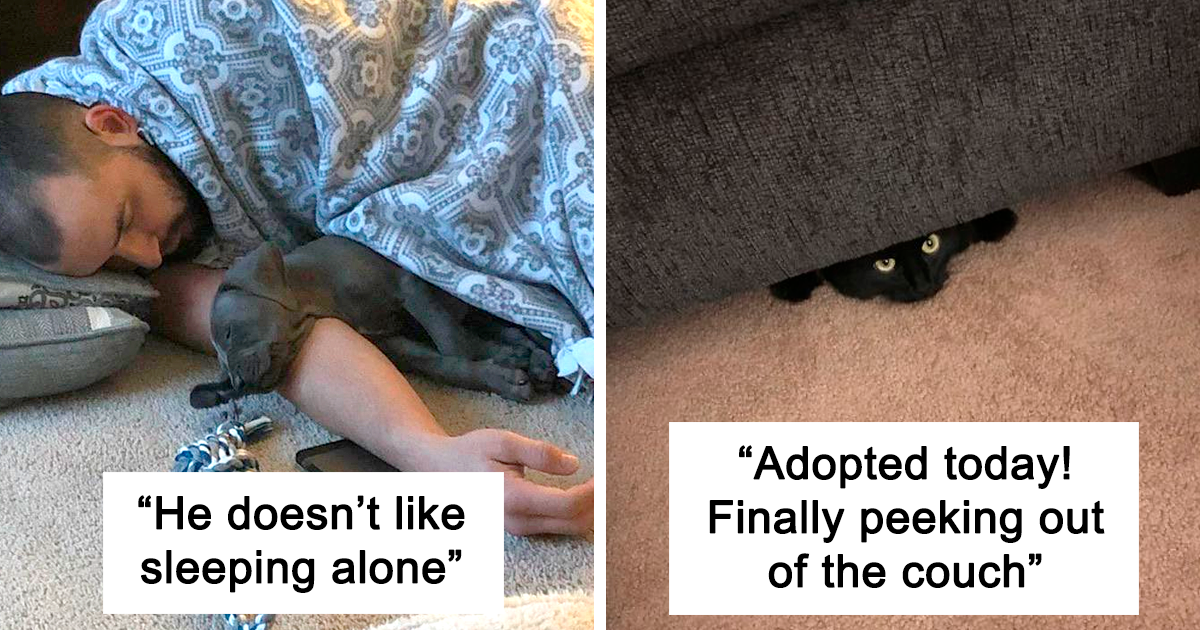

February may be the shortest month, but apparently nobody told rescue pets. They have packed it with enough soft paws, hopeful eyes, ridiculous sleeping positions, and “I live here now” confidence to power an entire neighborhood through a snowstorm. Welcome to the 40 Most Wholesome Rescue Pet Photos Of This Month (February Edition), a feel-good celebration of shelter animals, foster pets, adopted dogs, rescue cats, senior sweethearts, and tiny survivors who somehow make a blanket, a bowl of food, and one kind human look like a five-star miracle.
Rescue pet photos are more than internet comfort food. They tell stories of second chances. A nervous dog learning that hands can be gentle. A cat discovering the luxury of hogging the warm laundry pile. A rabbit finally stretching out instead of hiding. A senior pup wearing a new sweater with the expression of a retired mayor. These images work because they show the exact moment fear begins turning into trust.
Across the United States, animal shelters and rescue groups continue working through crowded kennels, rising pet-care costs, housing restrictions, and the daily challenge of matching animals with the right families. Yet behind the statistics are scenes that remind us why adoption matters: a tail wagging for the first time, a foster kitten falling asleep in a hoodie pocket, or a once-shy dog proudly carrying a toy three sizes too large. February’s rescue pet photos are small, furry proof that hope often arrives covered in shedding hair.
Why Rescue Pet Photos Hit Us Right In The Heart
There is a reason wholesome rescue pet photos spread so quickly online. A strong adoption photo does something a plain description cannot. It lets viewers meet the animal emotionally before they ever read the bio. A dog sitting politely beside a volunteer says, “I am trying my best.” A cat curled in a cardboard box says, “This is my kingdom, please respect the zoning laws.” A guinea pig peeking from a fleece tunnel says, “I contain multitudes.”
Animal welfare groups have long recognized that photography, social media, and storytelling can help shelter pets shine. Clear, warm, personality-filled images make animals feel real to potential adopters. They also help correct assumptions. The “scary big dog” may actually be a pillow enthusiast. The “aloof cat” may be a lap-seeking machine with dramatic opinions about dinner. The “older pet” may be the calmest, funniest roommate a person could ask for.
Rescue photos also remind people that adoption is not a single heroic moment. It is a process. Many pets need time to decompress, learn routines, build confidence, and understand that the new couch is not a temporary hotel. The most wholesome images often happen after the camera-worthy moment: after patience, quiet rooms, soft voices, vet care, foster support, and small daily wins.
40 Most Wholesome Rescue Pet Photo Moments This February
1. The Snow-Day Senior In A Sweater
A gray-muzzled rescue dog stands in a red sweater, looking like he has survived twelve winters and judged every snowflake personally. Senior rescue pets often bring a quiet kind of magic: less chaos, more cuddles, and a talent for locating the warmest spot in the house.
2. The Cat Who Finally Claimed The Window
This former shelter cat sits in a sunny window with one paw tucked under like royalty. The photo is simple, but the message is enormous: safety has arrived, and the neighborhood birds are now under official surveillance.
3. The Puppy Pile Foster Nap
Five rescue puppies sleep in a heap so tangled that nobody can identify where one ear ends and another puppy begins. Foster homes are essential for young animals, giving them warmth, socialization, and the kind of nap schedule toddlers could only dream of.
4. The First Bath Betrayal Face
A newly rescued dog wrapped in a towel stares into the camera with deep dramatic disappointment. Clean, safe, and dry, yes. Forgiving humanity? Pending review.
5. The Three-Legged Zoom Champion
A tripod rescue dog races across a yard with pure rocket energy. Photos like this help challenge outdated ideas about adoptable pets with disabilities. Many adapt beautifully and live joyful, active lives with the right care.
6. The Kitten In The Hoodie Pocket
A tiny foster kitten sleeps inside a hoodie pocket, nose barely visible. This is not just cute. This is advanced emotional engineering.
7. The Shelter Dog With A Valentine Toy
A blocky-headed rescue dog proudly holds a heart-shaped plush toy. He does not know it is seasonal décor. He knows only that it squeaks, and therefore it is art.
8. The Rabbit Stretch Of Trust
A rescued rabbit lies fully stretched out on a soft rug. For many small animals, relaxed body language is a powerful sign of comfort. Translation: “I believe nobody here is trying to eat me, and this carpet is excellent.”
9. The Before-And-After Glow-Up
One photo shows a nervous shelter intake picture. The next shows the same dog weeks later, bright-eyed on a couch. The transformation is not about perfection. It is about care, time, and the healing power of being wanted.
10. The Cat Who Adopted The Dog
A rescue cat curls against a newly adopted dog as if they signed a friendship contract. Not every pet becomes best friends overnight, but careful introductions can create surprisingly sweet bonds.
11. The Cone Of Courage
A post-surgery rescue pup wears a cone and a heroic expression. The cone may be awkward, but recovery photos show the behind-the-scenes reality of rescue: vet care, patience, and lots of “please do not lick that” conversations.
12. The Tiny Chihuahua, Giant Bed
A small rescue dog sleeps in a bed designed for a creature approximately the size of a coffee table. He has chosen abundance. We respect this.
13. The Shy Dog’s First Toy
A timid rescue dog gently touches a stuffed bear with one paw. For animals coming from stressful situations, play can return slowly. When it does, it feels like watching a light switch back on.
14. The Orange Cat With No Regrets
An adopted orange cat sits inside a mixing bowl. There is no explanation. There never is. Rescue cats do not need logic; they need platforms for self-expression.
15. The Foster Fail Announcement
A family holds a sign reading “We’re keeping her,” while the dog in question looks completely unsurprised. Foster fails are not failures at all. They are adoptions with a plot twist.
16. The Blind Dog Following A Voice
A blind rescue dog walks confidently toward the sound of his adopter calling him. This photo captures trust in motion. With consistent routines and safe environments, many blind pets thrive.
17. The Kitten Bottle Squad
Several tiny kittens line up for feeding like impatient little beans. Neonatal foster care is demanding, but it saves lives when kittens are too young to eat on their own.
18. The Dog Who Discovered Pillows
A rescue dog sleeps with his head on three pillows, possibly negotiating for a fourth. Some pets arrive home and immediately understand luxury.
19. The Shelter Photo Retake
The first photo is blurry, dark, and nervous. The new photo is bright, eye-level, and full of personality. Better photos can help adopters see the real animal instead of the stress of the shelter environment.
20. The Cat In The Laundry Basket
An adopted cat burrows into warm towels with the solemn focus of a spa reviewer. Her rating: five stars, would shed again.
21. The Dog Meeting His New Human
A rescue dog leans into a person’s legs during an adoption visit. The sweetest adoption moments are often quiet. No fireworks, no movie soundtrack, just one animal deciding, “You seem safe.”
22. The Senior Cat’s First Heated Bed
An older rescue cat melts into a heated bed with complete commitment. Senior pets may be overlooked, but they often bring deep affection, calm routines, and excellent nap mentorship.
23. The Muddy Yard Celebration
A rescued dog stands in a yard covered in mud, smiling like he has discovered the meaning of life. Is the bath inevitable? Yes. Was the joy worth it? Also yes.
24. The Nervous Foster In A Blanket Burrito
A small dog peeks from a blanket wrap, unsure but curious. Decompression is not glamorous, but it is important. Some pets need a quiet place before they are ready for the big brave world.
25. The Cat Who Chose The Kid
A rescue cat sits beside a child reading a book, tail curled like punctuation. Pets can support companionship and routine, and many families find that adopted animals become gentle, steady parts of daily life.
26. The Dog On His Freedom Ride
A dog rides in the back seat after adoption, ears lifted by the car vent. The “freedom ride” photo is a classic for a reason. It is the exact moment a kennel becomes a memory.
27. The Guinea Pig With A Tiny Salad
A rescued guinea pig poses next to leafy greens with the seriousness of a chef judging a cooking show. Small animals need thoughtful care too, and their rescue stories deserve just as much attention.
28. The Big Dog In A Tiny Lap
A large rescue dog sits on a human lap with complete confidence that he fits. Mathematically questionable. Emotionally perfect.
29. The First Snow Paw Prints
A newly adopted dog leaves careful paw prints across fresh snow. February gives rescue pets a special stage: white ground, pink noses, and the cinematic drama of one confused sneeze.
30. The Shelter Cat’s Adoption-Day Wink
A cat in a carrier appears to wink at the camera. Coincidence? Maybe. Excellent marketing? Absolutely.
31. The Bonded Pair Going Home Together
Two rescued dogs sit side by side in a doorway, ready for the same home. Bonded pairs can be harder to place, but when it works, adopters get built-in friendship with double the tail wags.
32. The Dog Who Found The Toy Bin
A rescue pup stands inside a toy bin, surrounded by plush animals. The expression says, “I have made several important discoveries, and all of them squeak.”
33. The Cat Learning To Trust Hands
A once-fearful cat presses her cheek into a gentle hand. For shy pets, trust is not automatic. It is built through repetition, respect, and humans who understand that love is not a race.
34. The Adopted Dog’s First Birthday Party
A dog sits beside a small birthday treat wearing a paper hat slightly sideways. Does he understand birthdays? No. Does he understand snacks and applause? Deeply.
35. The Rescue Bird On A Shoulder
A small rescued bird perches calmly on a foster’s shoulder. Rescue is not limited to cats and dogs. Birds, rabbits, reptiles, and other companion animals also need informed, committed homes.
36. The Puppy With Oversized Paws
A rescue puppy sits with paws that look borrowed from a much larger dog. February prediction: this tiny creature will become a sofa-shaped moose by summer.
37. The Cat Who Found The Bookshelf
An adopted cat naps between novels as if filing herself under “cozy mysteries.” Rescue pets have a talent for turning ordinary corners into personal kingdoms.
38. The Dog At The Vet Being Brave
A rescue dog rests his chin on a veterinary technician’s arm. Medical care is a big part of rescue work, and photos like this honor the people who help pets heal before and after adoption.
39. The First Family Photo
A newly adopted pet sits in the center of a family photo, looking both confused and important. That is because both things are true.
40. The Couch Nap That Says It All
The final photo is a rescue pet asleep on a couch, belly up, paws loose, face peaceful. No caption could improve it. This is what safety looks like.
What These February Rescue Pet Photos Really Show
At first glance, these wholesome rescue pet photos are cute. Look closer, and they become a quiet education in animal welfare. They show why adoption counseling matters. They show why foster homes matter. They show why clear photos, honest bios, and patient introductions matter. They also show that “rescue pet” does not mean damaged. It means a pet whose story took a difficult turn and then, thanks to people who cared, turned again.
Many shelters are balancing public intake, medical needs, behavior support, lost-pet reunification, and adoption programs at the same time. The happy photo at the end is often supported by an entire invisible team: animal control officers, kennel staff, foster families, veterinarians, transport volunteers, behavior specialists, donors, and adopters. The dog smiling in a sweater may represent weeks of care. The cat in the window may represent a volunteer who sat quietly nearby until she stopped hiding.
That is why the best rescue pet photos do not need to be perfect. A slightly blurry tail wag can be more powerful than a studio portrait. A cat halfway inside a paper bag may communicate more personality than a polished glamour shot. Authenticity helps adopters imagine life with the animal. It says, “This pet is not a sad statistic. This pet is a future family member with hobbies, opinions, and possibly a strange relationship with cardboard.”
How Wholesome Rescue Pet Photos Help More Animals Get Adopted
They Make The First Impression Warmer
Potential adopters often begin online. A photo can decide whether someone clicks, reads, shares, or keeps scrolling. A bright, eye-level picture with relaxed body language gives a pet a stronger chance to be noticed.
They Show Personality, Not Just Appearance
A good rescue pet photo answers an emotional question: “What is this animal like?” Is the dog goofy? Is the cat gentle? Is the rabbit curious? Is the senior pet calm? Personality builds connection.
They Encourage Shares
Even people who cannot adopt can help by sharing posts. A wholesome image travels farther because it gives people something positive to pass along. In rescue work, the right share can put a pet in front of the right person.
They Reduce Fear Around Adoption
Some people worry that shelter pets are unpredictable or too difficult. Honest, heartwarming photos of adopted animals relaxing, playing, learning, and bonding help replace fear with curiosity.
Lessons For Anyone Thinking About Adopting A Rescue Pet
If these February rescue pet photos have you mentally naming a dog you have not met yet, pause for one practical minute. Adoption is joyful, but it is also a commitment. Before bringing home a pet, consider your schedule, housing rules, budget, energy level, allergies, existing pets, and long-term plans. A great adoption is not about finding the “cutest” animal. It is about finding a good match.
Newly adopted pets often need an adjustment period. Some settle quickly. Others need days, weeks, or months to reveal their full personality. Give them a quiet space, predictable routines, gentle handling, and positive reinforcement. Avoid overwhelming them with too many visitors, loud introductions, or a full photo shoot on day one. Yes, they are adorable. No, they do not need to meet every cousin immediately.
For dogs, slow introductions, leash safety, consistent feeding times, and basic training can make the transition smoother. For cats, a starter room with food, water, litter, scratching surfaces, and hiding spots can help them feel secure. For small animals, proper enclosures, species-specific diets, and calm handling are essential. Adoption should always come with education, not just enthusiasm.
Experience Section: What Living With Rescue Pets Teaches You
One of the most memorable things about rescue pets is that their progress rarely arrives with a marching band. It happens in small, almost invisible moments. A dog who used to flinch finally stays still when you clip on the leash. A cat who lived under the bed begins sleeping near the doorway. A rabbit that once froze at every sound starts nudging your hand for greens. These are not loud victories, but they feel enormous when you have watched the journey from the beginning.
People often imagine adoption day as the main event, but the real story begins afterward. The first night can be quiet, awkward, and full of questions. Is the dog comfortable? Is the cat eating? Why is the puppy staring at the dishwasher like it owes him money? A new rescue pet is learning your home in real time: the sounds, smells, routines, safe corners, and snack schedule. You are learning them too. That mutual discovery is part of the bond.
Rescue pets also teach patience in a very practical way. You learn that trust cannot be rushed just because your heart is ready. Some animals need space before affection. Some need routine before play. Some need confidence before training clicks. A person may be tempted to say, “But I love you already!” while the pet replies, through body language, “Lovely, please prove that consistently over the next several weeks.” Fair enough.
Another experience many adopters share is the joy of watching personality bloom. The quiet dog becomes a professional sock collector. The serious cat becomes a hallway sprinter at 2:00 a.m. The shy kitten becomes a tiny supervisor of all household chores. These changes are funny, but they are also meaningful. They show that the animal feels safe enough to be silly. In rescue life, silliness is a milestone.
There is also a special kind of gratitude that comes with adopting an overlooked pet. Senior animals, black cats, large dogs, bonded pairs, shy pets, and animals with medical needs may wait longer for homes. When they finally relax into family life, the reward is difficult to describe without sounding dramatic. But dramatic is allowed. A senior dog sleeping peacefully beside your chair can make an ordinary Tuesday feel like a tiny holiday.
Living with rescue pets also makes you more aware of the community behind every adoption. You start noticing the work of shelters, fosters, transport drivers, veterinary teams, and volunteers who wash blankets, answer emails, clean kennels, bottle-feed kittens, and take adoption photos on lunch breaks. The cute picture online is often the visible tip of a very hardworking iceberg.
Most of all, rescue pets teach that healing is not always glamorous. Sometimes it looks like medication hidden in peanut butter. Sometimes it looks like cleaning up an accident without making a big deal. Sometimes it looks like sitting on the floor beside a crate and reading quietly until a frightened animal decides your presence is acceptable. Over time, those ordinary acts become the foundation of trust.
That is why wholesome rescue pet photos matter. They are not just cute content for a gloomy February afternoon. They are reminders of what consistent kindness can do. One photo might inspire someone to adopt. Another might convince a person to foster. Another might encourage a donation, a volunteer shift, or a simple share. In the world of animal rescue, even small actions can become part of a much larger happy ending.
How To Support Rescue Pets This Month
You do not have to adopt today to help rescue animals. Adoption is wonderful, but it is only one path. Fostering gives shelters breathing room and helps pets show their true personalities outside a kennel. Volunteering supports daily care. Donating food, bedding, toys, or funds can reduce pressure on local organizations. Sharing adoptable pet posts can expand a shelter’s reach. Even updating your pet’s microchip information helps prevent lost animals from entering shelters unnecessarily.
If you are ready to adopt, start locally. Visit shelters and rescue groups. Ask questions. Be honest about your lifestyle. Look beyond the first photo and read the pet’s description carefully. The best match may not be the flashiest profile. It might be the quiet senior cat, the goofy large dog, or the rabbit who has strong feelings about parsley.
And when you do bring a rescue pet home, take photos. Not because every moment needs to be online, but because one day you may look back at that first nervous picture and compare it to the confident, ridiculous, deeply loved creature sprawled across your couch. That before-and-after story is powerful. It is also probably covered in fur.
Conclusion
The 40 Most Wholesome Rescue Pet Photos Of This Month (February Edition) remind us that animal rescue is built on small miracles. A warm bed. A patient foster. A better photo. A shared post. A safe ride home. A family willing to give an animal time to become themselves again.
These photos make us smile because they are cute, yes, but they stay with us because they mean something. They show recovery without speeches. They show love without filters. They show that even in a cold month, a second chance can be very warm indeed.