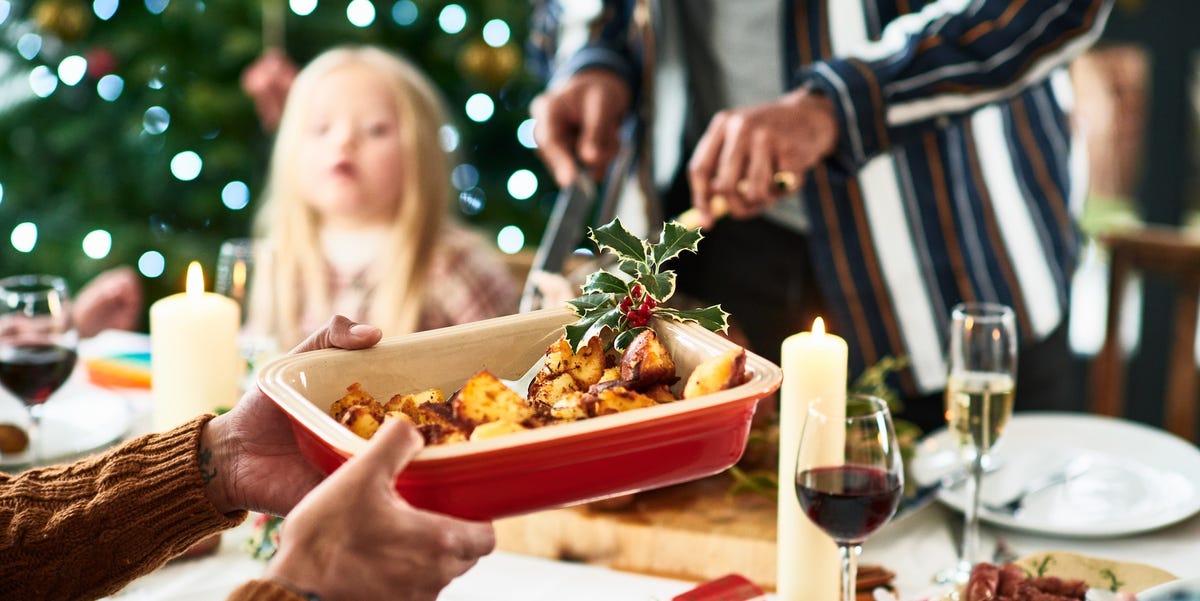

The festive season is a beautiful time of year: twinkling lights, crowded tables, sentimental playlists, relatives pretending they “only want a small slice,” and at least one person standing in the kitchen asking, “Can I help?” while blocking the silverware drawer. It is also the season when kitchens become high-pressure command centers. Ovens run overtime, counters disappear under cutting boards, and the refrigerator suddenly has the organizational complexity of a small airport.
That is why learning how to avoid kitchen disasters this festive season matters. A holiday meal can go from cozy to chaotic fast: a half-thawed turkey, a smoking pan, cross-contaminated cutting boards, a gravy volcano, or leftovers that spend more time on the counter than some guests spend at the party. The good news? Most holiday kitchen problems are preventable with planning, safe food handling, smart timing, and a little humility. The pie may not be perfectly symmetrical. That is fine. Food poisoning, grease fires, and emergency-room-level knife cuts? Less charming.
This guide walks through practical holiday cooking tips, food safety rules, fire-prevention habits, and real-life kitchen wisdom to help you serve a festive meal without turning your home into a cautionary tale. Think of it as your seasonal kitchen survival manualwith fewer panic sweats and more crispy roast potatoes.
Start With a Festive Kitchen Safety Plan
The first step in avoiding kitchen disasters is not sharpening a knife or preheating the oven. It is making a plan. Holiday meals often fail not because the cook lacks talent, but because the timeline lives entirely in someone’s head next to the lyrics to “Jingle Bell Rock.” Write down the menu, oven temperatures, cooking times, thawing times, and serving order. Then look at the list honestly. If every dish requires the oven at a different temperature at exactly 3:00 p.m., congratulationsyou have discovered festive physics.
Create a realistic cooking timeline
Work backward from serving time. If dinner is at 5:00 p.m., decide when the turkey, roast, casserole, vegetables, rolls, and dessert need to be cooked or reheated. Add buffer time because holiday cooking always includes surprises: the oven runs slow, the potatoes refuse to soften, or someone opens the oven door every seven minutes “just to check.” A written timeline helps you avoid undercooked mains, burned sides, and that special moment when you realize the frozen dessert is still in the freezer at rock-like hardness.
Declutter before the cooking begins
A cluttered kitchen is a disaster waiting to put on an apron. Clear counters, empty the sink, take out the trash, and make space in the refrigerator before food prep begins. Move mail, decorations, gift bags, and random phone chargers away from the cooking area. The more open space you have, the less likely you are to knock over hot gravy, misplace the thermometer, or set a dish towel too close to a burner.
Practice the Four Food Safety Basics: Clean, Separate, Cook, Chill
Holiday food safety can be summed up in four words: clean, separate, cook, chill. Simple? Yes. Optional? Absolutely not. These four habits reduce the risk of foodborne illness and help keep your festive meal memorable for the right reasons.
Clean hands, tools, and surfaces often
Wash your hands with soap and warm water before cooking, after handling raw meat or poultry, after touching pets, after using your phone, and after any mysterious “what did I just touch?” moment. Clean cutting boards, knives, counters, and utensils with hot, soapy water after contact with raw foods. Holiday kitchens involve many hands, so make handwashing easy: keep soap, towels, and paper towels available, and gently redirect snack-grabbers away from raw prep zones.
Separate raw foods from ready-to-eat foods
Cross-contamination is sneaky. Raw turkey juices do not need a grand entrance to cause trouble; a few drops on a cutting board or counter can be enough. Use separate cutting boards for raw meat and produce. Keep raw poultry, seafood, and meat away from salads, breads, desserts, and cooked dishes. Store raw meats on the lowest refrigerator shelf in a tray or pan so juices cannot drip onto other foods. That one habit alone can prevent a surprising amount of holiday drama.
Cook to safe temperatures
Color is not a reliable sign that food is safely cooked. A golden turkey can still be undercooked near the bone, and a brown burger can still need more time. Use a food thermometer. Turkey and poultry should reach a safe internal temperature of 165°F in the thickest parts. Stuffing cooked inside a bird must also reach 165°F. Reheated leftovers should reach 165°F as well. A thermometer is not a gadget for fussy people; it is a tiny holiday insurance policy.
Chill leftovers quickly
Perishable foods should not linger at room temperature for more than two hours. That includes turkey, ham, casseroles, cooked vegetables, cream pies, seafood, rice, gravy, and anything dairy-heavy. Divide leftovers into shallow containers so they cool faster, label them, and refrigerate promptly. Your guests may want one more serving later, but bacteria are also very enthusiastic about leftovers. Do not give them a buffet pass.
Thaw the Main Dish Safely
One of the most common festive kitchen disasters is discovering that the turkey or roast is still frozen in the middle. This tends to happen exactly when guests begin arriving and asking cheerful questions like, “Is dinner almost ready?” Avoid this by planning thawing time days in advance.
The safest way to thaw frozen poultry or meat is in the refrigerator. Large items may need several days, depending on weight. Place the package on a tray to catch leaks and keep it on the bottom shelf. If you use the cold-water method, keep the food in leakproof packaging, submerge it in cold water, and change the water regularly. Never thaw meat or poultry on the counter. Room-temperature thawing gives bacteria too much time in the danger zone, and no amount of festive music can fix that.
Prevent Kitchen Fires Before They Start
Holiday cooking often means more burners, more hot pans, more distracted cooks, and more flammable objects wandering too close to heat. Kitchen fire prevention should be part of your festive plan, especially when frying, roasting, broiling, or juggling multiple dishes.
Never leave active cooking unattended
If something is frying, grilling, boiling, or broiling, stay in the kitchen. If you must leave, turn off the heat. Ovens can usually be checked periodically, but stovetop cooking deserves your full attention. Use timers for everythingnot because you are forgetful, but because festive kitchens are interruption machines. A timer can save rolls from becoming charcoal ornaments.
Keep flammable items away from heat
Dish towels, paper towels, oven mitts, food packaging, wooden utensils, recipe cards, and loose sleeves should stay far from burners. Keep the stovetop and surrounding area clear. Grease buildup can also fuel fires, so clean spills before they become a smoky holiday tradition.
Know what to do with a grease fire
Never pour water on a grease fire. Water can cause burning oil to splash and spread. If a small pan fire starts, turn off the heat if it is safe, slide a lid over the pan, and leave it covered until completely cool. Keep a working fire extinguisher accessible and know how to use it before you need it. If a fire grows or you feel unsafe, leave the house and call emergency services. No casserole is worth heroics.
Be Smart About Turkey Fryers, Appliances, and Extension Cords
Deep-fried turkey can be delicious, but it is also one of the more dramatic holiday traditions. Oil, open flame, heavy poultry, and festive confidence are not always a peaceful combination. If frying a turkey, use the fryer outdoors only, on a stable, level surface, away from the house, garage, deck railings, trees, and anything that can burn. The turkey must be fully thawed and dry before it touches hot oil. Lower it slowly. Keep children and pets far away. Better yet, consider an oil-less fryer or buying a professionally fried turkey if you want crispy skin without starring in a neighborhood safety video.
Small appliances also deserve respect. Slow cookers, air fryers, stand mixers, electric knives, warming trays, and coffee makers can crowd outlets quickly. Avoid overloading outlets or relying on lightweight extension cords for high-wattage appliances. Extension cords should be temporary, properly rated, and kept away from water, heat, and foot traffic. If a cord is frayed, cracked, hot to the touch, or suspiciously ancient, retire it with honor.
Set Up a Kid-and-Pet Safety Zone
Children and pets love festive kitchens because festive kitchens smell amazing and adults are distracted. Unfortunately, hot ovens, sharp knives, boiling water, and glass dishes do not love them back. Create a three-foot safety zone around the stove, oven, and food prep areas. Give kids age-appropriate tasks away from heat, such as folding napkins, arranging cookies, or naming the mashed potatoes. Pets can enjoy a cozy room, baby gate, or supervised spot far from dropped onions, chocolate, bones, hot pans, and swinging oven doors.
Avoid Knife, Glass, and Burn Injuries
Holiday cooking often includes hurried chopping, crowded counters, and someone trying to carve meat while answering questions from across the room. Slow down. Use a sharp knife because dull knives slip more easily. Cut on a stable cutting board, curl fingertips under, and cut away from your body. Do not cut food in your hand. Do not try to catch a falling knife or glass. Let it fall. The floor can file a complaint later.
Use dry oven mitts when handling hot pans. Wet towels conduct heat quickly and can burn your hands. Turn pot handles inward so they are not bumped. Open lids away from your face to avoid steam burns. If the kitchen is crowded, announce hot pans clearly: “Hot behind” may sound like restaurant theater, but it works.
Manage the Refrigerator Like a Holiday Professional
Your refrigerator is not a magical cold cave. It needs airflow and proper temperature to keep food safe. Keep the refrigerator at 40°F or below and the freezer at 0°F or below. Do not pack the fridge so tightly that cold air cannot circulate. Store desserts, salads, dairy dishes, seafood, and cooked foods promptly. If you are cooking for a crowd, use coolers with ice packs for beverages so the refrigerator can focus on perishable foods.
Before the holiday, throw away expired items, consolidate jars, and make room for large dishes. A pre-cleaned refrigerator prevents the classic “where do I put the turkey?” crisis, which usually ends with someone balancing a casserole on top of a melon.
Keep Hot Food Hot and Cold Food Cold
Buffet-style meals are festive, practical, and risky if food sits too long. Keep hot dishes at 140°F or warmer using slow cookers, warming trays, chafing dishes, or small batches refreshed from the oven. Keep cold foods at 40°F or below by nesting serving bowls in ice or putting out smaller portions and refilling from the refrigerator.
If guests graze for hours, set a timer. After two hours at room temperature, perishable foods should be refrigerated or discarded. It may feel painful to toss Aunt Linda’s famous creamy dip, but it is less painful than turning the holiday party into a group digestive event.
Prepare for Guests With Allergies and Dietary Needs
Another kind of kitchen disaster is serving food that makes a guest sick because of an allergy or dietary restriction. Ask ahead about allergies, intolerances, and dietary needs. Label dishes that contain common allergens such as peanuts, tree nuts, milk, eggs, wheat, soy, fish, shellfish, and sesame. Keep allergen-free serving utensils separate. Do not assume “just a little” is safe. For someone with a serious allergy, even trace contact can matter.
For gluten-free, dairy-free, vegetarian, or vegan guests, avoid improvising at the last second. Make at least one clearly safe dish and communicate honestly. Guests would rather know what is in the food than play holiday roulette with a casserole.
Use Make-Ahead Cooking Without Creating Make-Ahead Problems
Make-ahead dishes can save your sanity, but only if they are cooled, stored, and reheated safely. Soups, sauces, casseroles, pie dough, cranberry sauce, and chopped vegetables can often be prepared in advance. Cool hot foods quickly in shallow containers before refrigerating. Reheat dishes thoroughly before serving. Do not partially cook meat or poultry and finish it much later unless you follow safe, continuous cooking procedures. Partial cooking can leave food in a risky temperature range for too long.
Also, be realistic about texture. Some dishes reheat beautifully; others return from the fridge with a personality change. Crispy foods may need oven reheating. Cream sauces may need gentle heat and stirring. Mashed potatoes often appreciate a splash of milk or broth. Treat leftovers and make-ahead dishes like honored guests: give them space, warmth, and a label so nobody mistakes gravy for caramel sauce.
Have a Backup Plan for Common Kitchen Disasters
Even careful cooks encounter surprises. The difference between a small hiccup and a full holiday meltdown is having a backup plan.
If the turkey is undercooked
Do not serve it and hope for the best. Carve portions off and return them to the oven until they reach a safe internal temperature. Keep cooked side dishes warm or reheat them later. Guests can snack. Nobody has ever suffered emotionally from an emergency cheese board.
If the gravy is lumpy
Whisk vigorously, strain it, or blend it carefully. If it is too thick, add warm broth. If it is too thin, simmer it longer or add a slurry of cornstarch and cold water. Gravy is forgiving, especially when served confidently.
If something burns
Remove the burned part if possible and transfer the rest to a clean dish. Do not scrape burned bits into sauces or casseroles. Add fresh herbs, lemon, butter, broth, or toasted nuts to revive flavor. If the dish is beyond rescue, let it go. The holiday will survive without one pan of sacrificial carrots.
If you run out of oven space
Use slow cookers, toaster ovens, air fryers, insulated carriers, or stovetop reheating. Choose a few dishes that can be served at room temperature, such as rolls, certain salads, cranberry sauce, and desserts. Oven space is prime real estate; do not waste it on foods that do not need it.
Clean as You Go, But Do Not Create New Hazards
Cleaning as you cook keeps the kitchen calmer, but safety comes first. Keep the floor dry to prevent slips. Wipe spills immediately. Put knives in a visible safe spot, not hidden in soapy sink water where someone can grab them by accident. Break down packaging and remove trash before it crowds the workspace. Keep raw-meat cleanup separate from general dishwashing.
After the meal, pack leftovers before tackling the decorative plates. Food safety has a clock; fancy serving platters do not. Recruit helpers with specific jobs: one person clears plates, one packs leftovers, one washes, one dries, and one keeps telling everyone where the lids are. That last job is surprisingly important.
Experience-Based Tips: What Real Holiday Kitchens Teach You
After enough festive meals, you learn that kitchen disasters rarely arrive wearing a villain cape. They appear as tiny decisions: “I’ll thaw it on the counter for just a little while,” “This towel can sit near the burner,” “I don’t need a timer,” or “I’m sure the turkey is done because it looks gorgeous.” Holiday cooking has a way of rewarding preparation and exposing optimism. Optimism is wonderful. It just should not be your food safety strategy.
One of the best experience-based tips is to simplify the menu before the day arrives. Many cooks plan as if they have three ovens, six hands, and a support staff named “The Elves.” In real life, the kitchen has one oven, two burners already occupied, and a cousin asking whether the rolls are gluten-free while you are elbow-deep in stuffing. Choose a few showpiece dishes and let the rest be easy. A beautiful salad, good bread, roasted vegetables, and a make-ahead dessert can feel abundant without requiring a spreadsheet and a minor engineering degree.
Another hard-earned lesson: assign jobs before people drift into the kitchen. Guests often want to help, but vague helping creates traffic jams. Give clear tasks away from sharp knives and hot pans. Someone can fill water glasses, light candles, take coats, refill snacks, set out serving spoons, or entertain children. This keeps the cook focused and reduces the risk of bumps, spills, and “Who moved my thermometer?” incidents.
Experienced hosts also know that appetizers are not just hospitality; they are schedule protection. If dinner runs late, snacks keep guests cheerful and prevent them from hovering over the stove like hungry weather satellites. Choose appetizers that do not need oven space: nuts, cheese, crackers, cut vegetables, hummus, olives, fruit, or a cold dip kept properly chilled. When guests are fed, the cook can solve problems calmly instead of trying to roast vegetables under emotional supervision.
Labeling leftovers is another underrated habit. After a large meal, containers multiply in the refrigerator like festive mushrooms. Write the date and contents on tape before storing them. This avoids mystery meals and helps you use leftovers within a safe window. It also prevents the classic mistake of opening a container days later and asking, “Was this gravy or soup?” If the answer requires a committee, discard it.
Finally, remember that perfection is not the goal. A safe, warm, slightly imperfect meal beats a flawless-looking spread with risky food handling. Laugh when the rolls are too brown. Rename the cracked pie “rustic.” Serve the backup green beans with confidence. The best holiday kitchens are not disaster-free because nothing goes wrong; they are disaster-free because the cook has planned enough, slowed down enough, and stayed flexible enough to keep small problems small.
Conclusion
Avoiding kitchen disasters this festive season is really about respecting the basics: plan the menu, clear the workspace, wash hands, separate raw and ready-to-eat foods, cook with a thermometer, refrigerate leftovers quickly, and never ignore fire risks. Add smart appliance use, safer knife habits, allergy awareness, and a realistic timeline, and your holiday kitchen becomes much less chaotic.
The festive season should smell like roasted herbs, cinnamon, butter, and victorynot smoke, panic, or questionable leftovers. With a little preparation and a sense of humor, you can host a meal that is safe, delicious, and memorable for reasons that do not involve emergency services. Keep the food hot, the cold dishes cold, the towels away from the burners, and the cook hydrated. That last one is not official policy, but it should be.
Note: This article is written for general holiday cooking and kitchen safety education. For emergencies, fires, serious burns, deep cuts, suspected food poisoning, or severe allergic reactions, contact local emergency services or a qualified medical professional immediately.