
A backyard pond and waterfall has a funny way of turning ordinary outdoor space into the place everyone suddenly wants to “just sit for a minute.” One minute you have a patch of grass, a few tired shrubs, and a patio chair that has seen things. The next, you have moving water, dragonflies, lush plants, happy birds, and a peaceful little escape that makes your yard feel like it got upgraded to resort status without requiring a passport.
Creating a backyard oasis with a pond and waterfall is not just about digging a hole and hoping nature applauds. A beautiful water garden needs thoughtful planning, smart construction, good circulation, balanced plants, and regular maintenance. The good news? You do not need to be a landscape architect, hydrologist, or person who owns three different types of knee pads. With the right approach, a DIY backyard pond can become one of the most rewarding home improvement projects you will ever tackle.
This guide walks through how to design, build, style, and care for a backyard pond and waterfall that feels natural, relaxing, and manageable. We will cover pond location, liner choices, waterfall design, pump and filtration basics, aquatic plants, fish considerations, algae control, safety, and the real-life experience of living with a backyard water feature. Spoiler alert: yes, you will probably spend more time staring at water than you expected. No, that is not a problem.
Why a Backyard Pond and Waterfall Changes Everything
A pond adds beauty, but a waterfall adds life. The sound of moving water softens traffic noise, neighborly lawn mower concerts, and the distant bark of a dog who has strong opinions. Visually, a waterfall creates movement, sparkle, and depth. Practically, it helps circulate and aerate the water, which supports healthier pond life and reduces the chance of stagnant, mosquito-friendly conditions.
A well-designed pond also creates a micro-habitat. Birds stop by for a drink. Butterflies and dragonflies hover near marginal plants. Frogs may arrive uninvited but usually behave like tiny unpaid security guards, patrolling for insects. Add the right mix of rocks, plants, water depth, and filtration, and your backyard pond becomes more than decoration. It becomes a living outdoor feature.
Start With a Clear Backyard Pond Plan
The best backyard oasis begins with a plan that matches your space, budget, and maintenance style. Before buying a pond pump or collecting rocks with suspicious enthusiasm, decide what kind of pond you want.
Choose the Purpose of Your Pond
Ask yourself what role the pond should play. Do you want a peaceful garden focal point? A koi pond? A wildlife pond? A small patio water garden? A dramatic waterfall with a stream? Each goal affects the pond’s size, depth, pump strength, plant choices, and maintenance needs.
If you want fish, especially koi, you will need more depth, better filtration, and greater attention to water quality. If you want a wildlife-friendly pond, you may prefer shallow shelves, native plants, and easy access points for birds and small animals. If your goal is pure relaxation, a modest pondless waterfall or small lined pond may give you the sound and look you love with less upkeep.
Pick the Right Location
Location is everything. Place your pond where you can enjoy it from the patio, kitchen window, deck, or favorite coffee spot. A backyard waterfall hidden behind the garage may technically exist, but if nobody sees or hears it, it becomes a very fancy raccoon spa.
Aim for a spot with partial sun. Too much direct sunlight can encourage algae growth, while too much shade can limit plant performance and fill the pond with falling leaves. Avoid low areas where fertilizer, grass clippings, pet waste, or muddy runoff can wash into the pond. Excess nutrients are a major reason ponds turn green, cloudy, or weedy.
Also think about electricity. Most pond pumps need a safe outdoor GFCI outlet nearby. Avoid running long extension cords across the lawn unless your design goal is “yard obstacle course.”
Designing the Shape, Depth, and Style
Natural-looking ponds rarely have perfect circles or sharp rectangles. Soft curves, varied edges, and layered stones help a pond look like it belongs in the landscape instead of landing there from a garden catalog spaceship.
Use Shelves and Gentle Slopes
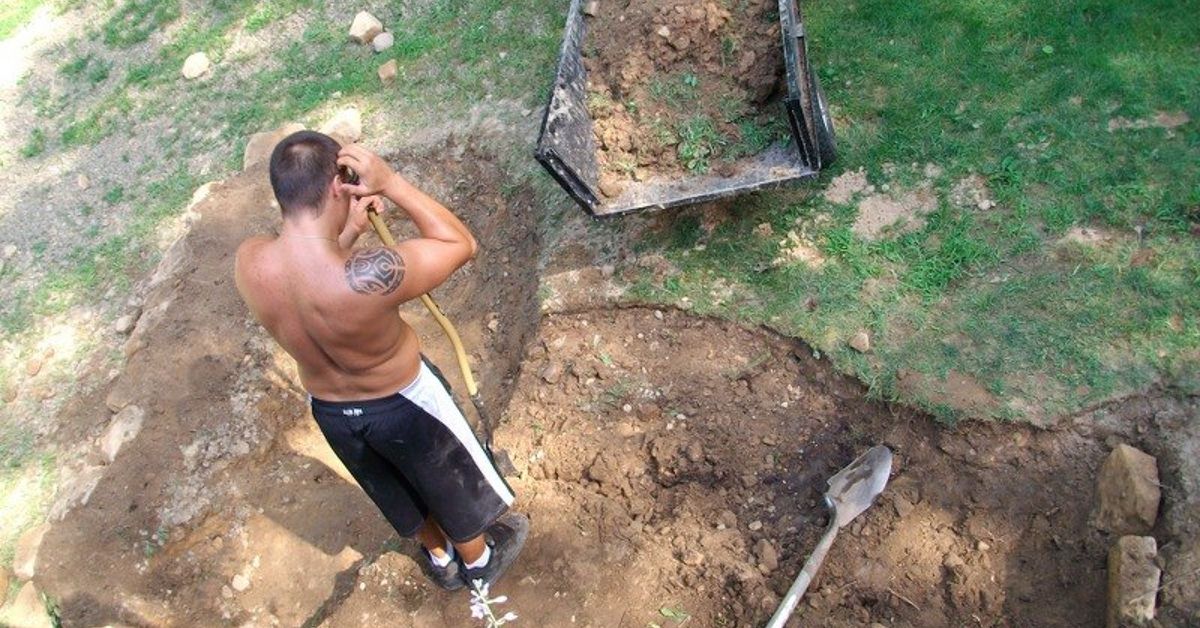
Instead of digging a straight-sided pit, create shelves at different depths. Shallow shelves hold marginal plants and rocks. Deeper zones provide cooler water for fish and more stable temperatures. Terraced edges also make rock placement easier and help prevent stones from sliding into the deepest part of the pond, where they will wait for your future self to retrieve them with great regret.
For many small backyard ponds, a depth of about 18 to 24 inches works well for plants and basic water features. Fish ponds may need deeper sections, especially in climates with hot summers or freezing winters. Always check local codes, safety rules, and climate needs before finalizing depth.
Make the Edges Level
Uneven pond edges are one of the most common DIY mistakes. Water will reveal the lowest edge immediately, because water has zero interest in protecting your pride. Use a long board and level, laser level, or string line to keep the perimeter even. A level edge prevents one side from looking empty while the other side overflows into your mulch.
Pond Liner, Underlayment, and Rock Basics
The liner is the hidden hero of a backyard pond. Flexible EPDM rubber liners are popular because they are durable, adaptable to organic shapes, and easier to work into shelves and curves than rigid forms. Underlayment goes beneath the liner to protect it from roots, sharp stones, and soil movement. Some DIYers also use old carpet as extra padding, but make sure anything you use is clean and free of chemicals.
Once the liner is in place, rocks and gravel help hide it, protect it from sunlight, and create a natural look. Use a mix of larger boulders, flat stones, river rock, and gravel. The trick is variety. If every stone is the same size, the pond can look like it was decorated by a vending machine.
How to Build a Backyard Waterfall That Looks Natural
A waterfall can be simple or elaborate, but the principle is the same: a pump moves water from the pond to a higher point, and gravity brings it back down. Gravity is very reliable. It has been doing this job for quite some time.
Build Height With Excavated Soil
Use soil from the pond excavation to build the waterfall berm. Compact it well so it does not settle dramatically later. A modest height can create plenty of sound and movement; you do not need a mountain unless your yard is auditioning for a theme park.
Shape the waterfall with a slight downward slope toward the pond. Add underlayment and liner beneath the waterfall route, overlapping the liner into the pond so water cannot escape behind the rocks. This is important. Escaping waterfall water has the sneaky persistence of a toddler avoiding bedtime.
Use Spill Stones for Better Flow
Flat spill stones create clean sheets or ribbons of water. Irregular stones create trickles, splashes, and natural cascades. A combination often looks best. Test the flow before permanently placing every rock. Adjust stones until the water falls into the pond instead of wandering sideways into your flower bed.
For a more natural sound, create multiple small drops instead of one loud plunge. A series of mini cascades produces a soothing, layered sound and often looks more realistic.
Pump and Filtration: The Heart of the Oasis
A pond pump keeps water moving. A filter helps remove debris and supports beneficial bacteria that break down waste. Together, they keep the pond clearer, healthier, and less likely to become a science experiment with landscaping.
Choose the Right Pump Size
Pump size depends on pond volume, waterfall height, tubing length, and desired flow. A pump may advertise a certain gallons-per-hour rating, but that rating drops as water is pushed uphill. This vertical rise is called head height. Measure from the pond surface to the waterfall spill point, then account for tubing distance and bends.
For a gentle waterfall, you may not need a roaring flow. For a wide waterfall, you need more volume to create a full sheet of water. When in doubt, read the pump curve chart, not just the big number on the box.
Use Mechanical and Biological Filtration
Mechanical filtration catches leaves, sludge, and visible debris. Biological filtration provides surface area for beneficial bacteria. These bacteria are tiny pond employees who work quietly, never ask for vacation, and help keep water balanced by processing organic waste.
Many backyard pond systems use a skimmer near the pond edge and a waterfall filter at the top of the cascade. The skimmer collects floating debris before it sinks, while the waterfall filter helps clean and aerate water before it returns to the pond.
Plants Make the Pond Feel Alive
A backyard pond without plants can look unfinished, like a living room with a couch but no lamps. Aquatic plants soften edges, shade the water, support wildlife, compete with algae for nutrients, and create that lush oasis effect.
Use a Mix of Plant Types
For a balanced water garden, include several plant categories:
- Marginal plants: Grow at the pond edge or in shallow water. Examples include iris, pickerel rush, sweet flag, and sedges.
- Floating plants: Shade the water and help reduce algae. Use only species appropriate and legal in your area.
- Submerged plants: Grow underwater and provide habitat and oxygenation.
- Water lilies: Add shade, flowers, and classic pond charm.
- Surrounding landscape plants: Ferns, hostas, ornamental grasses, native perennials, and shrubs help blend the pond into the yard.
Choose plants carefully. Some aquatic plants can become invasive if released into natural waterways. Buy from reputable nurseries and check local recommendations.
Should You Add Fish?
Fish can bring color, movement, and personality to a pond. Goldfish are generally easier for beginners than koi because koi grow large, produce more waste, and require more space and filtration. If you add fish, avoid overstocking. Too many fish can overwhelm the filter and lead to cloudy water, algae, and unhappy aquatic tenants.
Fish also need shade, oxygen, and protection from predators. Add hiding places with plants, rock overhangs, or fish caves. A pond net may be helpful in areas with herons, raccoons, or cats who believe your pond is an all-you-can-eat buffet.
Keeping Pond Water Clear Without Losing Your Mind
Clear pond water is not about dumping in miracle products every weekend. The long-term solution is balance: proper circulation, good filtration, reasonable fish load, enough plants, and fewer nutrients entering the water.
Control Nutrients Before They Become Algae
Algae thrives on excess nutrients such as nitrogen and phosphorus. These can come from lawn fertilizer, grass clippings, leaves, fish food, soil erosion, and pet waste. Keep fertilizer away from pond edges, sweep clippings off hard surfaces, remove fallen leaves, and avoid overfeeding fish.
A planted buffer around the pond can help filter runoff before it reaches the water. Even a small strip of dense planting is better than bare soil sloping straight into the pond.
Do Routine Maintenance
Weekly or biweekly maintenance does not need to be dramatic. Remove floating leaves, clean the skimmer basket, check pump flow, trim dead plant material, and top off water as needed. In fall, pond netting can save hours of leaf removal. In spring, clean out excess sludge and restart the system gradually.
Do not scrub everything spotless. A healthy pond is not a swimming pool. Some algae on rocks, biofilm in the filter, and tiny life forms in the water are part of the ecosystem. The goal is balanced, not sterile.
Lighting, Seating, and Finishing Touches
The magic of a backyard pond and waterfall multiplies at night. Low-voltage landscape lighting can highlight the waterfall, illuminate plants, and make the water shimmer after sunset. Use lighting sparingly. The goal is moonlit retreat, not airport runway.
Place seating where the sound of water is strongest and the view is best. A bench, pair of Adirondack chairs, small bistro table, or cushioned patio set can turn the pond into an outdoor room. Add stepping stones, mulch paths, containers, and natural accents to make the space feel intentional.
Common Backyard Pond Mistakes to Avoid
Many pond problems begin during construction. Avoid placing the pond in a runoff-heavy low spot. Do not make the pond too shallow if you plan to keep fish. Do not skip underlayment. Do not undersize the pump. Do not forget to overlap waterfall liner into the pond. And please, for the sake of future weekends, do not build vertical walls that make rock placement impossible.
Another common mistake is expecting zero maintenance. A backyard pond is lower maintenance when designed well, but it is not no maintenance. It is a living feature. Think of it less like installing a statue and more like adopting a very quiet garden pet.
Seasonal Care for a Pond and Waterfall
Spring
Spring is the time to inspect the liner edges, restart the pump if it was shut down, clean filters, divide aquatic plants, and remove winter debris. Start feeding fish only when water temperatures are consistently appropriate for their digestion.
Summer
Summer care focuses on topping off water, managing algae, trimming plants, and checking oxygen levels during hot weather. Waterfalls and fountains help keep water moving, which is especially valuable during heat waves.
Fall
Fall is leaf season, also known as “why is this tree personally attacking my pond?” Use netting before leaves drop heavily. Remove dying plant material so it does not decay in the pond over winter.
Winter
In cold climates, protect pumps and plumbing from freezing if the system is not designed to run year-round. If fish stay in the pond, maintain an opening in the ice for gas exchange. Never smash ice with force, because shock waves can harm fish.
Our Backyard Oasis Experience: What Living With a Pond and Waterfall Really Feels Like
The best part of having a backyard pond and waterfall is not the finished photo, although yes, you will take plenty of those. The best part is how the space changes your daily rhythm. Morning coffee feels slower. Evenings feel softer. A five-minute walk outside becomes a small reset. You start noticing things you used to miss: the first water lily bud, the way sunlight flashes on moving water, the dragonfly that appears every afternoon like it owns the deed.
Building our backyard oasis taught us that perfection is overrated. At first, every rock placement felt critical. We moved one flat stone eight times because the waterfall sheet kept splitting in the middle. At some point, we realized nature does not arrange itself with a ruler. A little unevenness made the waterfall look more authentic. The trick was to guide the water, not boss it around.
The pond also changed how we thought about landscaping. Before the water feature, plants were mostly decoration. Afterward, they became part of a system. We added marginal plants to soften the liner edge, taller grasses behind the waterfall for movement, and flowering perennials nearby to invite pollinators. The pond made the rest of the garden feel connected, as if the yard finally had a main character.
Maintenance became easier once we stopped treating every bit of algae like an emergency. A small amount of green growth on rocks looked natural and gave the pond character. The real focus was preventing excess nutrients: keeping leaves out, not overfeeding fish, rinsing filter pads when needed, and trimming plants before they collapsed into the water. Ten minutes of regular care beat three hours of dramatic rescue cleaning every time.
There were surprises, of course. Birds discovered the waterfall quickly. So did bees, butterflies, and one very confident squirrel who treated the edge like a personal drinking fountain. The sound of water attracted people too. Guests naturally drifted toward the pond, and conversations seemed to settle there. It became the backyard’s gathering point without needing a sign that said, “Relax here, please.”
At night, the pond turned into something completely different. A few warm lights near the waterfall and under nearby plants made the whole space glow. The moving water reflected the light in tiny ripples, and the sound felt louder after dark. It was peaceful in a way that no patio umbrella or outdoor rug had ever managed to be.
The biggest lesson? A backyard pond and waterfall is not just a project. It is an experience that keeps unfolding. Plants grow in, stones weather, wildlife arrives, and the water feature becomes more natural with time. The first day it looks new. After a season, it looks settled. After a year, it feels like it has always belonged there.
Conclusion
Creating a backyard oasis with a pond and waterfall is one of the most satisfying ways to transform an outdoor space. With careful planning, a level pond edge, durable liner, proper pump sizing, good filtration, thoughtful planting, and steady maintenance, a simple yard can become a peaceful water garden that looks beautiful and feels restorative.
The secret is balance. Moving water keeps the pond lively. Plants soften the design and support water quality. Rocks create structure. Good maintenance keeps problems small. And the waterfall? That is the soundtrack that makes the whole backyard feel calmer, cooler, and just a little more magical.
Whether you build a compact patio pond, a naturalistic wildlife pond, or a full backyard waterfall retreat, the reward is the same: a place to pause, breathe, and enjoy your own private slice of outdoor paradise. No boarding pass required.