
Note: This article is written from synthesized research on antique sewing machine cabinets, real upcycling projects, wood-care practices, and lead-safe renovation guidance. It is original, web-publishable content and not copied from any single source. For historical and safety accuracy, the article reflects information from museum records, DIY restoration examples, and EPA guidance.
Some antiques sit quietly in the corner, looking dignified. Others practically raise their little wooden hands and say, “Please, give me a second career.” Vintage sewing machine drawers belong firmly in the second group. These small wooden drawers, often rescued from old treadle sewing machine cabinets, have charm, history, craftsmanship, and just enough mystery to make guests ask, “Where did you get that?”
Repurposing vintage sewing machine drawers is one of those home decor ideas that feels both practical and poetic. You are not simply turning an old drawer into storage. You are preserving a piece of domestic history, giving it a new function, and preventing a beautiful object from ending up in the “maybe someone will want this someday” pile behind the garage. Spoiler alert: someone does want it. That someone is you, armed with sandpaper, imagination, and possibly coffee.
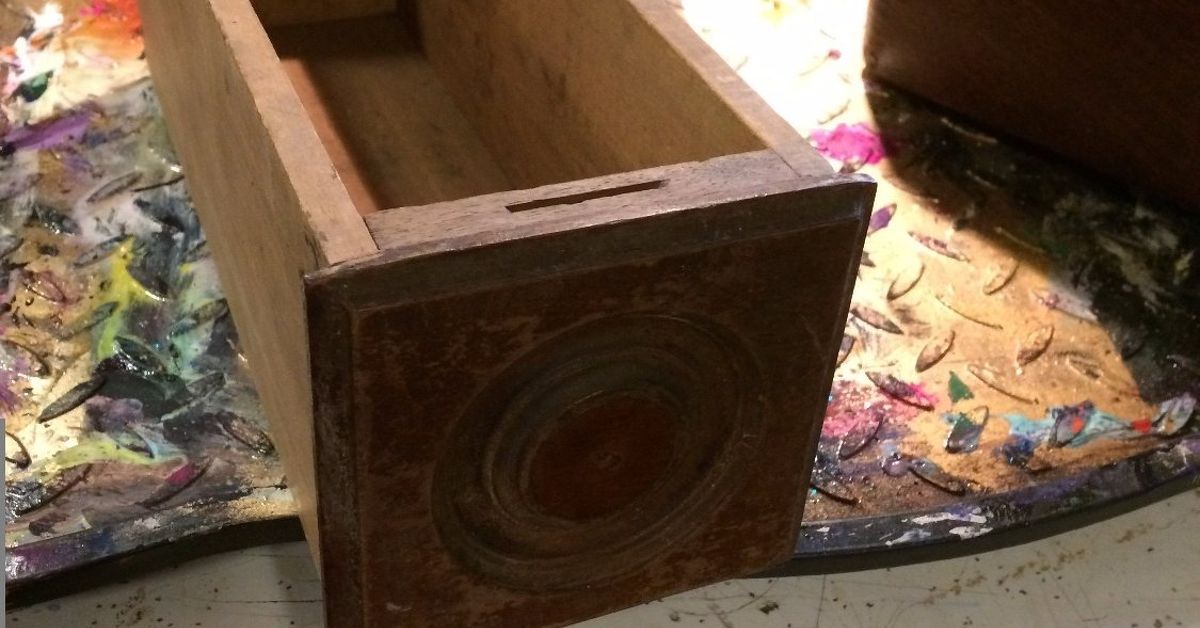
Many antique Singer-style treadle cabinets were built with multiple drawers for thread, bobbins, needles, scissors, and sewing notions. Museum examples show cabinets with side drawers, center drawers, hinged covers, and decorative treadle bases, proving that these pieces were designed as hardworking furniture, not just machinery stands. Today, the drawers often survive even when the machine or cabinet is damaged. That makes them perfect candidates for creative reuse.
Why Vintage Sewing Machine Drawers Are Worth Re-purposing
There is a reason vintage sewing machine drawers have become popular in farmhouse decor, cottage style, craft rooms, bathrooms, entryways, and antique booth displays. They are small enough to use almost anywhere but detailed enough to feel special. Unlike plain modern storage boxes, many antique sewing drawers have curved fronts, carved details, aged brass pulls, dovetail joints, warm wood tones, and the kind of patina that no factory can fake without trying a little too hard.
They Bring Instant Character
A brand-new plastic organizer may hold your keys, but it will not tell a story. A vintage sewing machine drawer can sit on a console table and look like it has opinions about the invention of email. Its worn edges and old hardware add texture to a space, especially in rooms that feel too modern, too flat, or too “I bought everything in one afternoon.”
They Are Surprisingly Useful
These drawers may be small, but they are storage ninjas. Use them for mail, remotes, craft supplies, makeup, bathroom essentials, seed packets, candles, tea bags, jewelry, sewing tools, or tiny objects that mysteriously multiply. One drawer can become a desktop organizer. Three can become a wall shelf. A set can become a rolling craft cart. The drawer may be old, but it is not retired; it is simply freelancing.
They Support Sustainable Decorating
Repurposing old drawers is part of a larger upcycling movement that turns overlooked furniture parts into useful home pieces. Home improvement and DIY publications regularly highlight the value of reusing old objects instead of sending them to landfills, whether that means turning salvaged drawers into shelves, storage bins, or decorative displays. Vintage sewing machine drawers fit beautifully into that philosophy because they are durable, decorative, and usually too lovely to waste.
Best Ideas for Vintage Sewing Machine Drawers Re-purposed
The best repurposed vintage sewing machine drawer ideas start with one question: do you want the drawer to store, display, organize, or simply look adorable while doing very little? There is no wrong answer. Some projects are beginner-friendly and need only cleaning and styling. Others require drilling, brackets, casters, paint, or a bit of woodworking.
1. Turn Them Into Wall Shelves
One of the most popular ways to repurpose antique sewing machine drawers is to mount them on the wall as shelves. The drawer becomes a small shadow box, perfect for tiny plants, candles, rolled washcloths, perfume bottles, vintage thread spools, or seasonal decor. The drawer front acts as a decorative frame, while the inside provides depth.
For a bathroom, mount two or three drawers vertically and use them for hand towels, jars of cotton balls, soap, and small toiletries. In a craft room, use them for ribbon, thread, buttons, stamps, or paint bottles. In a hallway, style them with a little framed photo, a bud vase, and one dramatic key that opens absolutely nothing but looks important.
2. Make a Tabletop Organizer
If drilling into walls is not your idea of weekend happiness, keep the drawer horizontal and use it as a tabletop organizer. A single vintage drawer on a desk can hold pens, sticky notes, clips, charging cords, and reading glasses. Add small dividers if you want a more structured layout.
On a kitchen counter, a drawer can organize tea bags, napkins, recipe cards, or coffee pods. On a nightstand, it can hold lip balm, a book, hand cream, and the phone charger that otherwise likes to disappear behind the furniture like a tiny electric snake.
3. Create a Mini Herb or Succulent Planter
Vintage sewing machine drawers make charming planters, especially for succulents, faux greenery, or herbs grown in removable pots. Because old wood can be damaged by moisture, avoid filling the drawer directly with wet soil unless you properly line it. A safer method is to place small nursery pots inside the drawer and hide them with moss, pebbles, or burlap.
For real plants, add a plastic liner or removable tray to protect the wood. For faux plants, enjoy complete freedom and zero guilt. Your fake lavender will never judge you for forgetting to water it, which is more than can be said for basil.
4. Build a Rolling Craft Storage Cart
Some DIYers have transformed antique sewing machine drawers into rolling storage by stacking or arranging several drawers in a custom frame with casters. This approach works especially well for craft rooms, sewing spaces, or studios where small tools need to be visible and portable. The Navage Patch, for example, documented an antique sewing machine drawer upcycle that turned old Singer drawers into craft-room storage with mobility and personality.
This project requires more planning than simply styling a drawer on a shelf, but the payoff is big. A rolling cart made from vintage drawers can hold scissors, glue sticks, paintbrushes, fabric scraps, yarn, patterns, or journaling supplies. It looks collected rather than cluttered, which is the holy grail of craft storage.
5. Use Them as Entryway Catch-Alls
An entryway needs a place for keys, sunglasses, dog leashes, wallets, and mail. A vintage sewing machine drawer handles the job beautifully. Place one on a console table, add a small dish for coins, and give every everyday item a home. The result is practical, but it still looks intentional.
If your household has more than one person, assign each drawer to a family member. Suddenly, everyone has a landing zone. Will they use it perfectly? Let us not get carried away. But at least the keys now have a fighting chance.
6. Make a Seasonal Centerpiece
Vintage drawers are excellent bases for centerpieces because they are long, narrow, and easy to style. For fall, fill one with mini pumpkins, dried wheat, pinecones, and candles. For winter, use greenery, ornaments, cinnamon sticks, and battery-operated lights. For spring, try moss, faux eggs, flowers, or seed packets. For summer, go with lemons, wildflowers, and a cheerful table runner.
The beauty of this idea is that the drawer itself does the heavy lifting. You do not need a complicated arrangement. A few simple elements look charming because the aged wood adds instant depth.
7. Design a Vintage Bathroom Organizer
Bathrooms love small storage, and sewing machine drawers love feeling useful. Place a drawer on the vanity to hold rolled washcloths, glass jars, lotion, perfume, or extra soap. If the drawer has an ornate front, face it outward for maximum vintage drama.
For powder rooms, mount a drawer above the toilet as a tiny shelf. Add a plant, a candle, and spare guest towels. It is functional, but it also says, “Yes, even my bathroom has a backstory.”
8. Convert One Into a Charging Station
With a little modification, a vintage drawer can hide charging cables while keeping devices organized. Drill a small hole in the back for cords, place a power strip behind or inside the drawer, and use the compartment for phones, earbuds, and smartwatches. This is a great way to blend modern convenience with antique style.
Just keep ventilation and safety in mind. Do not overload cords, do not trap heat, and avoid using damaged electrical accessories. The drawer may be vintage; your wiring should not be.
How to Prepare Vintage Sewing Machine Drawers for Reuse
Before turning an old drawer into decor, give it a careful inspection. Antique drawers may have loose joints, flaking finish, musty odors, old nails, splinters, missing pulls, or mystery dust from three generations ago. A little preparation makes the finished project safer, cleaner, and longer-lasting.
Step 1: Inspect the Drawer
Look for cracks, loose veneer, wobbly corners, sharp edges, and signs of insect damage. Check whether the drawer pull is secure. If the wood feels fragile, avoid heavy-duty projects like wall mounting until it is repaired. For display-only uses, small cosmetic flaws are usually part of the charm.
Step 2: Clean Gently
Antique wood should be cleaned with care. Restoration guidance commonly recommends using a soft cloth, minimal moisture, and mild soap only when needed. Excess water, harsh chemicals, steam, alcohol, ammonia, and aggressive cleaners can damage old finishes. Wipe the drawer in small sections and dry it immediately. Think “spa day,” not “pressure-washer rodeo.”
Step 3: Remove Odors
Old drawers sometimes smell musty because they spent decades holding fabric, thread, oil, dust, or attic air. Place baking soda, charcoal bags, or crumpled newspaper inside for several days. Fresh air helps too, but avoid leaving the drawer in harsh sun for long periods because heat can dry or warp old wood.
Step 4: Repair Loose Parts
Use wood glue for loose joints and clamps if needed. Fill missing veneer or deep gouges with wood filler if you plan to paint. If you want to preserve the original aged look, repair only what affects safety or function. Not every nick needs to be erased. Some dents are just history wearing a tiny hat.
Step 5: Sand Carefully
Light sanding can smooth splinters and rough edges, but do not aggressively sand away decorative details or old patina unless that is your goal. If the finish may be old paint or unknown coating, be cautious. The EPA warns that renovation or repair work involving pre-1978 painted surfaces can create hazardous lead dust, and old furniture may also contain lead-based paint or varnish. When in doubt, test first and use lead-safe practices.
Step 6: Choose a Finish
You can leave the drawer natural, refresh it with furniture wax, seal it with clear topcoat, stain it, paint it, or line the inside with paper or fabric. Natural finishes highlight age and grain. Paint can brighten damaged pieces or help mismatched drawers feel coordinated. Clear sealers are especially useful if the drawer will hold bathroom items, plants, or craft supplies.
Design Styles That Work Beautifully
Vintage sewing machine drawers are wonderfully flexible. They can look rustic, elegant, quirky, romantic, or industrial depending on how you finish and style them.
Farmhouse Style
For farmhouse decor, keep the wood warm and slightly worn. Add white ceramics, greenery, linen, enamelware, or galvanized metal accents. A drawer filled with mason jars and fresh herbs fits right in.
Cottage and Shabby Chic
Paint the drawer in soft white, cream, pale blue, sage, or blush. Lightly distress the edges so the original wood peeks through. Add floral paper lining or vintage lace for a softer look. This style is especially lovely for bedrooms, bathrooms, and craft spaces.
Industrial Vintage
Pair darker drawers with black metal brackets, pipe shelving, leather pulls, or wire baskets. This works well in offices, workshops, and masculine-leaning interiors without making the room feel like a hardware store moved in permanently.
Eclectic Maximalist
Paint each drawer a different color, add patterned wallpaper inside, and style them with bold collectibles. Vintage sewing drawers can hold tiny treasures, and maximalism gives them permission to show off.
Where to Find Vintage Sewing Machine Drawers
You can find antique sewing machine drawers at flea markets, estate sales, salvage shops, antique malls, online marketplaces, yard sales, and sometimes curbside if the furniture gods are smiling. Many sellers part out damaged treadle cabinets when the machine is missing or the base is broken. Online listings frequently describe them as antique Singer drawers, treadle cabinet drawers, sewing machine cabinet drawers, primitive storage, farmhouse decor, or vintage wooden boxes.
Before buying, check the condition, smell, dimensions, hardware, and whether the drawer sits flat. A little wear is fine. Severe mold, active pests, heavy water damage, or crumbling wood may turn a charming project into a tiny haunted renovation.
Common Mistakes to Avoid
Repurposing vintage sewing machine drawers is beginner-friendly, but a few mistakes can make the project harder than necessary.
Do Not Over-Clean the Patina Away
Patina is part of the appeal. Scrubbing too hard can remove color, finish, and character. Clean the grime, not the soul.
Do Not Ignore Weight Limits
If mounting drawers as wall shelves, use proper anchors and make sure the drawer is structurally sound. These drawers were built to hold thread and notions, not a bowling ball collection.
Do Not Skip Moisture Protection
If using drawers in bathrooms or as planters, protect the wood with a liner, tray, or sealant. Old wood and standing water have the same relationship as cats and surprise baths.
Do Not Paint Valuable Pieces Too Quickly
Some antique drawers have collectible value, especially if they are part of a complete cabinet or have rare detailing. If you suspect a piece is valuable, research it before making permanent changes. Paint is fun, but regret is a terrible topcoat.
Personal Experience: What Re-purposing Vintage Sewing Machine Drawers Teaches You
Working with vintage sewing machine drawers is different from buying a ready-made storage bin. A new organizer arrives blank, perfect, and emotionally unavailable. An antique drawer arrives with quirks. Maybe the pull is slightly crooked. Maybe one side is darker than the other. Maybe it smells faintly like cedar, machine oil, and someone’s great-aunt’s sewing room. That is not a flaw. That is the introduction.
The first lesson is patience. You may want to rush straight to painting, drilling, styling, and taking the proud “after” photo. But old wood rewards slower work. Cleaning gently, letting the drawer dry, checking the joints, and deciding what to preserve are all part of the process. Sometimes the best decision is not to transform the drawer dramatically. Sometimes all it needs is a wipe-down, a little wax, and a new job holding handwritten recipe cards.
The second lesson is that imperfections often make the project better. A small scratch on the front can become the reason you choose a rustic finish. A missing knob gives you permission to add a glass pull, brass cup handle, or leather loop. A stained interior can be covered with vintage-style paper, fabric, cork, or thin wood. The drawer leads the design if you listen. Yes, listening to furniture sounds strange, but anyone who has restored old pieces knows exactly what that means.
The third lesson is that small projects build confidence. Repurposing a large dresser can feel intimidating. A sewing machine drawer is manageable. You can finish one in an afternoon, learn how old finishes behave, practice sanding, test paint colors, or experiment with shelf mounting. If the project goes sideways, it is not a disaster; it is a “learning opportunity,” which is adult language for “well, that got weird.”
The fourth lesson is that these drawers are excellent conversation starters. Put one on a coffee table filled with old postcards, and people will ask about it. Mount one in the bathroom, and guests will notice it. Use one as a desk organizer, and suddenly your pens look like they live in a boutique hotel. Vintage pieces create connection because they carry visible history. Even when you do not know the original owner, you can imagine the drawer holding thread, scissors, thimbles, and small tools from a time when mending clothes was normal household rhythm.
The fifth lesson is that repurposing makes decorating feel personal. Anyone can buy a shelf. Not everyone has a shelf made from a century-old sewing machine drawer rescued from an estate sale and lined with wallpaper found in a thrift store. That kind of piece cannot be duplicated exactly. It has your choices in it: your finish, your use, your placement, your tiny argument with the crooked screw that eventually surrendered.
Finally, vintage sewing machine drawers teach the value of seeing potential. A drawer separated from its cabinet could look like a leftover part. But with imagination, it becomes a wall shelf, planter, organizer, centerpiece, charging station, or craft storage box. That is the magic of upcycling. It asks you to look again. It turns “old” into “interesting,” “worn” into “warm,” and “what is this thing?” into “where did you get that?”
Conclusion
Vintage sewing machine drawers re-purposed into home decor are more than clever DIY projects. They are small pieces of craftsmanship with a second life waiting inside them. Whether you mount them as wall shelves, turn them into organizers, style them as centerpieces, or build a rolling craft cart, these drawers bring storage, beauty, and history into everyday spaces.
The key is to respect the age of the piece while giving it a useful role. Clean gently, repair thoughtfully, protect the wood, and choose a design that fits both the drawer and your home. The result will not look mass-produced, and that is exactly the point. A vintage sewing machine drawer does not want to blend into the background. It wants to sit proudly on your wall or table and whisper, “I used to hold bobbins. Now I hold your mail. I contain multitudes.”