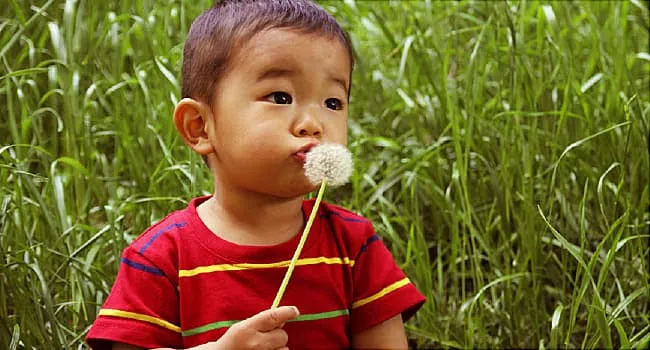

Your baby is 1. Congratulations! You have officially survived a year of mysterious cries, tiny socks that vanish like magic, and more photos than your phone storage was emotionally prepared to handle. At 12 months old, your baby is no longer just a baby in the “eat, sleep, repeat” stage. Your 1-year-old is turning into a curious little explorer with opinions, favorite games, dramatic food reviews, and a strong desire to inspect every cabinet in the house.
Baby development at 1 year old is exciting because so many skills begin to connect. Your child may be pulling up, cruising along furniture, pointing, babbling, waving, copying sounds, feeding themselves with fingers, and testing cause and effect by dropping a spoon from the high chair for the 47th time. This is not random chaos. Well, it is a little chaotic. But it is also learning.
This guide walks through the major 1-year-old milestones, including physical development, language, social skills, feeding, sleep, safety, play, and when to talk with your pediatrician. Remember: development is not a race. Babies grow on their own timelines, and there is a wide range of normal. Your job is not to turn your living room into a baby boot camp. Your job is to provide love, safety, routine, and opportunities to practice new skills.
What Should a 1-Year-Old Be Doing?
At 12 months, many babies are busy combining movement, communication, and problem-solving. Some take their first independent steps around this age. Others prefer crawling, scooting, bear-walking, or holding onto furniture while cruising with the confidence of a tiny CEO inspecting the office.
Common 1-year-old developmental milestones include pulling to stand, walking while holding onto furniture, using the thumb and pointer finger to pick up small foods, placing objects in containers, looking for hidden toys, waving “bye-bye,” copying sounds, and responding to simple words or gestures. Some babies say “mama,” “dada,” or another meaningful word. Others communicate mostly through gestures, facial expressions, and passionate pointing.
The key is progress. A baby who is becoming more engaged, curious, responsive, and coordinated is building important foundations, even if every milestone does not arrive exactly on the birthday cake schedule.
Physical Development: From Wobbly Standing to Busy Cruising
Physical development at 1 year old is all about strength, balance, coordination, and mobility. Your baby may pull up to stand, sit down with more control, crawl quickly, cruise along the couch, or take a few steps while holding your hands. Some 1-year-olds walk independently; many do not yet. Walking can happen earlier or later, and a later walker may still be completely healthy.
Gross Motor Skills
Gross motor skills involve large muscles in the arms, legs, neck, and trunk. At this age, babies are practicing standing, squatting, climbing, crawling, cruising, and walking. They may enjoy pushing sturdy toys, crawling through tunnels, climbing onto low cushions, or dancing when music starts. Dancing may look like bouncing knees and flapping arms, but to your baby, it is a full concert performance.
Support motor development by giving your child safe floor time every day. Avoid keeping your baby in seats, walkers, swings, or strollers for long periods when they could be moving and exploring. A safe, open space with supervision is better than fancy gear. Babies learn by doing, falling gently, trying again, and occasionally looking at you as if the floor betrayed them personally.
Fine Motor Skills
Fine motor development is just as important. Many 1-year-olds can use a pincer grasp, which means they pick up small objects between the thumb and pointer finger. This skill helps with self-feeding, turning pages, stacking blocks, and exploring textures.
Offer safe finger foods, chunky board books, stacking cups, soft blocks, and simple toys that can be put in and taken out of containers. Your baby may enjoy filling a bowl with blocks and dumping them out again. This may not look impressive to adults, but for a 1-year-old, it is science, engineering, and comedy all in one activity.
Language Development: Talking Before the Words Arrive
Language development at 1 year old includes much more than spoken words. Your baby is learning how communication works: sounds have meaning, gestures get responses, and people take turns. A 1-year-old may babble with rhythm, copy sounds, turn toward familiar voices, respond to their name, understand simple phrases, and use gestures like pointing, reaching, waving, or shaking the head “no.”
Some babies say a few words by their first birthday. These may include “mama,” “dada,” “uh-oh,” “bye,” or a favorite pet’s name. Other babies may not say clear words yet but understand more than they can express. Receptive language, or what your baby understands, often develops before expressive language, or what your baby can say.
How to Encourage Speech at 12 Months
Talk to your child throughout the day in simple, warm language. Narrate normal routines: “You found your shoe,” “The banana is soft,” or “Now we wash hands.” Read board books, sing songs, name objects, and pause so your baby can respond with a sound, gesture, or delighted squeal.
Avoid turning language practice into a quiz show. Instead of asking “What’s this?” over and over, model words naturally. If your baby points to a dog, say, “Yes, dog! The dog says woof.” If your child drops a spoon, say, “The spoon fell down.” If they drop it again, you may say, “The spoon fell down again,” while silently considering a career in spoon retrieval.
Social and Emotional Development: Big Feelings in a Small Package
Your 1-year-old is developing a stronger personality. They may show affection, prefer familiar people, become shy around strangers, cry when you leave, or bring you toys to share attention. Separation anxiety is common around this stage. It does not mean your child is spoiled. It means they understand that you are important and that you can leave, which is both a cognitive milestone and a tiny heartbreak.
Social development also includes imitation. Your baby may copy clapping, brushing hair, pretending to talk on a phone, or stirring an empty bowl. These early pretend behaviors are the seeds of imagination. They also explain why your child may ignore expensive toys and become deeply attached to a measuring cup.
Handling Separation Anxiety
Use short, consistent goodbyes. Say, “I’ll be back after snack,” offer a hug, and leave calmly. Sneaking away can make anxiety worse because your baby may begin to worry that you disappear without warning. A predictable routine helps your child feel safer, even if there are tears at first.
Comfort objects, familiar caregivers, and repeated routines can make transitions easier. Your child is learning trust through repetition: you leave, you return, and the world keeps spinning.
Cognitive Development: Your Baby the Tiny Scientist
Cognitive development at 1 year old is full of experiments. Your baby may put objects in containers, look for hidden toys, bang blocks together, press buttons, open lids, and repeat actions to see what happens. This is how babies learn cause and effect.
When your child drops food from the high chair, they are not necessarily trying to ruin dinner. They may be studying gravity, sound, your facial expression, and whether the dog appears. Unfortunately, the dog often appears, which makes the experiment worth repeating.
Support learning with simple games. Play peekaboo, hide a toy under a blanket, stack cups, roll a ball back and forth, or let your baby explore safe household objects like plastic bowls and wooden spoons. Babies do not need constant entertainment. They need safe chances to explore and responsive adults who notice what interests them.
Feeding Your 1-Year-Old: Welcome to the Toddler Menu
At 1 year old, many children begin shifting from infant feeding patterns toward toddler meals and snacks. Breast milk can continue as long as parent and child want. Formula-fed babies usually transition away from infant formula around 12 months, unless a pediatrician recommends otherwise. Many toddlers drink whole cow’s milk after their first birthday, though families should ask their pediatrician about the best choice if there are allergies, growth concerns, or specific medical needs.
Your 1-year-old can eat many of the same healthy foods as the family, prepared safely. Offer soft fruits, cooked vegetables, scrambled eggs, beans, yogurt, oatmeal, pasta, shredded chicken, fish without bones, and small pieces of toast. Aim for variety, not perfection. Some days your toddler will eat like a tiny athlete. Other days they will survive on air, blueberries, and suspicion.
Self-Feeding and Cups
Finger feeding is important practice. Let your child pick up soft foods and try using a spoon, even if the spoon mostly becomes a catapult. Encourage drinking from an open cup with help or a straw cup. Many families begin moving away from bottles during this period, often by gradually replacing bottle times with cup times.
Juice is not necessary for toddlers. If offered, choose 100% fruit juice and keep it limited. Whole fruit is usually a better choice because it provides fiber and helps toddlers practice chewing.
Choking Prevention
At this age, choking prevention is essential. Toddlers are still learning how to chew and swallow safely. Avoid or carefully modify high-risk foods such as whole grapes, hot dog rounds, popcorn, nuts, hard candy, raw carrot chunks, large pieces of meat, thick globs of nut butter, and chunks of cheese. Cut round foods into small pieces, cook hard vegetables until soft, spread nut butter thinly, and always supervise meals.
Meals should happen while your child is seated, not running, playing, or lying down. Toddlers are talented multitaskers, but “running with a mouth full of food” is one skill they do not need to master.
Sleep at 1 Year Old: Routines, Naps, and Nighttime Surprises
Many 1-year-olds sleep around 11 to 14 hours in a 24-hour period, including naps, though individual needs vary. Some children still take two naps; others begin moving toward one longer nap. Sleep may be disrupted by teething, illness, growth spurts, separation anxiety, travel, or the sudden realization that standing in the crib is possible.
A predictable bedtime routine can help. Keep it simple: bath, pajamas, brushing teeth, book, song, goodnight. The routine should be calming and repeatable. It does not need to involve fourteen stuffed animals, a full musical performance, and a parent crawling backward out of the room like a spy. Though, admittedly, many parents have tried that.
Safe Sleep Reminders
Use a safe sleep space with a firm, flat mattress. Avoid loose bedding, pillows, and soft items for babies under 12 months. After the first birthday, ask your pediatrician about what is appropriate for your child’s sleep setup, especially if your baby was born preterm or has medical concerns.
Health Checkups, Vaccines, and Dental Care
The 12-month well-child visit is a major checkpoint. Your pediatrician will measure growth, review feeding and sleep, check development, discuss safety, answer questions, and provide recommended vaccines. Depending on your child’s vaccine history and the current schedule, the 12-month visit may include vaccines such as MMR, varicella, hepatitis A, Hib, pneumococcal, influenza, or others recommended by your doctor.
This is also a great time to ask about lead screening, anemia screening, fluoride, food allergies, sleep concerns, constipation, and behavior. Bring your questions. Pediatricians have heard everything. Your question about whether your child’s obsession with the laundry basket is normal will not be the strangest part of their day.
First Dental Visit
Children should see a dentist after the first tooth appears and no later than the first birthday. Early dental visits help prevent cavities and give parents guidance on brushing, fluoride, bottle habits, and snacks. Brush your child’s teeth twice a day with a small smear of fluoride toothpaste, unless your dentist or pediatrician gives different instructions.
Safety for a Newly Mobile 1-Year-Old
A mobile 1-year-old can turn an ordinary room into an obstacle course. Babyproofing becomes more serious now because your child may pull up, reach higher, open drawers, climb, and move faster than expected.
Anchor furniture and televisions, use safety gates near stairs, lock cabinets with cleaning products or medications, cover outlets, keep cords out of reach, and remove small objects that could be choking hazards. Keep hot drinks away from edges, turn pot handles inward, and use back burners when possible. In the bathroom, never leave your child alone near water, even for a moment.
In the car, your 1-year-old should ride in the back seat in an appropriate car seat. Many children are safest rear-facing as long as they remain within the height and weight limits of their car seat. Check the seat manual and local laws, and ask a certified car seat technician if you are unsure.
Best Toys and Activities for 1-Year-Old Development
The best toys for a 1-year-old are simple, safe, and open-ended. Think stacking cups, shape sorters, board books, soft balls, push toys, nesting containers, bath cups, musical toys, chunky puzzles, and pretend-play objects like toy phones or spoons.
Simple Development-Boosting Activities
Try these everyday activities:
- Read daily: Point to pictures, name objects, and let your baby turn pages.
- Play copycat: Clap, wave, make animal sounds, and wait for your child to imitate.
- Practice problem-solving: Hide a toy under a cloth and encourage your baby to find it.
- Encourage movement: Place favorite toys just out of reach to motivate crawling or cruising.
- Sing songs: Repetitive songs build memory, rhythm, and language.
- Let them help: Give your toddler a cloth to “wipe” the table or a bowl to stir.
Screen time is not necessary for 1-year-olds. Real interaction with people, objects, books, music, and movement is far more useful for early learning. A video may hold attention, but your silly voice while reading a board book builds connection and language.
When to Talk With Your Pediatrician
Every child develops at their own pace, but certain signs deserve a conversation with your pediatrician. Ask for guidance if your 1-year-old does not crawl or move toward mobility, cannot stand with support, does not search for hidden objects, does not point or gesture, does not say simple sounds or words, does not respond to their name, loses skills they once had, or seems unusually stiff, floppy, or disconnected.
Do not wait because you are afraid of overreacting. Early support can make a big difference, and asking questions does not label your child. It simply gives you more information. Parents are not expected to diagnose delays at the kitchen table between snack cleanup and laundry.
Real-Life Experiences: What Life With a 1-Year-Old Actually Feels Like
Living with a 1-year-old is a strange mix of joy, comedy, exhaustion, and constant surprise. One morning, your child may proudly take two steps toward you, and you will feel like you just witnessed an Olympic event. Ten minutes later, that same child may sob because you prevented them from licking a shoe. This is toddler life: emotional weather with sudden changes and occasional flying crackers.
Many parents describe the first birthday as a turning point. The baby becomes more interactive, more expressive, and more determined. You may notice your child bringing you a book, handing you a toy, or looking back to make sure you are watching before trying something new. These small moments are powerful. They show trust, curiosity, and the beginning of shared attention, which is a major part of communication and learning.
Mealtimes can become both fun and messy. A 1-year-old may love avocado on Monday and treat it like an insult on Tuesday. This does not mean you failed as a chef. Toddlers often need repeated exposure to foods before accepting them. A practical approach is to offer one or two familiar foods alongside something new. Keep portions small. A tablespoon can look like a feast to a tiny stomach. Also, lower your expectations for cleanliness. Yogurt in the hair is not ideal, but it is practically a developmental badge.
Sleep may also bring surprises. Some 1-year-olds sleep long stretches; others wake during teething, illness, or separation anxiety. Parents often feel pressure to have a perfect sleep schedule, but real life includes travel, family events, growth spurts, and nights when the bedtime routine goes completely off-script. Consistency helps, but flexibility keeps everyone sane. A calm routine repeated most nights matters more than perfection.
Play at this age is wonderfully ordinary. Your child may ignore the toy you researched for three hours and spend twenty minutes opening and closing a cabinet door. That is not wasted time. They are learning movement, sound, repetition, control, and prediction. Parents can support this by creating safe “yes spaces,” where the child can explore without hearing “no” every twelve seconds. A lower kitchen drawer filled with safe plastic containers can be more exciting than a toy store.
Emotionally, the 1-year-old stage asks parents to practice patience. Your child wants independence but still needs constant help. They want to communicate but do not have enough words. They want the banana, but not that banana, because it broke, and now life is difficult. The best response is usually calm naming: “You’re upset. The banana broke. I can help.” This does not magically stop every meltdown, but it teaches emotional language over time.
The biggest experience many parents share is this: the days feel long, but the changes happen fast. Take videos of the babbling. Write down the funny almost-words. Let the laundry wait occasionally. A 1-year-old does not need a perfect parent, a perfect routine, or a perfect developmental checklist. They need safety, affection, conversation, play, healthy food, sleep, medical care, and loving adults who cheer for tiny progress. And when your baby claps for themselves after stacking one block, clap too. Honestly, they have the right idea.
Conclusion
Your 1-year-old is growing in every direction: physically, socially, emotionally, and mentally. This stage brings first steps, first words, new foods, stronger opinions, and a growing desire to explore the world one drawer at a time. Support baby development with safe movement, simple play, daily reading, responsive communication, healthy meals, good sleep routines, regular checkups, and plenty of patience.
Most importantly, enjoy the small moments. The wave, the giggle, the wobbly step, the proud clap, the sleepy head on your shoulderthese are not just cute memories. They are signs of a child learning connection, confidence, and trust. Your 1-year-old is not just growing bigger. They are becoming themselves.