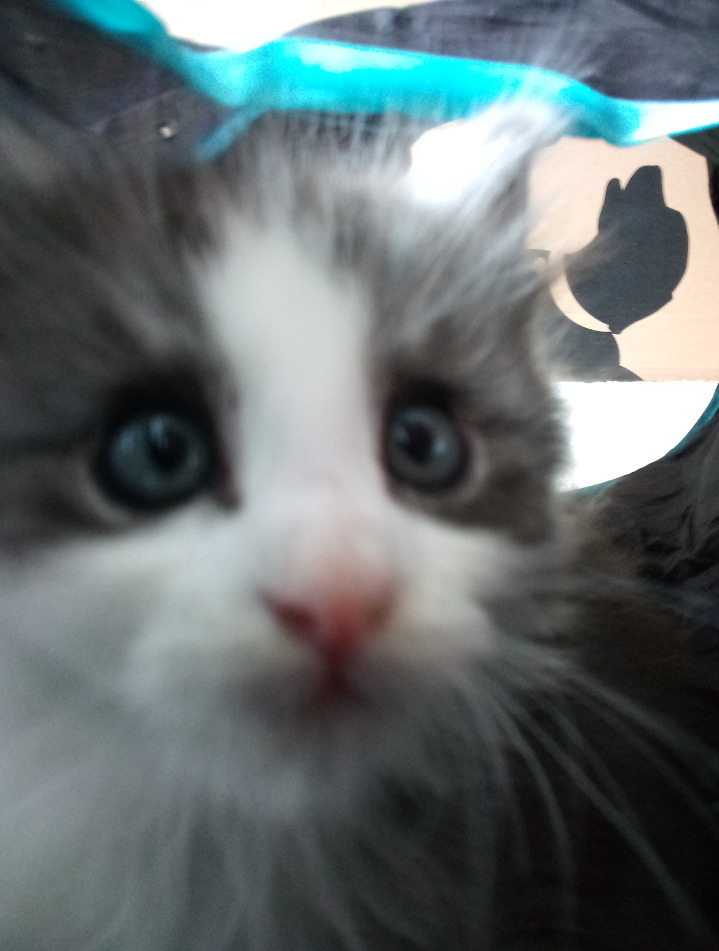

There are ordinary photographs, and then there are cat photographs: tiny digital masterpieces featuring suspicious stares, gravity-defying naps, midnight zoomies, and at least one paw placed directly where it does not belong.
Today’s invitation is delightfully simple: show us a picture of your cat. It can be a polished portrait, a blurry action shot, a kitten photo from years ago, or photographic evidence that your feline has been secretly reorganizing the household. Perfect lighting is optional. Personality is not.
Every cat picture tells a story. Some introduce us to elegant senior cats who have mastered the art of quiet judgment. Others capture orange kittens making decisions with the confidence of a CEO and the planning ability of a dropped sandwich. Together, these images create a warm, funny community gallery celebrating the strange and wonderful experience of living with cats.
Why the Internet Never Gets Tired of Cat Pictures
The internet has changed dramatically over the years, but one important cultural institution remains undefeated: people sharing pictures of cats. Trends arrive, explode, and disappear before your phone finishes updating. Cats simply continue sitting in boxes, interrupting video calls, and becoming accidental celebrities.
Part of the appeal is variety. Cats can look regal and ridiculous within the same five-second period. A carefully composed portrait may make a tabby resemble an oil-painted aristocrat. The next frame shows that same aristocrat licking a grocery bag.
Cat photos are also instantly relatable. Even when viewers have never met the animal, they recognize the familiar behaviors: the intense focus on an invisible wall, the dramatic refusal to eat a slightly rearranged meal, or the occupation of a laptop five seconds before an important deadline.
Most importantly, personal cat pictures offer something that stock photography cannot manufacture: history. The scratched chair in the background, the worn blanket, and the familiar windowsill all reveal a life shared between an animal and a family. The image becomes more than “a cute cat.” It becomes a small record of belonging.
What Kind of Cat Picture Should You Share?
There is no wrong answer, assuming the picture is safe, respectful, and actually contains a cat. Your feline does not need professional grooming, a dramatic backdrop, or an agent negotiating snack-based compensation.
The Classic Portrait
A clear photograph of your cat’s face is always welcome. Focus on the eyes and let the whiskers, markings, and expression do the work. Cats have an impressive ability to communicate everything from peaceful affection to “I saw what you did with the treat bag.”
The Unflattering Masterpiece
Some of the best cat pictures are technically terrible. Perhaps the camera caught a sneeze, a yawn, or a sudden turn that transformed your pet into a fuzzy cryptid. These imperfect images often reveal more personality than a perfectly posed photograph.
The Sleeping Position Nobody Can Explain
Cats appear to contain fewer bones when asleep. Share the twisted paws, upside-down heads, compressed loaf shapes, and dramatic belly displays. A cat sleeping with complete confidence is one of the clearest signs that a home feels safe.
The Then-and-Now Comparison
Pair a kitten picture with a recent photograph. Growth comparisons can be sweet, funny, and occasionally shocking. That tiny creature once sleeping inside a shoe may now occupy three-quarters of the couch and charge rent in fur.
The Daily Routine
A cat does not need to be performing a stunt. Show us breakfast supervision, window watching, blanket burrowing, toy hunting, or the evening patrol from room to room. Ordinary routines often become the photographs owners treasure most later.
The Mischief Report
Have you documented a shredded paper towel roll, a stolen sock, or a plant mysteriously relocated to the floor? Share the evidence. Naturally, the defendant will deny all allegations despite being photographed at the scene.
How to Take a Better Picture of Your Cat
Cats are not unreliable photography subjects. They are independent creative directors with very specific working conditions. Learning to follow their pace can dramatically improve your results.
Use Soft Natural Light
Place yourself near a bright window or photograph outdoors in a secure enclosure. Soft daylight reveals fur texture and eye color without producing the harsh look of direct flash. A sheer curtain can diffuse strong sunlight and create an easy portrait setup.
Dark-coated cats may need extra attention because cameras sometimes underexpose their faces. Tap your cat’s face on your phone screen to set focus and exposure, then raise the brightness slightly while preserving detail in the fur.
Focus on the Eyes
Sharp eyes give a portrait emotional impact, even when the nose or ears are slightly softer. Many modern phones and cameras can detect animal faces or eyes automatically, but it is still worth checking the focus before taking the shot.
When your cat is moving, use burst mode, Live Photos, or continuous shooting. You may capture twenty images of a tail exiting the frame, but number twenty-one could be magnificent.
Get Down to Cat Level
Photographing from the floor allows viewers to enter the cat’s world. Instead of looking down from a human perspective, you can capture eye-level expressions, powerful whisker details, and the heroic scale of a feline approaching an empty food bowl.
Clean Up Only What Matters
You do not need to transform your home into a studio. Simply remove distracting items from behind the cat. A plain wall, blanket, sofa, or patch of carpet can create a clean background while keeping the photograph authentic.
Use Toys Without Creating Pressure
A wand toy, crinkly object, or familiar sound can briefly direct your cat’s attention toward the camera. Keep the session short and reward participation with play, praise, or an appropriate treat. The goal is to capture curiosity, not conduct a three-hour fashion campaign.
Photograph the Moment You Actually Have
If your cat refuses to look at the lens, photograph the profile. If the cat walks away, capture the tail. If the carefully planned portrait becomes a close-up of one nostril, congratulations: you have documented the authentic cat-owner experience.
Let Your Cat’s Comfort Come First
A memorable photograph is never worth frightening or frustrating an animal. Cats communicate discomfort through posture, movement, facial expression, and vocalization. Learning those signals makes photography safer and improves the bond between cat and owner.
A relaxed cat may have soft muscles, forward-facing ears, loose whiskers, and a comfortably positioned tail. Signs of stress can include crouching, hiding, flattened or sideways ears, dilated pupils, tense muscles, rapid tail movements, growling, or attempts to escape.
When your cat turns away, leaves, freezes, or becomes agitated, stop the session. Do not hold the animal in place, repeatedly reposition its body, or use punishment. Give the cat a quiet exit and try another day.
Costumes and props require similar caution. A lightweight accessory may be acceptable to a cat already comfortable wearing it, but a frightened animal should never be dressed merely for entertainment. Avoid anything restrictive, heavy, noisy, sharp, or easy to swallow.
Be especially patient with kittens, senior cats, recently adopted animals, and cats experiencing illness or pain. A sudden change in tolerance, activity, posture, or behavior may deserve veterinary attention rather than another photo attempt.
How to Write a Caption People Will Remember
The photograph earns attention; the caption introduces the star. Begin with your cat’s name, age, personality, or the situation surrounding the image. One specific detail is usually more charming than a paragraph full of generic praise.
For example, “This is Luna, and she sleeps in the sink whenever the temperature rises above 70 degrees” immediately creates a character. “My cute cat” is accurate, but it leaves the audience with fewer reasons to remember Luna.
Try one of these caption approaches:
- The official introduction: “Meet Walter, a 12-year-old tabby and unpaid neighborhood-watch supervisor.”
- The confession: “Miso was told not to enter the cabinet. Miso has rejected the court’s authority.”
- The miniature story: “We bought her a luxurious bed. She chose the shipping box and has lived there for six days.”
- The cat’s imagined dialogue: “You opened the refrigerator without consulting me.”
- The sentimental memory: “This was his first afternoon home, when he finally stopped hiding and fell asleep beside me.”
Humor works best when it matches the photograph. You do not have to attach a complicated joke to every whisker. Sometimes the funniest caption is a plain description of an obviously absurd situation.
Share the Story, Not Your Private Information
Before uploading a cat picture, inspect the entire frame. Photos can accidentally reveal addresses, school names, workplace badges, financial documents, medication labels, vehicle plates, computer screens, family photographs, or other personal details.
Location information may also be attached to an image or inferred from recognizable landmarks. Review the privacy and location settings on your phone, camera, photo-storage service, and social platform. Consider removing location details when posting publicly, especially if the photograph reveals your home or daily routine.
Remember that an image shared online may be copied, saved, reposted, or edited. Choose a photograph you would be comfortable seeing beyond the original community. When other people appear in the frame, ask permission before publishing it.
A discreet watermark can help identify your original photograph, although it cannot completely prevent reuse. Keep the watermark small enough that viewers can still appreciate the real celebrity: the cat.
A Great Cat Gallery Celebrates Every Kind of Feline
The most enjoyable community collections are not beauty contests. They include sleek cats, scruffy cats, enormous cats, tiny cats, seniors, kittens, tripods, blind cats, rescue cats, mixed-breed cats, and cats whose official breed appears to be “found behind a grocery store.”
Thoughtful descriptions can make a gallery more accessible. When possible, add concise alternative text explaining the image, such as “gray senior cat sleeping beneath a yellow blanket with one paw covering his face.” This helps readers who use screen readers understand the scene.
Positive comments matter, too. Praise the photograph, ask about the cat’s personality, or share a related story. Avoid criticizing an animal’s appearance or making medical assumptions from a single image. A friendly community should feel safe for both experienced cat guardians and nervous first-time contributors.
Experiences Behind the Prompt: Why Cat Photos Become Personal Treasures
Anyone who has tried to photograph a cat knows the original plan rarely survives contact with the subject. You notice beautiful afternoon light falling across the couch. Your cat is sitting perfectly still, looking thoughtful and majestic. You quietly reach for the phone. The cat notices, turns around, raises one rear leg, and begins a grooming routine of astonishing urgency.
That is the first shared experience behind most cat galleries: failure becomes part of the fun. Owners accumulate hundreds of photographs in which the cat is blurred, half visible, facing away, or moving toward the camera with enough speed to resemble a furry weather event. Yet those flawed pictures often become favorites because they preserve the truth of the moment.
Another familiar experience is discovering that cats create their own family traditions. One cat waits beside the bathroom door every morning. Another appears whenever someone opens cheese. A senior cat may sleep in the same patch of sunlight each afternoon, gradually shifting across the floor as the seasons change. Photographing these routines turns ordinary behavior into a visual diary.
Then there are milestone pictures. The first photograph after adoption may show a frightened cat hiding beneath a chair. Weeks later, another image captures the same animal asleep in the center of the bed, paws in the air, apparently holding the mortgage. Viewed together, the pictures document growing trust more clearly than words could.
People also experience loss through photographs. After a beloved cat dies, images that once seemed mundane can become deeply meaningful. A picture of a tail disappearing around a corner or a paw resting on a blanket may evoke the sound, warmth, and rhythm of a shared life. This is one reason to photograph ordinary days, not only birthdays and perfectly posed moments.
Community sharing adds another layer. A person may upload a silly image expecting a few laughs, only to find strangers exchanging stories about cats with the same habit. A photograph of a cat sleeping in a sink attracts dozens of sink-cat witnesses. An image of a kitten stealing bread summons an informal support group for victims of feline carbohydrate crime.
These small interactions can be surprisingly comforting. Cat pictures offer an easy opening for conversation because they are personal without demanding too much. The owner shares a name, a habit, and a moment. Other people respond with affection, humor, or recognition. For a few minutes, everyone participates in the same uncomplicated pleasure.
Perhaps that is why “Show a picture of your cat” remains such an irresistible invitation. It does not ask for expertise, perfection, or a dramatic life story. It simply asks people to present someone they love.
Final Thought
So, Pandas, open that camera roll and introduce us to the tiny ruler of your household. Share the glamorous portrait, the blurry zoomie, the forbidden countertop expedition, or the peaceful nap that made you stop and smile. Include a name and a little story if you can. Somewhere out there, another person is ready to admire your cat, recognize the same ridiculous habit, and officially declare the photograph purrfect.