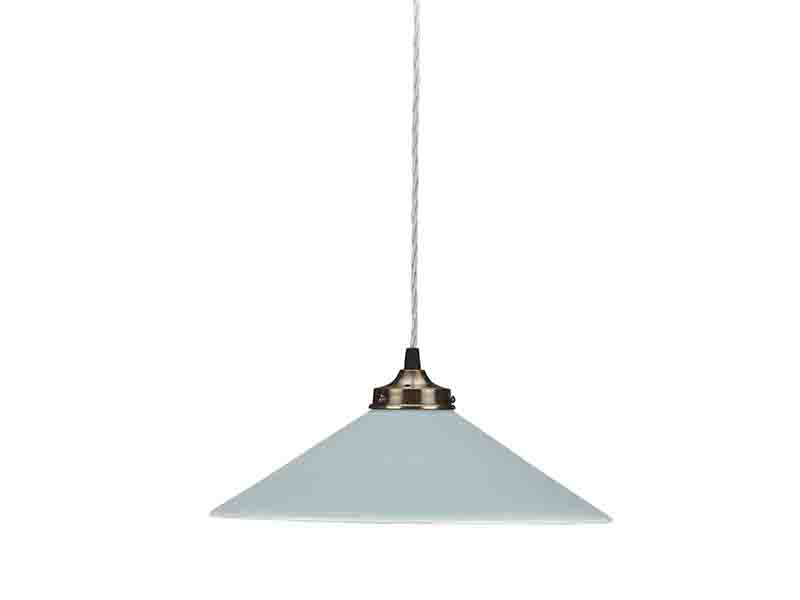

A Ceramic Classic Pendant is the kind of lighting piece that quietly walks into a room, adjusts its little clay collar, and makes everything look more intentional. It is not flashy in the “look at me, I have seventeen crystal arms” way. Instead, it wins by being warm, sculptural, useful, and timeless. In a world full of trendy fixtures that age faster than milk in a hot car, ceramic pendant lighting has a rare gift: it can look modern, vintage, farmhouse, coastal, minimalist, or artisan-made without trying too hard.
Whether hung over a kitchen island, breakfast nook, bedside table, hallway, or dining area, a ceramic pendant light brings together three things homeowners tend to love: practical illumination, natural material, and visual character. The ceramic shade softens the room, the pendant shape gives focus, and the classic silhouette keeps the design from feeling like a temporary crush. Think of it as the lighting version of a white button-down shirt: simple, versatile, and somehow always appropriate.
This guide explores what makes a Ceramic Classic Pendant special, how to choose the right one, where to install it, how to style it, and how to care for it without treating it like a museum artifact. We will also look at real-world experiences with ceramic pendants at the end, because lighting is not just about measurements and finishes. It is about living under the glow, making pancakes at 7 a.m., hosting dinner at 7 p.m., and occasionally wondering why your kitchen suddenly looks better than you do.
What Is a Ceramic Classic Pendant?
A ceramic classic pendant is a hanging ceiling light that uses a ceramic shade, ceramic body, or ceramic decorative element as a major part of its design. It usually drops from the ceiling by a cord, chain, or metal rod and focuses light downward, outward, or softly through the shape of the shade. The word “classic” matters because it suggests a design that avoids extreme trends. A classic ceramic pendant may have a dome, cone, bell, globe, cylinder, or tulip-like silhouette, but it usually feels balanced rather than overly dramatic.
Ceramic itself is made by shaping clay or other mineral-based material and firing it at high temperatures. In lighting, this gives the fixture a solid, tactile quality. Ceramic can be matte and earthy, glossy and polished, textured and handmade, or smooth and architectural. A white ceramic pendant can brighten a coastal kitchen. A black ceramic pendant can bring crisp contrast to a modern dining nook. A cream or clay-toned pendant can warm up wood cabinetry, stone counters, and neutral walls without shouting, “I bought a personality today.”
Why Ceramic Pendant Lighting Feels Timeless
The main reason ceramic pendant lighting lasts stylistically is that it is rooted in natural material. Wood, stone, linen, brass, glass, and ceramic tend to age better than purely trend-driven finishes because people understand them instinctively. They feel familiar. They have texture. They do not need a marketing department to explain why they are attractive.
It Has Handmade Character
Many ceramic pendants show subtle variations in glaze, shape, tone, or surface texture. Even when the fixture is produced with precision, ceramic rarely feels cold. A tiny ripple in the glaze or a soft edge around the shade can make the piece feel crafted rather than stamped out of a design robot’s lunchbox. This is especially valuable in kitchens and dining rooms, where too many hard surfaces can make the room feel like it is auditioning to be a laboratory.
It Softens Light Beautifully
Ceramic shades often create a warm and grounded lighting effect. Depending on the thickness and finish of the shade, the light may be directed downward for tasks, reflected off the inner surface for a softer glow, or diffused through thin porcelain-like material. A glossy white interior can bounce light efficiently, while a matte interior can reduce glare and create a quieter atmosphere. In plain English: ceramic helps the room look like a place where humans live, not where vegetables are interrogated.
It Works With Many Interior Styles
A Ceramic Classic Pendant can blend into a modern farmhouse kitchen, a mid-century breakfast nook, a Scandinavian entryway, a cottage-style bedroom, or an upscale restaurant-inspired dining space. The trick is choosing the right shape and finish. A dome feels clean and architectural. A bell shape feels traditional and welcoming. A globe feels modern and soft. A ribbed or fluted ceramic pendant adds texture without clutter. A hand-thrown shade leans artisan, while a smooth glazed shade feels polished.
Best Places to Use a Ceramic Classic Pendant
Ceramic pendant lights are versatile, but they are not one-size-fits-all magic lanterns. Placement matters. The right pendant in the right location can make a room feel finished. The wrong pendant in the wrong spot can make guests duck like they are entering a medieval tavern.
Over a Kitchen Island
The kitchen island is the celebrity stage for pendant lighting. A Ceramic Classic Pendant works especially well here because it offers focused light for chopping, serving, homework, coffee making, and late-night snack negotiations. For most kitchen islands, pendants are commonly hung about 30 to 36 inches above the countertop. This height usually gives enough task light while preserving sightlines across the room.
For a long island, two or three ceramic pendants often look more balanced than one oversized fixture. Space them evenly and keep the end pendants comfortably inside the island edges. A simple rule is to let the pendants frame the island, not bully it.
Above a Dining Table
A ceramic pendant above a dining table can create an intimate zone, especially in an open-plan home. A single larger pendant can anchor a round table, while a linear row of smaller pendants can suit a rectangular table. The goal is to bring light close enough to feel cozy but not so low that everyone spends dinner staring at a ceramic shade instead of each other.
In a Breakfast Nook
Breakfast nooks love ceramic pendants. The material feels casual, warm, and friendly, which is perfect for a small table, banquette, or corner seating area. A cream, ivory, sage, terracotta, or soft blue glaze can add personality without overwhelming the space. Add a dimmable bulb and suddenly your cereal corner has “boutique café” energy.
Beside the Bed
Using small ceramic pendant lights instead of table lamps can free up nightstand space and create a custom look. This is ideal for small bedrooms, guest rooms, or minimalist interiors. Place the pendant high enough to avoid head bumps and choose a bulb with a warm color temperature for reading and relaxing.
In an Entryway or Hallway
A classic ceramic pendant can make an entry feel welcoming without being too formal. In walkways, clearance is essential. The bottom of the fixture should stay high enough that people can pass comfortably underneath. A small dome or globe pendant can add charm while keeping the area practical.
How to Choose the Right Ceramic Classic Pendant
Choosing the right pendant is part design, part measurement, and part preventing future regret. Before buying, consider scale, finish, light direction, bulb type, and installation requirements.
1. Get the Scale Right
Size is where many lighting mistakes begin. A tiny pendant over a large island can look like it got lost on the way to a dollhouse. A huge ceramic shade over a small table can feel like the moon is visiting for brunch. For kitchen islands, consider the length and width of the surface, ceiling height, and number of pendants. Larger rooms can handle broader shades, while compact spaces often benefit from smaller pendants repeated in a tidy row.
2. Choose a Finish That Supports the Room
Ceramic finishes can shift the entire mood of a room. Glossy white feels clean and classic. Matte cream feels soft and organic. Black feels bold and tailored. Terracotta feels earthy and Mediterranean. Blue or green glaze adds color with a handcrafted spirit. If your room already has strong colors, a neutral ceramic pendant may be the better team player. If the room is mostly neutral, a colored ceramic pendant can become the friendly plot twist.
3. Think About the Interior of the Shade
The inside of the shade affects how the light behaves. A bright interior reflects more light downward and outward. A darker or matte interior creates a moodier effect. For task-heavy areas like kitchen islands, choose a fixture that gives enough useful illumination. For dining rooms and bedrooms, a softer glow may be more flattering. Nobody has ever complained that dinner lighting made them look too relaxed.
4. Match the Hardware Thoughtfully
Ceramic pendants often pair with brass, bronze, black, nickel, or chrome hardware. Brass warms up cream and clay finishes. Black hardware adds graphic contrast. Nickel and chrome can make a ceramic shade feel cleaner and more contemporary. You do not have to match every metal in the room perfectly, but the finishes should look like they were invited to the same party.
5. Check Ratings and Installation Details
If the pendant will be used in a bathroom, covered porch, laundry room, or other moisture-prone area, check whether it is damp-rated or wet-rated for that location. Many indoor pendants are not designed for direct exposure to moisture. Hardwired fixtures should be installed safely, and professional installation is often recommended. Electricity is wonderful when it behaves and deeply rude when it does not.
Bulbs, Brightness, and Color Temperature
The bulb you choose can make or break a Ceramic Classic Pendant. LED bulbs are popular because they are energy-efficient, widely available, and long-lasting. For warm residential spaces, look for bulbs around 2700K to 3000K. This range creates a soft white glow that flatters wood, ceramic, food, and human faces. Cooler bulbs can be useful in work areas, but in dining spaces they may make dinner look like it is being served in a dentist’s office.
Dimmable bulbs are a smart upgrade, especially for kitchens and dining areas. Bright light helps with cooking and cleaning; lower light helps with conversation, dessert, and pretending the dishes do not exist yet. Make sure the bulb, fixture, and dimmer switch are compatible. When in doubt, check the manufacturer’s specifications before buying.
Styling Ideas for a Ceramic Classic Pendant
Modern Farmhouse
Pair a cream or white ceramic pendant with warm wood shelves, shaker cabinets, natural stone counters, and aged brass hardware. The result is classic without feeling staged. Add woven stools or linen roman shades for extra texture.
Mid-Century Inspired
Choose a dome or cone-shaped ceramic pendant with brass details. Pair it with walnut furniture, clean lines, and simple artwork. A muted glaze such as olive, ivory, or warm gray can keep the look sophisticated.
Coastal Casual
Use a white, pale blue, or sand-colored ceramic pendant with light oak, rattan, painted cabinetry, and airy curtains. The ceramic keeps the room grounded while the lighter palette makes everything feel breezy.
Minimalist Warmth
In a minimalist room, select a smooth ceramic pendant with a simple silhouette. Let shape and shadow do the decorating. A matte finish works beautifully with plaster walls, light wood floors, and uncluttered surfaces.
Artisan Eclectic
For a more collected look, try a hand-thrown ceramic pendant with visible texture or glaze variation. Pair it with vintage furniture, patterned textiles, open shelving, and handmade pottery. The goal is layered, not chaotic. Think “curated studio,” not “garage sale after a windstorm.”
Care and Maintenance
Ceramic pendants are generally easy to care for. Dust the shade regularly with a soft cloth or microfiber duster. For smudges, use a slightly damp cloth and mild soap if needed, then dry gently. Avoid abrasive cleaners, harsh chemicals, and rough scrubbers, especially on glazed or matte finishes. Always turn off the light and let the bulb cool before cleaning. This sounds obvious, but many heroic cleaning missions have ended with a surprised fingertip.
If your pendant has exposed hardware, dust the metal parts as well. Brass and bronze finishes may develop patina over time, which some people love. If you prefer a polished look, follow the manufacturer’s care instructions. Do not soak ceramic shades or allow water to enter electrical components.
Common Mistakes to Avoid
Hanging It Too Low
A pendant should create atmosphere, not become an obstacle course. Over counters and tables, make sure the fixture gives enough clearance for visibility and comfort.
Choosing the Wrong Bulb
A beautiful ceramic shade paired with a harsh bulb is like serving gourmet soup in a traffic cone. Pay attention to brightness, color temperature, and dimmer compatibility.
Ignoring the Room’s Other Materials
Ceramic is friendly, but it still needs context. Coordinate it with cabinetry, counters, tile, wall color, and hardware. A pendant does not have to match everything, but it should relate to something.
Using Too Many Statement Pieces
If your ceramic pendant is bold, let it lead. Too many competing focal points can make a room feel restless. Give the pendant visual breathing room.
Experiences With a Ceramic Classic Pendant
Living with a Ceramic Classic Pendant is different from simply admiring one online. In photos, the fixture looks like an object. In real life, it becomes part of the daily rhythm of the home. The first thing many people notice is how the ceramic shade changes the mood of a room even when the light is off. A matte clay pendant over a kitchen island can make the space feel warmer during the day. A glossy white pendant can catch sunlight and brighten a corner before anyone flips a switch. It becomes decor, but useful decorthe best kind, because nobody has to dust a sculpture and then also cook under it.
One common experience is that ceramic pendants make kitchens feel less mechanical. Modern kitchens often have stainless appliances, stone countertops, straight cabinet lines, and hard flooring. These elements are practical, but together they can feel a little sharp. A ceramic pendant introduces softness. The rounded shade, natural material, and glaze variation break up the strict geometry. Suddenly the room feels like a place for coffee, conversation, and homemade soup instead of a showroom where touching the counter feels illegal.
Another real-life benefit is how well ceramic pendants handle changing decor. A homeowner might repaint cabinets from white to green, swap chrome pulls for brass, or replace bar stools, yet a classic ceramic pendant often still works. That flexibility matters because lighting is not something most people want to replace every season. A simple ceramic pendant can survive design mood swings, holiday decorations, new rugs, and the occasional “what if we tried wallpaper?” moment.
There is also a tactile pleasure to ceramic lighting. Even though you are not constantly touching the fixture, you can see the material quality. Hand-glazed ceramic has depth. A shade may look slightly different in morning light than it does at night. A cream glaze may reveal tiny speckles. A darker ceramic may create a crisp silhouette against a pale ceiling. These subtle details reward attention without demanding it.
Of course, ceramic pendants are not perfect for every situation. They can be heavier than some metal or fabric fixtures, so secure installation matters. Some designs direct light strongly downward, which is excellent for tasks but may need supporting ambient light elsewhere in the room. And because ceramic can chip if handled roughly, installation and cleaning should be done with reasonable care. That said, once installed properly, a ceramic pendant usually feels sturdy, calm, and dependable.
The best experience comes from choosing a pendant that fits how the room is actually used. In a busy family kitchen, a durable glazed ceramic shade with dimmable LED lighting may be ideal. In a quiet reading corner, a smaller pendant with warm light can feel cozy and personal. Over a dining table, a sculptural ceramic piece can become the visual centerpiece without blocking conversation. When the size, height, bulb, and finish all work together, the pendant feels as if it has always belonged there.
That is the quiet magic of a Ceramic Classic Pendant. It does not need to dominate the room. It simply improves the atmosphere every day, which is a pretty impressive job for something hanging from the ceiling.
Conclusion
A Ceramic Classic Pendant is more than a ceiling light. It is a design detail that adds warmth, craftsmanship, and timeless style to everyday spaces. With the right size, finish, bulb, and placement, ceramic pendant lighting can transform a kitchen island, dining table, bedside area, or entryway into a more polished and welcoming part of the home. Its strength lies in balance: it is decorative but useful, classic but adaptable, simple but full of character.
If you want lighting that feels grounded, elegant, and quietly memorable, a ceramic pendant is a smart choice. It brings the beauty of handmade material into practical daily life, and it does so without needing to perform acrobatics from the ceiling. Choose carefully, hang it thoughtfully, clean it gently, and it may become one of those home details people notice without immediately knowing why the room feels so good.
Note: This article is original, written in standard American English, and based on real ceramic pendant lighting design, placement, material, care, and styling practices.