
Houseplants already do a lot. They soften a room, clean up awkward corners, make shelves look intentional, and give us something green to talk to when the Wi-Fi goes down. But if your pothos, philodendron, or trailing vine is starting to look a little too “default plant setting,” plant beading may be the tiny design upgrade you didn’t know you needed.
Plant beading is the playful trend of adding beads to houseplant vines or plant displays for color, texture, sparkle, and personality. Think of it as jewelry for your greenery, minus the dramatic necklace clasp and the fear of losing one earring forever. It can be subtle, colorful, boho, modern, maximalist, or completely chaotic in the most charming way.
The key is doing it safely. Beads should decorate your plant, not squeeze, scratch, rot, weigh down, or turn your beautiful vine into a stressed-out salad necklace. In this guide, you’ll learn what plant beading is, which houseplants work best, what supplies to use, how to bead a plant step by step, and how to keep your leafy friend healthy after its glow-up.
What Is Plant Beading?
Plant beading is a decorative houseplant styling technique where beads are added to vines, plant supports, hanging cords, plant stakes, or the surface design around a potted plant. The most popular version involves sliding beads onto flexible vining stems, usually after a leaf has matured and before the next section of growth hardens. As the plant continues to grow, the beads stay in place and create a “friendship bracelet” effect along the vine.
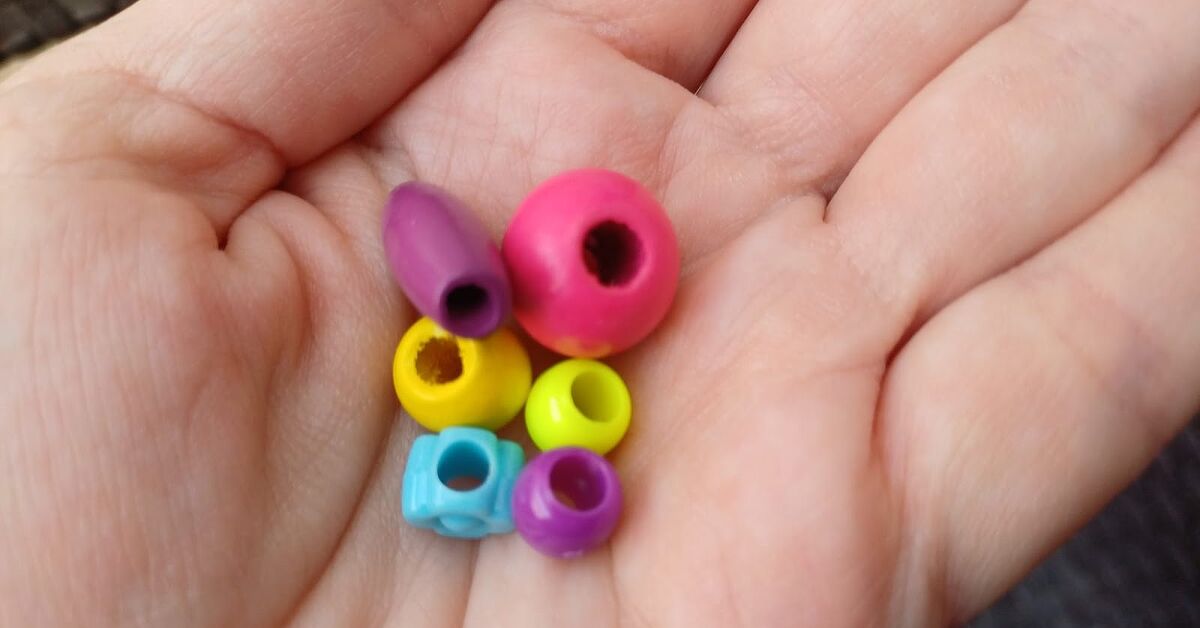
It became popular because it is inexpensive, customizable, and surprisingly adorable. A plain green vine suddenly looks like it has been invited to a summer camp craft table and came home with confidence. You can use neutral wood beads for a calm organic look, glass beads for sparkle, alphabet beads for words, or bright acrylic beads for a cheerful pop of color.
Plant beading also fits naturally into the larger houseplant decor movement. People are not just growing plants anymore; they are styling them. Decorative plant stakes, trellises, top dressings, cachepots, macramé hangers, and handmade accessories have turned indoor gardening into part plant care, part interior design, part “I needed a hobby and accidentally created a jungle.”
Why Add Beads to Houseplants?
It Adds Personality Without Taking Up Space
If you live in an apartment, dorm, studio, or small home, you may not have room for another shelf, table, or oversized planter. Beading lets you refresh a plant you already own. A few beads can make a trailing pothos feel new without requiring more floor space or another trip to the garden center where you “only need soil” and somehow leave with four plants.
It Highlights Vining Growth
Trailing plants are perfect for plant beading because their stems naturally create lines. Beads draw attention to those lines, making vines look more intentional as they cascade from a shelf, climb a wall, or drape from a hanging planter.
It Works With Many Decor Styles
For boho rooms, use wood, clay, cream, terracotta, and matte beads. For modern spaces, choose black, white, clear, metallic-look, or monochrome beads. For colorful homes, try rainbow beads, fruit shapes, smiley faces, stars, or letters. For cottagecore style, go with floral beads, pearls, soft pastels, and tiny charms. Your plant can match your room or behave like the loud guest at brunch. Both are valid.
The Best Plants for Plant Beading
The best houseplants for beading are vining, flexible, and sturdy enough to handle gentle decorating. Avoid fragile stems, fuzzy leaves, young seedlings, and plants that snap easily.
1. Pothos
Pothos is the unofficial champion of beginner-friendly houseplants. It tolerates a range of indoor conditions, grows trailing vines, and usually bounces back from minor styling mistakes. Golden pothos, marble queen pothos, neon pothos, and jade pothos all look great with beads.
2. Heartleaf Philodendron
Heartleaf philodendron has soft, trailing stems and elegant leaves. It pairs beautifully with small beads, especially wood, pearl, or pastel styles. Because its stems can be thinner than pothos, choose lightweight beads with smooth holes.
3. Scindapsus Pictus
Also called satin pothos, this plant has silvery markings that already look stylish. Add clear, gray, pearl, or smoky glass beads for a look that says, “Yes, my plant has a design consultant.”
4. Hoya
Some hoyas have trailing or climbing vines that can work well with beads, especially if the stems are mature and flexible. Be gentle, because hoya stems can be more rigid than pothos or philodendron.
5. Monstera Adansonii
This “Swiss cheese vine” has dramatic leaves and climbing energy. Use beads sparingly so the foliage remains the star. A few beads on a trailing stem or a beaded trellis can look fantastic.
Plants You Should Not Bead
Not every plant wants accessories. Some plants are already doing the most and should be left to their own leafy agenda.
Avoid beading succulents with thick, brittle stems, cacti, orchids with delicate flower spikes, ferns, calatheas, peperomias with short stems, baby plants, newly propagated cuttings, and any plant that is already stressed. If a plant has yellowing leaves, soft stems, root rot, pests, or recent transplant shock, let it recover before decorating.
Also avoid forcing beads over leaves, nodes, aerial roots, or swollen stem sections. If the bead does not slide easily, it is not the bead for that vine. Your plant should not need to “suck it in” to fit into an accessory.
Supplies You Need for Plant Beading
- Lightweight beads: Acrylic, wood, silicone, clay, ceramic, or smooth glass beads can work.
- Beads with large holes: The hole should be wider than the stem and smooth inside.
- Clean hands or gloves: Reduce the chance of transferring grime to stems.
- Small scissors or pruners: Use only if you need to trim damaged growth first.
- Soft ties or clips: Helpful if you want to train the vine after beading.
- A tray or towel: Beads roll. Beads hide. Beads become floor confetti.
Avoid water beads, especially around children or pets. These expandable gel beads may look cute, but they can become dangerous if swallowed. For plant beading, choose solid decorative beads instead.
How to Add Beads to Houseplants Step by Step
Step 1: Check the Plant’s Health
Before decorating, inspect your plant. Look for firm stems, healthy leaves, and active growth. If the soil smells sour, the leaves are limp, or the stems feel mushy, pause the craft project. A struggling plant needs care, not accessories. We all know someone who needs water and rest more than a new outfit. Plants are the same.
Step 2: Choose the Right Vine
Select a flexible vine with enough space between leaves. The best spot is often near the growing end of a pothos or philodendron vine, where the stem is long enough to slide a bead but not so tender that it bends too easily.
Step 3: Match Bead Size to Stem Size
The bead hole should slide easily over the stem without scraping. If the bead catches, stop. A tight bead can bruise the stem, restrict growth, or trap moisture. When in doubt, size up.
Step 4: Clean the Beads
Wipe beads with a damp cloth and let them dry before use. If they are dusty from storage, rinse them and dry fully. Avoid harsh cleaners, scented sprays, or anything that may leave residue on the plant.
Step 5: Slide the Bead Gently
Hold the vine carefully and slide the bead onto the stem from the tip when possible. Do not force the bead over leaves. If you must pass a bead over a tiny new growth point, choose another location instead. Plant beading should feel like a gentle styling session, not a wrestling match.
Step 6: Add Beads Sparingly
Start with one to three beads. Heavy clusters can pull down the vine, especially when the plant is watered and the stems become heavier. Small accents often look better than overloading the plant with enough beads to open a craft store.
Step 7: Watch the Plant Over Time
After beading, monitor the plant for a few weeks. If the vine yellows, wrinkles, droops, or develops soft spots near the bead, remove the decorated section by pruning if needed. Some beads become trapped as new leaves grow, so choose designs you are happy to see long term.
Creative Plant Beading Ideas
Color Story Beading
Pick beads that match your room’s palette. Cream and wood beads look warm and natural. Clear beads add sparkle without competing with foliage. Neon beads make a playful statement. Black and white beads create a clean graphic look.
Alphabet Beads
Spell short words like “grow,” “bloom,” “chill,” or your plant’s name. Yes, naming a plant is normal. No, you do not have to admit how many have names.
Beaded Trellis
If you do not want beads directly on stems, decorate a plant trellis instead. Slide beads onto wire, string, or a flexible plant-safe support. Then train your vine around it with soft ties. This gives you the look without placing anything on the plant itself.
Beaded Hanging Planter
Add beads to macramé hangers, hanging cords, or planter handles. This is one of the safest ways to try the trend because the beads decorate the display rather than the stem.
Soil Surface Styling
You can also style the top of the pot with decorative stones, moss, or larger beads placed loosely away from the stem. Keep the layer light and avoid sealing the soil surface. You still need to check moisture with your finger or a moisture meter, and the pot must drain freely.
Houseplant Care Rules That Still Matter
Decorating does not replace plant care. A beaded pothos in bad light is still a pothos in bad light, just one wearing accessories while complaining internally.
Light
Most vining houseplants prefer bright, indirect light. Too little light can cause leggy growth, pale leaves, and slow development. Too much direct sun can scorch leaves. After adding beads, keep your plant in the same care conditions it already enjoys. Do not move it into harsh sun just because the beads sparkle there.
Water
Watering depends on the plant, pot size, soil mix, light, temperature, and humidity. Many common houseplants prefer watering when the top inch or two of soil feels dry. Always water thoroughly and let excess water drain. Do not let the pot sit in standing water.
Humidity
Tropical houseplants often appreciate moderate humidity. Grouping plants, using a humidifier, or placing pots near a pebble tray can help in dry rooms. Beads do not increase humidity, though they may increase compliments.
Drainage
Use pots with drainage holes and a well-draining potting mix. Decorative cachepots are fine, but remove the grow pot when watering or empty extra water afterward. A beautiful pot full of trapped water is basically a tiny swamp with branding.
Pest Checks
Inspect plants regularly for fungus gnats, mealybugs, spider mites, scale, or sticky residue. Beads can create little hiding places, so check around decorated stems. If pests appear, remove accessories if possible and treat the plant based on the pest type.
Safety Tips Before You Start
Plant beading is simple, but a few precautions make it smarter. Keep loose beads away from small children and pets. Avoid sharp-edged beads, rusty metal pieces, or anything that may leach color when wet. Do not use beads so heavy that they drag the vine down. Do not wrap wire tightly around stems. Never glue beads to living plant tissue.
If you have curious cats, dogs, or toddlers, decorate the planter, hanger, or trellis instead of the actual vine. Many popular houseplants can also be irritating or toxic if chewed, so place decorated plants where they cannot be nibbled. The goal is style, not a surprise phone call to poison control or the vet.
Common Plant Beading Mistakes
Using Beads That Are Too Tight
A snug bead may look neat at first, but stems grow and move. Tight beads can damage tissue. Choose beads that slide freely.
Adding Too Many Beads
More is not always more. A vine covered in heavy beads may sag or break. Treat beads like seasoning: enough to notice, not enough to question your choices.
Beading a Stressed Plant
If your plant is recovering from overwatering, underwatering, pests, or repotting, wait. Healthy plants handle styling better.
Ignoring Watering Changes
Decorative top layers can make it harder to see or feel soil moisture. If you add beads, stones, or moss to the soil surface, check moisture carefully before watering.
Forgetting That Beads May Become Permanent
Once a vine grows new leaves around a bead, removing it may require pruning. Choose beads you actually like. This is not the time for a bead that says “YOLO” unless you are emotionally prepared.
My Experience With Plant Beading: What Actually Works
The first time I tried plant beading, I chose a golden pothos because it had long, flexible vines and the calm personality of a plant that has survived questionable watering schedules before. I placed it on a table, spread a towel underneath, and poured out a small pile of beads. This was my first lesson: beads do not stay where you put them. One rolled under the sofa immediately, possibly to start a new life.
I started with wooden beads because they looked natural and did not feel too heavy. The pothos had several vines with good spacing between leaves, so I picked one healthy strand near the front of the pot. I tried sliding on a bead that looked perfect in color but had a hole that was slightly too small. It caught on the stem right away. Instead of forcing it, I stopped and chose a larger bead. That one slid on smoothly, and the difference was obvious. The plant did not bend, scrape, or look annoyed. Yes, plants can look annoyed. Anyone who owns a calathea knows this.
After adding three beads, I stepped back and realized the best part of plant beading is not just the beads. It is how they make you notice the shape of the plant. The vine suddenly looked more intentional, like it was part of the room instead of simply escaping the pot. The beads caught the light near a window, but they did not overpower the leaves. That balance mattered. Too many beads would have turned the vine into a craft project with a plant attached.
A week later, I checked the beaded section. The vine still looked firm, the leaves stayed green, and there were no soft spots around the beads. I watered the plant as usual, letting the pot drain fully before returning it to its decorative container. I also learned not to bead a vine that hangs where people brush past it. One beaded strand near a busy walkway got bumped twice, so I moved the plant to a shelf where the vine could trail safely.
My favorite version ended up being a mix of two styling methods: a few beads on one pothos vine and matching beads on the macramé hanger. The repeated colors made the whole plant look designed without putting too much weight on the living stem. For a philodendron, I skipped stem beading completely and decorated a small trellis instead. That gave me the same playful effect with less risk because the plant climbed around the support naturally.
The biggest takeaway is simple: start small. Plant beading works best when it respects the plant’s growth habit. Choose healthy vines, use smooth lightweight beads, avoid tight fits, and keep checking the plant afterward. The result can be charming, personal, and surprisingly stylish. It is a tiny project, but it makes your plant feel custom, like your living room got a wink instead of a full renovation bill.
Conclusion: Give Your Houseplants a Stylish Little Glow-Up
Plant beading is a fun, affordable, and creative way to add style to your houseplants. It works especially well on vining plants like pothos, philodendron, hoya, scindapsus, and monstera adansonii. With the right beads and a gentle hand, you can turn a trailing vine into a colorful design detail that feels personal and fresh.
The secret is to prioritize plant health first. Use lightweight beads with smooth, roomy holes. Never force beads onto stems. Avoid decorating stressed plants. Keep loose beads away from pets and small children. And remember that the best plant styling looks good while still letting the plant grow naturally.
Whether you prefer subtle wood beads, sparkly glass accents, alphabet beads, or a fully playful rainbow look, plant beading gives you a new way to enjoy your indoor garden. Your houseplants already bring life to your home. A few beads simply let them show off a little. Honestly, after all the oxygen and good vibes they provide, they have earned an accessory.