
A bunion is not just a “foot bump with attitude.” It is a structural change in the joint at the base of the big toe, where the toe gradually leans toward the smaller toes and the joint begins to stick outward. The result can be redness, swelling, soreness, shoe drama, and the sudden realization that your favorite narrow shoes were secretly plotting against you.
So, can you stop a bunion from growing? The honest answer is: you may not be able to completely stop a bunion once it has started, especially if genetics, foot structure, arthritis, or long-term mechanics are involved. However, you can often slow its progression, reduce pressure on the joint, ease pain, and keep walking comfortably for longer. The goal is not to “bully” your bunion into disappearing overnight. The goal is to give your foot more room, better support, less inflammation, and fewer reasons to complain.
This guide explains how to prevent bunions from getting worse, what actually helps bunion pain, which shoes are your friends, which habits are sneaky troublemakers, and when it is time to see a podiatrist or orthopedic foot specialist.
What Is a Bunion?
A bunion, medically called hallux valgus, forms when the bones and soft tissues around the big toe joint move out of normal alignment. The big toe drifts toward the second toe, while the joint at the base of the big toe pushes outward. Over time, the bump can become more noticeable and more irritated.
Bunions usually develop slowly. Many people first notice that shoes feel tight near the big toe joint. Later, the area may become red, tender, swollen, stiff, or painful after walking. Some people also develop calluses, corns, overlapping toes, or hammertoes because the front of the foot is no longer sharing pressure evenly.
Common signs of a bunion
- A visible bump at the base of the big toe
- Big toe leaning toward the second toe
- Redness, soreness, or swelling around the joint
- Pain that gets worse in tight shoes
- Restricted movement in the big toe
- Calluses or corns from toe rubbing
- Trouble finding comfortable shoes
Why Do Bunions Grow?
Bunions are usually caused by a mix of inherited foot structure, pressure, shoe choices, walking mechanics, and sometimes inflammatory conditions such as rheumatoid arthritis. In other words, your bunion may be part family history, part footwear, part biomechanics, and part “life happens.”
People often blame high heels alone, but the story is more complicated. Tight, narrow, pointed, or stiff shoes can make bunions worse by squeezing the toes and increasing pressure on the big toe joint. But many people who never wear heels can still develop bunions because of foot shape, flat feet, loose ligaments, arthritis, or the way weight moves across the foot while walking.
Risk factors that may make bunions worse
- Family history of bunions
- Narrow or pointed shoes
- High heels that shift weight onto the forefoot
- Flat feet or overpronation
- Standing for long periods
- Arthritis or inflammatory joint conditions
- Previous foot injuries
- Poorly fitting shoes during growth years
Can You Stop a Bunion from Growing Naturally?
You cannot usually reverse a bunion naturally once the bones have shifted. A bunion is not like a bad hair day; it will not simply calm down after a nap and a pep talk. Non-surgical care can reduce symptoms, improve comfort, and sometimes slow progression, but it does not permanently realign the bones.
That said, conservative treatment is still extremely valuable. Many people manage bunions for years without surgery by changing shoes, using padding, wearing orthotics, doing foot exercises, and avoiding repeated pressure on the joint. If the bunion is mild or moderate, these steps may keep it from becoming a daily problem.
1. Choose Shoes with a Wide Toe Box
If you do only one thing to stop a bunion from growing worse, start with your shoes. A roomy toe box gives the toes space to sit naturally instead of being squeezed together like passengers in an overbooked elevator.
Look for shoes that are wide at the front, flexible enough to move with your foot, supportive through the arch, and stable at the heel. Your toes should be able to wiggle. The shoe should not press directly on the bunion, and the upper material should not rub the joint with every step.
Best shoe features for bunions
- Wide or extra-wide toe box
- Soft, breathable upper material
- Low heel or flat supportive sole
- Good arch support
- Cushioned midsole
- Stable heel counter
- Removable insoles for custom orthotics
Athletic shoes, walking shoes, soft leather shoes, and supportive sandals often work better than narrow dress shoes. If a shoe looks beautiful but makes your bunion feel like it is filing a complaint with management, it is not the right shoe.
2. Avoid High Heels and Pointed-Toe Shoes
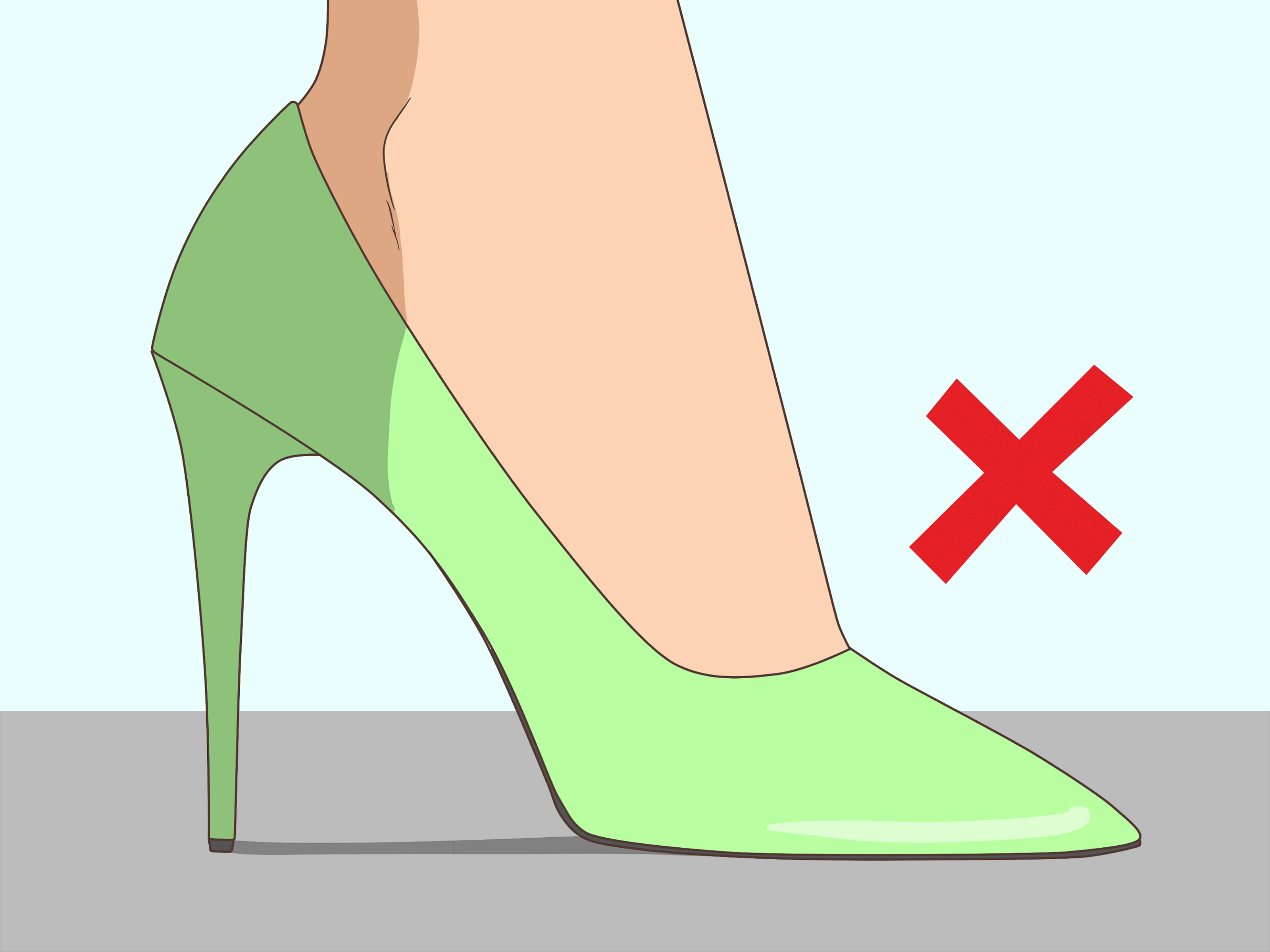
High heels and pointed shoes are not automatically evil, but they can be very unfriendly to bunions. High heels shift body weight forward onto the ball of the foot, increasing pressure on the big toe joint. Pointed shoes crowd the toes and encourage the big toe to drift inward.
If you love dress shoes, choose lower heels, rounded or square toe boxes, and cushioned support. Save narrow heels for short events rather than all-day wear. Your feet do not need to attend every party dressed like they are auditioning for a medieval torture museum.
3. Use Bunion Pads to Reduce Rubbing
Bunion pads are soft cushions that sit over or around the bunion to reduce friction from shoes. They do not shrink the bunion, but they can protect irritated skin and make walking more comfortable.
Choose pads that fit well and do not add too much bulk inside the shoe. If the pad makes the shoe tighter, it may accidentally increase pressure. Gel pads, moleskin, and foam pads can all help, depending on your shoe and pain level.
4. Try Toe Spacers Carefully
Toe spacers fit between the big toe and second toe to help reduce crowding. Some people find them helpful for comfort, especially at home or in roomy shoes. They may gently encourage better toe position while worn, but they do not permanently correct the bunion.
Use toe spacers gradually. Start with short periods and stop if they cause numbness, sharp pain, skin irritation, or increased pressure. They should feel supportive, not like your toes are in a wrestling match.
5. Consider Orthotics or Shoe Inserts
Orthotics can help improve foot alignment, reduce abnormal pressure, and support arches. Over-the-counter inserts may be enough for some people, while others need prescription custom orthotics from a podiatrist.
Orthotics are especially useful if flat feet, overpronation, or poor foot mechanics are contributing to the bunion. They will not erase the bump, but they may help distribute pressure more evenly and reduce stress on the big toe joint.
6. Do Gentle Bunion Exercises
Foot exercises cannot rebuild bone alignment, but they can improve mobility, strengthen small foot muscles, reduce stiffness, and support better function. Think of them as physical therapy for your toes: not magical, but surprisingly useful when done consistently.
Simple exercises for bunion comfort
- Toe circles: Gently move the big toe in slow circles to maintain joint motion.
- Towel curls: Place a towel on the floor and use your toes to scrunch it toward you.
- Toe spreads: Spread your toes apart, hold for a few seconds, then relax.
- Big toe stretch: Gently pull the big toe into a straighter position and hold briefly.
- Calf stretch: Stretching tight calves may help improve foot mechanics during walking.
Exercises should not cause sharp pain. Mild stretching is fine; pain that makes you make cartoon sound effects is a sign to stop.
7. Ice the Bunion During Pain Flares
When a bunion becomes red, swollen, or sore after walking, ice can help calm inflammation. Wrap an ice pack in a thin towel and apply it for about 10 to 20 minutes. Do not place ice directly on the skin.
Icing is especially helpful after long periods of standing, walking, sports, or wearing shoes that irritated the joint. It is not a long-term fix, but it is a useful tool for short-term bunion pain relief.
8. Use Pain Relief Wisely
Over-the-counter anti-inflammatory medicine may help some people during painful bunion flares, but it is not right for everyone. Always follow the label and ask a healthcare professional if you have stomach problems, kidney disease, bleeding issues, allergies, take other medications, or are unsure what is safe for you.
Topical pain relievers may also help reduce soreness in the area. Pain medicine should be used as support, not as permission to keep wearing shoes that are clearly making the bunion worse.
9. Maintain a Healthy Weight for Your Body
Your feet carry you through every school hallway, work shift, grocery aisle, hiking trail, and “I just need one thing” shopping trip that becomes 47 minutes. Extra pressure on the feet can worsen pain in the big toe joint and make walking less comfortable.
Maintaining a healthy weight for your body may reduce stress on the feet and improve overall mobility. This does not mean chasing unrealistic body goals. It means supporting your joints with balanced habits, regular movement, and shoes that do not act like tiny foot prisons.
10. Modify Activities That Trigger Pain
You do not have to quit walking, exercising, or having a life because of a bunion. But you may need to adjust activities when pain flares. If running aggravates the joint, try lower-impact options such as cycling, swimming, elliptical training, or walking in supportive shoes.
If your job requires standing, consider cushioned mats, supportive footwear, scheduled sitting breaks, and rotating shoes. Small changes can make a big difference by the end of the day.
11. Watch for Skin Problems
Bunions can rub against shoes and create calluses, corns, blisters, or irritated skin. Do not cut thickened skin yourself, especially if you have diabetes, circulation problems, nerve issues, or slow-healing wounds. A podiatrist can safely treat pressure-related skin problems and recommend padding or footwear changes.
Keeping the skin protected matters because irritated skin can make a mild bunion feel much worse. Sometimes the bump itself is not the only villain; the rubbing is the dramatic sidekick.
12. Know When to See a Doctor
Many bunions can be managed at home, but certain symptoms deserve professional attention. A podiatrist or orthopedic foot specialist can examine your foot, check alignment, evaluate your walking mechanics, and order X-rays if needed.
See a healthcare professional if you have:
- Ongoing pain in the big toe or foot
- A bunion that is getting larger quickly
- Difficulty walking normally
- Limited big toe movement
- Swelling, redness, or warmth that does not improve
- Trouble finding shoes that fit
- Numbness, tingling, wounds, or signs of infection
- Diabetes or circulation problems with foot pain
Getting help early does not mean you are signing up for surgery. In fact, early care often focuses on conservative treatment such as better shoes, padding, orthotics, exercises, and pressure relief.
Does Bunion Surgery Stop a Bunion from Growing?
Bunion surgery, or bunionectomy, is the only treatment that can correct the bone alignment and remove the bunion deformity. However, surgery is usually recommended for pain and functional problems, not simply because a bunion looks unattractive.
Doctors generally do not recommend surgery just to prevent a bunion from getting worse. Surgery may be considered if conservative treatments fail, walking becomes difficult, pain is persistent, or the bunion interferes with daily life. There are several surgical techniques, and the best option depends on the severity of the bunion, joint condition, foot structure, and overall health.
Daily Bunion Prevention Plan
If you want a simple daily routine to help prevent bunion progression and ease pain, use this practical plan:
Morning
- Choose shoes with a wide toe box and good support.
- Add orthotics or inserts if recommended.
- Use a bunion pad if your shoe rubs the joint.
During the day
- Avoid standing in one position for too long.
- Take short breaks if your foot becomes sore.
- Do not “push through” sharp bunion pain.
Evening
- Do gentle toe stretches and foot exercises.
- Ice the bunion if it feels swollen or irritated.
- Check for redness, blisters, or pressure marks.
This routine is simple, but consistency is the magic ingredient. Bunions usually worsen over time because of repeated pressure. Reducing that pressure every day gives your foot a much better chance.
Common Myths About Bunions
Myth 1: Bunions are just cosmetic
Not true. Some bunions are painless, but others cause serious discomfort, joint stiffness, walking problems, and shoe-fit issues.
Myth 2: Only older people get bunions
Bunions are more common with age, but younger people can develop them too, especially if they have inherited foot structure or juvenile bunion tendencies.
Myth 3: Toe spacers permanently fix bunions
Toe spacers may improve comfort while worn, but they do not permanently move the bones back into place.
Myth 4: Surgery is always necessary
Many people manage bunion symptoms without surgery. Surgery is usually considered when pain and function do not improve with conservative care.
Experience-Based Tips: Living With a Bunion Without Letting It Run the Show
People who successfully manage bunions often say the same thing: the biggest improvement came when they stopped arguing with their feet. That sounds funny, but it is true. Many bunion problems get worse because people try to force their feet into shoes that simply do not match their foot shape anymore. The foot has changed; the shoe plan needs to change too.
One common experience is the “special occasion shoe mistake.” Someone wears sensible shoes all week, then puts on tight dress shoes for a wedding, dinner, school event, or work presentation. For the first hour, everything seems fine. By hour three, the bunion is throbbing like it has joined a drumline. The lesson is not that stylish shoes are forbidden forever. The lesson is to plan ahead: choose lower heels, bring backup shoes, use padding, and avoid brand-new shoes for long events.
Another helpful experience is learning that comfort shoes do not have to look boring. Years ago, wide shoes often had the fashion personality of a cardboard box. Today, many walking shoes, sneakers, sandals, and casual shoes come in wide sizes with better designs. People with bunions often feel better when they stop buying shoes by appearance alone and start checking toe-box shape first. A good trick is to remove the insole, stand on it, and see whether the toes spill over the edges. If they do, the shoe is probably too narrow.
Many people also discover that small accessories help more than expected. A thin gel bunion pad can prevent rubbing during errands. A toe spacer may feel good during relaxing evenings at home. A supportive insert can reduce arch collapse and pressure across the forefoot. None of these tools are miracle gadgets, but together they can turn a painful day into a manageable one.
Exercise habits may also need a little editing. For example, someone who loves running may notice bunion pain after speed workouts or long-distance runs on hard pavement. Switching some sessions to cycling, swimming, or strength training can keep fitness on track while giving the big toe joint a break. Another person who stands all day at work may benefit from rotating between two pairs of supportive shoes so pressure points change slightly instead of attacking the same spot every day.
Stretching is another underrated habit. Gentle toe mobility exercises, calf stretches, and foot strengthening drills can make the foot feel less stiff. The key is patience. Doing exercises once and expecting a bunion to behave forever is like watering a plant one time and expecting a rainforest. A few minutes most days works better than one heroic stretching marathon.
The most important experience-based tip is to take pain seriously before it becomes a lifestyle. If your bunion is changing quickly, making walking difficult, or forcing you to avoid normal activities, do not wait until every shoe feels like a personal enemy. A podiatrist can help you understand whether your bunion is mild, moderate, or severe and what treatment makes sense. Sometimes the best solution is simple. Sometimes custom orthotics or physical therapy are needed. In more advanced cases, surgery may be discussed. Either way, knowing your options is better than guessing.
Living with a bunion does not mean giving up movement, style, or comfort. It means becoming a smarter manager of pressure, shoes, activity, and recovery. Your feet do a lot for you. Give them room, support, and the occasional thank-you stretch.
Conclusion
Stopping a bunion from growing is really about reducing the forces that make it worse. You may not be able to fully reverse the deformity without surgery, but you can often slow progression and ease pain with wide shoes, supportive inserts, bunion pads, toe spacers, stretching, icing, and smart activity choices.
The best approach is early, consistent care. Choose shoes that respect your foot shape. Avoid repeated pressure from narrow toe boxes and high heels. Use padding and orthotics when helpful. Keep the big toe joint mobile with gentle exercises. And if pain continues, get professional guidance instead of waiting until your foot starts writing strongly worded letters.
Note: This article is for general educational purposes only and does not replace medical advice. If you have persistent foot pain, diabetes, circulation problems, numbness, wounds, or a rapidly worsening bunion, consult a qualified healthcare professional.