
Psoriasis is already dramatic enough without the internet marching in with a jar of coconut oil and announcing, “I can fix everything.” If you have itchy, flaky, stubborn plaques, it is completely understandable to look for something simple, affordable, and less intimidating than a prescription label written in tiny pharmacy hieroglyphics. Coconut oil often shows up in that search because it feels soothing, smells like a beach vacation, and has a long reputation as a do-it-all natural remedy.
But does coconut oil actually work for psoriasis? The honest answer is: it may help with dryness, scaling, and comfort, but it is not a proven psoriasis treatment or cure. Think of coconut oil as a helpful supporting character, not the lead dermatologist in the movie. It can moisturize dry skin and may make plaques feel less tight, but it does not directly correct the immune-system activity that drives psoriasis.
This guide explains what coconut oil can realistically do, what it cannot do, how to use it safely, and when it is time to stop experimenting in the bathroom and call a dermatologist.
What Is Psoriasis, Really?
Psoriasis is a chronic inflammatory skin condition in which the immune system speeds up skin cell turnover. Instead of skin cells maturing and shedding gradually, they build up too quickly on the surface. The result is often thick, raised plaques with silvery or white scale, itching, dryness, cracking, burning, or soreness.
The most common type is plaque psoriasis, which frequently appears on the elbows, knees, scalp, lower back, and trunk. However, psoriasis can also affect the nails, palms, soles, genitals, and skin folds. It may appear red or pink on lighter skin tones and purple, brown, gray, or darker than the surrounding skin on deeper skin tones.
Psoriasis is not contagious. You cannot catch it from sharing towels, hugging someone, or sitting next to a person with plaques. It is also not simply “dry skin,” even though dry skin can make symptoms much worse. That distinction matters because moisturizing can help symptoms, but psoriasis usually needs a broader care plan.
Why Coconut Oil Gets So Much Attention
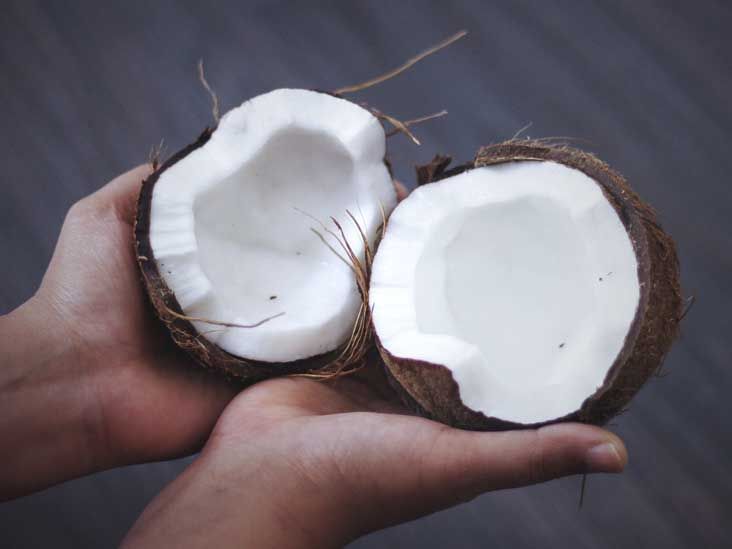
Coconut oil is popular because it is thick, oily, easy to find, and relatively inexpensive. It contains fatty acids, including lauric acid, and works as an occlusive moisturizer, meaning it helps seal moisture into the skin. When psoriasis plaques are dry and flaky, an oil can soften the surface and reduce that tight, “my skin is made of cardboard” feeling.
Many people with psoriasis are advised to use heavy creams, ointments, or oils instead of light lotions because thicker products tend to stay on the skin longer. Coconut oil fits into that category. It can be especially appealing for people who prefer simple, fragrance-free products and want something with fewer ingredients.
However, popularity is not the same thing as proof. Coconut oil has been studied more for dry skin and atopic dermatitis than for psoriasis specifically. Some research suggests virgin coconut oil may improve skin hydration and barrier function in certain inflammatory skin conditions, but psoriasis is a different disease process. That means we should be cautiously optimistic, not coconut-oil evangelists waving spoons in the air.
Does Coconut Oil Work for Psoriasis?
Coconut oil may work as a moisturizer for psoriasis-prone skin. It can soften dry plaques, reduce flaking, and make the skin feel more comfortable. On the scalp, it may help loosen scales before washing, making them easier to remove gently. For some people, that alone is a meaningful improvement.
Coconut oil does not work as a true medical treatment for psoriasis. It does not target the overactive immune signals, rapid skin cell growth, or systemic inflammation involved in the condition. It should not replace prescription topical steroids, vitamin D analogs, retinoids, coal tar, salicylic acid, phototherapy, oral medications, or biologics when those are recommended by a healthcare professional.
A practical way to think about it is this: coconut oil may help the “dry and scaly” part of psoriasis, but it is unlikely to control the “immune system is throwing a confetti cannon” part.
Potential Benefits of Coconut Oil for Psoriasis
1. It May Help Lock In Moisture
Dry skin tends to itch, crack, and feel irritated. Psoriasis plaques are often already inflamed, so dehydration can make them angrier. Coconut oil creates a greasy barrier that helps slow moisture loss. Applied after a lukewarm bath or shower, it may help trap water in the outer skin layer.
This is why timing matters. Applying coconut oil to completely dry skin can still help, but applying it while the skin is slightly damp may work better. Your skin gets the hydration; the oil acts like a lid. A shiny, tropical-smelling lid, but a lid nonetheless.
2. It May Soften Scales
Thick psoriasis scales can be uncomfortable and tempting to pick. Please resist the urge to scrape plaques like you are restoring antique furniture. Picking can cause bleeding, irritation, and sometimes new psoriasis lesions in areas of skin trauma.
Coconut oil may help soften scales so they loosen more gently. This can be useful before washing the scalp or before applying medicated treatments. Softer scale may also allow prescription or over-the-counter products to reach the skin more effectively, although you should ask your clinician how to layer products properly.
3. It May Reduce Friction and Tightness
Psoriasis plaques on elbows, knees, hands, feet, or areas rubbed by clothing can feel tight and uncomfortable. Coconut oil can reduce friction and make movement feel easier. For example, applying a small amount to dry plaques before bed may help prevent that unpleasant “skin pulling” sensation when you bend your joints.
4. It May Be Useful for Scalp Psoriasis
Scalp psoriasis can be especially annoying because plaques hide under hair, flakes show up on clothing, and medicated shampoos can feel drying. Coconut oil may help soften scalp scale before shampooing. Some people massage a small amount into affected scalp areas, leave it on briefly or overnight, then wash it out with a gentle or medicated shampoo.
The key word is small. Too much coconut oil on the scalp can leave hair looking like it lost a wrestling match with a deep fryer. Start with a modest amount and focus on plaques, not your entire head.
What Coconut Oil Cannot Do
It Cannot Cure Psoriasis
There is currently no cure for psoriasis. Symptoms can improve, clear, and stay controlled for long periods, but the condition can flare again. Coconut oil cannot permanently remove psoriasis or prevent all future flare-ups.
It Cannot Replace Medication for Moderate to Severe Psoriasis
If psoriasis covers large areas, bleeds, cracks, affects sensitive areas, involves the nails, or comes with joint pain, stiffness, or swelling, coconut oil is not enough. Moderate to severe psoriasis may need prescription treatments or systemic therapies. Untreated inflammation can affect quality of life and may be associated with psoriatic arthritis and other health concerns.
It Cannot Remove Thick Plaques Overnight
If a product promises overnight miracle clearing, place it gently back on the shelf and back away. Coconut oil may soften and soothe, but thick plaques usually require consistent treatment. Salicylic acid, coal tar, prescription topicals, and dermatologist-guided therapies are more directly targeted for scaling and inflammation.
How to Use Coconut Oil for Psoriasis Safely
Step 1: Choose the Right Type
Look for plain, unrefined, virgin coconut oil if possible. Avoid coconut oil products loaded with fragrance, glitter, essential oils, or mystery “botanical blends.” Natural fragrance can still irritate sensitive skin, and psoriasis-prone skin is not usually begging for a perfume party.
Step 2: Patch Test First
Before applying coconut oil widely, test it on a small area of skin for 24 to 48 hours. Watch for redness, burning, bumps, rash, swelling, or increased itching. If your skin reacts badly, stop using it.
Step 3: Apply After Bathing
Use lukewarm water, not hot water. Hot showers feel wonderful in the moment but can strip the skin and worsen dryness. After bathing, gently pat your skin dry, leaving it slightly damp. Apply a thin layer of coconut oil to plaques or dry areas.
Step 4: Use a Thin Layer
More oil does not always mean more benefit. A thin, even layer is usually enough. Heavy application can feel sticky, stain clothes or sheets, clog pores, and make floors slippery. Nobody wants a psoriasis routine that ends with a cartoon banana-peel fall in the bathroom.
Step 5: Try Overnight Use for Dry Plaques
For very dry plaques on elbows, knees, hands, or feet, coconut oil may be useful before bed. Wear soft cotton clothing or gloves to protect sheets. If your dermatologist has recommended occlusion, follow their specific instructions. Do not wrap large areas tightly without medical guidance.
Step 6: Use Carefully on the Scalp
For scalp psoriasis, warm a small amount of coconut oil between your fingers and massage it gently onto scaly areas. Leave it on for 20 to 30 minutes, or longer if tolerated, then wash with shampoo. If you use medicated shampoo, follow label or clinician instructions. Avoid aggressive scraping with combs.
Who Should Avoid Coconut Oil?
Coconut oil is not ideal for everyone. Avoid it or use extra caution if you have acne-prone skin, folliculitis, oily skin, or clogged pores. Coconut oil is considered comedogenic, meaning it can clog pores for some people. This is especially relevant on the face, chest, shoulders, and back.
You should also avoid coconut oil on infected, oozing, or severely cracked skin unless a healthcare professional says it is okay. If psoriasis plaques are bleeding, painful, warm, spreading quickly, or producing pus, get medical care. Moisturizer is not a substitute for treating infection or severe inflammation.
People with coconut allergy should not use coconut oil. Although coconut allergy is uncommon, irritation and allergic reactions can happen. “Natural” does not automatically mean “safe for your particular skin.” Poison ivy is natural too, and nobody is inviting it to skincare brunch.
Coconut Oil vs. Other Psoriasis Moisturizers
Coconut oil is one option among many. Some people do better with petroleum jelly, mineral oil, ceramide creams, shea butter, fragrance-free ointments, or thick creams designed for sensitive skin. The best psoriasis moisturizer is often the one you tolerate, can afford, and will actually use consistently.
Petroleum jelly is excellent at sealing in moisture and is usually less likely to cause allergy. Ceramide creams may support the skin barrier without feeling as greasy. Ointments tend to be more protective than lotions, but they can be messy. Lotions are easier for daytime use but may not be moisturizing enough for thick plaques.
If coconut oil helps your skin feel better, it can be part of your routine. If it makes you itchier, greasier, bumpier, or more irritated, there is no moral failure in switching to something else. Your skin does not care what is trending on social media; it cares what works.
Can Eating Coconut Oil Help Psoriasis?
There is no strong evidence that eating coconut oil treats psoriasis. While diet may influence inflammation and overall health, swallowing spoonfuls of coconut oil is not a psoriasis treatment. Coconut oil is high in saturated fat, and major heart-health organizations advise limiting saturated fat intake.
For people with psoriasis, this matters because psoriasis is associated with systemic inflammation and may overlap with cardiovascular risk factors in some individuals. A balanced eating pattern rich in vegetables, fruits, whole grains, legumes, lean proteins, fish, nuts, seeds, and unsaturated fats is a more sensible strategy than adding large amounts of coconut oil to coffee, smoothies, or everything short of your mailbox.
If you are interested in dietary changes for psoriasis, talk with your healthcare provider or a registered dietitian. Weight management, reducing excess alcohol, quitting smoking, and following an anti-inflammatory-style diet may be more useful than relying on one trendy ingredient.
How Coconut Oil Fits Into a Psoriasis Care Plan
A strong psoriasis care plan usually includes several pieces. Moisturizing is one piece. Trigger management is another. Medical treatment may be necessary, depending on severity. Common triggers include stress, skin injury, infections, cold or dry weather, smoking, heavy alcohol use, and certain medications.
Coconut oil may fit into the moisturizing part of the plan. It can be used alongside other strategies such as short lukewarm baths, gentle cleansers, fragrance-free products, humidifiers in dry weather, stress reduction, and medications prescribed by a dermatologist.
If you use prescription topical medication, ask your clinician whether coconut oil should be applied before or after it. In many cases, medication should go directly on clean skin first, followed later by moisturizer, but instructions can vary. Layering products incorrectly may reduce effectiveness or increase irritation.
When to See a Dermatologist
See a dermatologist if your psoriasis is spreading, painful, bleeding, interfering with sleep, affecting your scalp severely, involving your nails, or not improving with over-the-counter care. You should also seek medical advice if you have joint pain, morning stiffness, swollen fingers or toes, heel pain, or reduced range of motion. These may be signs of psoriatic arthritis, which needs prompt treatment.
Also get help if psoriasis affects your mood, confidence, work, relationships, or daily life. Skin disease is not “just cosmetic.” It can be physically uncomfortable and emotionally exhausting. You deserve treatment that does more than politely ask your plaques to calm down.
Practical Examples: When Coconut Oil Might Help
Example 1: Dry Elbow Plaques
You have two small plaques on your elbows that become flaky in winter. Applying a thin layer of coconut oil after a lukewarm shower may reduce dryness and make the plaques feel less tight. It may not clear them, but it can improve comfort.
Example 2: Scalp Scale Before Shampoo
You have scalp psoriasis with stubborn flakes. Massaging a small amount of coconut oil into the scaly areas before shampooing may soften buildup. After washing, the scale may loosen more easily without harsh picking.
Example 3: Facial Psoriasis With Acne-Prone Skin
You have plaques near your eyebrows but also break out easily. Coconut oil may not be the best choice because it can clog pores. A dermatologist may recommend a different moisturizer or prescription product safer for facial skin.
Common Mistakes to Avoid
First, do not apply coconut oil to dirty or sweaty skin and then seal everything in. Clean, slightly damp skin is a better canvas. Second, do not use coconut oil as sunscreen. It does not provide reliable sun protection. Third, do not mix coconut oil with essential oils unless your clinician approves. Essential oils can irritate psoriasis-prone skin, especially when used undiluted.
Fourth, do not assume burning means “it is working.” Burning often means irritation. Finally, do not abandon prescribed treatment just because coconut oil feels nice. Comfortable skin is good; controlled inflammation is better.
Real-Life Experiences With Coconut Oil and Psoriasis
People who try coconut oil for psoriasis often describe mixed but useful experiences. One common story sounds like this: the plaques do not disappear, but they feel less dry and less itchy. For someone with mild elbow or knee plaques, that can still feel like a win. A person may apply coconut oil after a shower at night and notice fewer flakes on dark clothing the next day. The plaque is still there, but it is quieter, like a neighbor who finally stopped practicing drums at midnight.
Another frequent experience involves scalp psoriasis. Some people find that coconut oil helps loosen scale before shampooing. They massage a small amount into the scalp, wait, then wash it out. The benefit is not instant clearing; it is easier scale removal and less aggressive scratching. This matters because scratching can irritate the scalp and sometimes worsen symptoms. However, the downside is also real: coconut oil can be hard to rinse out. Fine hair may look greasy after one wash, and some people need a second gentle shampoo. The trick is to start with less than you think you need.
Some users report that coconut oil works best in winter, when indoor heat and cold air make skin drier. In humid summer weather, the same oil may feel too heavy or sticky. This seasonal difference makes sense because psoriasis care often needs adjustment based on climate, sweat, clothing, and bathing habits. A product that feels comforting in January may feel like wearing a glazed doughnut costume in July.
There are also experiences where coconut oil does not help at all. Some people feel itchier after using it. Others develop clogged pores, small bumps, or acne-like breakouts, especially on the chest, back, shoulders, or face. This does not mean they used it “wrong.” It simply means their skin does not like coconut oil. Psoriasis routines are personal, and the skin gets a vote.
A realistic experience-based approach is to run a small trial. Choose one limited area, such as an elbow plaque. Use a thin layer once daily after bathing for one to two weeks. Keep the rest of your routine stable so you can tell whether coconut oil is helping or hurting. Look for changes in dryness, itching, flaking, cracking, and comfort. If symptoms improve, coconut oil may be a useful moisturizer for that area. If symptoms worsen, stop and switch to a fragrance-free cream or ointment.
The most successful experiences usually come from people who treat coconut oil as an add-on, not a miracle. They still follow medical advice, use prescribed treatments when needed, avoid known triggers, and moisturize consistently. Coconut oil may earn a place on the bathroom shelf, but it should not be handed the keys to the whole psoriasis treatment plan.
Conclusion: Should You Try Coconut Oil for Psoriasis?
Coconut oil may be worth trying if your psoriasis plaques are dry, flaky, or tight and your skin tolerates oils well. It can help moisturize, soften scale, and improve comfort, especially when applied after bathing or used carefully on scalp plaques before shampooing. For mild dryness, it may be a simple and affordable option.
But coconut oil is not a cure, and it is not a substitute for evidence-based psoriasis treatment. It does not directly treat the immune-system dysfunction behind psoriasis, and it may clog pores or irritate some skin types. Use it carefully, patch test first, avoid acne-prone areas, and talk with a dermatologist if symptoms are moderate, severe, painful, spreading, or affecting your quality of life.
Bottom line: Coconut oil can be a helpful moisturizer for some people with psoriasis, but it works best as a supporting toolnot the entire toolbox.
Note: This article is for educational purposes only and should not replace medical advice, diagnosis, or treatment from a qualified healthcare professional.