
Note: In gardening and floral design, “Hypericum berries” usually refers to the colorful ornamental fruit produced by certain Hypericum shrubs, especially tutsan and berrying hybrid varieties. They are grown for decoration, not as an edible fruit crop.
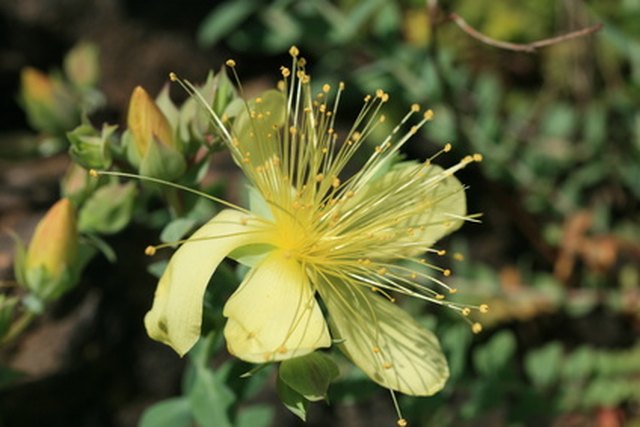
Hypericum berries are one of those garden surprises that make people stop mid-conversation and ask, “Wait, are those tiny berries real?” They are real, charming, and far more useful than their size suggests. These colorful fruits appear after cheerful yellow flowers fade, adding clusters of red, pink, peach, green, burgundy, or nearly black accents to the garden and cut-flower arrangements.
The trick to growing Hypericum berries is choosing the right type of Hypericum. Not every St. John’s wort produces the plump, florist-style fruit stems that show up in bouquets. Some varieties are mainly grown for yellow flowers, some spread as groundcovers, and some produce seed capsules instead of showy berry-like fruit. Choose a berrying ornamental type, give it sun and drainage, avoid pruning away the flowers, and you will be well on your way to a shrub that earns its keep in every season.
Choose the Right Hypericum for Berries
The first step is also the one gardeners are most likely to skip while standing in front of a nursery display with a cart full of “just one more plant.” Look for Hypericum varieties specifically described as producing decorative berries, colorful fruit, or cut-flower stems.
Good choices often include Hypericum androsaemum, commonly called tutsan or sweet amber, and berrying hybrids such as Hypericum × inodorum. These shrubs are especially valued for their yellow summer flowers followed by ornamental fruit in late summer and fall.
Hypericum varieties worth considering
- Hypericum androsaemum: Often called tutsan, this shrubby species can produce attractive fruit that shifts through green, red, purple, and dark tones as it matures.
- Hypericum × inodorum: A hybrid group known for showy foliage, yellow flowers, and decorative berries in several colors.
- Named berrying cultivars: Look for nursery labels that mention fruit color, floral use, or ornamental berries. Named cultivars are often more predictable than mystery plants labeled only “St. John’s wort.”
- Native shrubby Hypericum species: Some native species produce persistent seed capsules rather than florist-style berries, but they can still add texture and seasonal interest.
Avoid confusing berrying Hypericum with groundcover types such as Hypericum calycinum. Groundcover St. John’s wort can be tough, useful, and eager to spread like it has a personal vendetta against empty soil, but it is not usually the best choice for long berry-covered stems.
Pick the Best Growing Location
Hypericum shrubs are generally adaptable, but they perform best when they receive enough sunlight to create plenty of flowers. More flowers usually mean more fruit later, which is excellent news for anyone hoping to fill jars, bouquets, or Instagram photos with colorful berry stems.
Sunlight requirements
Plant berrying Hypericum in full sun to partial shade. A site with at least six hours of direct sun usually encourages the strongest flowering and fruit display. In very hot climates, afternoon shade can help prevent leaf scorch and reduce summer stress.
A plant grown in too much shade may survive just fine, but it may produce fewer flowers and fewer berries. Think of sunlight as your Hypericum’s berry budget. The more appropriate light it receives, the more generous the shrub tends to be.
Soil needs
Most berrying Hypericum shrubs prefer well-drained soil that stays evenly moist during establishment. They are not overly fussy about soil texture, but they do not enjoy sitting in waterlogged ground. Constantly soggy soil can contribute to root problems, weak growth, and the gardening equivalent of a bad haircut.
Before planting, improve compacted or heavy soil with compost, finely shredded leaves, or aged organic matter. The goal is not to create a luxury spa for the shrub. It is simply to improve drainage, moisture balance, and root development.
How to Plant Hypericum Berries
The easiest way to start is with a nursery-grown plant. Although some Hypericum species can be grown from seed or cuttings, a healthy container-grown shrub gives you a faster route to flowers and fruit.
Best planting time
Plant Hypericum in spring after the ground has warmed, or in early fall when temperatures are mild. Spring planting gives the shrub a full season to establish roots before winter. Fall planting can also work well in regions with moderate winters and reliable rainfall.
Planting steps
- Choose a sunny or partly sunny site with good drainage.
- Dig a hole about twice as wide as the root ball and no deeper than the plant’s original container depth.
- Gently loosen circling roots before placing the shrub in the hole.
- Set the plant so the top of the root ball sits level with the surrounding soil.
- Backfill with native soil, firming gently to remove large air pockets.
- Water deeply after planting.
- Add a 2- to 3-inch layer of mulch, keeping it a few inches away from the stems.
Spacing depends on the variety, but many berrying shrubs need room to develop a rounded shape. Read the mature width on the plant tag instead of planting based on the shrub’s current tiny-pot optimism.
Watering and Feeding for Better Berry Production
Newly planted Hypericum needs regular water during its first growing season. Water deeply whenever the top few inches of soil begin to dry out. Deep watering encourages roots to grow downward, making the shrub more resilient during hot, dry weather.
Once established, many Hypericum types are moderately drought tolerant. However, berry production can be better when plants do not experience repeated drought stress during flowering and fruit formation. A shrub that spends all summer wondering whether it will get a drink is less likely to deliver a glamorous berry harvest.
Fertilizer tips
Hypericum usually does not need heavy fertilizing. In spring, spread a layer of compost around the root zone or use a balanced slow-release fertilizer according to the product instructions. Avoid overfeeding with high-nitrogen fertilizer, which can encourage lots of leafy growth at the expense of flowers and fruit.
If your shrub has healthy green leaves but few flowers, excessive fertilizer may be part of the problem. Sometimes the best gardening move is not adding more things. Plants, much like group chats, can become overwhelmed.
Pruning Hypericum Without Losing the Berries
Pruning is where many gardeners accidentally sabotage their own berry crop. Hypericum fruit develops after flowering, so cutting the shrub back at the wrong time can remove the stems that would have carried flowers and berries.
When to prune
Prune lightly in late winter or early spring to remove dead, damaged, crossing, or weak stems. This improves airflow and encourages healthy new growth. Some Hypericum shrubs bloom on new wood, while others benefit from gentler shaping, so always check the care information for your specific variety.
Once buds begin forming, avoid major pruning. During late spring and summer, focus on removing only broken or diseased branches. Do not deadhead every spent flower if you want berries. Those fading yellow blooms are not finished working; they are simply changing jobs.
Rejuvenating older plants
If an older Hypericum becomes leggy or sparse, remove a few of the oldest stems near the base in early spring. This gradual renewal approach keeps the shrub productive without turning it into a sad collection of stumps.
How to Encourage More Hypericum Berries
Hypericum berry production follows a simple formula: healthy roots, enough sunlight, plenty of flowers, and no unnecessary pruning after bloom time. You cannot force a shrub to produce fruit with motivational speeches, but you can create the conditions it needs.
- Grow a cultivar known for decorative fruit.
- Provide full sun or bright partial sun.
- Water consistently during drought, especially while flower buds form.
- Use light fertilizer rather than heavy feeding.
- Keep mulch around the root zone to conserve moisture.
- Avoid cutting off flowers after they fade.
- Maintain good airflow to reduce disease pressure.
Some Hypericum varieties may set fruit more heavily when planted near compatible plants or when pollinators are active nearby. A garden with bees, butterflies, and other beneficial insects is not only lively; it can also help flowering shrubs complete their fruiting cycle.
Common Problems When Growing Hypericum
Root rot
Root rot is most likely in poorly drained soil. Symptoms may include yellowing leaves, wilting despite wet soil, stunted growth, or stems that decline from the base upward. Improve drainage, avoid overwatering, and do not bury the crown too deeply during planting.
Rust and leaf disease
Rust can occasionally affect Hypericum, especially in humid conditions. Look for orange, brown, or rusty spots on leaves. Remove infected foliage, clean up fallen leaves, and avoid overhead watering when possible. Watering at the soil line is much friendlier to foliage than repeatedly spraying the entire shrub like it owes you money.
Few flowers or no berries
Too much shade, excessive nitrogen, severe drought, incorrect pruning, or a non-berrying variety can all reduce fruit production. Start by confirming the plant’s identity. A perfectly healthy groundcover Hypericum may never produce the berry stems you expected because it was never genetically hired for that position.
Spreading or self-seeding
Some Hypericum species can self-seed or spread in favorable conditions. Before planting, check local invasive-plant guidance and avoid species that are problematic in your region. Choosing a named ornamental cultivar and removing unwanted seedlings early can help keep the shrub from becoming more ambitious than your landscape plan.
Harvesting Hypericum Berry Stems
Hypericum berry stems are popular in floral arrangements because they provide color, texture, and a slightly wild woodland look. Harvest stems after the fruit has developed and reached its desired color. Depending on the variety, berries may begin green and gradually turn red, pink, burgundy, purple, black, or peach.
For the longest vase life, cut stems early in the morning when the plant is hydrated. Use clean, sharp pruners and place stems in clean water right away. Remove leaves that would sit below the water line, then recut the stems before arranging them indoors.
Do not strip every berry stem from a young shrub. Leave plenty behind so the plant can continue building energy and the garden can enjoy its autumn color show. Your bouquet will still look lovely, and the shrub will not have to file a complaint with the landscaping department.
Using Hypericum Berries in the Garden
Berrying Hypericum works beautifully in mixed shrub borders, cottage gardens, cut-flower gardens, and foundation plantings. Its yellow flowers brighten the summer landscape, while its fruit adds color later in the season when many plants are beginning to slow down.
Try planting Hypericum near ornamental grasses, coneflowers, salvias, sedums, asters, or hydrangeas. The fine texture of Hypericum berry stems can soften broader leaves and large blooms. It also works well near paths, where you can appreciate the changing fruit colors without needing binoculars and a complicated hiking permit.
Hands-On Grower Experiences: What Gardeners Commonly Learn
Growing Hypericum berries often teaches gardeners a useful lesson: the most dramatic-looking plants are not always the most demanding. A berrying Hypericum shrub can look impressively decorative in late summer, yet it usually asks for fairly ordinary care. Good soil drainage, adequate sun, occasional water during dry spells, and sensible pruning go a long way.
Many gardeners first notice Hypericum in a florist bouquet rather than in a garden center. The fruit looks polished and almost artificial, especially in deep red, black, or peachy shades. Then they discover that the plant behind those stems is a hardy shrub with yellow flowers. This is usually the moment when people become slightly obsessed. The shrub is no longer “some little yellow-flowering thing.” It becomes the plant that produces those fancy berries that make every grocery-store bouquet look underdressed.
A common early mistake is buying any plant labeled “St. John’s wort” and expecting it to produce colorful berry stems. The plant may grow well, flower beautifully, and still fail to produce the fruit display the gardener imagined. The lesson is simple: plant labels matter. Searching for terms such as “ornamental berries,” “tutsan,” “berrying Hypericum,” or “cut-flower use” saves a season of confusion.
Gardeners also tend to learn the value of leaving plants alone after flowering. It is tempting to tidy every faded bloom immediately, especially for people who consider brown petals a personal insult. But with Hypericum, faded flowers are the beginning of the berry show. A shrub that looks slightly untidy for a short time may reward you with colorful fruit later. In other words, patience is sometimes just delayed decoration.
Watering habits also make a noticeable difference. Established Hypericum can tolerate dry weather better than many ornamental shrubs, but the best berry display usually comes from plants that are not repeatedly stressed during summer. Gardeners who mulch well and water deeply during extended dry periods often see sturdier stems, fuller foliage, and more reliable fruit. The shrub does not need a daily spa treatment, but it does appreciate not being forgotten during a heat wave.
Pruning becomes easier once gardeners understand the goal. Instead of shearing the plant into a perfect green meatball, selective pruning produces a more natural shape and preserves flowering stems. Removing dead wood, thinning crowded branches, and cutting back a few old stems is usually more useful than aggressive trimming. Hypericum berries look best on healthy, upright stems, not on a shrub that has been trimmed into submission.
Finally, growers often discover that Hypericum earns its place in more than one season. In summer, it offers yellow flowers. In late summer and fall, it produces colorful berries. In winter, dried stems and seed structures can still add texture to arrangements. It is a shrub that quietly keeps working while flashier plants take all the credit. Once you grow the right berrying variety, you may find yourself checking the fruit color every week, waiting for the moment the stems become bouquet-worthy.
Conclusion
Learning how to grow Hypericum berries begins with selecting a berrying ornamental variety rather than a standard groundcover St. John’s wort. Give the shrub sun, well-drained soil, consistent moisture while it establishes, and light pruning at the right time. Let the yellow flowers mature into fruit instead of removing them too quickly, and you can enjoy colorful Hypericum berries in the garden or in fresh-cut arrangements.
With the right plant and a little restraint around the pruning shears, Hypericum can become one of the most rewarding shrubs in your landscape. It flowers, fruits, supports pollinators, and gives you floral-design-worthy stems without requiring a complicated care routine. That is a pretty impressive résumé for a shrub that mostly just wants sunshine and decent drainage.
SEO Tags