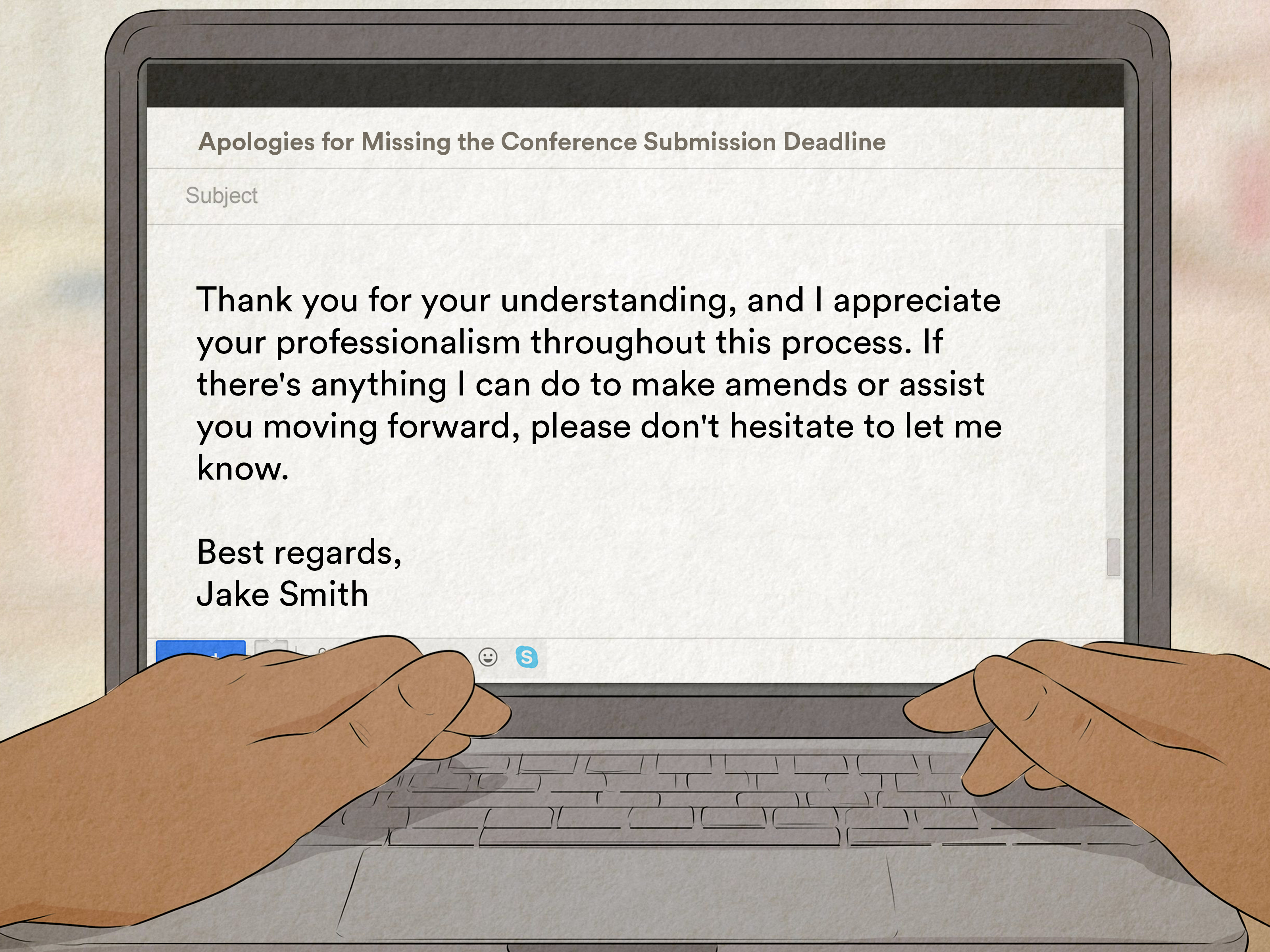

“Sorry for the inconvenience” is the microwave dinner of apologies: fast, familiar, andif you rely on it too oftenpeople start wondering if you even own a stove.
The phrase isn’t “wrong,” exactly. It’s just… bland. Vague. A little corporate. And when someone is already annoyed (a late delivery, a cancelled appointment, a login that suddenly forgot who they are),
a canned line can make your message feel like it was generated by a customer-service Roomba.
The good news: you don’t have to write an emotional novel to sound human. With a few smart alternatives (and a dash of specificity),
you can apologize in a way that lowers tension, restores trust, and actually moves the situation forward.
This guide gives you nine “apologizing for the inconvenience” alternativeswith when to use each, plus ready-to-steal examples for email, chat, and everyday work life.
Why “Sorry for the inconvenience” can land poorly
People don’t get upset because an “inconvenience” happened in the abstract. They’re upset because it cost them something: time, money, momentum, or peace of mind.
When your apology doesn’t name the impact, it can feel like you’re minimizing what happenedwithout meaning to.
Also, “inconvenience” is a foggy word. It can describe everything from “my coffee was lukewarm” to “your outage wrecked my deadline.”
If your language doesn’t match the reality, customers and coworkers can read it as tone-deaf.
A stronger approach is simple: acknowledge the impact, own the part you played, and explain what happens next.
That’s not just “polite”it’s functional. It tells the other person you understand, you care, and you’re not leaving them to wrestle the problem alone.
A fast, repeatable formula for better apologies
Before we jump into the nine options, here’s a quick framework you can use with any apologyespecially in customer service, support tickets, internal emails, and scheduling mishaps:
- Name the issue (specific beats generic)
- Acknowledge the impact (“I know this delayed your work”)
- Take responsibility (without turning it into a courtroom drama)
- Offer the next step (what you’re doing, when, and how they’ll be updated)
Now let’s upgrade your vocabularywithout sounding like you swallowed a thesaurus.
1) “Thank you for your patience while we fix this.”
This is one of the most useful “sorry for the inconvenience” alternatives because it shifts the focus from your mistake to their effort.
It can reduce friction fastespecially when you’re already working on a solution.
Best for
- Delays, outages, shipping issues, back-and-forth troubleshooting
- Situations where the fix is in progress (or just finished)
Example lines
- “Thank you for your patience while we troubleshoot the login issue. I’ll update you by 3 p.m. ET.”
- “We appreciate your patienceour team is restoring service now, and the next update will be in 30 minutes.”
- “Thanks for hanging in there. Your replacement is on the way and should arrive Friday.”
Tone tip
Pair gratitude with a timeframe. “Thanks for your patience” is strongest when it’s not a substitute for information.
2) “I understand how frustrating this is.”
If someone is upset, they want to feel seen before they want to hear your process. This line signals empathy without getting overly emotional.
It’s especially helpful when the other person is repeating themselves (a classic sign they feel unheard).
Best for
- High-emotion moments: billing errors, repeated bugs, missed commitments
- Escalations where the customer feels ignored
Example lines
- “I understand how frustrating this isespecially with your deadline today.”
- “I can see why this feels unfair. Let’s get this corrected right now.”
- “That’s a frustrating experience, and I appreciate you bringing it to us.”
Tone tip
Don’t stop at empathy. Follow it immediately with action: what you’re doing next and how long it should take.
3) “I’m sorry about the delayhere’s what I can do right now.”
This option works because it’s specific and forward-moving. You’re not apologizing for a vague “inconvenience”; you’re apologizing for the delay
and putting a solution on the table immediately.
Best for
- Late replies, missed deadlines, scheduling changes, shipping updates
- Any situation where the fix is straightforward
Example lines
- “I’m sorry about the delay in my responsehere’s the update and the next step.”
- “Apologies for the late shipment. I can overnight a replacement or issue a refundyour call.”
- “Sorry we’re running behind. I can meet at 2:30 instead, or I can send a written update today.”
Tone tip
Give choices when possible. Options help people feel back in controlwhich is often what they lost when the problem happened.
4) “We take responsibility for this, and we’re making it right by…”
If you want an alternative that builds trust, this is it. Responsibility + repair beats a generic apology every time.
It’s also useful when the other person needs reassurance you’re not brushing things off.
Best for
- Service failures, wrong orders, billing mistakes, broken promises
- Brand or reputation-sensitive situations
Example lines
- “We take responsibility for the billing error, and we’re making it right by reversing the charge today.”
- “This was on us. We’re correcting the issue and adding a credit to your account.”
- “We missed the mark, and we’re updating our process so it doesn’t happen again.”
Tone tip
Keep it clean: responsibility doesn’t require a long explanation. If you add context, make sure it doesn’t sound like an excuse.
5) “I apologize for the disruption.”
This is a professional, polished swap for “inconvenience” when the situation affected someone’s flow or operations.
“Disruption” (or “interruption”) matches the lived experience better than “inconvenience” in many business settings.
Best for
- Outages, system issues, workflow interruptions, unexpected changes
- Formal emails to clients or partners
Example lines
- “I apologize for the disruption this outage caused to your team’s work.”
- “Please accept our apologies for the interruption to service today.”
- “We apologize for the disruption and appreciate your flexibility as we restore full access.”
Tone tip
If the disruption was major, add a “what’s next” sentence: a fix, an ETA, or a clear path to support.
6) “You shouldn’t have had to deal with this.”
This line validates the other person without arguing about severity. It’s a strong alternative when someone feels like they’re doing extra work because of your mistake.
It’s also a gentle way to say, “Yes, we recognize this was not acceptable.”
Best for
- Repeated issues, complex workarounds, support loops
- Moments where you want to de-escalate quickly
Example lines
- “You shouldn’t have had to contact us twice for the same issue. I’m fixing it now.”
- “You shouldn’t have had to spend time troubleshootingthanks for sticking with it.”
- “That extra step isn’t okay. Here’s the fix, and I’ll stay on it until it’s resolved.”
Tone tip
Don’t overuse this with tiny issues, or it can sound dramatic. Match the intensity to the moment.
7) “Thanks for flagging thisyour time matters.”
Sometimes the best “apology” is respect. When you acknowledge that their time is valuable, you’re addressing the real cost of the problem.
It also works well for internal communication, where constant “sorry” can become noise.
Best for
- Errors caught by a customer or coworker
- Process mistakes, unclear instructions, confusing communication
Example lines
- “Thanks for flagging thisyour time matters, and I’m correcting it today.”
- “Appreciate the heads-up. I know you shouldn’t have had to chase this.”
- “Thank you for catching that. I’ve updated the file and shared the corrected version.”
Tone tip
Make sure “thanks for flagging” doesn’t accidentally shift responsibility onto them. Add what you’re doing to fix it.
8) “Here’s the update, and here’s what happens next.”
This alternative is less about the apology phrase and more about the apology experience. It’s a great move when the person mostly wants clarity.
In practice, a clear update often feels more respectful than a long “we’re sorry” paragraph.
Best for
- Ongoing incidents, investigations, complicated fixes
- When you can’t solve it instantly but can communicate well
Example lines
- “Here’s the update: the issue is identified. Next, we’re deploying a fix at 4 p.m. ET and will confirm once complete.”
- “Update: your order is reprocessed. Next step: you’ll get tracking in the next hour.”
- “Here’s what happens next: I’m escalating this to billing, and you’ll hear back by tomorrow morning.”
Tone tip
If the issue caused frustration, add one short empathy line first. Then go straight into the update.
9) “Please accept our apologiesand thank you for your understanding.”
This is the more formal cousin of “sorry for the inconvenience.” It’s useful when the relationship is business-to-business,
the stakes are higher, or your brand voice leans traditional.
Best for
- Formal client emails, vendor relationships, executive communication
- Public-facing updates (when tone needs to be measured)
Example lines
- “Please accept our apologies for the disruption, and thank you for your understanding as we finalize the fix.”
- “We appreciate your understanding and remain committed to preventing a repeat of this issue.”
- “Thank you for your understandingif you’d like, we can schedule a quick call to review next steps.”
Tone tip
“Thank you for your understanding” can sound presumptive if the person is very upset. When in doubt, use “thank you for your patience”
or “thank you for giving us the chance to make this right.”
Common traps to avoid (even if they feel “polite”)
- Non-apologies: “I’m sorry you feel that way” or “Sorry if you were offended.” These can sound dismissive.
- Vague apologies with no action: If there’s no next step, the apology feels like a stop sign instead of a bridge.
- Over-apologizing: Five “sorry”s in one email can make you seem uncertain or unreliable. One sincere apology + clear action is stronger.
- Blame-y explanations: “Our system messed up” is fine. “The warehouse messed up” can feel like finger-pointing.
Quick examples you can copy and customize
Customer support chat
“I understand how frustrating this is. Here’s what I’m doing now: I’m resetting your access and staying on the chat until it works. If it’s not resolved in 10 minutes, I’ll escalate it and update you with an ETA.”
Scheduling change email
“Thanks for your flexibilitysomething urgent came up on my end and I need to move our meeting. I can do 2:30 p.m. or 4:00 p.m. today, and if neither works, I’ll send a detailed update by end of day.”
Order delay email
“I’m sorry about the delayhere’s what I can do right now. I can ship a replacement with expedited delivery or issue a full refund. Reply with your preference and I’ll take care of it today.”
Conclusion
If you take one thing from this list, let it be this: the best alternatives to “apologize for the inconvenience” are the ones that sound like a person, not a policy.
Specificity builds credibility. Empathy lowers the temperature. Clear next steps rebuild trust.
Choose the option that matches the moment, add one sentence about what you’re doing next, and your apology will feel less like a scriptand more like support.
Real-World Experiences: What These Alternatives Look Like in the Wild
In real workplaces (and real inboxes), the difference between a “fine” apology and a trust-building one usually comes down to one thing: whether the message respects the other person’s reality.
Teams often discover that people don’t just want an apologythey want relief. They want the problem to stop stealing their time, their attention, or their credibility.
Here are a few common scenarios where “apologizing for the inconvenience alternatives” do more than sound nicerthey actually change the outcome.
Experience #1: The shipping delay that turned into a loyalty moment.
When an order is late, “sorry for the inconvenience” can feel like a shrugespecially if the customer needed the item for a deadline (a gift, an event, a job site).
A stronger pattern is: gratitude + options. A message like “Thank you for your patienceyour replacement is shipping today, and I can also issue a refund if you’d prefer” gives the customer power.
Even when they’re disappointed, many people respond better when they can choose the solution instead of being stuck waiting.
Experience #2: The software outage where the apology wasn’t the headlinethe updates were.
During service interruptions, long apologies can actually frustrate customers more if they’re hunting for the only thing they truly need: “When will it work?”
In outage communication, teams often learn that “Here’s the update, and here’s what happens next” is the hero line.
It reassures users that the issue is being handled and sets expectations for the next touchpoint.
The apology still matters (a short “We apologize for the disruption” helps), but the trust comes from clear timing, clear ownership, and predictable updates.
Experience #3: The meeting reschedule that didn’t burn goodwill.
Rescheduling happens. Life happens. Calendars are basically polite battlefields.
The difference-maker is acknowledging the cost without groveling: “Thanks for your flexibilitymy schedule shifted unexpectedly. I can do 2:30 or 4:00, and if neither works, I’ll send a written update today.”
That approach respects the other person’s time and offers a path forward. It also avoids the trap of over-apologizing, which can make the rescheduler sound unreliable.
Experience #4: The billing mistake that could have escalatedand didn’t.
Money problems trigger instant stress. A vague apology can sound evasive, even if you’re trying to be polite.
“We take responsibility for this, and we’re making it right by reversing the charge today” is the kind of sentence that de-escalates fast because it’s direct, concrete, and repair-focused.
Many customer service teams notice that taking responsibility early reduces the number of follow-up emails, because the customer no longer feels they have to “prove” the issue is real.
Experience #5: The repeat issue where validation mattered as much as the fix.
When someone has already tried to fix a problem multiple times, they often arrive with one loud message hidden inside their complaint: “Why is this so hard?”
In those moments, “You shouldn’t have had to deal with this” can be surprisingly powerful.
It validates the frustration without arguing about itand it signals you’re not going to treat their experience like a minor inconvenience.
Paired with action (“I’m fixing it now, and I’ll stay on it until it’s resolved”), it turns a tense exchange into a collaborative one.
The thread across all these experiences is consistency: the best apologies don’t just express regretthey reduce the burden on the other person.
If your message makes the reader feel informed, respected, and supported, you’ve moved beyond “sorry for the inconvenience” and into real relationship repair.