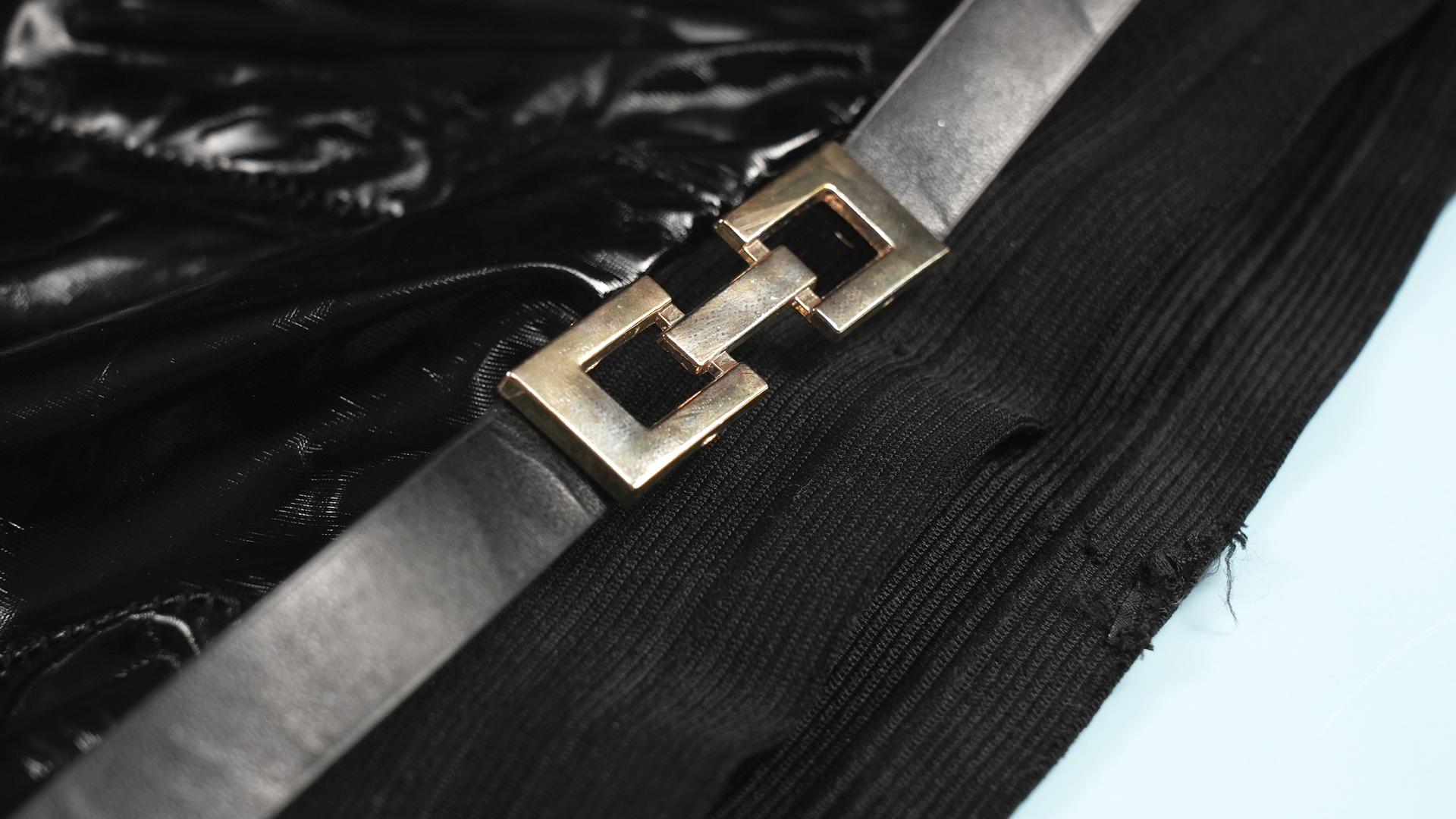

Latex clothing can make an ordinary outfit look sleek, sculptural, and gloriously dramatic. It can also become an expensive sticky sandwich if it is washed like a T-shirt and abandoned near a sunny window. Natural rubber latex is flexible, but it dislikes heat, ultraviolet light, sharp objects, petroleum-based oils, reactive metals, and rushed handling. In other words, it has boundariesand honestly, good for it.
Fortunately, learning how to care for latex clothing is straightforward. Gentle hand-washing, complete air-drying, latex-safe polishing, and dark storage can preserve the garment’s color, stretch, seams, and signature shine. This guide covers the complete routine, including chlorinated latex, stain prevention, repairs, allergy awareness, and the practical lessons owners tend to learn after the first few wears.
Why Latex Clothing Needs Special Care
Latex garments are commonly made from thin rubber sheeting joined at bonded seams. Unlike woven fabric, latex has no threads to distribute a sharp pull, so a fingernail, ring, zipper edge, or forceful pinch can damage one small area quickly. The material also ages faster when repeatedly exposed to body oils, incompatible chemicals, heat, and light.
High-quality latex can remain wearable for years when treated consistently. The goal is simple: remove residue after wearing, reduce friction, block sunlight, prevent contact with damaging substances, and stop unprotected surfaces from sticking together in storage.
Research support:
Before Cleaning: Handle the Garment Safely
Remove rings, watches, bracelets, necklaces, and anything with sharp metal edges. Use your palms and the flat parts of your fingers instead of pinching latex between your nails. When taking off leggings, gloves, or a catsuit, roll and ease the material away from the body rather than pulling one narrow section.
Inspect the garment for prints, appliqués, thin straps, zippers, molded cups, or mixed materials. These details may require extra support while drying and a lighter touch while polishing. Printed latex should be dabbed or stroked gently because aggressive rubbing can wear the design.
Always give the maker’s instructions priority. Chlorinated latex, transparent colors, metallic finishes, and glued embellishments may have product-specific restrictions.
Research support:
How to Clean Latex Clothing Step by Step
Wash latex after each wear, even when it looks clean. Sweat, skin oil, deodorant, makeup, polish, and dressing aid can remain on the surface and contribute to odor, cloudiness, discoloration, or premature deterioration.
1. Prepare a Clean Basin
Use a sink, bathtub, or plastic basin free from bleach, bath oil, and household-cleaner residue. Fill it with cool to lukewarm water. Avoid hot water, which can stress latex and bonded seams.
2. Add a Small Amount of Safe Cleaner
A cleaner made specifically for latex clothing is the safest choice. A tiny amount of mild, unscented soap may also be suitable when approved by the designer. Avoid bleach, laundry detergent, fabric softener, solvent, alcohol, stain remover, scented body wash, and cleaners containing oils or moisturizers. More soap usually creates more residue, not more brilliance.
3. Wash Gently by Hand
Turn the garment inside out, briefly submerge it, and move it through the water with open hands. Pay attention to underarms, collars, waistbands, and other areas that collect sweat. Do not scrub, twist, wring, or stretch it. If grime remains, repeat the gentle wash instead of attacking it with a brush as though it owes you money.
4. Rinse Thoroughly
Rinse with clean, cool water until no soap remains. Support heavy garments with both hands while lifting them because wet latex can strain narrow straps and seams.
5. Keep It Out of Machines
Never put latex clothing in a washing machine, dryer, dishwasher, or dry-cleaning drum. Agitation, heat, strong detergent, and cleaning solvents can dull the surface, distort the fit, or weaken seams.
Research support:
How to Dry Latex Properly
Let excess water drain, then gently pat the garment with a clean, soft, lint-free towel. Do not rub. Hang it inside out on a wide plastic or padded nonmetal hanger in a cool, shaded room. When the inside is dry, turn it right side out and dry the exterior completely.
Heavy garments and pieces with thin straps are often safer laid flat with their weight supported. Keep latex away from radiators, hair dryers, heaters, open flames, direct sunlight, and hot windows. Never iron it. Latex does not need help becoming modern art.
Research support:
How to Polish Latex Clothing
Raw latex usually has a matte or lightly powdered appearance. Its liquid-looking gloss comes from a latex-safe polish, commonly silicone-based. Apply a small amount according to the product directions and spread it evenly with your palms or a nonabrasive, lint-free applicator.
Use minimal pressure around prints, seams, glued trims, and appliqués. Too much polish creates streaks, attracts dust, and may migrate into bonded details. Silicone residue can also interfere with adhesive repairs, so stop polishing a damaged area and consult the designer or a repair specialist.
What About Chlorinated Latex?
Chlorination permanently makes the surface smoother and less tacky. Chlorinated garments may require little or no dressing aid, but they still need gentle washing, full drying, dark storage, and protection from heat and oils. Follow the maker’s directions before polishing.
Research support:
Best Ways to Store Latex Clothing
Store latex only after it is completely clean and dry. Moisture plus darkness is excellent for mushrooms, not couture.
Prevent Sticking
Untreated latex can cling to itself. Depending on the designer’s guidance, lightly dust the interior with latex-safe storage powder or apply a thin coating of compatible silicone treatment. Avoid inhaling airborne powder, and do not use so much that opening the bag creates its own weather system.
Hang or Fold With Support
Use a wide plastic or padded hanger for garments whose weight is well supported. Never use bare metal or wire hangers. Store heavy, strapless, or delicate pieces flat with loose folds and no heavy items on top. Tight creases can become difficult to remove.
Block Light and Separate Colors
Place each garment in a clean, opaque storage bag and keep it in a cool, dry closet. Store white, pastel, transparent, and other light colors separately from black, red, blue, metallic, and heavily pigmented latex because color transfer can be permanent.
Isolate Metal Hardware
Copper, brass, bronze, coins, costume jewelry, and some other metals can stain latex, especially pale colors. Place clean acid-free tissue between fixed zippers, buckles, snaps, eyelets, or rings and the surrounding material.
Research support:
What Can Damage Latex Clothing?
| Risk | Possible Damage | Safer Habit |
|---|---|---|
| Petroleum jelly, baby oil, mineral oil, and oily lotion | Softening, swelling, stains, or weakened seams | Use only latex-compatible dressing aids |
| Perfume, deodorant, makeup, and self-tanner | Discoloration, dullness, or residue | Apply early and keep contact areas clean |
| Sunlight and heat | Accelerated aging and loss of strength | Dry and store latex in a cool, dark place |
| Reactive metals and metal hangers | Dark marks that may be permanent | Use plastic hangers and isolate hardware |
| Sharp nails, jewelry, and rough surfaces | Punctures, snags, and tears | Handle with palms and remove hazards |
| Smoke, flames, and hot objects | Odor, staining, melting, or fire damage | Keep latex away from smoking and heat sources |
Research support:
Stains, Tears, and Sticky Surfaces
Stains
Do not experiment with acetone, rubbing alcohol, bleach, stain pens, or random internet chemistry. Clean the area with an approved latex product and contact the maker. Metal stains and dye transfer may be permanent, while aggressive treatment can turn one mark into a much larger tragedy.
Tears and Lifting Seams
Stop wearing the garment until it is repaired. Stretching can make a small tear travel. Flat, simple damage may be repairable with a compatible kit, but seams, zippers, transparent latex, and high-stress areas are better handled by a specialist.
Stickiness or Cloudiness
Wash, rinse, and dry the garment correctly, then apply the approved powder or polish. Persistent gumminess, brittleness, cracking, or widespread discoloration may indicate chemical or age-related damage that polishing cannot reverse.
Research support:
Latex Allergy and Skin Safety
Natural rubber latex can cause allergic or irritant reactions. Symptoms may include itching, redness, swelling, hives, or a delayed rash. Breathing difficulty, facial swelling, dizziness, or other severe symptoms require urgent medical attention. Anyone with a known natural rubber latex allergy should avoid latex clothing rather than trying to create a protective barrier with powder or polish.
First-time wearers should keep the initial session brief and stop if irritation appears. A reaction may involve latex proteins, manufacturing chemicals, fragrance, cleaning residue, or a dressing product, so consult a qualified healthcare professional instead of guessing.
Research support:
Quick Latex Care Checklist
- Remove jewelry and handle the garment with your palms.
- Hand-wash after wearing with cool or lukewarm water.
- Use a small amount of latex-safe cleaner.
- Rinse until no cleaner remains.
- Dry the inside and outside completely away from heat and sunlight.
- Apply approved polish or storage powder.
- Separate pale colors from dark and saturated colors.
- Store flat or on a wide nonmetal hanger in an opaque bag.
Real-World Experience: What Latex Ownership Actually Teaches You
The first lesson most new owners learn is that putting latex away “for now” is how care problems begin. After a long event, performance, photo shoot, or night out, the temptation is to peel off the garment, drop it over a chair, and negotiate with Future You. Future You is rarely impressed. By morning, the inside may still be damp, the material may have folded onto itself, and a necklace or zipper can be resting against a pale panel like a tiny stain-producing villain.
A better experience starts with preparing the care area before wearing the outfit. Set out a clean basin, latex cleaner, a wide plastic hanger, a soft towel, and the correct storage bag. That small amount of organization turns cleanup from a midnight engineering project into a calm routine. The garment comes off, jewelry stays on the dresser, and nobody has to search a bathroom cabinet while wearing one sock and a look of regret.
Another practical lesson is that latex cannot be hurried. Pulling harder does not make a tight sleeve cooperate; it concentrates stress around your fingertips. Experienced wearers smooth the garment into place a few inches at a time. They use enough latex-safe dressing aid to reduce friction, adjust with their palms, and pause when something feels twisted. It looks less dramatic than wrestling the garment, but the absence of a ripping sound is a delightful special effect.
Color management becomes important after someone stores a white accessory beside a red or black piece and discovers that “separate colors” was not merely designer poetry. Pale and transparent latex reveal dye transfer, metal marks, and makeup more readily than black latex. Owners with larger collections often label individual opaque bags and keep light garments in a separate drawer. It is not glamorous, but neither is explaining why a cream collar has developed one mysterious purple cheek.
Drying teaches patience as well. The outside can feel dry while moisture remains inside a sleeve, hood, glove finger, crotch panel, or zipper flap. Turning the garment and checking hidden areas prevents unpleasant surprises. For gloves and socks, gentle airflow and repositioning matter more than heat. A hair dryer may seem efficient, but it solves the wrong problem by introducing a new one.
Finally, owners learn that the best care product is not necessarily the one with the most dramatic shine. Compatibility matters more than marketing. A polish that works beautifully on plain black latex may not suit a printed panel, glued appliqué, or garment awaiting repair. Keeping the designer’s instructions with each pieceon a label, in a phone note, or inside the storage bagsaves guesswork months later.
The overall experience becomes simple once it turns into habit: clean promptly, rinse thoroughly, dry completely, protect the surface, and store intelligently. Latex is demanding in the same way a good camera lens is demanding. It does not need constant fussing; it needs the right few actions performed consistently. Do that, and the garment spends more time looking spectacular and less time auditioning for the role of “expensive crinkly object found at the back of a closet.”
Experience and styling context:
Conclusion
Knowing how to care for latex clothing comes down to disciplined gentleness. Hand-wash after every wear, rinse completely, dry both sides away from heat and sunlight, and use only approved polish, powder, or dressing aids. Protect every garment from oils, sharp objects, reactive metals, color transfer, tight folds, and damp storage.
The routine quickly becomes automatic. A few careful minutes after wearing can preserve the shine, fit, color, and strength of a latex dress, catsuit, top, skirt, leggings, gloves, or accessory for far longer than neglect ever will. Treat latex like a specialty material rather than ordinary laundry, and it will continue looking dramatically good without becoming dramatically damaged.
Editorial research synthesized from specialist U.S. latex designers and retailers, latex-care manufacturers, fashion publications, and U.S. allergy organizations: