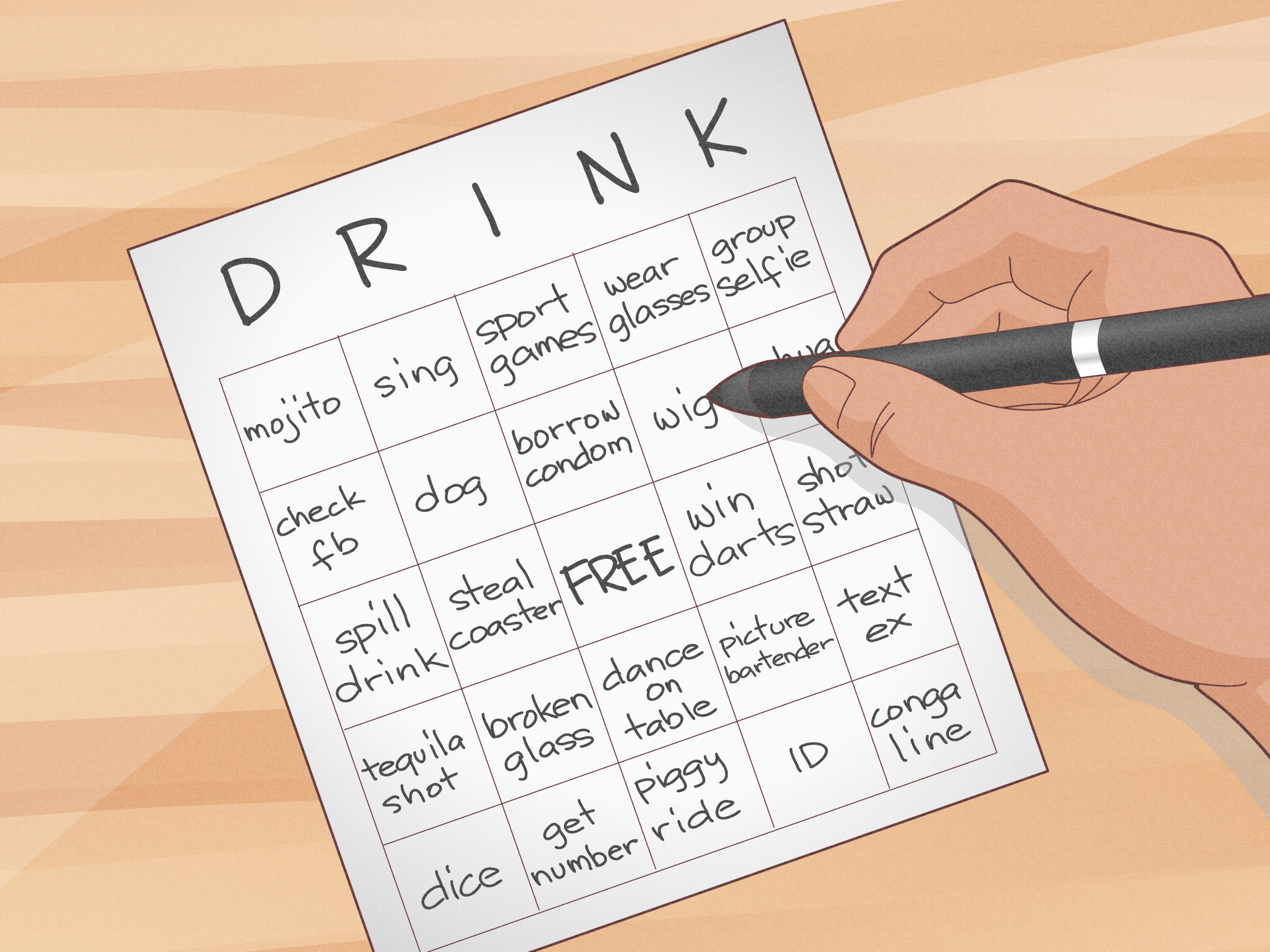

Bar bingo is what happens when classic 75-ball bingo walks into a neighborhood bar, orders a basket of fries, and suddenly becomes the friendliest game in the room. It is social, simple to learn, easy to host, and surprisingly suspenseful for a game built around little squares and big yelling.
Whether you are planning a charity night, a weekly tavern event, a birthday party, a brewery fundraiser, or a casual “let’s make Tuesday less boring” gathering, this guide explains how to play bar bingo, how the caller runs the game, what players should know, and how to build sample bingo boards that keep everyone entertained until the last nacho disappears.
What Is Bar Bingo?
Bar bingo is a live bingo game played in a bar, tavern, brewery, restaurant, club, lodge, or similar social venue. In many U.S. settings, it is tied to charitable gaming, veterans’ organizations, fraternal clubs, nonprofits, or permitted gaming events. In casual settings, it may also be played strictly for fun with small non-cash prizes.
The most common format is 75-ball bingo, the familiar American version with a five-by-five card labeled B-I-N-G-O across the top. Each card has 24 numbered squares plus a free center square. A caller randomly selects numbers, announces them aloud, and players mark the matching numbers on their cards. The first player to complete the announced pattern shouts “Bingo!” loudly enough to wake the pretzels.
The “bar” part changes the atmosphere, not the basic idea. Instead of a quiet hall with rows of serious dauber professionals, bar bingo often includes music, food, friendly heckling, themed rounds, drink specials, trivia-style banter, and prizes ranging from gift cards to charity jackpots.
Before You Play: Know the Local Rules
Before hosting bar bingo with entry fees, cash prizes, raffles, pull-tabs, or donated prize packages, check your state and local gaming rules. Bingo is considered a game of chance in many jurisdictions, and rules can differ dramatically from one state to another.
Some states require a charitable gaming license. Some limit the number of unlicensed bingo events a nonprofit may hold each year. Others set prize caps, require records, restrict who may operate the game, or regulate whether alcohol can be served during play. If the event is public, advertised, or connected to fundraising, do not guess. “We saw it at another bar” is not a legal strategy; it is how paperwork grows fangs.
For players
Players should check the house rules before buying cards. Most venues post or announce the rules, including age requirements, card prices, prize amounts, winning patterns, payout procedures, and whether multiple winners split a prize.
For hosts
Hosts should prepare written rules, confirm licensing requirements, separate gaming funds if required, train workers, and make sure the caller announces the pattern and prize before each round begins. A smooth bar bingo night is part entertainment, part bookkeeping, and part crowd control with a microphone.
What You Need to Play Bar Bingo
You do not need much to play, which is one reason bar bingo works so well as an all-night event. The essentials are simple:
- Bingo cards or paper sheets: Each player needs at least one card. Serious players may buy several.
- Daubers or markers: Ink daubers are fastest, but pencils, chips, or digital cards may work depending on the venue.
- A caller: This person draws and announces numbers clearly.
- Random number equipment: This may be a ball cage, blower machine, electronic randomizer, or approved device.
- Posted game rules: Include price, pattern, prize, age limits, and how winners are verified.
- Prize plan: Gift cards, bar merchandise, food vouchers, cash prizes, charity jackpots, or sponsor items.
- A visible pattern board: Players should know exactly what shape they are trying to complete.
If you are hosting, test the microphone. A bingo caller with a weak mic is basically a mysterious oracle mumbling into a mozzarella stick.
How to Play Bar Bingo: Step-by-Step
Step 1: Buy your bingo cards
When you arrive, buy your cards or sheets from the designated worker. A single sheet may include several “faces,” meaning several bingo boards printed together. Beginners should start with one or two cards. Playing six cards at once sounds heroic until B-12 is called and your brain leaves the building.
Step 2: Listen for the round rules
Before each game, the caller announces the winning pattern and the prize. Common patterns include a straight line, four corners, postage stamp, letter X, letter T, outside frame, or blackout. Do not assume every round is the same. Bar bingo hosts love changing patterns because it keeps the night lively and keeps overconfident players humble.
Step 3: Mark the free space
Most 75-ball bingo cards have a free space in the center. It counts as already marked. Use it wisely when checking patterns, especially diagonal lines and blackout games.
Step 4: Mark numbers as they are called
The caller announces numbers by letter and number, such as “B-7,” “N-39,” or “O-72.” The letter tells you which column to check. In standard 75-ball bingo, B is 1–15, I is 16–30, N is 31–45, G is 46–60, and O is 61–75.
Step 5: Keep your eyes on the pattern
Do not just daub randomly and hope destiny handles the rest. After every few calls, check whether you are close to the announced pattern. Many players say they are “one away” when they need one number to win. This is the moment when everyone suddenly sits up straighter.
Step 6: Shout “Bingo!” immediately
When you complete the required pattern, call out “Bingo!” loudly and quickly. In many venues, the win must be declared before the next number is called or before the caller closes the game. Be polite, but do not whisper. A timid bingo is just a secret.
Step 7: Wait for verification
A worker or caller checks your card against the numbers already called. If the card is valid, the round ends or continues according to the house rules. If more than one player wins on the same number, the prize may be split.
Step 8: Clear your card or start a new sheet
For reusable cards, clear the markers. For paper sheets, move to the next face or buy new sheets for the next round. Then repeat until the final game, the kitchen closes, or your lucky dauber runs out of emotional support.
Common Bar Bingo Patterns
Patterns are what make bingo more than “mark numbers and stare intensely.” Here are popular bar bingo patterns that work well for beginners and mixed crowds:
Straight Line
Complete any horizontal, vertical, or diagonal line. This is the easiest pattern and a great opener for new players.
Four Corners
Mark the four corner squares of the card. It is fast, simple, and perfect for a short prize round.
Postage Stamp
Complete a two-by-two square in one corner. Hosts can specify which corner or allow any corner.
Letter X
Complete both diagonals. This pattern uses the free space and adds suspense because players can get close from multiple directions.
Outside Frame
Mark all outside-edge squares. This takes longer than a straight line and works well as a mid-evening round.
Blackout or Coverall
Mark every square on the card. This is usually the grand finale because it can take many calls and builds the biggest crowd reaction.
Sample Bingo Boards for All-Night Fun
The standard bingo board is random, but themed sample boards make bar bingo feel more personal. You can use these ideas for casual games, team-building nights, brewery events, holiday parties, or non-gambling entertainment rounds. For regulated prize bingo, use approved cards and equipment as required by local rules.
Sample Board 1: Classic 75-Ball Beginner Card
| B | I | N | G | O |
|---|---|---|---|---|
| 4 | 19 | 33 | 48 | 63 |
| 11 | 24 | 41 | 56 | 70 |
| 2 | 29 | FREE | 52 | 67 |
| 8 | 16 | 37 | 60 | 74 |
| 15 | 27 | 44 | 51 | 61 |
Best round: Straight line or four corners.
Sample Board 2: Bar Scene Bingo
| Someone orders wings | Pool cue chalked | Song sing-along | Nachos arrive | Sports replay debate |
| Trivia answer shouted | Someone says “one away” | Phone flashlight used | Birthday toast | Wrong table cheers |
| Extra napkins requested | Lucky dauber shown off | FREE | Someone mishears number | Fries stolen from friend |
| Caller makes a joke | Team name invented | Someone claps too early | Server becomes hero | High five after win |
| Table groans together | Someone asks the pattern | Coaster used as marker | Prize photo taken | “Just one more round” |
Best round: Social icebreaker, no cash prize, just laughs.
Sample Board 3: Music Bingo Night
| Classic rock song | 90s hit | Country chorus | Disco beat | Movie soundtrack |
| Guitar solo | One-hit wonder | Power ballad | Dance floor starter | Song with clapping |
| Duet | Song about love | FREE | Song about cars | Artist with one name |
| TV theme | Hip-hop classic | Summer anthem | Breakup song | Song everyone knows |
| Female vocalist | Male vocalist | Band name starts with B | Live version | Final chorus singalong |
Best round: Playlist-based party bingo between number rounds.
Sample Board 4: Brewery Bingo
| IPA mentioned | Flight ordered | Dog on patio | Food truck arrives | Someone asks ABV |
| Merch shirt spotted | Tap list photo | Board game opened | New release discussed | Growler filled |
| Untappd check-in | “Hoppy” used seriously | FREE | Pretzel ordered | Guest tap praised |
| Patio heater debate | Someone tries a sour | Brewery sticker seen | Designated driver thanked | Trivia team nearby |
| Last call announced | Water glass appears | Someone says “crisp” | Can release promoted | Table orders another round |
Best round: Brewery event, taproom fundraiser, or casual theme night.
Tips for Players Who Want to Win More Often
Bar bingo is a game of chance, so there is no secret system that turns your dauber into a money printer. Still, you can play smarter and avoid rookie mistakes.
Play the number of cards you can actually manage
More cards can mean more chances, but only if you can keep up. If you miss called numbers, extra cards become expensive confetti.
Sit where you can hear the caller
Choose a seat away from loud speakers, crowded walkways, or the table that has decided every round requires a committee meeting.
Confirm the pattern before the round starts
If you are unsure whether the pattern is any postage stamp or a specific corner, ask before play begins. Pattern confusion is the natural predator of bingo joy.
Use a bright dauber
Dark, visible marks help workers verify your card quickly. They also help you avoid staring at your sheet like it contains ancient treasure instructions.
Do not call bingo too early
A false bingo is not the end of the world, but it does create a dramatic pause while everyone watches your hopes get politely audited. Check twice, yell once.
Tips for Hosting a Great Bar Bingo Night
A successful bar bingo night needs more than cards and a caller. The event should move quickly, feel fair, and give people reasons to stay for another round.
Create a clear schedule
Post the start time, number of rounds, break times, buy-in cost, and final jackpot round. A sample schedule might include eight short games, one intermission, two themed bonus rounds, and a blackout finale.
Use varied prizes
Mix small prizes with one or two bigger moments. Gift cards, appetizer vouchers, sponsor baskets, T-shirts, free dessert cards, and “choose the next song” prizes can keep the energy light without making every round feel high-stakes.
Keep the caller entertaining but clear
A good caller adds humor without turning every number into a stand-up routine. The number must be easy to hear, repeated when needed, and displayed if possible.
Explain the rules at the beginning
Announce how to win, how to claim a prize, whether prizes split, what happens if two players call bingo, and whether players must have the last number called. Clear rules prevent arguments later.
Plan responsible play
If alcohol is served, keep the event friendly and controlled. Encourage food, water, rideshares, designated drivers, and respectful behavior. Bar bingo should feel like community fun, not a pressure cooker with beer signs.
Fun Bar Bingo Variations
Once your crowd understands the basics, variations can turn a standard game into an all-night event.
Speed Bingo
Short rounds with simple patterns and quick prizes. Great for happy hour when people are drifting in after work.
Reverse Bingo
Players are eliminated when their numbers are called, and the last player standing wins. This creates hilarious suspense because everyone suddenly fears lucky numbers.
Team Bingo
Tables play together and share prizes. This works well for fundraisers, corporate nights, and friend groups that enjoy cooperative yelling.
Theme Bingo
Use holiday patterns, sports-night prizes, music categories, costume contests, or local business sponsors. A taco night bingo board practically writes itself.
Progressive Jackpot
A jackpot grows until someone wins within a certain number of calls, if local rules allow it. This format can be exciting, but hosts must understand the legal requirements before offering it.
Bar Bingo Etiquette: How Not to Become “That Table”
Bar bingo is casual, but basic etiquette keeps the night fun for everyone.
- Listen when the caller announces the pattern and prize.
- Do not distract workers during verification.
- Keep your cards visible and organized.
- Celebrate wins without mocking other players.
- Tip servers and respect venue staff.
- Do not tamper with cards, markers, numbers, or equipment.
- Play within your budget and stop when the fun stops.
The golden rule is simple: play loud enough to enjoy yourself, but not so loud that nobody can hear “G-54.”
Common Mistakes Beginners Make
Buying too many cards
New players often think more cards automatically equal more fun. Sometimes they equal more panic. Start small, then add cards once you can keep up.
Forgetting the pattern
A straight line and an outside frame are very different missions. Keep the pattern sheet in sight.
Marking the wrong column
If the caller says I-22, do not search the B column. The letters matter. Bingo is friendly, but it is not lawless.
Waiting too long to call bingo
If you have a valid bingo, call it immediately. Waiting because you feel shy may cost you the round.
Ignoring house rules
Every venue may have slightly different procedures. The best players listen first, play second, and complain never.
All-Night Bar Bingo Experience: What Makes It Memorable
The best bar bingo nights are not memorable only because someone wins a prize. They are memorable because the room slowly turns into a temporary community. At the beginning of the night, people arrive in small groups. A couple sits near the window, a birthday crew grabs the long table, regulars claim their usual stools, and one person walks in saying, “I am terrible at bingo,” which is usually the exact person who wins first.
After the first round, the mood changes. Players start comparing cards, asking about patterns, lending daubers, and groaning together when the caller pulls every number except the one they need. That shared suspense is the magic of bar bingo. It gives strangers a reason to talk without needing an awkward opening line. “Are you close?” is easier than “So, what are your thoughts on modern society?”
Food helps, too. Bar bingo pairs beautifully with appetizers because it creates natural breaks. A basket of wings appears between games. Someone orders fries for the table and immediately becomes the most popular person in the building. The server learns which group is serious about ranch dressing. By the third round, half the room has a favorite player to cheer for, even if nobody knows their name.
The caller sets the tone. A great caller is clear, quick, and funny without stealing the show. They repeat numbers when needed, keep the pace moving, and know when to pause for verification. The best callers also understand rhythm. Easy rounds early in the night build confidence. Trickier patterns in the middle keep people engaged. A blackout finale gives the whole room a reason to stay until the end.
One useful hosting experience is to include a “practice round” or low-stakes opening game. This helps beginners learn how to follow the cards, hear the calls, and understand the winning pattern. The prize can be silly: a free appetizer, a novelty trophy, or the honor of choosing a team name for the next round. Once people laugh, they relax. Once they relax, they stay.
Another helpful experience is to make the boards part of the entertainment. Standard numbered cards are perfect for official bingo, but casual theme boards can fill breaks or non-gambling rounds. A “bar scene bingo” board gets people noticing the room: someone sings along, someone asks for extra napkins, someone claps too early, someone says, “I never win anything,” seconds before winning something. These little moments make the event feel alive.
For fundraisers, storytelling matters. Briefly remind players what the night supports, whether it is a local shelter, school team, veterans’ group, animal rescue, scholarship fund, or community project. Keep it short and sincere. People enjoy knowing that their fun is connected to something useful. Just do not turn every round into a pledge drive. Bingo players came to play, not attend a financial seminar with mozzarella sticks.
From the player side, the best experience comes from balancing strategy and fun. Bring cash if the venue requires it, arrive early for a good seat, use one bright dauber, and choose a manageable number of cards. Listen carefully, laugh at near misses, and celebrate other winners. A good bar bingo player knows that losing five rounds in a row is not failure; it is character development with paper squares.
At the end of the night, the final prize is only part of the story. People remember the table that yelled too soon, the grandma who handled six cards like a casino pit boss, the bartender who knew every called number before anyone else found it, and the friend who swore they were “one away” for forty-five minutes. That is why bar bingo works. It is simple enough for beginners, social enough for groups, and unpredictable enough to keep everyone leaning forward.
If you are planning your own event, aim for clarity, fairness, pacing, and personality. Post the rules. Announce each pattern. Verify every win. Keep the prizes fun. Give people room to laugh. When bar bingo is done well, it becomes more than a game; it becomes the weekly excuse everyone needed to gather, cheer, snack, and shout one beautiful word at the top of their lungs.
Conclusion
Learning how to play bar bingo is easy: buy a card, listen for the pattern, mark the numbers, and shout “Bingo!” when you complete the winning shape. The real fun comes from the atmosphere. Bar bingo mixes classic 75-ball bingo with the energy of a neighborhood hangout, making it ideal for fundraisers, theme nights, parties, and casual community events.
For players, the best advice is to start with a manageable number of cards, listen carefully, and enjoy the social side of the game. For hosts, the keys are clear rules, legal compliance, fair verification, varied prizes, and a caller who can keep the room awake without turning every number into a Broadway monologue.
Use the sample bingo boards above to create an all-night event that feels fresh from the first round to the blackout finale. Keep it friendly, keep it fair, and remember: in bar bingo, luck may choose the winner, but the laughter belongs to everybody.