
The rectus abdominis muscle is famous for one very loud reason: it is the muscle people usually mean when they say “abs.” But reducing this long, elegant, hardworking muscle to a beach-season six-pack is like calling a smartphone “that thing with a flashlight.” Technically true, wildly incomplete.
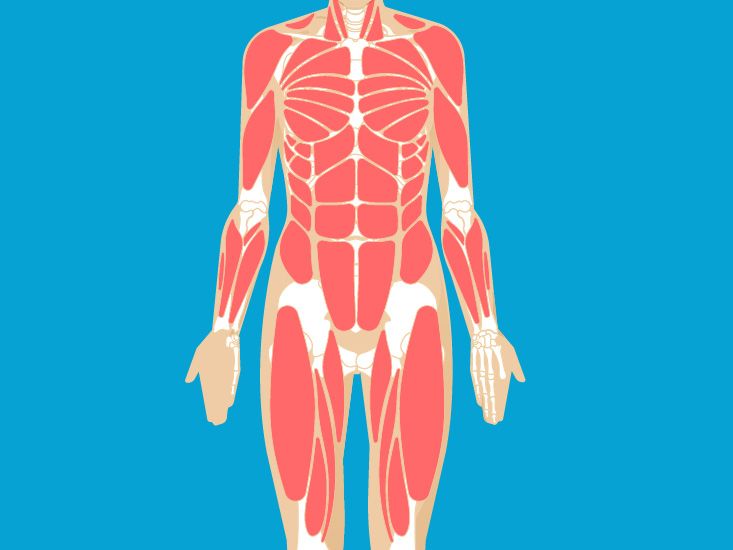
The rectus abdominis is a paired, vertical muscle that runs along the front of the abdomen, from the pubic region up to the lower ribs and breastbone. It helps bend the trunk, stabilize the pelvis, compress the abdominal organs, assist breathing, support posture, and create pressure for everyday actions like coughing, lifting, and going to the bathroom. In short, it is less of a vanity muscle and more of a front-line worker in the human core.
This guide explains the rectus abdominis muscle origin, function, and anatomy in plain English, while still keeping the details accurate enough for students, fitness professionals, healthcare writers, and curious humans who have ever done one crunch and immediately questioned their life choices.
What Is the Rectus Abdominis Muscle?
The rectus abdominis is one of the major muscles of the anterior abdominal wall. The word “rectus” means straight, and “abdominis” refers to the abdomen. So the name basically means “straight muscle of the abdomen,” which is refreshingly honest compared with some anatomical terms that sound like rejected wizard spells.
There are two rectus abdominis muscles: one on the left and one on the right. They sit side by side along the front of the abdomen and are separated by a tough midline band of connective tissue called the linea alba. This central line runs from the lower part of the sternum down toward the pubic symphysis.
The rectus abdominis is enclosed within the rectus sheath, a strong fibrous covering formed by the aponeuroses of the flat abdominal muscles: the external oblique, internal oblique, and transversus abdominis. Think of the rectus sheath as a protective sleeve that keeps the muscle organized, supported, and integrated with the rest of the abdominal wall.
Rectus Abdominis Muscle Origin
The rectus abdominis muscle originates from the front of the pelvis. More specifically, it begins at the pubic crest and pubic symphysis. These attachment points are located in the lower, central portion of the pelvis.
Primary Origin Points
The rectus abdominis origin includes:
- Pubic crest: The upper border of the pubic bone.
- Pubic symphysis: The cartilaginous joint where the left and right pubic bones meet at the front of the pelvis.
From this lower pelvic origin, the muscle fibers travel upward in a mostly vertical direction. That vertical fiber orientation is one reason the rectus abdominis is especially important for trunk flexion, or bending the torso forward.
Rectus Abdominis Muscle Insertion
The rectus abdominis inserts higher on the body, attaching to structures near the lower chest. Its main insertion points are the xiphoid process and the costal cartilages of ribs five through seven.
Primary Insertion Points
- Xiphoid process: The small, lower tip of the sternum, or breastbone.
- Costal cartilages of ribs 5–7: The flexible cartilage connecting the lower ribs to the sternum area.
Because the rectus abdominis connects the pelvis to the rib cage, it can pull these regions toward each other. That is exactly what happens during a crunch: the rib cage moves toward the pelvis, the spine flexes, and the rectus abdominis gets a very direct memo from your nervous system.
Anatomy of the Rectus Abdominis
The rectus abdominis is long, flat, and strap-like. It extends vertically along the anterior abdominal wall, positioned close to the midline. Although many people picture it as one simple muscle, its structure is more interesting than that.
The Linea Alba
The linea alba is a tough fibrous band that separates the left and right rectus abdominis muscles. It is formed by the merging of connective tissues from the abdominal muscles. In people with visible abdominal definition, the linea alba creates the vertical groove between the two sides of the “six-pack.”
Functionally, the linea alba helps transmit force across the abdominal wall. It is not just a decorative seam. It supports abdominal tension, trunk stability, and coordinated movement between the left and right sides of the body.
Tendinous Intersections
The horizontal lines that create the classic segmented appearance of the rectus abdominis are called tendinous intersections. These fibrous bands cross the muscle and divide it into sections. They are why the muscle can look like a stack of little rectangular pillows when body fat is low and muscle development is visible.
Most people have three or more tendinous intersections, but the exact pattern can vary. This is one reason not everyone’s abdominal muscles look perfectly symmetrical, even with consistent training. Genetics gets a vote, and genetics rarely asks permission.
The Rectus Sheath
The rectus sheath surrounds the rectus abdominis and helps anchor it within the abdominal wall. It is formed by connective tissue from the external oblique, internal oblique, and transversus abdominis muscles. Its arrangement changes above and below the arcuate line, an anatomical boundary in the lower abdomen.
The rectus sheath matters clinically because important blood vessels, including the superior and inferior epigastric vessels, travel in relation to it. It also plays a role in surgical anatomy, hernia repair, abdominal trauma evaluation, and conditions such as rectus sheath hematoma.
Rectus Abdominis Innervation and Blood Supply
The rectus abdominis is innervated mainly by thoracoabdominal nerves, commonly described as branches from spinal nerve levels T7 through T11, along with the subcostal nerve at T12. These nerves allow the muscle to contract in response to signals from the nervous system.
Its blood supply comes primarily from the superior epigastric artery and inferior epigastric artery, with additional contributions from nearby vessels. This rich blood supply helps support the muscle’s work during movement, breathing assistance, and abdominal pressure generation.
Main Functions of the Rectus Abdominis
The rectus abdominis performs several important functions. While it is often associated with crunches, its real job description is much broader.
1. Trunk Flexion
The most recognized function of the rectus abdominis is trunk flexion. This means bending the spine forward, as when you sit up from lying down, perform a crunch, or curl your torso toward your pelvis.
When the pelvis is fixed, the rectus abdominis pulls the rib cage downward and forward. When the rib cage is fixed, it can help tilt the pelvis backward. This action is important in exercise, posture, and everyday movements such as getting out of bed.
2. Pelvic Stabilization
The rectus abdominis helps control pelvic position, especially by contributing to posterior pelvic tilt. This matters because pelvic alignment affects the lower back, hips, and overall posture.
For example, when someone arches the lower back excessively during a plank, the rectus abdominis may not be doing enough work to help stabilize the pelvis. A stronger, better-coordinated core can help maintain a more neutral position.
3. Compression of Abdominal Contents
The abdominal wall muscles help compress the abdominal organs. The rectus abdominis contributes to this pressure system, working with the obliques, transversus abdominis, diaphragm, and pelvic floor.
This compression is important during coughing, sneezing, forced exhalation, bowel movements, lifting, and childbirth. In other words, the rectus abdominis is involved in many moments when the body says, “Brace yourself; we are doing something intense.”
4. Assistance With Breathing
The rectus abdominis can assist with forced expiration. During quiet breathing, it does not need to work very hard. But during heavy exercise, coughing, or forceful breathing, it helps push air out by increasing abdominal pressure and encouraging the diaphragm upward.
This is why abdominal muscles can feel tired after repeated coughing or intense conditioning workouts. They are not just along for the ride; they are clocking in.
5. Core Support and Movement Control
The rectus abdominis helps support the trunk as part of the larger core system. It does not work alone. It coordinates with the external obliques, internal obliques, transversus abdominis, spinal muscles, diaphragm, and pelvic floor.
A useful way to think about the core is not as one muscle, but as a team. The rectus abdominis may be the celebrity member, but the deep stabilizers are the quiet professionals keeping the whole operation from turning into chaos.
Rectus Abdominis and the “Six-Pack” Appearance
The six-pack look comes from the shape of the rectus abdominis, the tendinous intersections crossing it, the linea alba dividing it, and the amount of tissue covering it. However, visible abs are not the same thing as functional strength, and they are definitely not the only sign of health.
Someone can have a strong rectus abdominis without highly visible muscle definition. Body composition, genetics, hydration, skin thickness, training history, and natural anatomy all affect appearance. For web readers, this is an important point: the rectus abdominis is worth understanding because of what it does, not just how it photographs under dramatic gym lighting.
Common Movements That Use the Rectus Abdominis
The rectus abdominis is active in many familiar movements. You use it when you curl your trunk forward, brace before lifting, control your posture, or stabilize your pelvis during exercise.
Examples of Rectus Abdominis Activity
- Doing a curl-up or crunch
- Sitting up from a lying position
- Holding a plank with good alignment
- Controlling the pelvis during leg raises
- Bracing before lifting a heavy object
- Forcefully coughing or sneezing
- Exhaling hard during intense exercise
The key is that the muscle is not only active when you visibly move the trunk. It can also contract isometrically, meaning it creates tension without obvious movement. A well-held plank is a classic example.
Rectus Abdominis vs. Other Abdominal Muscles
The rectus abdominis is only one part of the abdominal wall. The external obliques sit more superficially on the sides of the abdomen and help with rotation, side bending, and trunk flexion. The internal obliques lie deeper and assist with rotation, compression, and stability. The transversus abdominis is the deepest abdominal layer and plays a major role in abdominal tension and spinal support.
Training only the rectus abdominis while ignoring the rest of the core is like building a beautiful front door on a house with no walls. For balanced function, the abdominal muscles need to work together.
Clinical Relevance of the Rectus Abdominis
Understanding rectus abdominis anatomy is useful beyond fitness. This muscle and its surrounding sheath are clinically important in abdominal pain, surgery, injury, posture, pregnancy recovery, and rehabilitation.
Abdominal Strain
A rectus abdominis strain can occur when the muscle is overstretched or overloaded. This may happen during sports, sudden twisting, forceful coughing, heavy lifting, or aggressive exercise done before the body is ready. Symptoms may include localized pain, tenderness, tightness, or discomfort during trunk movement.
Diastasis Recti
Diastasis recti refers to separation or widening along the linea alba between the left and right rectus abdominis muscles. It is commonly discussed after pregnancy, but it can also occur in other situations involving repeated or increased abdominal pressure. Management usually focuses on breathing, pressure control, progressive strengthening, and guidance from qualified professionals when needed.
Rectus Sheath Hematoma
A rectus sheath hematoma is a collection of blood within the rectus sheath, often related to bleeding from epigastric vessels or muscle injury. It can cause abdominal pain and may mimic other abdominal conditions. This is one reason sudden or severe abdominal pain should be taken seriously rather than dismissed as “probably just abs.”
How to Strengthen the Rectus Abdominis Safely
Effective rectus abdominis training does not require endless crunches or dramatic fitness influencer facial expressions. The best approach is progressive, controlled, and balanced with the rest of the core.
Helpful Exercise Categories
- Spinal flexion exercises: Curl-ups and controlled crunch variations.
- Anti-extension exercises: Planks, dead bugs, and body saw progressions.
- Pelvic control drills: Posterior pelvic tilts and controlled leg-lowering movements.
- Integrated core work: Carries, breathing drills, and compound lifts with proper bracing.
Good technique matters more than chasing fatigue. If the lower back takes over during a core exercise, the movement may need to be modified. A smaller range of motion done well beats a larger range done with the grace of a folding lawn chair.
Practical Anatomy: Why This Muscle Matters in Daily Life
The rectus abdominis helps connect the rib cage and pelvis, which makes it important for posture and daily movement. When you roll out of bed, stabilize your trunk while carrying groceries, laugh hard, cough, or brace before picking something up, this muscle contributes.
It is especially important during movements that require controlled spinal flexion or pelvic positioning. For athletes, it supports sprinting, jumping, throwing, kicking, and quick changes of direction. For non-athletes, it supports the simple but underrated goal of moving through the day without feeling like your torso is a poorly assembled tent.
Experience-Based Insights: Understanding the Rectus Abdominis in Real Life
One of the most useful experiences related to learning the rectus abdominis muscle origin, function, and anatomy is noticing how often this muscle works quietly in the background. Many people first “meet” the rectus abdominis through exercise, usually during crunches, sit-ups, or planks. At first, it may seem like the muscle only exists to create soreness after an ambitious workout. But once you understand its anatomy, you begin to recognize it in ordinary movements.
For example, getting out of bed is a simple daily demonstration of rectus abdominis function. When you curl your trunk forward, the muscle shortens to help bring the rib cage toward the pelvis. If you have ever had sore abs after exercise, you probably noticed this movement immediately the next morning. Suddenly, sitting up becomes a full theatrical production. That soreness is not a requirement for progress, but it does make the anatomy lesson unforgettable.
Another real-world experience is learning the difference between moving the spine and stabilizing the spine. During a crunch, the rectus abdominis creates visible trunk flexion. During a plank, however, it works more like a stabilizing cable. The body is trying not to sag into spinal extension, and the rectus abdominis helps keep the pelvis and rib cage from drifting apart. This is why a proper plank can feel intense even though nothing dramatic appears to be happening. The muscle is working, just without waving a flag.
People also notice the rectus abdominis during breathing and bracing. Before lifting a heavy bag, pushing furniture, or carrying a suitcase, the abdominal wall naturally tightens. That bracing action increases trunk stiffness and helps protect the spine. It does not mean the rectus abdominis acts alone, but it is part of the pressure system that makes the torso feel stable. When breathing is coordinated with movement, core exercises often feel smoother and safer.
A common learning moment happens when someone realizes that “strong abs” and “visible abs” are not identical. A person may build excellent rectus abdominis strength through progressive training, sports, martial arts, dance, manual work, or rehabilitation exercises without having sharply defined abdominal segments. The tendinous intersections and linea alba create the six-pack structure, but visibility depends on many factors outside the muscle itself. This understanding can make training healthier and less appearance-focused.
In practice, the best experience with rectus abdominis training is usually balanced, not extreme. A few well-performed movements that teach spinal flexion, pelvic control, bracing, and breathing are more valuable than doing hundreds of rushed repetitions. For beginners, dead bugs, modified curl-ups, and planks often teach awareness better than aggressive sit-ups. For more advanced exercisers, hanging knee raises, rollouts, and loaded carries can challenge the muscle while involving the entire core system.
The biggest takeaway from real-life experience is simple: the rectus abdominis is not just a mirror muscle. It is a movement muscle, a posture muscle, a breathing assistant, and a pressure manager. Once you understand where it starts, where it ends, and what it does, every core exercise becomes easier to analyze. You stop asking, “Do I feel the burn?” and start asking, “Am I controlling my ribs, pelvis, spine, and breath?” That is where smarter training begins.
Conclusion
The rectus abdominis muscle is a central structure of the anterior abdominal wall, originating from the pubic crest and pubic symphysis and inserting into the xiphoid process and costal cartilages of ribs five through seven. Its main functions include trunk flexion, pelvic stabilization, abdominal compression, forced expiration, and core support.
Although it is widely known as the “six-pack” muscle, the rectus abdominis deserves more respect than that nickname gives it. It helps you move, breathe, brace, cough, lift, sit up, and stabilize your body through countless daily actions. Understanding its origin, function, and anatomy makes it easier to train intelligently, write accurately about human movement, and appreciate the remarkable engineering built into the abdominal wall.