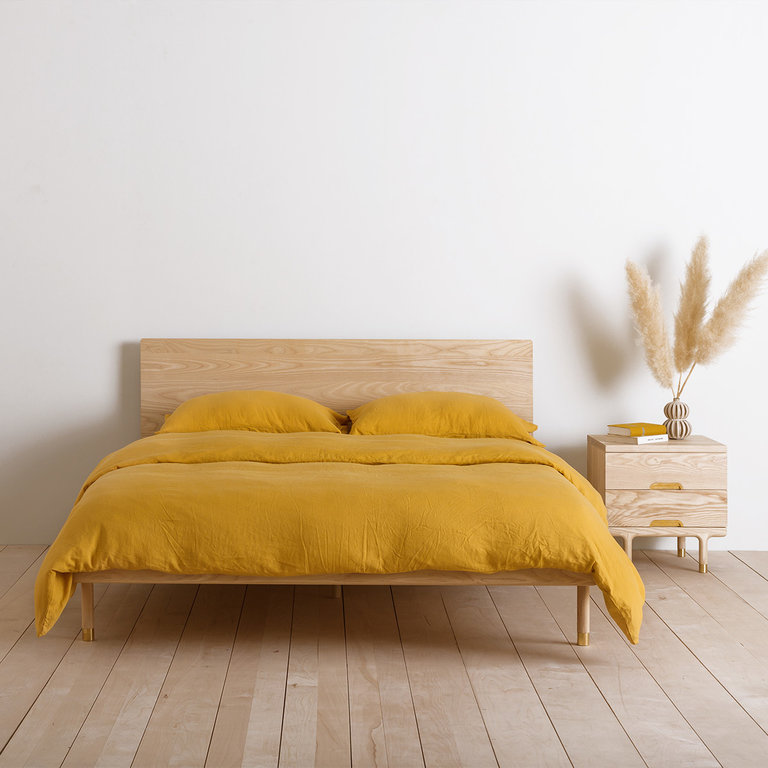

There are two types of bedroom furniture: the pieces you buy because they are useful, and the pieces you buy because they quietly make the whole room look like an adult lives there. A good wooden bed does both. It lifts the mattress, anchors the room, supports your sleep, and politely hides the fact that your bedside table may currently be a stack of books, receipts, and one heroic glass of water.
Wooden beds have a staying power that trendy upholstered frames, squeaky metal bases, and mystery-material flat packs often envy from across the showroom. Whether the style is Shaker, Scandinavian, farmhouse, Japandi, mid-century, or spare modern, a wood bed frame brings warmth without shouting. It can look rustic, refined, minimalist, or heirloom-worthy depending on the wood species, finish, profile, and joinery.
This guide breaks down 10 essential wooden bed styles worth knowing before you shop. Instead of chasing one “perfect” frame, we will look at the features that actually matter: solid wood versus veneer, platform support, slat spacing, headboard height, under-bed clearance, finishes, sustainability claims, mattress compatibility, and long-term durability. In other words, everything your future well-rested self will thank you for.
Why Wooden Beds Still Matter
A bed is the largest piece of furniture in most bedrooms, so it has an unfair amount of visual authority. Choose a bulky frame and the room feels crowded. Choose a flimsy one and the entire space feels temporary. Choose a well-proportioned wooden bed and suddenly the room has a center of gravity. It is the furniture equivalent of standing up straight.
Wood also has a rare design gift: it softens modern rooms and sharpens traditional ones. A pale oak platform bed can make a small apartment feel calm and airy. A walnut panel bed can turn a plain white bedroom into something warmer and more polished. A pine frame can make a guest room feel relaxed, casual, and unfussy. The same basic material can play many roles without requiring a costume change.
Functionally, wooden beds can also be excellent foundations for modern mattresses. Many platform beds eliminate the need for a box spring by using a slatted or solid support system. The key is making sure the support is strong enough and close enough together for your mattress type. Foam and hybrid mattresses, in particular, usually need a flat, stable base with narrow spacing between slats to prevent sagging.
10 Easy Pieces: Essential Wooden Bed Styles
1. The Simple Platform Bed
The simple platform bed is the little black dress of wooden bed frames. It is clean, low, useful, and almost impossible to embarrass. A platform frame typically supports the mattress directly, often with wood slats, so you can skip the box spring and keep the bedroom profile low.
This style works especially well in apartments, minimalist rooms, and bedrooms where you want the bedding, rug, or artwork to take the lead. Look for sturdy rails, a center support beam on larger sizes, and slats that stay locked or strapped in place. If the slats slide around like loose crackers in a box, the bed may eventually squeak, sag, or test your patience at 2:17 a.m.
2. The Shaker-Inspired Bed
A Shaker-inspired wooden bed is for people who like simplicity with a backbone. Tapered legs, panel headboards, spindle details, and restrained proportions give this style a handcrafted feeling without turning the room into a museum. It pairs beautifully with linen bedding, wool rugs, ceramic lamps, and the fantasy that you fold laundry immediately after it leaves the dryer.
Shaker-style beds often look best in oak, walnut, beech, or wood veneer over stable engineered panels. A fully solid wood frame is wonderful, but not every good bed must be 100 percent solid hardwood. High-quality veneer can offer attractive grain consistency and reduce movement from seasonal humidity. The important part is transparency: know what is solid, what is veneered, and what is engineered.
3. The Japandi Joinery Bed
Japandi wooden beds combine Japanese restraint with Scandinavian warmth. The result is calm, low, and slightly smug in the best possible way. These frames often use visible joinery, rounded edges, pale wood tones, and tool-free or low-hardware assembly. They are popular because they look considered without looking fussy.
When shopping this category, study the joints. Interlocking corners, snug rails, and solid center supports matter more than poetic product names. A bed that assembles neatly is easier to move, easier to maintain, and less likely to develop the haunted-house soundtrack that cheaper frames sometimes provide.
4. The Mid-Century Wood Bed
The mid-century wooden bed remains a favorite because it knows how to look elegant while keeping its ankles exposed. Tapered legs, warm walnut or acorn finishes, slim rails, and angled silhouettes make this style ideal for small and medium-size bedrooms. It visually lifts the furniture off the floor, which helps the room breathe.
Mid-century beds can be made from solid wood, veneers, engineered wood, or a mix. That is not automatically a deal-breaker. A well-made frame with kiln-dried components, durable slats, and a stable finish can serve beautifully. The danger is buying only for the silhouette and forgetting to inspect the support system. Style is delightful; structural integrity is what keeps you from waking up in a furniture incident.
5. The Farmhouse Bed
The farmhouse wooden bed is the comfort-food option. It often features a taller headboard, chunkier rails, visible grain, and a slightly nostalgic shape. Done well, it feels cozy and grounded. Done poorly, it looks like a barn door got promoted too quickly.
For a modern farmhouse look, choose clean lines over heavy distressing. A solid pine or mixed-wood frame can work well, especially in guest rooms and casual family spaces. A headboard and footboard can make the bed feel substantial, but they also take up more visual and physical room. Measure carefully, especially if your bedroom already has nightstands, a bench, or a dramatic relationship with closet doors.
6. The Storage Platform Bed
A wooden storage bed is for anyone whose home contains more objects than available square footage. Drawers, lift-up platforms, or built-in cubbies can transform the bed from “place to sleep” into “secret real estate empire.” This is especially useful in city apartments, kids’ rooms, guest rooms, and homes without generous closets.
The best storage beds hide their usefulness. Look for drawers that glide smoothly, handles that do not attack your shins, and enough clearance to open everything without rearranging the room. Also check the support system above the storage cavity. The mattress still needs a stable base, even if the bed is moonlighting as a dresser.
7. The Low Wood Bed
A low wooden bed creates a calm, lounge-like bedroom. It can make ceilings feel taller and rooms feel more open, especially when paired with simple bedding and low nightstands. This style is common in minimalist, Japanese-inspired, and contemporary interiors.
However, low beds are not for everyone. Getting in and out requires more bending, which may be annoying for tall sleepers, people with knee or back concerns, or anyone who enjoys leaving socks under the bed as a lifestyle choice. Before committing, compare the total height of the frame plus mattress. A low platform with a thick mattress may feel perfect; a low frame with a thin mattress may feel like camping with better lighting.
8. The Canopy Wood Bed
A wooden canopy bed adds architecture to the bedroom. Even a simple four-post frame can make a plain room feel intentional. In a large bedroom, it creates intimacy. In a smaller room, it can still work if the posts are slim, the finish is light, and the design avoids unnecessary bulk.
Canopy beds are especially effective when the rest of the room is restrained. Let the frame be the statement, then keep bedding, lamps, and rugs quiet. Unless your goal is “royal guest room in a castle with Wi-Fi,” restraint is your friend.
9. The Reclaimed Wood Bed
A reclaimed wood bed brings history, texture, and sustainability appeal. Reclaimed boards can show knots, color variation, nail marks, and patina that new lumber cannot fake convincingly. This style suits rustic, industrial, coastal, and eclectic bedrooms.
Because reclaimed wood can vary widely, inspect construction details closely. The charm should be on the surface, not in wobbly joints or splintery edges. Look for smooth finishing, secure joinery, clear information about sourcing, and low-VOC or water-based finishes when possible. Reclaimed wood should feel soulful, not like it might give you a souvenir splinter.
10. The Budget-Friendly Pine Bed
Pine beds prove that wooden furniture does not have to cost as much as a vacation. Pine is a softwood, so it dents and scratches more easily than oak, maple, or walnut. But it is also lightweight, affordable, easy to paint or stain, and friendly to renters, first apartments, kids’ rooms, and DIY upgrades.
An unfinished pine frame can be a blank canvas. You can seal it naturally, stain it darker, paint it white, or let it age into a casual honey tone. Just remember that budget-friendly does not mean support-optional. Check the slats, center beam, legs, and hardware before congratulating yourself on the bargain.
How to Choose the Best Wooden Bed Frame
Start With the Wood Type
Hardwoods such as oak, maple, walnut, beech, ash, and cherry are generally prized for furniture because they are dense, durable, and attractive. Oak feels sturdy and classic. Walnut is rich and sophisticated. Maple is pale, hard, and clean-looking. Beech is smooth and practical. Ash has a lively grain and a lighter modern look.
Softwoods such as pine are usually more affordable and easier to move. They are not automatically “bad,” but they require realistic expectations. A pine bed in a child’s room may collect dents and stories at the same rate. That can be charming if you like patina and annoying if you expect museum-level perfection.
Understand Solid Wood, Veneer, and Engineered Wood
Solid wood means the visible piece is made from natural lumber. It is strong, repairable, and appealing, but it can be expensive and may expand or contract with humidity. Veneer is a thin layer of real wood applied over a stable core. Good veneer can look beautiful and perform well. Engineered wood, MDF, and particleboard vary widely in quality and should be evaluated by construction, emissions standards, and where they are used.
For bed frames, the most important structural parts are rails, legs, center supports, and slats. Decorative panels can be veneered and still look excellent. But high-stress parts should feel solid, secure, and well joined.
Check Slat Spacing and Mattress Compatibility
Slats are not decorative wooden stripes. They are the support system standing between your mattress and gravity. For many modern foam and hybrid mattresses, narrow slat spacing is important to prevent dipping, sagging, and warranty headaches. A common target is slats spaced roughly 2 to 3 inches apart, though mattress manufacturers may vary.
If the bed you love has wide slats, consider adding a bunkie board or compatible foundation. This can improve support without adding much height. Also check whether the frame has a center support leg for queen, king, and California king sizes. Larger mattresses need more structure, because physics does not care how pretty the headboard is.
Think About Height
Bed height affects comfort, storage, and the entire mood of the room. A higher wooden bed feels traditional and may be easier to get in and out of. A lower platform feels modern and calm. If you need storage, measure the under-bed clearance before buying baskets, bins, or dreams of seasonal organization.
Match the Finish to Your Room
Light oak, ash, and natural pine make a room feel relaxed and airy. Walnut and darker stains add drama and warmth. Black-stained wood can look sharp and architectural. Whitewashed or weathered finishes lean coastal or rustic. The safest choice is not always the most neutral one; it is the one that works with your floors, trim, nightstands, and bedding.
If your bedroom already has wood floors, do not panic about matching perfectly. Mixed wood tones can look rich when they share an undertone. Warm woods usually play well together. Cool gray-brown woods prefer other cooler finishes. When in doubt, use a rug as a referee.
Wooden Bed Maintenance: Keep It Quiet, Clean, and Handsome
A wooden bed does not demand much, but it appreciates basic manners. Tighten hardware after the first few weeks of use, especially if the frame is new. Recheck bolts and supports after moving the bed. Dust the frame with a soft cloth, and avoid soaking wood with water or harsh cleaners.
If squeaks appear, find the source before blaming the mattress, the floor, the dog, or your life choices. Squeaks often come from loose bolts, shifting slats, wood rubbing against wood, or a frame touching the wall. Felt pads, tightened joints, non-slip mats, and properly seated slats can solve many problems.
Protect wood from extreme humidity and direct sunlight. Solid wood can move slightly as seasons change, which is normal. A good finish helps, but it cannot make wood behave like plastic. That is part of the appeal. A wooden bed ages, deepens, and develops character. Like people, but usually with fewer opinions.
Best Rooms for Wooden Beds
In a primary bedroom, a solid oak, walnut, or Japandi-style wooden bed can become the long-term anchor. In a guest room, a simple platform or pine frame keeps the space flexible and welcoming. In a small apartment, a low platform or storage bed can reduce visual clutter. In a child’s room, pine or painted wood may be practical because bumps, stickers, and mysterious crayon events are part of the contract.
Wooden beds are also useful in mixed-style homes. If your decor includes modern lighting, vintage rugs, linen bedding, or antique dressers, wood can connect those elements naturally. It is the design world’s diplomatic translator.
Common Mistakes to Avoid
The first mistake is buying only by appearance. A bed can photograph beautifully and still have weak slats, awkward assembly, or a headboard that wobbles every time you reach for your alarm. The second mistake is ignoring mattress requirements. Always check whether your mattress needs a specific slat spacing, foundation, or center support.
The third mistake is choosing the wrong scale. A massive farmhouse bed in a tiny room can make the space feel like a storage unit with pillows. A very low platform in a tall, traditional room may look unfinished unless balanced with art, lighting, or a substantial headboard. Measure not only the mattress size, but also the total footprint, headboard height, footboard depth, and walking clearance around the bed.
The fourth mistake is assuming “wooden” always means solid wood. Read the material list. A frame may combine solid wood, veneer, plywood, MDF, metal brackets, or engineered supports. That combination can be perfectly fine, but it should be clearly disclosed and appropriate for the price.
Experience Notes: Living With Wooden Beds in Real Homes
After seeing wooden beds in apartments, guest rooms, family homes, and tiny bedrooms where opening a closet door requires choreography, one lesson stands out: the best wooden bed is the one that makes the room easier to live in. Not more impressive. Not more expensive. Easier.
A simple platform bed, for example, can completely change a small bedroom. Without a bulky box spring or oversized footboard, the room suddenly feels calmer. You can walk around the bed without performing a sideways shuffle. Bedding hangs more naturally. The nightstands do not look like they are clinging to the walls for survival. In rooms with low ceilings, a low wood platform creates visual breathing room and lets artwork or lighting do more of the decorative work.
In guest rooms, wooden beds have another advantage: they are forgiving. A natural wood frame works with white sheets, patterned quilts, striped duvets, vintage blankets, or whatever clean bedding is available before visitors arrive. Unlike heavily upholstered beds, wood does not trap dust as easily, and it is simpler to wipe down between guests. A solid headboard also makes a guest room feel finished, even when the rest of the room contains “temporary” storage boxes that have been temporary since 2019.
Families often discover that wood beds age better emotionally than glossy or upholstered frames. A small scratch on pine or oak can become part of the furniture’s story. A dent from a toy, a suitcase, or an overexcited dog is annoying for about a week, then becomes invisible. With darker polished finishes, scratches may show more, but they can often be touched up. With natural or matte finishes, wear tends to blend into the grain more gracefully.
Assembly is where many wooden beds reveal their true personality. Some frames go together with calm, sensible joinery and make you feel briefly competent enough to build a cabin. Others arrive with bags of hardware, instructions written like a riddle, and one mysterious extra bolt that will haunt you forever. Tool-free or well-engineered joinery is a major benefit for renters and frequent movers. If you move often, avoid frames that require total emotional collapse every time they are disassembled.
Noise is another real-life test. A quiet bed is not glamorous, but it is deeply underrated. Squeaks can come from loose joints, shifting slats, uneven floors, or the mattress rubbing against the frame. Wooden beds with secure slats, stable center supports, and snug corners tend to stay quieter. Adding felt pads where wood meets wood, tightening bolts seasonally, and keeping the frame square can make a big difference.
Storage is personal. Some people love under-bed drawers. Others discover that drawers only work if there is enough room to open them. In tight bedrooms, open under-bed clearance with bins may be more practical than built-in drawers. A storage bed is wonderful when planned correctly, but it should not require moving a rug, nightstand, and sleeping pet every time you need winter sweaters.
The biggest experience-based recommendation is to choose a wooden bed that fits your habits, not your fantasy self. If you love crisp minimalism but own 47 throw pillows, choose a frame with a headboard that can handle visual softness. If you move every year, prioritize easy assembly over dramatic scale. If you have pets, children, or both, consider lighter finishes and rounded corners. If you want a long-term investment, choose better wood, better joinery, and a style that will not feel dated after one algorithmic trend cycle.
A wooden bed should feel steady, warm, and quietly useful. It should support the mattress, suit the room, and survive ordinary life with dignity. The best ones do not beg for attention. They simply make the bedroom feel more complete, night after night.
Conclusion
Essential wooden beds earn their place because they combine structure, style, and longevity. A simple platform bed can make a small room feel open. A Shaker-inspired frame can add timeless character. A walnut mid-century bed can bring warmth and polish. A reclaimed wood bed can add texture and story. A pine frame can offer affordability and creative freedom.
The smartest choice depends on your mattress, room size, budget, design taste, and willingness to assemble furniture without muttering. Before buying, check materials, slat spacing, center support, finish quality, height, and return policies. A beautiful wooden bed should not only look good on delivery day; it should remain sturdy, quiet, and useful for years.
Note: Product availability, prices, finishes, and specifications can change. Always confirm current measurements, materials, support requirements, and warranty details before purchasing a wooden bed frame.