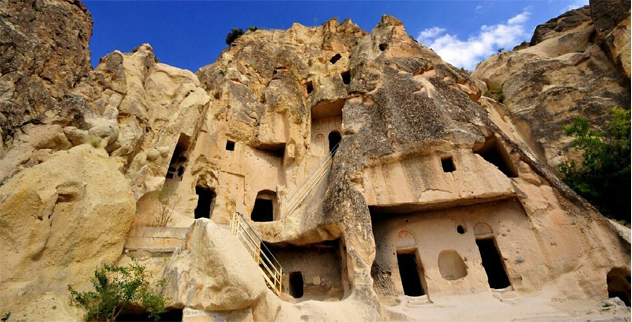

Some homes are built with drywall, laminate, and the faint hope that nobody notices the uneven paint line behind the couch. Then there are stone dwellings: homes carved into cliffs, stacked from sandstone blocks, wrapped in limestone, or perched above rivers like they are auditioning for a fantasy film. These are the buildings that make ordinary houses look like they need a motivational seminar.
Stone dwellings have existed for thousands of years because stone does something few materials can do: it lasts, protects, cools, warms, and tells a story without needing a caption. From ancient cliff dwellings in the American Southwest to dramatic stone mansions and modern architectural icons, these homes prove that rock is not just something you stub your toe on during a hike. It can be shelter, art, engineering, culture, and occasionally, a very dramatic roof.
Below are 10 real stone dwellings that will rock your world, with history, design details, and practical lessons for anyone who loves architecture, travel, preservation, or homes with more character than a reality TV reunion.
Why Stone Dwellings Still Fascinate Us
Stone homes appeal to something deep in the human imagination. They feel permanent in a world where everything seems to update, expire, or ask for a password. A stone dwelling is grounded, literally and emotionally. It belongs to its landscape. It handles weather with a quiet shrug. It also gives designers endless opportunities to play with texture, shadow, thermal comfort, and natural beauty.
But the best stone dwellings are not just “pretty rocks with windows.” They show how people adapted to climate, available materials, social needs, defense, ceremony, and daily life. Some were built for families and communities. Others were elite retreats. A few look like someone challenged an architect by saying, “Bet you can’t build a house there,” and the architect replied, “Hold my drafting pencil.”
10 Stone Dwellings That Will Rock Your World
1. Cliff Palace, Mesa Verde National Park, Colorado
Cliff Palace is one of the most astonishing stone dwellings in North America. Tucked into a massive sandstone alcove at Mesa Verde National Park, it was built by Ancestral Pueblo people using sandstone blocks, mortar, wooden beams, and remarkable planning. The setting alone is enough to make your jaw file a formal complaint.
What makes Cliff Palace unforgettable is not only its size but also its intelligence. The builders shaped sandstone by hand, fitted walls into the natural curve of the cliff, and created rooms, plazas, and kivas in a location that offered shade, protection, and proximity to community life. It is not a random pile of ancient masonry. It is a carefully organized settlement that shows architectural skill, social structure, and deep knowledge of place.
For modern homeowners, Cliff Palace offers a timeless lesson: the best architecture listens to the land first. Instead of forcing a building onto a site, the Ancestral Pueblo builders worked with the cliff. That is sustainable design before “sustainable design” needed a marketing department.
2. Pueblo Bonito, Chaco Culture National Historical Park, New Mexico
Pueblo Bonito is less a house and more an architectural thunderclap. Located in Chaco Canyon, this massive stone great house was part of a larger cultural landscape that flourished for centuries. Its masonry buildings were planned at a scale that still impresses archaeologists, architects, and anyone who has ever struggled to assemble a bookshelf with only one missing screw.
The stone walls of Chacoan great houses were built with advanced masonry techniques for their time. Pueblo Bonito contained hundreds of rooms, kivas, plazas, and carefully arranged spaces that suggest ceremonial, residential, and social importance. The precision of the masonry and the scale of construction reveal a society capable of long-term planning, labor organization, and architectural sophistication.
Its design reminds us that stone can create more than shelter. It can create identity. Pueblo Bonito was a place where architecture became memory, status, ritual, and community. It is proof that a dwelling can be both functional and symbolic, which is a fancy way of saying: these walls had receipts.
3. Gila Cliff Dwellings, New Mexico
The Gila Cliff Dwellings sit in natural caves above Cliff Dweller Creek, where Mogollon people made their homes in the late 1200s. The site feels intimate compared with huge stone complexes, but that is part of its charm. These were rooms where people raised children, made pottery, stored food, and lived ordinary lives in an extraordinary setting.
Built inside sheltered caves, the dwellings used the cliff itself as a protective partner. The natural stone overhang helped shield rooms from harsh weather, while the surrounding wilderness provided resources for farming, gathering, and hunting. The result is a compact settlement that feels both practical and poetic.
Gila’s biggest lesson is that good design does not always shout. Sometimes it whispers, “Maybe put the house inside the cliff and let geology do half the work.” In an age of energy bills that can make adults stare silently into space, the natural sheltering strategy of cliff dwellings still feels brilliant.
4. Montezuma Castle, Arizona
Despite the name, Montezuma Castle was not built by Montezuma and is not a castle in the European sense. Still, it deserves the dramatic name because it rises from a limestone cliff like a five-story apartment building designed by someone with excellent balance and zero fear of heights.
This impressive cliff dwelling was built into the Verde Formation limestone and protected within a high alcove. The structure used limestone blocks, mud mortar, and plaster, creating a multi-room home that was both sheltered and visually striking. Its height helped protect it from flooding and may have provided defense and environmental benefits.
Montezuma Castle demonstrates one of the major advantages of stone dwellings: durability through integration. The builders did not merely place walls near rock; they made the cliff part of the home’s structure and identity. Today, it stands as one of the most recognizable cliff dwellings in the United States and a powerful reminder that ancient architecture was often far more clever than people assume.
5. Hovenweep Castle and Square Tower, Utah and Colorado
Hovenweep National Monument protects a collection of stone towers, dwellings, kivas, and village sites built by Ancestral Pueblo people. The structures are famous for their careful masonry and dramatic placement on canyon rims, boulders, and ledges. If stone buildings could pose for album covers, Hovenweep would have a record deal.
Hovenweep Castle features D-shaped towers with thick stone walls and detailed masonry. Square Tower stands on a boulder near the head of Little Ruin Canyon, showing how builders adapted to irregular stone foundations. These structures were not just impressive; they were responsive to water sources, canyon geography, and community needs.
The most fascinating part of Hovenweep is how the buildings seem to grow from the rock instead of sitting on top of it. That visual unity is a hallmark of great stone architecture. The result is rugged, mysterious, and surprisingly elegantlike a desert fortress that took a seminar in minimalism.
6. Upper Cliff Dwelling, Tonto National Monument, Arizona
The Upper Cliff Dwelling at Tonto National Monument is a masonry and adobe pueblo built inside a natural alcove above Tonto Basin. With roughly 40 rooms, stone and slab door lintels, portholes, and multi-story features, it shows how Salado communities adapted architecture to climate, agriculture, and landscape.
The alcove offered natural shade, weather protection, and a commanding view of the basin below. The placement was not accidental. It reflects practical choices about comfort, visibility, and access to resources. The dwelling also shows how stone and adobe could work together, combining strength, insulation, and local availability.
What makes Tonto’s Upper Cliff Dwelling so compelling is its human scale. You can imagine smoke, storage jars, footsteps, and daily routines. Stone can feel cold in theory, but in places like this, it becomes deeply personal. It was not a monument first. It was a home.
7. Bandelier Long House and Cavates, New Mexico
Bandelier National Monument protects dwellings carved into soft volcanic tuff, as well as masonry walls built from tuff blocks. The cavatesrooms carved into the cliffare among the most memorable features. Some homes were built along the base of the cliff, rising three to four stories in places.
The geology mattered. Tuff, formed from volcanic ash, is relatively soft and light, making it possible to carve rooms and shape blocks with hand tools. The south-facing cliffs warmed in winter, while the canyon floor offered access to water and crops. That is passive solar design with ancient Pueblo flair.
Bandelier’s stone dwellings show that architecture can be both carved and built. Instead of choosing between natural rock and human construction, the residents used both. It is a brilliant example of environmental design, and frankly, it makes many modern “open concept” floor plans look a little underachieving.
8. Fallingwater, Pennsylvania
Frank Lloyd Wright’s Fallingwater is not an ancient dwelling, but it is one of the most famous stone-connected homes in the world. Designed for the Kaufmann family, the house is built over a waterfall and anchored by a central stone chimney mass made of locally quarried Pottsville sandstone. The concrete terraces extend like shelves over the rushing water below.
Fallingwater is often discussed as a masterpiece of organic architecture because it does not merely look at nature; it participates in it. Stone floors, horizontal lines, terraces, glass, and the sound of water all work together to blur the boundary between indoors and outdoors.
Of course, putting a house over a waterfall is not the easiest maintenance decision in human history. Moisture is not shy. But the genius of Fallingwater lies in its ambition. It asks a bold question: what if a home did not just have a view, but became part of the view?
9. Biltmore House, North Carolina
Biltmore House in Asheville, North Carolina, is America’s grand limestone daydream. Designed by Richard Morris Hunt for George Vanderbilt, the mansion features a warm stone façade of Indiana limestone over underlying brick walls. The scale is enormous, with 250 rooms and an estate setting shaped by landscape architect Frederick Law Olmsted.
Biltmore’s stonework is not rugged like a cliff dwelling; it is refined, carved, and theatrical. The limestone gives the house a sense of permanence, elegance, and old-world romance. It was built to impress, and it continues to do so with the subtlety of a peacock wearing a tuxedo.
The lesson from Biltmore is that stone can communicate aspiration. It can make a building feel rooted in history even when it is relatively young compared with ancient settlements. The stone façade gives Biltmore a castle-like presence, while the craftsmanship shows the labor and logistics required to turn raw material into architectural spectacle.
10. Gillette Castle, Connecticut
Gillette Castle sits high above the Connecticut River, a 14,000-square-foot stone fortress built by actor, director, and playwright William Hooker Gillette, famous for portraying Sherlock Holmes. It looks medieval, eccentric, and wonderfully theatricalwhich makes sense, because its creator knew a thing or two about drama.
The castle was built as a personal residence, not a military stronghold. Its stone exterior, hilltop setting, and unusual details make it feel like a fantasy retreat. Inside, Gillette added custom woodwork, odd mechanisms, and design quirks that turned the home into a reflection of his personality.
Gillette Castle proves that stone dwellings do not have to be ancient to feel legendary. Sometimes the magic comes from an owner’s imagination. Stone gives the building weight and mystery, while the personal details prevent it from becoming stiff. It is less “cold fortress” and more “Sherlock Holmes built a weekend house and got delightfully carried away.”
What These Stone Dwellings Teach Modern Home Design
Stone dwellings may come from different eras, regions, and cultures, but they share several design principles that still matter today.
They Respect Local Materials
The most powerful stone dwellings use materials from their surroundings. Sandstone, limestone, volcanic tuff, and fieldstone all connect a home to its place. This reduces the visual shock of construction and creates a natural harmony between building and landscape.
They Work With Climate
Cliff alcoves, thick masonry walls, south-facing cavates, shaded terraces, and stone mass all help regulate temperature. Before mechanical systems became common, builders had to understand sun, shade, wind, and thermal comfort. Their homes were not just designed; they were tuned.
They Create Emotional Weight
Stone makes architecture feel grounded. It suggests history, safety, and endurance. Even modern stone homes borrow this emotional power. A stone fireplace, wall, façade, or garden structure can make a space feel calmer and more permanent.
They Require Care
Stone may be durable, but it is not invincible. Mortar erodes. Water infiltrates. Freeze-thaw cycles damage walls. Historic stone dwellings require preservation, respectful visitation, and skilled maintenance. Translation: even rocks need a little spa day now and then.
Experiences Related to Stone Dwellings
Visiting stone dwellings is different from touring ordinary houses. You are not just looking at rooms; you are walking through decisions made by people who had to solve real problems with the materials under their feet. The experience is physical. You feel the coolness of stone, the narrowness of passages, the weight of walls, and the way light changes as it strikes rough surfaces. These buildings do not simply tell history. They make history touchable.
One of the most memorable experiences is noticing how quiet many stone spaces can feel. Thick walls absorb sound. Cliff alcoves soften wind. Even a crowded historic site can have moments where the atmosphere seems to lower its voice. That quietness helps visitors imagine daily life: grinding corn, repairing tools, cooking, carrying water, watching weather, or gathering in ceremonial spaces. The homes become less like “ruins” and more like communities paused in stone.
Another powerful experience is the sense of scale. At places like Mesa Verde, Hovenweep, or Bandelier, the landscape is enormous and the dwellings are carefully fitted into it. You realize that the builders were not trying to dominate nature. They were negotiating with it. Modern architecture often celebrates big gestures, but these dwellings show the beauty of restraint. A wall follows a cliff. A tower sits on a boulder. A room is carved where the rock allows it. The design feels humble and brilliant at the same time.
Stone dwellings also invite reflection on comfort. Many visitors assume ancient homes were primitive, but then they notice the practical intelligence: protected alcoves, sunlight orientation, shared walls, storage spaces, nearby water, and natural insulation. These choices reveal a sophisticated understanding of daily life. The builders may not have had smart thermostats, but they understood microclimates better than many people understand their own remote controls.
For travelers, the best approach is to slow down. Do not treat stone dwellings as quick photo stops. Read the signs. Follow preservation rules. Stay on trails. Avoid touching fragile walls. Look for small details: hand-shaped blocks, soot marks, plaster remnants, doorways, tool marks, carved symbols, and changes in stone color. These details are where the story lives.
For homeowners and design lovers, stone dwellings offer inspiration without requiring anyone to move into a cliff. A stone accent wall, locally sourced patio, natural fireplace, limestone entry, or boulder-integrated garden can bring the same grounded feeling into modern living. The goal is not to copy ancient architecture like a theme park. The goal is to learn from its wisdom: build with place, design for climate, respect materials, and let texture do some of the decorating.
Ultimately, stone dwellings remind us that home is more than shelter. It is a relationship between people and place. Whether carved into volcanic tuff, stacked from sandstone, wrapped in limestone, or perched above a river, these dwellings prove that architecture can be practical, emotional, and wildly memorable. In other words, they rock. Sorry, the pun was inevitable.
Conclusion
Stone dwellings continue to fascinate because they combine survival, beauty, engineering, and imagination. From the cliff homes of the Ancestral Pueblo and Mogollon people to the theatrical stone presence of Biltmore, Fallingwater, and Gillette Castle, these buildings show how humans have used rock to create shelter with soul.
The best stone dwellings are not frozen relics. They are lessons in design. They teach us to respect the land, use local materials wisely, design for climate, and create spaces that feel connected to something larger than convenience. Whether you are planning a trip, researching historic architecture, or simply dreaming of a home with a little more gravitas, these 10 stone dwellings prove that rock-solid design never goes out of style.
Note: This article is written for web publication and synthesizes real architectural, historical, and preservation information from reputable sources. It does not include source-link clutter in the body content, so the page remains clean, reader-friendly, and SEO-ready.