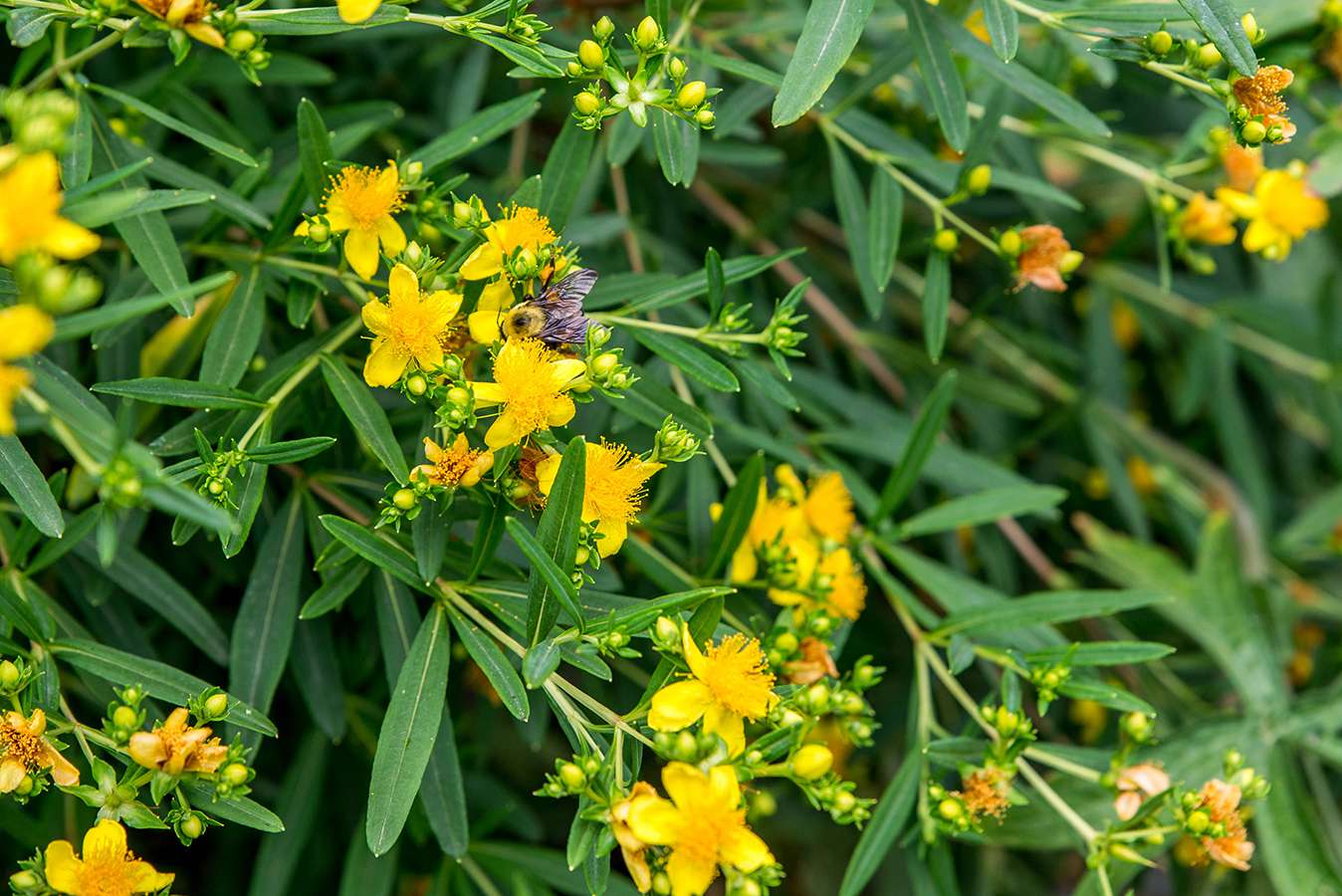

St. John’s wort is the plant equivalent of that cheerful neighbor who shows up in July wearing yellow and somehow makes the whole block look better. Known botanically as Hypericum, this hardy flowering plant is loved for its sunny yellow blooms, easygoing personality, pollinator appeal, and ability to handle conditions that make fussier garden plants clutch their pearls.
Depending on the species or cultivar, St. John’s wort may grow as a small shrub, a perennial herb, or a groundcover. Some types are prized ornamentals for borders, slopes, foundation plantings, and wildlife gardens. Others, especially common St. John’s wort (Hypericum perforatum), can spread aggressively and may be considered invasive or noxious in some regions. In other words, this plant is beautiful, useful, and just a little dramaticlike a garden guest who brings flowers and then tries to move in permanently.
This guide explains how to grow and care for St. John’s wort the smart way: where to plant it, how much sun and water it needs, how to prune it, how to avoid common problems, and how to enjoy its golden blooms without letting it take over your landscape.
What Is St. John’s Wort?
St. John’s wort refers to plants in the Hypericum genus, a large group that includes hundreds of species. Many have bright yellow, five-petaled flowers with prominent stamens that look like tiny fireworks. The blooms often appear in summer, around the time of St. John the Baptist’s feast day in late June, which helps explain the common name.
Gardeners usually grow ornamental St. John’s wort for its flowers, tidy habit, berries, erosion-control value, and wildlife benefits. Popular landscape types may include shrubby St. John’s wort, Kalm’s St. John’s wort, creeping varieties, and compact cultivars bred for colorful berries or neat growth.
Common Types of St. John’s Wort
Common St. John’s wort (Hypericum perforatum) is the species most associated with herbal supplements, but it is also the one most likely to raise red flags because it spreads by seed and rhizomes.
Shrubby St. John’s wort (Hypericum prolificum) is a North American native shrub with yellow summer flowers and good tolerance for dry or sandy soil once established.
Kalm’s St. John’s wort (Hypericum kalmianum) is a compact shrub with blue-green foliage and yellow flowers. It is often used in native-style gardens, borders, and tough sunny sites.
Groundcover hypericums can be useful on slopes, banks, and informal areas where soil coverage matters as much as flower power.
Where to Plant St. John’s Wort
St. John’s wort grows best in a location with full sun to part shade. For the most flowers, choose a spot that receives at least six hours of sunlight per day. The plant can tolerate some afternoon shade, especially in hot climates, but too much shade may reduce blooming and create a looser, leggier shape.
Use St. John’s wort in mixed borders, cottage gardens, pollinator gardens, foundation beds, low hedges, erosion-control areas, or naturalized spaces. Compact varieties work well near walkways, while larger shrubby forms can anchor sunny garden beds. Just make sure you give the plant enough breathing room. A crowded St. John’s wort may still survive, but it will not look as polished as one with proper spacing.
Check Local Rules Before Planting
Before planting, confirm whether St. John’s wort is considered invasive, restricted, or a noxious weed in your state or county. Common St. John’s wort has caused problems in parts of the western United States because it can spread into pastures, roadsides, and disturbed areas. When in doubt, contact your local cooperative extension office or choose a well-behaved ornamental cultivar recommended for your region.
Soil Needs
St. John’s wort is not a soil snob. It can grow in average garden soil and often tolerates poor, rocky, sandy, or dry soil once established. However, the one thing it strongly dislikes is sitting in wet, soggy ground. Think “well-drained,” not “tiny backyard swamp.”
For best results, plant it in soil that drains well but still holds moderate moisture. A sandy loam or average garden loam is ideal. If your soil is heavy clay, improve drainage by mixing in compost and planting slightly high so water does not collect around the crown. If your soil is extremely sandy, compost can help hold enough moisture for young plants to settle in.
How to Plant St. John’s Wort
The best time to plant St. John’s wort is spring or early fall, when temperatures are mild and rainfall is more reliable. Planting during extreme summer heat is possible, but it requires more careful watering.
Step-by-Step Planting Guide
1. Choose the right location. Pick a sunny or lightly shaded site with good drainage and enough space for the mature plant size.
2. Prepare the soil. Remove weeds, loosen the planting area, and mix in compost if the soil is compacted or low in organic matter.
3. Dig the hole. Make the hole about twice as wide as the root ball and just as deep. Avoid burying the crown too low.
4. Set the plant. Place the root ball in the hole so the top sits level with the surrounding soil.
5. Backfill and water. Fill the hole with soil, press gently to remove air pockets, and water thoroughly.
6. Mulch lightly. Add a thin layer of mulch around the plant, keeping it away from the stems. Mulch helps conserve moisture and reduce weeds, but piling it against the crown can invite rot.
Watering St. John’s Wort
Water new St. John’s wort plants regularly during the first growing season. The goal is to keep the soil evenly moist but not waterlogged while the roots become established. After that, many varieties become fairly drought tolerant and need less attention.
In typical garden conditions, established plants may only need supplemental water during long dry spells. Container-grown St. John’s wort dries out faster and should be checked more often, especially in summer. A quick finger test works well: if the top inch of soil feels dry, water deeply.
Signs of Watering Problems
If leaves wilt during hot afternoons but recover by evening, the plant may simply be reacting to heat. If leaves stay limp, yellow, or drop, check the soil. Dry, crumbly soil means it needs water. Wet, sour-smelling soil may signal poor drainage or root rot. St. John’s wort is tough, but even tough plants do not enjoy wearing wet socks forever.
Fertilizing St. John’s Wort
St. John’s wort usually does not need heavy fertilizing. In fact, too much fertilizer can encourage floppy growth and fewer flowers. If your soil is reasonably healthy, a spring layer of compost may be enough.
For poor soils, use a balanced, slow-release fertilizer in early spring according to the label directions. Avoid high-nitrogen feeding, which can push leafy growth at the expense of blooms. The plant’s natural style is low-maintenance, so do not overpamper it. St. John’s wort is not asking for a spa weekend; it just wants sun, drainage, and a little respect.
Pruning St. John’s Wort
Pruning keeps St. John’s wort tidy, encourages healthy new growth, and can improve flowering. Many types bloom on new growth, so early spring pruning is often helpful before the plant fully wakes up.
How to Prune
In early spring, remove dead, damaged, or weak stems. Lightly shape the plant to maintain a rounded form. Older shrubs that become woody or sparse can often be rejuvenated by cutting back some of the oldest stems near the base. Avoid severe pruning late in the season because it may encourage tender growth that is more vulnerable to winter damage.
For ornamental varieties grown for berries, avoid removing too many spent flowers too quickly, because berries develop after flowering. For varieties grown mainly for a neat hedge-like look, a light trim after bloom can help maintain shape.
Growing St. John’s Wort in Containers
Compact St. John’s wort varieties can grow well in containers, especially on sunny patios, decks, and balconies. Choose a pot with drainage holes and use a high-quality potting mix. Do not use dense garden soil in containers, because it can compact and hold too much water.
Container plants need more frequent watering than those in the ground. They may also benefit from light spring feeding. In cold climates, move pots to a protected location during winter or use a frost-resistant container large enough to insulate the roots.
Propagation: How to Make More Plants
St. John’s wort can be propagated by seeds, softwood cuttings, division, or rooted suckers, depending on the species. Cuttings are often the easiest way to reproduce ornamental varieties while keeping the same traits as the parent plant.
Growing from Cuttings
Take softwood cuttings in late spring or early summer from healthy, non-flowering stems. Remove the lower leaves, place the cuttings in moist potting mix, and keep them in bright, indirect light until roots form. A clear cover can help maintain humidity, but open it regularly for airflow.
Growing from Seed
Seeds may be started indoors or sown outdoors, but common St. John’s wort can self-seed heavily. If you are growing a species known for spreading, deadhead flowers before seed forms or choose a less aggressive cultivar.
Pests and Diseases
St. John’s wort is generally resistant to many pests, including deer and rabbits in some landscapes. Still, no plant is completely problem-free. Possible issues include aphids, scale insects, leaf spots, powdery mildew, and root rot.
Most problems can be prevented by planting in the right location. Good air circulation reduces fungal disease, while well-drained soil helps prevent root rot. If pests appear, start with the least dramatic solution: a strong spray of water, hand removal, or pruning out badly affected stems. Save the garden soap opera for actual soap operas.
How to Encourage More Flowers
If your St. John’s wort is not blooming well, the most common reasons are too much shade, overly rich fertilizer, poor pruning timing, or plant stress. Move potted plants to a brighter location, reduce nitrogen fertilizer, and prune in early spring rather than cutting off developing flower buds later.
Established plants often bloom best when they are not babied. Give them sun, decent drainage, and a little seasonal cleanup, and they usually reward you with cheerful yellow flowers that make the garden look instantly brighter.
Winter Care
Winter care depends on the species and your climate. Many shrubby types are hardy in cold regions, though stems may die back after harsh winters. In spring, prune out winter damage and allow new growth to fill in.
A light mulch layer can protect roots in colder zones, especially during the first winter after planting. Avoid heavy mulch directly over the crown. In containers, protect the pot from repeated freeze-thaw cycles by moving it near a wall, placing it in an unheated garage, or insulating the container.
Is St. John’s Wort Safe Around Pets and People?
St. John’s wort should be planted thoughtfully around children, pets, and livestock. Some species can cause health concerns if eaten, and common St. John’s wort is known for livestock toxicity in grazing areas. It is also famous as an herbal supplement, but using it medicinally is a very different topic from growing it ornamentally.
Important note: Do not use homegrown St. John’s wort as a supplement or tea without professional medical guidance. St. John’s wort can interact with many medications, including antidepressants, birth control pills, blood thinners, transplant medicines, heart medicines, and others. In the garden, admire the flowers; for health decisions, talk to a qualified healthcare professional.
Best Companion Plants for St. John’s Wort
St. John’s wort pairs beautifully with plants that enjoy similar sunny, well-drained conditions. Try it with black-eyed Susan, bee balm, coneflower, salvia, yarrow, ornamental grasses, catmint, or native asters. The bright yellow flowers look especially good with purple, blue, white, and deep red blooms.
For a pollinator-friendly bed, combine St. John’s wort with staggered bloomers so bees and butterflies have food from spring through fall. For a low-maintenance slope, mix groundcover hypericum with erosion-control plants suited to your region.
Common Mistakes to Avoid
Planting Without Checking Invasive Status
This is the big one. Before planting common St. John’s wort, check local rules. A plant that behaves politely in one region may act like it owns the county in another.
Overwatering
St. John’s wort prefers moisture during establishment, but soggy soil can cause root problems. Drainage matters more than constant watering.
Too Much Shade
Part shade is fine, but deep shade usually means fewer flowers and weaker growth.
Overfertilizing
Rich feeding can create leafy, floppy growth. Keep fertilizer light and practical.
Ignoring Mature Size
Some types spread wider than expected. Read the plant tag and space accordingly, unless your landscaping style is “botanical traffic jam.”
Experience-Based Growing Tips for St. John’s Wort
One of the most useful lessons about growing St. John’s wort is that it performs best when you treat it like a hardy landscape plant, not a delicate collectible. Many gardeners make the mistake of fussing over it with too much water, too much fertilizer, and too many nervous inspections. The plant usually prefers a simpler routine: plant it well, water it while it settles in, prune it at the right time, and then let it get on with the business of being sunny.
In a mixed border, St. John’s wort works especially well as a “bridge” plant. Its yellow flowers connect warm-colored blooms like black-eyed Susan and coreopsis with cooler companions like catmint, salvia, and lavender. If your garden bed looks like several unrelated plant groups attending the same awkward party, St. John’s wort can help introduce everyone.
For beginners, container growing is a smart way to learn the plant’s habits. A compact variety in a large pot lets you observe how quickly it dries out, how it responds to pruning, and how much sun produces the best bloom. Containers also provide more control if you are concerned about spreading. Just remember that potted plants depend on you for water. In the ground, St. John’s wort can be surprisingly independent. In a pot, it becomes a little more like a houseguest who knows where the snacks are but still needs directions to the kitchen.
Another practical experience tip is to watch the plant after heavy rain. If water pools around the base for hours, fix the drainage before the plant declines. Raised planting, compost, or relocating the plant can solve many problems early. Yellowing leaves are often blamed on pests or fertilizer deficiency, but wet roots are a common hidden cause.
Pruning is also easier than it looks. In early spring, step back and look at the whole shape before cutting. Remove dead stems first, then shorten awkward branches. If the shrub has become woody, take out a few older stems near the base rather than shearing everything into a stiff ball. A natural rounded shape usually looks better and supports more flowers.
If you want a tidy, low-maintenance garden, pair St. John’s wort with plants that can hold their own. Avoid placing it next to tiny, slow-growing perennials that may be overwhelmed. Instead, use it with sturdy companions such as coneflower, bee balm, ornamental grasses, or native shrubs. This creates a balanced planting where no single plant becomes the neighborhood bully.
Finally, do not skip the local research. Gardeners often fall in love with a plant photo first and ask questions later. With St. John’s wort, that order should be reversed. Check whether the species is appropriate for your region, choose ornamental or native options when possible, and avoid planting aggressive types near natural areas. Responsible gardening is not less fun; it simply means your beautiful yellow flowers stay a garden feature, not a future community meeting topic.
Conclusion
St. John’s wort is a bright, resilient, and rewarding plant for sunny gardens, slopes, borders, and pollinator-friendly landscapes. It thrives in full sun to part shade, prefers well-drained soil, needs regular water while young, and usually becomes drought tolerant once established. With light spring pruning, modest feeding, and smart placement, it can deliver cheerful yellow blooms with very little drama.
The key is choosing the right type for your area. Some ornamental and native species are excellent garden plants, while common St. John’s wort can be invasive or restricted in certain regions. Check local guidance before planting, avoid soggy soil, prune with purpose, and enjoy this golden garden workhorse responsibly.
Note: This article focuses on ornamental gardening. St. John’s wort should not be used medicinally without professional guidance because it can interact with many medications.