
Note: This article is for general educational purposes only and is not a substitute for professional medical advice. If your eye pain is severe, your vision changes, or swelling spreads, contact an eye doctor or healthcare professional.
Few things ruin a mirror check faster than waking up with a red, angry bump on your eyelid. One minute you are planning your day; the next, your eye looks like it joined a tiny boxing league overnight. If you are searching for how to get rid of a stye overnight, the honest answer is this: you usually cannot make a stye disappear completely in one night. But you can often reduce discomfort, calm swelling, and help it heal faster with safe at-home care.
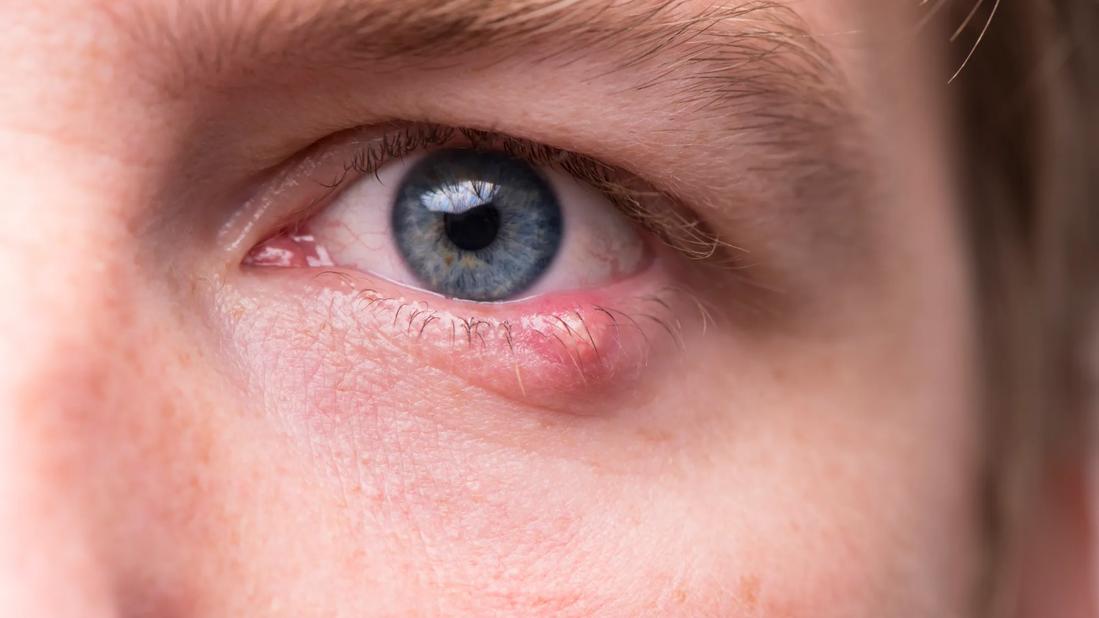
A stye, also called a sty or hordeolum, is a painful bump that forms near the edge of the eyelid. It often happens when an oil gland or eyelash follicle becomes clogged and infected. The bump may look like a pimple, but please resist the urge to treat it like one. Your eyelid is delicate real estate. Popping, squeezing, or poking a stye can make the infection worse and turn a small problem into a larger one.
The good news? Most styes improve with simple home care. The star of the show is a warm compress, supported by clean hands, gentle eyelid hygiene, and a temporary break from eye makeup and contact lenses. Below is a practical, eye-safe guide to help you handle a stye quickly, comfortably, and without turning your bathroom into an amateur surgery suite.
What Is a Stye?
A stye is a tender, swollen lump on the eyelid, commonly caused by bacteria and blocked oil glands. It can appear on the outside of the eyelid near the lash line or inside the eyelid. External styes are usually easier to see and may form a small white or yellow point. Internal styes can feel deeper, more swollen, and sometimes more uncomfortable.
Common symptoms include:
- A red bump on the upper or lower eyelid
- Tenderness, soreness, or a gritty feeling
- Swelling around the eyelid
- Watery eyes
- Light crusting near the lashes
- A feeling that something is in your eye
A stye is different from a chalazion, though the two are often confused. A stye is usually painful and caused by infection. A chalazion is often less painful and forms when an oil gland remains blocked. Both may respond to warm compresses, but a persistent bump should be checked by an eye care professional.
Can You Get Rid of a Stye Overnight?
Let’s be realistic: an overnight miracle cure is unlikely. Most styes need several days to improve and may take about a week or longer to fully clear. However, the right steps can make a noticeable difference by morning. You may wake up with less tenderness, less pressure, and a stye that looks calmer rather than ready to headline its own drama series.
The goal overnight is not to “destroy” the stye. The goal is to encourage natural drainage, reduce irritation, and prevent the infection from spreading. That means warmth, cleanliness, patience, and absolutely no squeezing.
The Fastest Safe Way to Treat a Stye at Home
1. Apply a Warm Compress
A warm compress is the most recommended home remedy for a stye. Heat helps soften clogged oil and may encourage the gland to drain naturally. Here is how to do it safely:
- Wash your hands with soap and water.
- Soak a clean washcloth in warm water.
- Wring it out so it is damp, not dripping.
- Place it over your closed eyelid for 10 to 15 minutes.
- Rewarm the cloth as it cools.
- Repeat 3 to 5 times daily.
The water should be warm, not hot. Your eyelids are sensitive, and burning your eyelid while trying to heal a stye would be a very unfair plot twist. Use a clean cloth every time, especially if the stye begins to drain.
2. Gently Clean the Eyelid
Keeping the eyelid clean helps remove crust, oil, and debris. Use a clean cotton pad or soft cloth with warm water. Some people use a doctor-recommended eyelid cleanser. If you use a mild cleanser, avoid getting it directly in your eye and do not scrub aggressively.
Think “gentle spa day,” not “pressure washing the driveway.” Rough scrubbing can irritate the eyelid and make swelling worse.
3. Avoid Eye Makeup
Skip mascara, eyeliner, eyeshadow, and lash products until the stye is gone. Eye makeup can irritate the area and may carry bacteria. If you used makeup while the stye was forming, consider replacing products that touched the infected area, especially mascara and liquid eyeliner.
Yes, throwing away mascara hurts emotionally. But using contaminated makeup can invite the stye back for a sequel nobody requested.
4. Take a Break From Contact Lenses
If you wear contact lenses, switch to glasses until the stye heals. Contacts can irritate the eye and may become contaminated. Wash your hands thoroughly before handling lenses, cases, or eye drops. If your lenses are disposable and were worn while the stye was active, ask your eye care provider whether you should replace them.
5. Use Over-the-Counter Pain Relief If Needed
If the stye is sore, an over-the-counter pain reliever such as acetaminophen or ibuprofen may help, as long as you can take those medicines safely. Follow the label instructions and avoid using medication if you have been told not to take it because of allergies, medical conditions, pregnancy, kidney disease, stomach ulcers, blood thinners, or other concerns.
What Not to Do When You Have a Stye
Some “quick fixes” can make a stye worse. Avoid these common mistakes:
- Do not pop or squeeze it. This can spread infection.
- Do not use sharp tools. Your eyelid is not a DIY project.
- Do not share towels or washcloths. Bacteria can spread through shared personal items.
- Do not wear eye makeup. Give your eyelid a clean healing environment.
- Do not sleep in contact lenses. This increases irritation and infection risk.
- Do not use steroid or antibiotic drops unless prescribed. The wrong product can delay proper care.
An Overnight Stye Care Routine
If you want the best chance of waking up with a calmer eyelid, follow this simple routine before bed:
Step 1: Wash Your Hands
Start with clean hands. This sounds obvious, but people touch their eyes more often than they realize. Clean hands reduce the chance of adding more bacteria to the area.
Step 2: Use a Warm Compress for 10 to 15 Minutes
Relax with a warm compress over your closed eyelid. Rewarm the cloth when it cools. Do not press hard. Let the warmth do the work.
Step 3: Clean the Lash Line Gently
After the compress, gently wipe away any crusting with a clean, damp cloth or cotton pad. Use a fresh section of cloth for each wipe.
Step 4: Skip Makeup and Contacts
Go to bed with a clean face and no eye makeup. If you wear contacts, store them properly and wear glasses until the stye is healed.
Step 5: Sleep on a Clean Pillowcase
A fresh pillowcase is a small detail that can help reduce irritation. Avoid sleeping face-down on the affected eye if possible.
How Long Does a Stye Usually Last?
Many styes improve within a few days and clear within one to two weeks. Some drain naturally and shrink quickly afterward. Others take longer, especially if the gland remains blocked or if you are prone to blepharitis, oily eyelids, rosacea, or recurring eyelid inflammation.
If your stye is not improving, keeps returning, or becomes more painful, it is time to get professional advice. An eye doctor may prescribe antibiotic ointment, recommend a specific eyelid hygiene routine, or, in some cases, drain the stye safely in a clinical setting. That is very different from trying to drain it yourself at home, which is a hard no.
When to See a Doctor
Most styes are not emergencies, but some symptoms deserve medical attention. Contact a healthcare professional or eye doctor if:
- The stye does not improve after several days of home care
- It lasts longer than one to two weeks
- Swelling spreads beyond the eyelid
- Your eyelid becomes very red, hot, or painful
- You have vision changes
- Your eye itself becomes red or painful
- You have fever or feel unwell
- Styes keep coming back
- You have diabetes, immune system concerns, or another condition that raises infection risk
Also, if the bump is painless, firm, growing, bleeding, or not behaving like a typical stye, have it evaluated. Not every eyelid bump is a stye.
How to Prevent Future Styes
Once a stye finally leaves your eyelid alone, prevention becomes the next mission. You cannot prevent every stye, but you can lower the odds.
Practice Good Hand Hygiene
Wash your hands before touching your eyes, applying makeup, or handling contact lenses. This is basic, but it works.
Remove Makeup Before Bed
Sleeping in mascara and eyeliner can clog glands and irritate eyelids. Your lashes deserve better, and so does your pillowcase.
Replace Old Eye Makeup
Old mascara and liquid eyeliner can collect bacteria over time. Replace them regularly and do not share eye makeup with anyone.
Care for Contact Lenses Properly
Use clean hands, fresh solution, and proper storage. Do not rinse lenses with tap water, and follow your eye care provider’s instructions.
Manage Blepharitis or Oily Eyelids
If you often get crusty, irritated eyelids, you may have blepharitis or another eyelid condition. A consistent lid hygiene routine can help, but recurring symptoms should be discussed with an eye doctor.
Frequently Asked Questions
Can a stye go away on its own?
Yes. Many styes go away without medical treatment. Warm compresses and clean eyelids can help the process move along more comfortably.
Can I pop a stye if it has a white head?
No. Even if it looks like a pimple, do not pop it. Squeezing can push bacteria deeper into the tissue and spread infection.
Is a stye contagious?
The stye itself is not usually spread like a cold, but the bacteria involved can transfer through hands, towels, makeup, or contact lenses. Wash your hands and avoid sharing personal items.
Can stress cause a stye?
Stress does not directly create a stye, but it can affect habits such as sleep, hygiene, and eye rubbing. Those habits may increase irritation or infection risk.
Should I use antibiotic eye drops?
Only use antibiotic drops or ointments if prescribed or recommended by a healthcare professional. Many styes improve without antibiotics, and the wrong treatment may not help.
Real-Life Experience: What It Feels Like to Deal With a Stye
Anyone who has had a stye knows it feels wildly unfair. It is small, yet somehow it takes over your whole face. You blink and notice it. You wash your face and notice it. You look in the mirror and suddenly your eyelid is the main character. The first instinct is usually panic mixed with detective work: “Is this a pimple? Is this an allergy? Did my mascara betray me?”
The most common experience is waking up with tenderness along the eyelid. At first, it may feel like an eyelash is stuck in your eye. Then you look closer and see a red bump. The area may feel warm, sore, or swollen. Some people feel embarrassed because the stye is visible, especially if they have work, school, a date, or a video call where the camera seems determined to highlight every facial detail in high definition.
The best practical experience-based advice is to act early but calmly. The first warm compress often brings relief, even if the bump does not disappear right away. The warmth can reduce that tight, irritated feeling. Doing it once is helpful; doing it consistently is better. Many people make the mistake of trying a compress for two minutes, getting bored, and declaring it useless. A stye prefers commitment. Ten to fifteen minutes, several times a day, is the routine that gives your eyelid a real chance.
Another lesson people learn quickly: do not keep checking it every five minutes. Staring at your eyelid in the mirror will not speed up healing. In fact, it often leads to touching, poking, and “just seeing if it will drain,” which is exactly the behavior to avoid. A stye needs warmth and cleanliness, not a full-time audience.
Makeup is another emotional battlefield. If you normally wear mascara or eyeliner, skipping it can feel annoying. But putting makeup over a stye often makes the area feel worse. It can also contaminate your products, setting you up for another stye later. The same goes for contacts. Glasses may not be your favorite look, but they give the eye a break and reduce irritation while healing.
At night, the simplest routine is usually the most effective: wash hands, warm compress, gentle lid cleaning, clean pillowcase, and sleep. By morning, the stye may still be there, but the pain and swelling may be less intense. That is progress. Healing is not always dramatic; sometimes it is just waking up and realizing your eyelid is no longer shouting at you.
The biggest takeaway from real-life stye experience is patience. A stye is frustrating because it is visible and uncomfortable, but most are manageable. Treat it gently, keep things clean, avoid risky shortcuts, and know when to call a doctor. Your eyelid is not being dramatic forever. It is just asking for a little warm-compress diplomacy.
Conclusion
So, can you get rid of a stye overnight? Usually, no. But you can help it feel better overnight and support faster healing with a warm compress, gentle eyelid cleaning, clean hands, and a break from makeup and contact lenses. The safest stye treatment is simple: encourage natural drainage, reduce irritation, and avoid squeezing. If symptoms worsen, affect your vision, or do not improve, get medical care. Your eyes are too important for guesswork.