
Every generation of Saturday Night Live needs a cast member who makes viewers ask, “Wait, did the TV just sneeze confetti into my brain?” For the current era of SNL, that glorious troublemaker is Sarah Sherman, also known by her stand-up alter ego, Sarah Squirm. She is not simply “the quirky one.” She is a walking reminder that sketch comedy does not have to be polite, symmetrical, or dressed in a tasteful blazer. Sometimes it can show up in neon, stare directly into the camera, and make Colin Jost look like he has accidentally opened a haunted lunchbox.
The phrase “‘SNL’ lets Sarah Sherman get weird again” has become more than a catchy headline. It captures a real tension in Sherman’s Saturday Night Live run: the push and pull between mainstream sketch utility and full-throttle oddball invention. On one hand, Sherman has proved she can play the girlfriend, the coworker, the mom, the polished party guest, and the woman in a wig who says, “Stop, you’re being crazy!” On the other hand, her comedy is most electric when it feels like the building’s wiring has begun telling jokes.
That is why fans perk up whenever Sherman gets to bring her stranger instincts back to Studio 8H. It is not just about being random. The best Sarah Sherman SNL sketches work because they combine old-school vaudeville commitment, underground comedy messiness, and a surprisingly sharp sense of structure. The weirdness is the wrapping paper; the joke machine is inside, wearing goggles.
Who Is Sarah Sherman, and Why Does Her Weirdness Matter?
Sarah Sherman joined Saturday Night Live in Season 47 and later became a repertory player. Before SNL, she was already known in alternative comedy circles as Sarah Squirm, a performer whose live shows leaned into surreal visuals, exaggerated costumes, and gross-out theatricality. Her comedy background is important because she did not arrive at SNL as a blank sketch-comedy template. She arrived with a fully formed comic ecosystem: part cartoon, part punk show, part sleepover dare, part “please do not explain this to my parents.”
That kind of performer is both a gift and a challenge for SNL. The show is a weekly pressure cooker built around topical jokes, celebrity hosts, quick costume changes, live timing, and sketches that may be cut at any stage. Sherman’s style is more specialized than a simple impression or recurring catchphrase. It needs room to breathe, lurch, and maybe drip something suspicious but harmless onto the floor. When SNL gives her that room, the result often feels like a jolt of caffeine in a show that can sometimes lean on familiar formats.
From “Sarah Squirm” to Studio 8H
The move from underground comedy to Saturday Night Live is not always smooth. Alternative comics often thrive in small rooms where audiences arrive ready to be challenged. SNL, by contrast, reaches a broad audience that includes comedy obsessives, casual viewers, parents folding laundry, and someone half-awake who only stayed up to see the musical guest. Sherman had to translate Sarah Squirm’s live-wire chaos into a network sketch format without sanding away everything that made it special.
That translation has produced two versions of Sherman on the show. There is “Sarah the utility player,” who can slot neatly into ensemble scenes, and there is “Sarah the human emergency broadcast,” who turns a Weekend Update appearance into a tiny circus of panic. Both are useful. But only one makes fans say, “Yes, this is the reason she belongs here.”
The Mainstream Version: Sarah Sherman as Sketch Glue
In recent seasons, Sherman has often been used as what fans jokingly call “Sarah Normal”: a character who plays the straight woman while someone else explodes. This is not a failure. In fact, it proves her range. A cast member who can only do one flavor of funny is like a restaurant that only serves mustard. Bold? Sure. Sustainable? Questionable.
Still, there is a difference between range and flattening. When Sherman appears too often as a generic girlfriend, coworker, or polished side character, SNL risks underusing the very thing that made her casting exciting. Her normal roles work best as contrast. The audience knows that beneath the wig and blouse is a performer who might suddenly turn a line reading into a cartoon thunderclap. That tension is part of the fun.
The Weird Version: Sarah Sherman as Comic Detonator
When SNL lets Sherman get weird, the show gains texture. Her body-horror-inspired comedy is not about shock for shock’s sake. It is about taking ordinary social discomfort and making it visible. Embarrassment becomes a costume. Anxiety becomes a prop. A polite conversation becomes an increasingly ridiculous nightmare. In Sherman’s world, the awkward feeling you get during a bad dinner party does not stay hidden; it puts on eyelashes and walks into frame.
That is why sketches involving odd prosthetics, strange transformations, and exaggerated physical bits feel so natural for her. They turn internal chaos into external comedy. Instead of saying, “I feel uncomfortable,” the sketch shows discomfort as a visual monster with excellent timing. It is silly, memorable, and strangely honest.
Why Her Weekend Update Bits With Colin Jost Work So Well
One of Sherman’s strongest homes on SNL has been Weekend Update, especially when she is paired with Colin Jost. Their dynamic is beautifully simple: Jost represents polished, handsome, anchor-desk order; Sherman represents the thing that crawled out of the comedy basement and somehow got a microphone. The contrast does half the work before the first joke even lands.
Jost is an ideal straight man for Sherman because he can look mildly wounded while still clearly being in on the joke. Sherman’s Update appearances often make him the target, the obstacle, or the confused adult in the room. She roasts him, corners him, misreads him, or forces him to participate in a bit that feels like it was delivered by a mischievous goblin with a union card. The result is a recurring comic relationship that fans recognize instantly.
These segments also let Sherman operate with a looser rhythm than a full live sketch. She can come in as a bizarre character, build one strong premise, escalate it quickly, and exit before the bit needs a second location or a logical ending. Weekend Update is basically a comedy launchpad, and Sherman uses it like a shopping cart on a hill.
The “Drunk Raccoon” Energy: Why Fans Wanted This Back
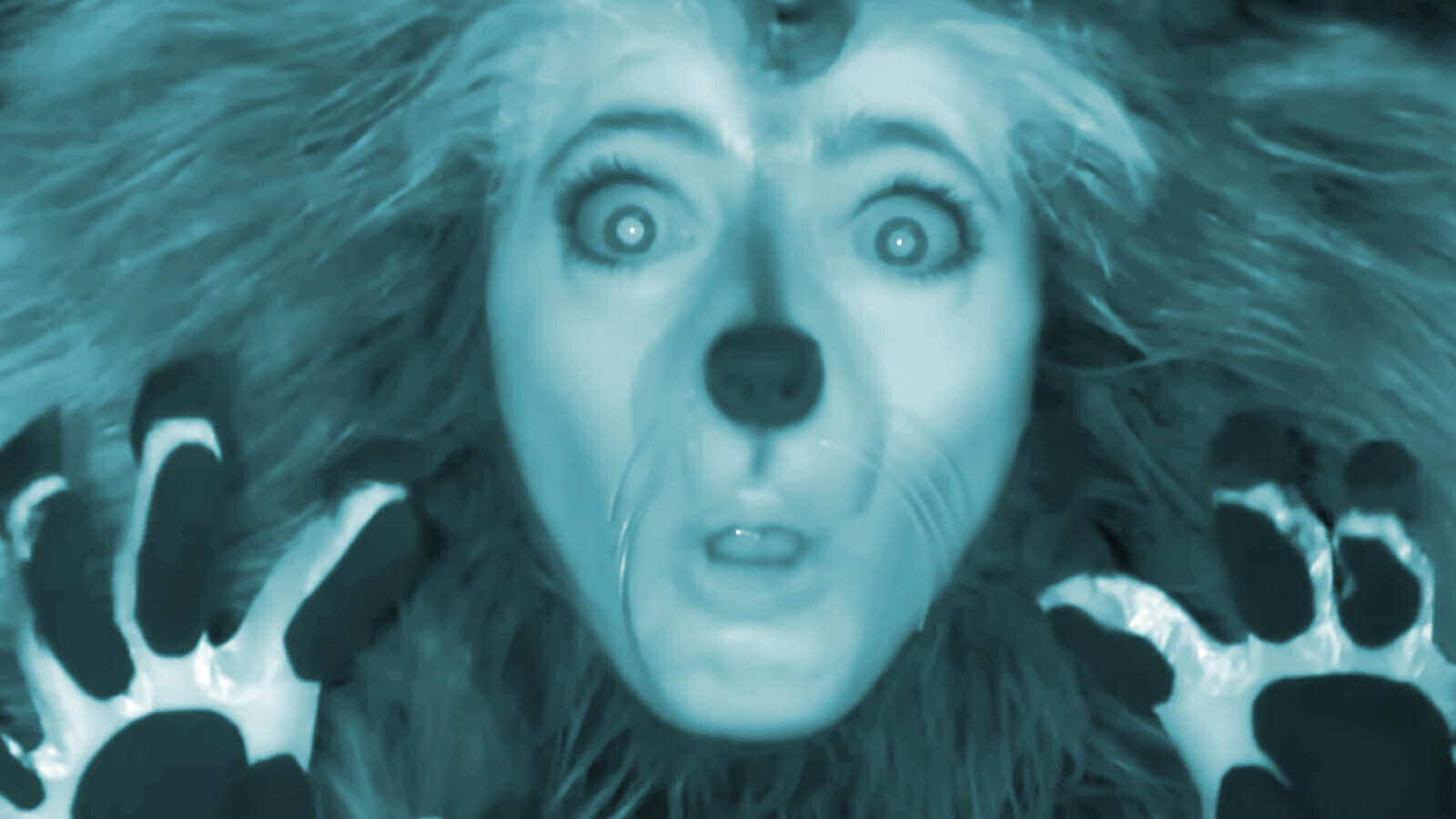
Recent fan excitement around Sherman’s stranger SNL material makes sense because it feels like a return to her original comic voltage. A character like a chaotic raccoon on Weekend Update is funny before it explains itself. Sherman can enter with a physical attitude, a strange voice, and a completely unreasonable confidence, and the audience understands the premise instantly: this creature is here, this creature has opinions, and Colin Jost is spiritually trapped.
What makes the bit work is commitment. Sherman does not wink at the audience as if to say, “Isn’t this random?” She plays the reality of the character. That matters. Great absurd comedy is not loose because the performer is careless. It is loose because the performer has built a strong enough frame to make nonsense feel inevitable.
That is where Sherman differs from weaker “weird for weird’s sake” comedy. Her best work has rules. They may be ridiculous rules, sure, but they are rules. A strange character enters. Jost reacts. Sherman escalates. The bit finds a new angle. The audience laughs partly because the structure is familiar and partly because the filling is bright green.
Sarah Sherman’s Gross-Out Comedy Has a Brain
It is easy to describe Sherman’s comedy as gross-out humor and stop there, but that misses the point. The grossness is a tool, not the whole toolbox. Her work often pokes at beauty standards, body anxiety, performance pressure, social awkwardness, and the absurdity of trying to look normal in a culture that keeps inventing new ways to make everyone feel defective.
That is why her HBO special, Sarah Squirm: Live + In the Flesh, matters to the SNL conversation. Away from network sketch rules, Sherman can stretch further into the Sarah Squirm persona. The special shows how much of her comedy depends on stagecraft, physicality, and carefully designed discomfort. It also proves that her SNL weirdness is not a gimmick invented by writers in a conference room. It is part of a larger artistic identity.
But SNL has changed that identity, too. Sherman has said in interviews that the show taught her to be less precious with jokes and more collaborative. That is a valuable evolution. Pure chaos can be thrilling, but television comedy needs editing, timing, and ruthless cutting. The best version of Sherman on SNL is not Sarah Squirm diluted. It is Sarah Squirm sharpened.
Why SNL Needs Performers Like Sarah Sherman
Saturday Night Live has always depended on cast members who bend the show’s shape. Gilda Radner brought elastic character work. John Belushi brought dangerous physical force. Will Ferrell made absurd confidence feel presidential, even when he was yelling about a cowbell. Kristen Wiig could turn a tiny behavioral tic into a national event. Kate McKinnon made impressions feel like haunted puppetry with a soul. Sherman belongs to this tradition not because she copies those performers, but because she has a distinct comic temperature.
That distinctiveness is especially useful in the streaming era. Viewers do not only watch SNL live on Saturday night anymore. They encounter sketches as clips, reactions, reposts, and “you have to see this” messages from friends. A sketch has to be clear enough to understand quickly and memorable enough to survive the scroll. Sherman’s weirdest material often passes that test because it has instant visual identity. You may forget the setup, but you remember the eyes, the costume, the voice, the way Jost looked like he wanted to file a polite complaint with the universe.
Specific Examples of Sherman’s SNL Strengths
1. Physical Comedy That Reads Instantly
Sherman understands that television comedy is visual. A strange posture, a frozen grin, or a sudden shift in energy can land before the punchline. This is especially valuable on SNL, where sketches must grab attention fast. She knows how to make the first image count.
2. A Strong Sense of Escalation
Her best bits rarely stay in one place. A small weird idea becomes a bigger weird idea, then becomes an even bigger problem for everyone nearby. That escalation is why her Weekend Update appearances feel alive. She enters with a premise, but she does not simply repeat it. She tightens the screw.
3. Fearless Character Commitment
Some performers act weird while still protecting their coolness. Sherman throws coolness into a cartoon furnace. Whether she is playing a bizarre creature, a distressed childlike character, or a wildly overconfident oddball, she commits fully. That commitment gives the audience permission to follow her into sillier territory.
4. A Useful Contrast With the Rest of the Cast
Comedy ensembles need contrast. Sherman’s style bounces well off more deadpan performers, polished anchors, and traditional sketch setups. She can disrupt a scene without destroying it. That is harder than it looks. Too much disruption and the sketch collapses; too little and the weirdness becomes decoration. Sherman often finds the sweet spot.
The Risk of Making Sarah Sherman Too Normal
The concern among fans is not that Sherman should never play normal characters. She absolutely should. A performer grows by doing more than one trick, even if the trick is very funny and possibly wearing googly eyes. The risk is that SNL may sometimes rely on her flexibility while forgetting her specificity.
Every cast member needs utility roles. The show cannot be all breakout characters, all the time. But when a comic with Sherman’s signature style spends too long in generic parts, the audience notices. It is like hiring a fireworks expert and asking her to hold a flashlight. Useful? Yes. The best use of her talents? Not quite.
Letting Sarah Sherman get weird again is not fan service. It is good programming. Her oddball sketches add tonal variety to the episode. They remind viewers that SNL can still surprise them. They also create the kind of clips people share because they do not feel like every other late-night bit. In an entertainment world full of safe, smooth, algorithm-friendly comedy, Sherman’s jagged edges are an asset.
How Sarah Sherman Balances Chaos and Craft
The funniest thing about Sherman’s chaos is how much craft it requires. The costumes, props, camera angles, timing, and live reactions all have to line up. Even a messy-looking bit is often the result of careful planning. That is one reason SNL is such a fascinating place for her. The show can provide resources that underground comedy rarely has: prosthetics, sets, camera direction, a national platform, and a house band ready to make anything feel ten percent more dramatic.
At the same time, the show imposes limits. Material can be cut for time. A joke that kills in rehearsal may disappear before air. A visual gag may be too complicated. A premise may be too strange for the host or the week’s episode. Sherman’s SNL career is partly the story of learning how to smuggle weirdness through a very fast machine.
When that smuggling succeeds, it feels like a win for everyone: Sherman, the writers, the cast, and viewers who want SNL to be more than celebrity cameos and political impressions. Her best sketches remind us that live comedy can still have teeth, glitter, and a suspicious smell from the prop table.
What “Getting Weird Again” Really Means
To say SNL lets Sarah Sherman get weird again does not mean every Sherman appearance should become a neon fever dream. Too much weirdness can become predictable, and predictability is the enemy of weirdness. Instead, it means the show should keep making room for her most original instincts.
That might mean more Weekend Update desk pieces where she torments Colin Jost. It might mean more pretaped sketches that use visual effects and prosthetic comedy. It might mean giving her late-in-the-show slots where riskier ideas can breathe. It might even mean pairing her with hosts who are game for absurdity rather than trying to fit her into standard relationship sketches.
The key is balance. Sherman is valuable because she can be both a team player and a chaos engine. SNL should use both modes. Let her play the normal coworker when the sketch needs it. Then, every so often, let the coworker reveal that she has been emotionally replaced by a haunted carnival prize. That is television.
Experiences Related to Watching ‘SNL’ Let Sarah Sherman Get Weird Again
Watching Sarah Sherman’s weirdest SNL work feels different from watching a standard sketch. A standard sketch often asks, “Do you recognize this situation?” Sherman’s best work asks, “Do you recognize this feeling, even though it is now wearing a tiny hat and yelling at Colin Jost?” That is why her comedy sticks. It takes emotions that people knowembarrassment, insecurity, panic, social confusionand turns them into something bright, strange, and impossible to ignore.
For viewers, there is a particular thrill in seeing a mainstream institution like Saturday Night Live make space for a performer who does not feel factory-made. Many comedy fans have had the experience of discovering someone in a smaller, stranger setting and then worrying that television will polish away the exact qualities that made that performer exciting. With Sherman, that tension is part of the viewing experience. When she appears in a normal role, fans may think, “Good for her range.” When she appears in full Squirm mode, they think, “There she is.”
That reaction is not just nostalgia for her pre-SNL persona. It is about the pleasure of surprise. Modern entertainment can feel heavily sanded: clean visuals, predictable pacing, and jokes designed to be clipped into bite-size social posts. Sherman’s weirder work feels handmade. Even when it uses professional TV production, it carries the spirit of a comedian who might have built the prop herself at 2 a.m. with craft foam, panic, and the confidence of a raccoon near an open trash can.
There is also an emotional release in her comedy. Weirdness can be freeing. Many viewers spend their day acting normal at school, work, family dinners, group chats, and public places where screaming into a novelty cup would be considered “a concern.” Sherman’s comedy gives people a safe, silly outlet for that bottled-up strangeness. It says: yes, the world is awkward; yes, bodies are weird; yes, social rules are ridiculous; and yes, we can laugh about it without pretending to be elegant swans all the time.
Another relatable experience is watching Colin Jost become the perfect audience surrogate. His reactions often mirror the viewer’s own: amused, confused, slightly alarmed, and unable to look away. That is the magic of a good straight man. He gives the chaos a wall to bounce against. Without Jost’s polished news-desk calm, Sherman’s eruptions might feel less sharp. With him, every strange choice becomes funnier because it is invading such an orderly space.
For writers and comedy fans, Sherman’s SNL journey is also a useful lesson in creative identity. Being original is not always the same as being loud. It means having a point of view strong enough to survive different formats. Sherman can be toned down, edited, costumed differently, or placed in a conventional sketch, and still her comic DNA comes through. But when she is allowed to push further, the full picture emerges. That is why “letting Sarah Sherman get weird again” feels like more than one performer getting a good bit. It feels like a reminder that comedy should occasionally arrive with muddy shoes, strange eyes, and absolutely no interest in behaving.
Conclusion: Long Live the Squirm
Saturday Night Live has lasted for decades because it keeps absorbing new comic energies. Sarah Sherman brings one of the most distinctive energies in the current cast: surreal, physical, fearless, and proudly unpolished in a way that is actually very carefully built. When SNL lets her get weird, the show feels less predictable and more alive.
The best path forward is not to trap Sherman in one box. Let her be normal when the sketch calls for it. Let her be a utility player. Let her prove she can handle the clean setup and the straight line. But please, for the health of American sketch comedy and for the emotional well-being of everyone who enjoys a joke that arrives wearing safety goggles, keep letting Sarah Sherman get weird again.
Because when Sherman is at her strangest, SNL does not just look funny. It looks awake.