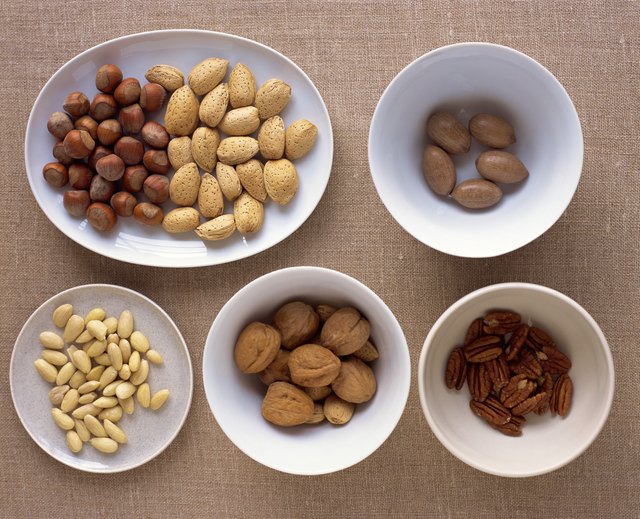

Nuts and seeds are the overachievers of the pantry. They are tiny, portable and packed with fiber, protein, minerals and unsaturated fats. They also make oatmeal less boring, salads more substantial and afternoon hunger considerably less dramatic.
But should you buy every almond, chia seed and peanut with a USDA Organic seal? Not necessarily. There is no official federal list declaring that certain nuts and seeds must always be purchased organically. Conventional foods sold in the United States are subject to pesticide-residue limits, and USDA’s 2024 monitoring found that more than 99% of tested food samples had residues below benchmarks established by the Environmental Protection Agency. Organic certification is therefore a production choice and a useful shopping preference, not proof that conventional nuts are dangerous.
That said, organic options can be worthwhile when you eat a product frequently, consume its outer skin, buy it ground or concentrated, or want to support farming practices that restrict most synthetic pesticides and prohibit genetic engineering. This practical list explains where your organic-food budget may have the greatest valueand where conventional choices are perfectly reasonable.
What “Organic” Actually Means for Nuts and Seeds
Under USDA rules, “organic” describes how an agricultural product is grown, handled and processed. Certified farms must follow standards intended to support soil health, conserve biodiversity and limit the use of prohibited substances. A packaged product labeled “organic” must contain at least 95% certified organic ingredients, while one labeled “made with organic ingredients” must contain at least 70%.
Organic does not mean “grown without pesticides.” Most synthetic substances are prohibited unless specifically permitted, while many nonsynthetic substances may be used unless they are specifically prohibited. Organic farmers still manage insects, weeds and plant diseases; they simply work within a different set of rules.
It is also important to separate pesticide concerns from mold contamination. Peanuts, pistachios, Brazil nuts and other tree nuts can be vulnerable to aflatoxins produced by certain molds. Organic certification does not eliminate this risk. Good harvesting, drying, testing, packaging and storage are more relevant when it comes to preventing mold-related problems.
Organic Nuts Worth Prioritizing
1. Peanuts
Peanuts are technically legumes, but they have earned honorary nut status through decades of loyal service in sandwiches and candy bars. They develop underground and are frequently eaten in concentrated forms such as peanut butter, peanut flour and peanut-based protein snacks.
Organic peanuts are a sensible priority for households that eat peanut products every day. Choosing a certified product gives you clearer information about the agricultural standards used during production. Look for peanut butter made with peanuts and perhaps a little salt rather than versions containing added sugar, hydrogenated oils and enough ingredients to qualify as a chemistry assignment.
Remember that organic peanuts are not automatically protected from aflatoxins. Buy sealed products from established manufacturers, avoid damaged packaging and discard peanuts or peanut butter with an unusually bitter, stale or musty odor.
2. Almonds
Almonds are eaten with their skins, blended into nut butter, ground into flour and transformed into milk. Someone who uses almond flour for baking and snacks on almonds every afternoon may consume a substantial amount over time. That makes organic almonds a reasonable upgrade for frequent users.
Nutritionally, almonds provide plant protein, fiber, vitamin E and unsaturated fats. Research on nuts as a group has associated regular consumption with cardiovascular benefits, although organic almonds should not be marketed as nutritionally magical compared with conventional almonds. The major benefit comes from eating an appropriate portion of minimally processed nuts instead of less nutritious snacks.
Choose raw or dry-roasted almonds without heavy coatings. Organic chocolate-covered almonds remain chocolate-covered almonds; the seal does not turn dessert into a multivitamin.
3. Walnuts
Walnuts are among the best plant sources of alpha-linolenic acid, or ALA, an omega-3 fatty acid. One ounce of English walnuts contains roughly 2.5 grams of ALA, according to the National Institutes of Health.
Because walnuts are commonly eaten raw, chopped into oatmeal or used in homemade nut butter, organic versions may be worth buying when they are a weekly staple. However, freshness is just as important as certification. Walnuts contain delicate oils that can oxidize, producing the distinctive flavor known scientifically as “why does this taste like old furniture?”
Buy smaller quantities, check the package date and refrigerate or freeze extras. An affordable conventional walnut that is fresh and properly stored is a better purchase than an expensive organic bag that has spent a year warming itself under supermarket lights.
4. Pistachios
Pistachios are rich in unsaturated fats, protein and fiber, and their shells naturally slow down snackingunless you possess the determination of a competitive pistachio opener.
Organic pistachios can be prioritized by people who eat them often or prefer products made under certified organic standards. Yet the most important quality signals are intact packaging, a reputable processor and a fresh smell. Pistachios are among the tree nuts the FDA identifies as susceptible to aflatoxin contamination, a problem that may occur in either organic or conventional crops.
Avoid nuts with visible mold, insect damage or a distinctly musty flavor. Choose unsalted or lightly salted varieties if sodium intake is a concern.
5. Pecans
Pecans contain mostly unsaturated fats and work in both savory dishes and desserts. Unfortunately, pecan pie tends to invite enough butter and sugar to distract everyone from the nut’s nutritional résumé.
Organic pecans are a good choice for frequent bakers, granola makers and people who eat raw pecans regularly. Because shelled pecans expose more surface area to oxygen, freshness and cold storage should influence your decision as much as the farming label.
When the organic price is dramatically higher, conventional pecans remain a reasonable option. Buy whole pieces when possible, since intact kernels generally maintain quality longer than finely chopped nuts.
6. Hazelnuts
Hazelnuts are eaten with or without their papery skins and are frequently ground into spreads. Organic hazelnuts may be worthwhile when you use hazelnut meal or homemade nut butter often.
Read spread labels carefully. A jar may feature hazelnuts in a pastoral illustration while containing more sugar and oil than actual nuts. Look for hazelnuts near the beginning of the ingredient list, preferably accompanied by little more than cocoa and salt.
Organic Seeds Worth Prioritizing
7. Sunflower Seeds
Sunflower seeds are affordable sources of vitamin E, healthy fats, protein and minerals. They are also easy to eat by the handful, bake into bread or grind into a nut-free spread. Seeds provide plant-based fats, fiber and micronutrients in a remarkably small package.
Organic sunflower seeds are a useful priority for families that use sunflower butter frequently, particularly when it replaces peanut butter in school lunches. Select plain kernels or lightly salted seeds rather than varieties coated with artificial flavors and excessive sodium.
Sunflower seeds are among the edible seeds that food-safety guidance recognizes as potentially susceptible to aflatoxin under unfavorable growing or storage conditions. Certification alone is not a shield, so purchase fresh, dry products from reliable suppliers.
8. Pumpkin Seeds
Pumpkin seeds, often sold without their hulls as pepitas, add crunch to soups, salads and oatmeal. They provide protein, unsaturated fat, fiber and minerals such as magnesium.
Organic pumpkin seeds make sense for frequent snackers and anyone who uses pumpkin-seed protein powder or butter. Ground and concentrated foods can represent a larger serving of the original crop, so choosing organic may better match the preferences of shoppers trying to reduce their use of conventionally produced ingredients.
Flavor matters. Fresh pumpkin seeds taste mildly nutty, not bitter, paint-like or strangely fishy. Those unpleasant notes can indicate oxidized oils rather than an adventurous new seasoning.
9. Flaxseeds
Flaxseeds are notable for fiber and ALA omega-3 fat. Whole flaxseeds may pass through the digestive system largely intact, so ground flax is generally more practical when the goal is to access its nutrients.
Organic flaxseed is one of the better upgrades for regular users because it is often consumed ground, added daily to smoothies or used in baking. Purchase whole seeds and grind small amounts at home when practical. Whole seeds usually remain fresh longer than preground flax meal.
Once ground, store flaxseed in an airtight container in the refrigerator or freezer. Its healthy oils do not appreciate heat, light or a six-month vacation beside the stove.
10. Chia Seeds
Chia seeds absorb liquid and create a gel, making them useful in pudding, overnight oats and egg-free baking. Two tablespoons provide approximately 11 grams of fiber along with protein and unsaturated fat. Chia is also a concentrated plant source of ALA.
Organic chia seeds are worth considering if you consume them every day. The price difference is often smaller than it is for premium tree nuts, particularly when purchased in larger packages.
Inspect chia seeds before use. They should be dry and free-flowing. Moisture inside the package, unusual clumping or a stale odor suggests poor storage. Introduce chia gradually and drink adequate fluids, since abruptly adding a major fiber load can cause your digestive system to file a formal complaint.
11. Sesame Seeds
Sesame seeds appear in breads, seasoning blends, tahini, sauces and snack bars. Since tahini concentrates a large number of ground seeds into a small serving, organic tahini is a practical choice for people who use it regularly.
Choose tahini made only from sesame seeds, with salt optional. Natural oil separation is normal; stir it rather than interpreting the oil layer as a personal betrayal.
Sesame is also a major food allergen in the United States. Anyone with a diagnosed sesame allergy must avoid it regardless of whether the product is organic.
12. Hemp Seeds
Hemp hearts are soft, mild seeds that blend easily into yogurt, oatmeal and smoothies. They contribute protein, unsaturated fats and minerals without requiring grinding or soaking.
Organic hemp seeds may be worthwhile for daily users, particularly because they are eaten directly without peeling. Look for food-grade products from established companies rather than mysterious bulk bags with labels that appear to have been printed during a power outage.
Refrigerate hemp hearts after opening. Their high oil content makes them convenient nutrition but also leaves them vulnerable to rancidity.
Nuts That Can Be a Lower Organic Priority
Cashews
Cashews undergo extensive shell removal and processing before reaching consumers because their natural shells contain irritating compounds. The edible kernel therefore does not arrive with the original outer shell attached. Organic cashews remain a valid preference, but they may be a lower priority for budget-conscious shoppers than frequently eaten ground seeds or skin-on nuts.
Macadamia Nuts
Macadamias are usually shelled and sold roasted or raw. They are expensive even before the word “organic” joins the conversation. Conventional macadamias from a reputable producer can be a sensible purchase, especially when eaten occasionally.
Brazil Nuts
Brazil nuts are usually shelled before sale. Organic production may matter to shoppers concerned about farming and sourcing practices, but mold control, traceability and freshness deserve equal attention. Brazil nuts are among the foods the FDA identifies as susceptible to aflatoxins. Buy them from a supplier with strong quality controls and avoid visibly damaged kernels.
How to Spend Your Organic Budget Wisely
You do not need to convert your pantry into an organic boutique overnight. Use frequency as your first guide. A seed you eat seven days a week deserves more consideration than a nut you sprinkle on holiday cookies twice a year.
- Prioritize daily foods: Consider organic versions of peanut butter, ground flaxseed, chia, sunflower butter or almond flour when they are routine ingredients.
- Compare unit prices: A larger package may reduce the organic premium, but only buy what you can keep fresh.
- Choose simple products: Raw, dry-roasted and unsalted nuts generally offer more flexibility than heavily seasoned snack mixes.
- Look for the USDA seal: Words such as “natural,” “clean” and “farm grown” are not substitutes for certified organic labeling.
- Do not fear conventional food: Eating conventional nuts and seeds is usually more beneficial than avoiding these foods because organic versions are unaffordable.
How to Store Organic Nuts and Seeds
Organic nuts are not automatically more perishable, but all nuts and seeds contain oils that deteriorate with heat, oxygen and light. UC Davis advises that cooler conditions extend nut quality and that in-shell nuts generally last longer than shelled kernels. Whole kernels also tend to keep better than chopped pieces.
Keep small amounts for immediate use in a cool, dark cupboard. Refrigerate opened packages you will keep for several weeks and freeze larger quantities. Use airtight containers to limit moisture and odor absorption. Label containers with the purchase date, because three months from now every unlabeled freezer bag will look like evidence from an unsolved culinary crime.
Discard nuts and seeds that smell musty, bitter, sour, paint-like or stale. Do not attempt to rescue rancid nuts by adding cinnamon. Cinnamon has many talents, but reversing oxidation is not one of them.
A Realistic Organic Pantry Experience
The following composite experience reflects common shopping, cooking and storage lessons rather than a claim that every household will have identical results.
Imagine a shopper deciding to replace every conventional nut and seed in the kitchen with an organic version in one trip. The cart begins confidently with organic almonds, walnuts, pistachios, pecans, chia, flax, hemp hearts, pumpkin seeds and three kinds of nut butter. Then the total appears at checkout, and the experiment immediately develops a budget subplot.
The first useful lesson is that buying everything organically is rarely necessary. The better strategy is to begin with the foods used most often. In this household, chia and ground flax go into breakfast almost every day, while pecans appear mainly during holiday baking. Organic chia and flax therefore deliver more value per serving than an expensive bag of organic pecans that may spend four months observing the pantry from a shelf.
Peanut butter becomes the next priority because it is used in sandwiches, sauces and smoothies. Comparing labels reveals another lesson: organic does not automatically mean nutritionally superior. One organic jar contains added cane sugar and palm oil, while a conventional jar contains only peanuts and salt. The simpler conventional product may be the better everyday choice. Eventually, an organic peanut butter containing only roasted peanuts is found at a competitive price, proving that label reading is more useful than judging a jar by the color of its packaging.
Storage creates the next surprise. A large bag of organic walnuts seems economical until the final third develops a stale flavor. The problem is not organic certification; it is a warm cupboard and an oversized purchase. On the next shopping trip, the walnuts go directly into an airtight freezer container. Smaller portions are transferred to the refrigerator as needed, and the flavor remains noticeably fresher.
The household also discovers that plain ingredients are easier to use. Organic pumpkin seeds can top soup, salads, yogurt and homemade bread. A bag coated with barbecue seasoning can top exactly one thing: more barbecue seasoning. Plain seeds reduce food waste because they can move between sweet and savory recipes.
After several weeks, the pantry settles into a practical system. Organic versions are purchased for chia, flax, sunflower seeds and peanut butter because those foods are consumed frequently. Almonds and walnuts alternate between organic and conventional depending on price and freshness. Cashews and macadamias remain conventional because they are occasional treats. Pistachios are chosen according to packaging quality, flavor and supplier reputation rather than certification alone.
The biggest improvement is not a dramatic change in energy or a sudden ability to communicate with squirrels. It is a more deliberate shopping routine. Portions become more reasonable, labels receive greater attention and fewer half-used bags go rancid. Organic certification becomes one useful factor among severalnot the only measure of a good purchase.
This experience also reinforces an important point: a healthy pantry does not require financial perfection. A modest serving of affordable conventional walnuts is still a source of beneficial fats. Conventional pumpkin seeds still provide protein and minerals. The best purchase is one that fits the budget, remains fresh and is actually eaten.
Conclusion
The nuts and seeds you should buy organically first are the ones you consume most frequently, especially products eaten with their skins or used in ground and concentrated forms. Peanuts, almonds, walnuts, sunflower seeds, pumpkin seeds, flaxseeds, chia seeds, sesame seeds and hemp hearts are practical candidates.
However, organic is not a synonym for pesticide-free, mold-free or nutritionally flawless. Certification describes production methods. Food safety also depends on responsible harvesting, testing, processing and storage. Conventional nuts and seeds remain nutritious, regulated foods and can be excellent choices when organic products are unavailable or overpriced.
Build your pantry gradually, choose simple ingredient lists and store high-fat nuts and seeds properly. Your budget will survive, your snacks will stay fresher and your cupboard will contain fewer forgotten bags of expensive organic dust.
Editorial note: This article provides general food-shopping and storage information. It does not establish a medical requirement to purchase organic food. People with nut or seed allergies should follow guidance from a qualified healthcare professional and carefully review allergen labels.