
Some collections enter a room quietly. Schwartz’s Tyrolean Collection arrives wearing a feathered felt hat, a checked shirt, and the confident expression of a child who has just discovered pockets. Rooted in the old-world charm of alpine dress and the beautifully edited eye of Bell’occhio, this little collection feels less like ordinary children’s clothing and more like a tiny passport to mountain villages, wooden chalets, wool socks, and stories told beside a fire.
The phrase “Schwartz’s Tyrolean Collection” refers to a discontinued Bell’occhio offering once featured by Remodelista, associated with pieces such as a Tyrolean hat, checked shirt, lederhosen, socks, and an Austrian felt rucksack. On paper, that may sound like a small wardrobe. In practice, it is a whole mood: nostalgic, handmade-looking, playful, practical, and just theatrical enough to make a family photo look like it has wandered out of a charming European folktale.
This article explores what makes Schwartz’s Tyrolean Collection memorable, why Tyrolean-inspired children’s clothing continues to fascinate design lovers, and how alpine folk style can still influence modern wardrobes, nursery styling, photography props, and heirloom gifting. No keyword stuffing herejust good stitching, good stories, and maybe one imaginary goat bell clanging in the distance.
What Is Schwartz’s Tyrolean Collection?
Schwartz’s Tyrolean Collection was connected to Bell’occhio, the beloved San Francisco shop known for its highly curated mix of European-inspired gifts, ribbons, paper goods, handmade treasures, vintage objects, children’s items, and charming curiosities. Bell’occhio was not the sort of place where products merely sat on shelves. They seemed to pose, wink, and whisper, “Yes, I would look excellent wrapped in tissue paper.”
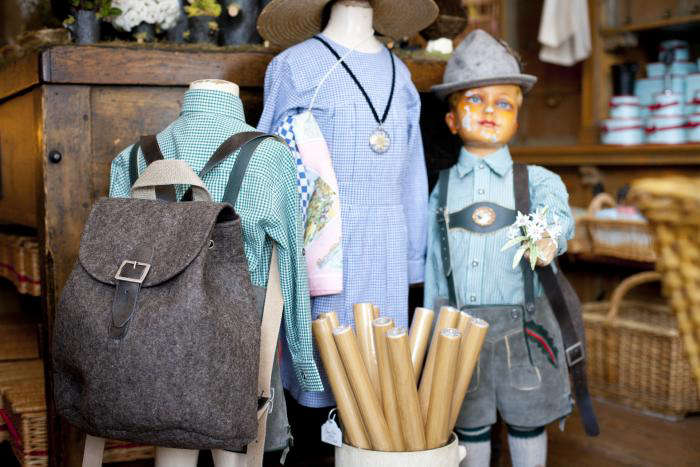
The Tyrolean Collection captured that same spirit. Its key pieces reflected traditional alpine style: a soft Tyrolean hat, a checked shirt, lederhosen, socks, and a felt rucksack. Each item suggested the visual language of the Tyrol region, which spans alpine areas historically associated with western Austria and northern Italy. The look is instantly recognizable: wool felt, sturdy fabrics, checked patterns, leather shorts, rustic accessories, and details that feel both practical and ceremonial.
Although the collection has been discontinued, it still matters as a design reference. It represents a specific kind of children’s fashion that refuses to chase neon trends, cartoon overload, or “mini influencer” styling. Instead, it celebrates folk costume, slow craft, family storytelling, and clothes that make children look like childrenadventurous, curious, and slightly under suspicion of hiding acorns in their pockets.
Why Tyrolean Style Has Such Lasting Appeal
Tyrolean style is not merely a costume. It comes from a real cultural tradition shaped by mountain life, regional identity, festivals, workwear, and local craftsmanship. Traditional Tyrolean dress, also known as Tracht, evolved from practical rural clothing into festive and symbolic attire. Over time, it became associated with pride in place, handmade detail, and the romance of alpine living.
That history gives Tyrolean-inspired clothing unusual staying power. A checked shirt is not just a checked shirt when paired with lederhosen and a felt hat. It becomes a miniature alpine uniform. A felt rucksack is not just a bag; it suggests hiking paths, picnic bread, wildflowers, and possibly a very serious discussion with a wooden cow. The aesthetic is specific enough to feel special but familiar enough to feel cozy.
For children’s clothing, this matters. Parents and gift-givers often search for pieces that feel meaningful rather than disposable. Schwartz’s Tyrolean Collection fits into the category of keepsake clothing: garments and accessories that may be worn, photographed, saved, passed down, or displayed. Even if a child outgrows the lederhosen, the memory does not shrink in the wash.
The Key Pieces in the Collection
The Tyrolean Hat
The Tyrolean hat is perhaps the most iconic piece. Traditionally, it is a soft felt hat with a narrow brim and a shaped crown, often decorated with a feather, cord, or brush. In children’s styling, it creates instant character. Place it on a child, and suddenly that child appears ready to lead a mountain expedition, judge a cheese festival, or politely ask why lunch is not packed yet.
Its charm lies in proportion. On adults, a Tyrolean hat can look classic, rustic, or theatrical. On children, it becomes storybook material. The hat frames the face, adds height without fuss, and works beautifully in photography. It is also a strong visual anchor for the whole outfit, giving even simple pieces a sense of place.
The Checked Shirt
The checked shirt brings warmth and practicality. Checks and plaids have long been associated with country clothing because they feel sturdy, cheerful, and easy to layer. In a Tyrolean-inspired outfit, the checked shirt softens the more formal aspects of folk costume. It says, “Yes, we respect tradition, but we are also available for apple strudel.”
For modern wear, this is the easiest piece to adapt. A checked shirt can be styled with jeans, corduroy pants, wool shorts, skirts, or layered under a cardigan. It gives the collection everyday usability, which is important because children’s clothing should survive actual children. Mud, crumbs, and sudden decisions to sit on the floor are all part of the job description.
The Lederhosen
Lederhosen are traditional leather shorts associated with alpine men’s and boys’ dress. They are durable, distinctive, and instantly linked to Bavarian and Tyrolean folk style. In a children’s collection, lederhosen bring structure and authenticity. They are not subtle, but that is part of the fun.
The appeal of children’s lederhosen is their mix of toughness and cuteness. They look sturdy enough for outdoor play yet special enough for portraits, festivals, themed parties, or heritage-inspired events. In Schwartz’s Tyrolean Collection, lederhosen likely served as the centerpiecethe garment that turned the look from “nice rustic outfit” into “tiny alpine legend reporting for duty.”
The Socks
Socks may sound like a supporting act, but in traditional styling, they matter. Knee socks or textured wool socks balance the proportions of lederhosen and help complete the alpine silhouette. Without them, the outfit can feel unfinished. With them, the look has rhythm from hat to shoe.
Good socks also bring comfort, warmth, and visual texture. In children’s fashion, texture is a secret weapon. Felt, leather, cotton checks, and wool socks create depth that photographs beautifully and feels more tactile than flat synthetic fabrics. The result is a look that invites touch, memory, and the occasional grandparent saying, “Now that is adorable,” at full volume.
The Austrian Felt Rucksack
The Austrian felt rucksack may be the most collectible-feeling accessory in the group. Felt is closely associated with alpine utility because it is warm, structured, and naturally rustic in appearance. A small felt backpack adds function while reinforcing the mountain-story mood.
For children, a rucksack is more than an accessory. It is a portable treasure vault. It can hold snacks, pebbles, toy animals, suspiciously sticky leaves, and whatever tiny object suddenly becomes emotionally irreplaceable. In design terms, the rucksack completes the collection by making the outfit feel ready for motion, not just display.
Bell’occhio and the Art of Curated Charm
To understand Schwartz’s Tyrolean Collection, it helps to understand Bell’occhio. The shop was known for a refined, European-influenced sensibility: handmade objects, ribbons, stationery, antique details, playful gifts, and items that felt discovered rather than mass-produced. Owner Claudia Schwartz built a reputation for noticing things others might miss: the finish of a ribbon, the shape of a brush, the poetry of a paper box, the quiet drama of a tiny hat.
That curatorial approach explains why a Tyrolean children’s collection made sense. Bell’occhio did not simply sell products; it created atmosphere. The collection was not about dressing a child in a novelty costume for one afternoon. It was about presenting a miniature world: alpine, nostalgic, well-made, and full of tactile detail.
In an age when many retail experiences feel interchangeable, Bell’occhio stood out because it had a point of view. Schwartz’s Tyrolean Collection reflects that point of view perfectly. It values regional character over generic cuteness. It favors materials with personality. It understands that children’s items can be whimsical without being loud.
How Schwartz’s Tyrolean Collection Fits Modern SEO Search Intent
People searching for “Schwartz’s Tyrolean Collection” are likely looking for one of several things: the original product listing, similar Tyrolean children’s clothing, alpine costume inspiration, discontinued Bell’occhio items, or styling ideas for a vintage European look. The topic sits at the intersection of children’s fashion, folk costume, collectible retail, and nostalgic design.
That makes the keyword valuable for long-tail search. It is specific, uncommon, and tied to a real item. Related keywords include Tyrolean children’s clothing, Tyrolean hat, children’s lederhosen, alpine kids outfit, Austrian felt rucksack, Bell’occhio San Francisco, and European children’s fashion. Used naturally, these terms help search engines understand the content without making readers feel as if they have fallen into a keyword soup with extra parsley.
The best way to optimize content around this topic is to answer the practical questions behind the search: What was the collection? What pieces did it include? Why is it Tyrolean? Is it still available? What similar styles can shoppers look for today? How can the look be styled without turning a child into a walking souvenir stand?
Styling Ideas Inspired by the Collection
For Family Photos
Schwartz’s Tyrolean Collection is a dream reference for family photography. The outfit works especially well in outdoor settings: parks, wooded paths, fall leaves, mountain cabins, apple orchards, or garden parties. The key is to let the clothing shine without overloading the scene. A child in a Tyrolean hat, checked shirt, lederhosen, and wool socks already has plenty of personality. Add one wooden bench and the photo is basically ready to apply for a passport to Storybook Country.
For Festivals and Cultural Events
Tyrolean-inspired clothing can be appropriate for heritage festivals, Oktoberfest-style family events, school culture days, or themed celebrations, provided it is worn respectfully. The goal should be appreciation, not caricature. Choose quality materials, avoid cartoonish exaggeration, and treat the garments as part of a living cultural tradition rather than a joke costume.
For Everyday Wardrobes
You do not need the full ensemble to borrow from the look. A checked shirt with corduroy pants, wool socks with simple leather shoes, or a felt backpack with a neutral coat can add alpine charm to everyday outfits. The trick is restraint. One or two Tyrolean-inspired elements can feel stylish; all elements plus a toy accordion may be a lot for math class.
What to Look for If You Want a Similar Style Today
Because Schwartz’s Tyrolean Collection is discontinued, shoppers interested in the look should search by garment type and material rather than only by the collection name. Useful search terms include children’s lederhosen, Tyrolean hat for kids, alpine children’s clothing, Austrian wool socks, felt rucksack, traditional Tracht for children, and vintage European children’s outfit.
Focus on quality indicators. Look for natural fibers such as wool, cotton, linen, leather, and felt. Check stitching, buttons, closures, and lining. For children’s clothing, comfort matters as much as appearance. A charming outfit loses some poetry if the child spends the entire afternoon negotiating with an itchy waistband.
Vintage and specialty shops may offer the best alternatives. Folk costume retailers, European import shops, museum stores, and secondhand marketplaces sometimes carry authentic or inspired pieces. When buying vintage children’s clothing, inspect condition carefully and consider whether the item is meant for wearing, collecting, photography, or display.
Why the Collection Still Feels Relevant
Schwartz’s Tyrolean Collection feels relevant because it points toward several modern design values: sustainability, craftsmanship, nostalgia, and individuality. Today’s shoppers are increasingly aware of how quickly trends come and go. A small, well-made collection inspired by regional dress feels refreshingly grounded. It does not scream for attention. It hums a mountain tune and lets you come closer.
The collection also fits the renewed interest in slow fashion. Even when used as inspiration rather than a purchasable product, it encourages people to choose fewer, better, more memorable pieces. A felt hat, leather shorts, and a sturdy rucksack have more lasting emotional value than a pile of novelty clothing destined to vanish after one season.
Most importantly, the collection respects childhood imagination. Children do not need hyper-branded outfits to feel special. Sometimes they need a hat, a backpack, and the suggestion that a grand adventure might begin after breakfast.
Experiences Related to Schwartz’s Tyrolean Collection
Experiencing Schwartz’s Tyrolean Collection, even indirectly through its images and descriptions, feels like stepping into a carefully arranged shop window where every object has a secret life. The first impression is visual delight: the hat gives height, the checked shirt gives rhythm, the lederhosen provide structure, the socks add warmth, and the felt rucksack ties everything together with a practical little flourish. It is the kind of outfit that makes adults pause because it reminds them of a time when children’s clothing was allowed to be imaginative without being noisy.
One of the most enjoyable ways to relate to this collection is through storytelling. Imagine preparing a child for a fall photo session. Instead of choosing a standard sweater and jeans, you build a tiny alpine outfit inspired by Schwartz’s Tyrolean Collection. The child puts on the checked shirt first, then the sturdy shorts, then the socks, then the hat. Suddenly the mood changes. The outfit invites a character: a young traveler, a mountain helper, a brave picnic guard, a small person with very serious opinions about bread.
The rucksack is where the experience becomes personal. A child will almost always want to put something inside it. That small act transforms the accessory from styling prop to companion. Maybe it holds a wooden toy, a folded napkin, a snack, or a leaf that has been promoted to “important.” This is why the collection works so well emotionally. It does not merely decorate childhood; it gives children objects they can use in their own imaginative logic.
For parents, the experience is equally charming but different. The collection offers a break from mass-market sameness. It suggests that dressing a child can be a creative act, not just a morning battle involving socks, cereal, and a suspiciously missing shoe. The Tyrolean look feels intentional. It has history behind it, texture within it, and enough humor to keep it from becoming stiff. A child in a feathered hat is formal only for about three seconds before doing something wonderfully ridiculous.
Collectors and design lovers may experience Schwartz’s Tyrolean Collection as a reminder of Bell’occhio’s special retail magic. Some shops sell inventory; others create memory. Bell’occhio belonged to the second group. The collection reflects a style of merchandising that values narrative. Each item seems chosen because it contributes to a larger feeling. That feeling is part alpine folk tale, part old-world craft, part San Francisco boutique eccentricity, and part childhood theater.
Another meaningful experience is using the collection as inspiration for seasonal decorating or gifting. A Tyrolean hat could hang on a peg in a nursery. A felt rucksack could become a keepsake bag. Wool socks and a checked shirt could be wrapped as a holiday gift for a child whose family enjoys heritage clothing or vintage photography. Even if the original pieces are no longer available, the idea remains useful: choose gifts that feel tactile, storied, and a little unexpected.
Finally, Schwartz’s Tyrolean Collection teaches a quiet lesson about style. The best children’s fashion does not always come from chasing what is newest. Sometimes it comes from looking backward with affection, borrowing from regional traditions with respect, and choosing pieces that invite real experiences. A child may outgrow the outfit, but the photograph, the memory, and the tiny rucksack full of mysterious treasures can stay in the family story for years.
Conclusion
Schwartz’s Tyrolean Collection may be discontinued, but its appeal has not disappeared. It remains a beautiful example of how children’s clothing can combine cultural inspiration, handmade charm, practical materials, and playful storytelling. From the Tyrolean hat to the lederhosen and felt rucksack, every piece contributes to a look that feels warm, distinctive, and rich with alpine character.
For shoppers, collectors, stylists, and parents, the collection offers more than nostalgia. It offers a blueprint for choosing children’s items with personality and staying power. Look for natural materials, meaningful details, and garments that encourage imagination. After all, childhood is short, but a great hat can make it look legendary.