
Your home’s curb appeal is the handshake before the conversation. It is the first impression people get when they drive by, walk up the path, or pause on a real estate listing photo and decide whether to keep scrolling. A beautiful exterior does not have to mean a mansion-level makeover, a landscaping crew named “The Mulch Avengers,” or a budget that makes your wallet hide under the couch. In most cases, improving curb appeal comes down to smart cleaning, clear design choices, healthy landscaping, practical repairs, and a few charming details that make the house look loved.
Whether you plan to sell your home, welcome guests, or simply stop apologizing for the porch every time someone visits, curb appeal improvements can make a dramatic difference. The best part? Many of the most effective upgrades are affordable weekend projects. Paint the front door. Trim the shrubs. Replace tired house numbers. Add lighting. Wash the siding. Suddenly, the same home looks less “forgotten rental” and more “someone here owns a label maker and possibly has their life together.”
This guide explains how to improve your home’s curb appeal with practical, attractive, and realistic ideas that work for a wide range of American homes, from suburban ranch houses to townhomes, cottages, colonials, bungalows, and modern builds.
What Is Curb Appeal?
Curb appeal is the visual attractiveness of a home as seen from the street. It includes the condition of the exterior, landscaping, driveway, walkway, porch, front door, lighting, windows, roofline, mailbox, and even small decorative details. In real estate, curb appeal matters because buyers often form opinions quickly. In everyday life, it matters because coming home should feel pleasant, not like pulling into a property that recently lost a wrestling match with a leaf blower.
Strong curb appeal sends a simple message: this home is cared for. That message can make a property feel more welcoming, more valuable, and more memorable. Even if you are not selling, a polished exterior can boost pride of ownership and make outdoor spaces more enjoyable.
Start With a Curb Appeal Audit
Before buying flowers, paint, or a decorative doormat that says “Hope You Brought Snacks,” take a slow walk across the street and look at your house like a visitor would. Better yet, take photos from the curb, driveway, sidewalk, and front steps. Photos reveal things your brain has learned to ignore, such as crooked shutters, faded mulch, cluttered porch corners, dirty siding, or a sad planter that has become a memorial to last spring’s good intentions.
Ask These Questions First
- Does the front entry look obvious, clean, and welcoming?
- Are shrubs, trees, or vines hiding windows or architectural details?
- Is the lawn healthy, patchy, overgrown, or too high-maintenance?
- Are the siding, windows, gutters, porch, steps, and walkway clean?
- Do the house numbers, mailbox, lighting, and hardware look current?
- Is there a clear path from the street or driveway to the front door?
- Does the exterior color palette feel balanced?
A curb appeal audit helps you prioritize. The goal is not to fix everything at once. The goal is to identify the changes that will create the biggest visual impact for the least amount of stress.
Clean First, Decorate Second
The fastest way to improve curb appeal is not always buying something new. Often, it is removing dirt, mildew, cobwebs, dead leaves, weeds, and clutter. A clean exterior makes every other upgrade look better. A freshly painted door still looks awkward if it is surrounded by dusty siding and a porch light full of insects that appear to have held a family reunion there.
Power Wash the Right Surfaces
Pressure washing can refresh driveways, walkways, brick, stone, vinyl siding, fences, decks, and patios. Use the correct pressure setting for each surface, because too much force can damage wood, loosen mortar, strip paint, or scar siding. For delicate materials, soft washing may be safer. If you are unsure, test a small hidden area or hire a professional.
Clean Windows and Screens
Clean windows brighten the exterior and make the home feel better maintained. Wash exterior glass, wipe down sills, remove damaged screens, and clear away cobwebs around frames. If window trim is peeling or faded, touch it up. Windows are like the eyes of the house; if they look tired, the whole face looks tired.
Clear Gutters and Roof Edges
Overflowing gutters, sagging downspouts, and roof debris can make a home look neglected. Clean gutters, secure loose sections, and direct downspouts away from the foundation. This improves curb appeal and helps protect your home from water problems.
Refresh the Front Door
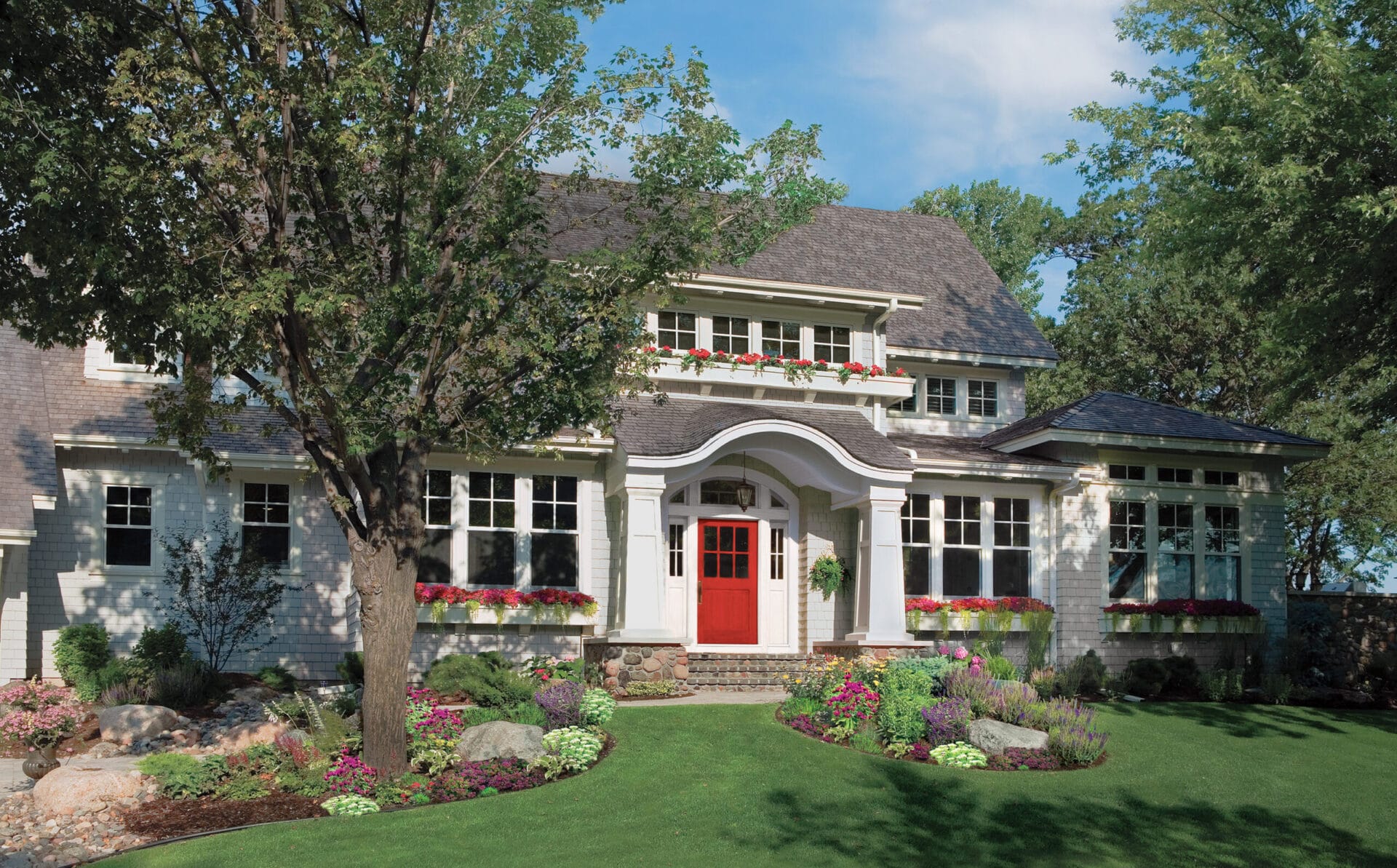
The front door is the star of the curb appeal show. It is the visual destination, the focal point, and the place where visitors decide whether to ring the bell or text “I think I’m here?” A refreshed front door can instantly improve the exterior without requiring a full remodel.
Paint the Door With Purpose
A new front door color can add personality and contrast. Classic options include black, navy, red, forest green, deep charcoal, warm white, and rich wood tones. For a cottage-style home, a cheerful blue or sage green may work beautifully. For a brick colonial, glossy black or deep red often feels timeless. For a modern exterior, matte black, walnut, or a muted earthy tone can look clean and sophisticated.
Choose a color that complements the siding, brick, stone, roof, and trim. The front door should stand out, but it should not look like it wandered in from a different neighborhood.
Upgrade Door Hardware
New hardware can make an old door feel more expensive. Consider replacing a worn knob, deadbolt, knocker, kick plate, or handle set. Matte black, satin nickel, aged brass, and oil-rubbed bronze are popular finishes, but the best choice depends on your home’s style. Match or coordinate the door hardware with lighting, house numbers, and mailbox finishes for a polished look.
Add a Fresh Doormat
A clean doormat is a tiny upgrade with surprisingly big impact. Choose a size that fits the door properly; a too-small mat looks like a postage stamp. Layering a natural coir mat over a larger patterned outdoor rug can make the entry feel warm and intentional.
Improve Front Yard Landscaping
Landscaping is one of the most powerful curb appeal tools because it frames the house, softens hard edges, and adds color, texture, and life. The trick is to create landscaping that looks beautiful without becoming a part-time job. Unless gardening is your hobby, avoid designing a yard that needs more emotional support than the people living inside.
Trim Trees and Shrubs
Overgrown landscaping can hide windows, block light, crowd walkways, and make a house look smaller. Trim shrubs below window height, remove dead branches, and shape plants so they enhance the home rather than swallow it. Trees should frame the property, not scrape the roof or lean dramatically over the driveway like they are auditioning for a storm scene.
Create Clean Garden Beds
Well-defined planting beds instantly make a yard look organized. Add edging along walkways, driveways, and foundation beds using stone, brick, metal, or clean spade-cut edges. Pull weeds, remove dead plants, and refresh the soil line.
Use Mulch Wisely
Fresh mulch is one of the easiest curb appeal upgrades. It creates contrast, helps retain soil moisture, and gives garden beds a finished look. Choose a mulch color that suits your exterior. Dark brown and natural wood tones tend to look classic. Avoid piling mulch against tree trunks or siding, because that can invite pests and moisture problems.
Plant for Layers and Seasons
Good landscaping uses layers: taller plants in back, medium shrubs in the middle, and lower flowers or ground covers in front. Mix evergreen shrubs with seasonal flowers so the yard has structure year-round. In many U.S. regions, boxwood, holly, hydrangea, ornamental grasses, lavender, salvia, hosta, daylily, coneflower, and native perennials can provide dependable curb appeal. Always choose plants suited to your USDA growing zone, sun exposure, soil type, and watering habits.
Upgrade the Lawn Without Obsessing Over It
A healthy lawn can make a home look crisp, but perfection is not required. Most buyers and visitors are not measuring blade height with a ruler. They simply notice whether the lawn looks cared for.
Repair Bare Spots
Patchy grass can be improved with seed, sod, compost, and proper watering. The best timing depends on your grass type and climate. Cool-season grasses often respond well to early fall seeding, while warm-season grasses usually do better in late spring or early summer.
Define the Edges
Edging along sidewalks, driveways, and flower beds creates a sharp, well-maintained look. Even a modest lawn looks better when its borders are clean. Think of edging as giving your yard a haircut before picture day.
Consider Lawn Alternatives
If grass struggles in your climate, consider low-water or low-maintenance alternatives such as native ground covers, ornamental grasses, gravel paths, clover blends, mulch beds, or drought-tolerant plantings. A sustainable front yard can still look beautiful if it is planned with clear borders and balanced textures.
Make the Walkway Welcoming
The walkway guides the eye and the feet. If it is cracked, dark, uneven, or hidden by plants, the entry can feel confusing or unsafe. A clear, attractive walkway improves both curb appeal and function.
Repair Cracks and Uneven Areas
Fix loose pavers, cracked concrete, wobbly steps, and tripping hazards. Safety matters, especially if you host guests or plan to sell. A walkway that looks stable and clean reassures visitors before they even reach the door.
Add Lighting Along the Path
Path lights improve nighttime curb appeal and help people navigate safely. Solar lights are budget-friendly and easy to install, while wired low-voltage lighting usually looks more professional and lasts longer. Use lighting to guide, not blind. Your walkway should feel inviting, not like an airport runway.
Frame the Path With Plants
Low-growing plants, ornamental grasses, or small flowering perennials can soften walkway edges. Keep plants trimmed so they do not spill into the path. Beauty is great; ankle attacks from overexcited shrubs are less charming.
Update Exterior Lighting
Outdoor lighting is often overlooked, but it changes how a home feels after sunset. Good lighting highlights architecture, improves safety, and makes the entry look warm and welcoming.
Replace Outdated Fixtures
If your porch light looks faded, rusty, or builder-basic, replacing it can modernize the entire entry. Choose fixtures that fit the scale of the door and porch. Too-small lights look skimpy; oversized lights can look theatrical in the wrong way.
Use Warm, Comfortable Light
Warm white bulbs often create a more inviting glow than harsh blue-white bulbs. Make sure exterior bulbs are rated for outdoor use. Clean fixture glass regularly so the light shines clearly.
Highlight Key Features
Use lighting to accent trees, columns, stonework, steps, and the front door. Avoid overlighting. The goal is subtle drama, not turning your front yard into a stage for neighborhood raccoons.
Replace Small Details That Date the House
Small exterior details can quietly age a home. Replacing them is usually affordable and can make the whole property look fresher.
Install Modern House Numbers
House numbers should be easy to read from the street. Choose a style that matches your home’s architecture, whether traditional, craftsman, farmhouse, or modern. Larger, well-placed numbers are especially helpful for guests, delivery drivers, and emergency responders.
Refresh the Mailbox
A dented or faded mailbox can drag down the exterior. Paint it, replace it, or add a simple planting bed around the post. If your neighborhood has mailbox rules, check them first.
Coordinate Finishes
For a cohesive look, coordinate the finishes of your house numbers, mailbox, door hardware, and light fixtures. They do not need to match perfectly, but they should feel related. A little consistency goes a long way.
Paint, Touch Up, or Refinish Exterior Surfaces
Paint is one of the most visible curb appeal factors. Peeling trim, faded shutters, stained railings, and chipped porch floors can make even a structurally sound home look tired.
Touch Up Trim and Shutters
If a full exterior paint job is not in the budget, focus on trim, shutters, railings, and the front door. Crisp trim can define the architecture and make the exterior look cleaner.
Choose Exterior Colors Carefully
Timeless exterior palettes often perform best: warm whites, soft grays, taupes, deep greens, charcoal, navy, beige, and natural wood tones. Look at your roof, brick, stone, and neighboring homes before choosing a color. The right palette should feel fresh but not jarringly out of place.
Do Not Ignore the Garage Door
On many homes, the garage door is one of the largest front-facing surfaces. Clean it, paint it, or upgrade the hardware. If the door is damaged or severely dated, replacement may be worth considering. A garage door should support the design, not dominate it like a giant beige billboard.
Make the Porch Feel Like a Welcome Zone
A porch does not have to be large to feel inviting. Even a small stoop can look charming with the right mix of cleanliness, symmetry, plants, lighting, and texture.
Add Potted Plants
Potted plants are curb appeal magic because they add color and structure without requiring permanent landscaping changes. Try two matching planters on either side of the door for symmetry. Use evergreens, ornamental grasses, ferns, seasonal flowers, or small topiaries depending on sunlight and climate.
Use Seating When Space Allows
If you have a porch, add a bench, rocking chair, small bistro set, or outdoor chair with weather-resistant cushions. Do not overcrowd the space. A porch should suggest relaxation, not an outdoor furniture clearance sale.
Keep Decor Seasonal but Simple
Seasonal wreaths, lanterns, pumpkins, or flowers can add charm, but too much decor can become visual clutter. A simple, well-styled entry often looks more elegant than a porch packed with signs, statues, ribbons, and twelve decorative geese wearing scarves.
Improve Fencing, Gates, and Side Yards
Fences and gates frame the property. If they are leaning, faded, or broken, they can make the entire exterior look neglected.
Repair Before Replacing
Replace missing boards, tighten hinges, clean mildew, and repaint or stain wood fencing as needed. A simple repair can restore order and save money.
Make Gates Easy to Use
A gate that sticks, squeaks, or hangs crooked gives a poor impression. Adjust hardware, lubricate hinges, and make sure latches work smoothly.
Hide Utility Areas
Trash bins, hoses, meters, and air-conditioning units are necessary, but they do not need to be the first thing people notice. Use screens, shrubs, small fences, or storage boxes where appropriate, while leaving required clearance for safety and maintenance.
Budget-Friendly Curb Appeal Ideas
You do not need a luxury budget to improve your home’s curb appeal. Many high-impact projects cost less than a dinner out for four, depending on how hungry everyone is and whether someone orders appetizers “for the table.”
Affordable Weekend Projects
- Paint the front door.
- Replace old house numbers.
- Add a new doormat.
- Plant seasonal flowers in containers.
- Spread fresh mulch.
- Clean windows and siding.
- Edge the lawn and walkway.
- Replace the mailbox.
- Install solar path lights.
- Remove porch clutter.
These simple projects can dramatically change the appearance of a home without requiring permits, contractors, or a month of dust.
High-Impact Projects Worth Considering
If you have a larger budget, focus on improvements that enhance both appearance and function.
Upgrade the Front Door
A new front door can improve security, energy efficiency, and style. Fiberglass, steel, and wood doors each offer different benefits. Choose a door that fits your climate, architecture, and maintenance preferences.
Replace the Garage Door
A new garage door can dramatically improve a front-facing exterior, especially on homes where the garage takes up a large part of the facade. Carriage-style, modern glass, paneled, and wood-look doors can all add character.
Refresh the Driveway
Repairing, sealing, or resurfacing the driveway can clean up the entire property. Oil stains, cracks, and weeds make a driveway look older than it is. A neat driveway creates a strong foundation for curb appeal.
Add Architectural Details
Shutters, window boxes, porch columns, trim, stone veneer, brackets, or a small portico can add character when chosen carefully. The key is matching the home’s style. Random details can look pasted on, while thoughtful details look original.
Curb Appeal Mistakes to Avoid
Improving curb appeal is not only about what you add. It is also about what you avoid.
Overpersonalizing the Exterior
Bold choices can be fun, but if you plan to sell, avoid exterior updates that appeal only to a very specific taste. A neon front door, unusual sculptures, or highly themed landscaping may delight you but confuse buyers. If you are staying long-term, enjoy your style. If selling, aim for broad appeal.
Choosing High-Maintenance Landscaping
A complicated garden may look beautiful for two weeks and then turn into a demanding leafy boss. Choose plants that suit your climate and schedule. Low-maintenance landscaping often attracts buyers because it looks manageable.
Ignoring Scale
Tiny porch lights, undersized planters, small house numbers, or narrow shutters can look awkward. Exterior elements need proper scale because they are viewed from a distance.
Letting Decor Become Clutter
Too many signs, statues, flags, pots, chairs, and seasonal items can distract from the house. Edit your exterior the way you would edit a room. Give the eye somewhere to rest.
Experience-Based Tips for Improving Your Home’s Curb Appeal
One of the most useful lessons from real curb appeal projects is that small improvements often work best when they are done in the right order. Many homeowners want to begin with the fun part: choosing flowers, buying porch decor, or painting the front door a bold color. Those projects are rewarding, but they shine only after the basics are handled. Cleaning, trimming, repairing, and decluttering are the foundation. Without them, new decor can feel like putting a bow tie on a lawn mower.
A practical approach is to start with visibility. Stand at the curb and identify the main focal point. For most homes, that focal point should be the front door or entry area. If your eye goes first to trash bins, overgrown shrubs, a cracked walkway, or a giant blank garage door, the home may feel less welcoming. Redirect attention by clearing the entry path, trimming plants away from the door, adding symmetrical planters, and upgrading the lighting or hardware around the entrance.
Another helpful experience is to work in layers. First, fix what looks neglected. That includes peeling paint, dead plants, dirty siding, broken lights, and weeds. Second, add structure with mulch, edging, trimmed shrubs, and clear walkways. Third, add personality with door color, plants, furniture, and seasonal decor. This sequence prevents wasted money because you are not decorating around problems that should have been solved first.
Color also matters more than many people expect. A front door color that looks amazing online may not work with your roof, brick, or siding. Always test paint samples outside and view them at different times of day. Morning light, afternoon sun, and evening shade can change a color dramatically. A navy door may look elegant in one setting and almost black in another. A cheerful yellow may feel charming on a cottage and startling on a formal brick home. The best curb appeal colors respect the materials already present.
Landscaping is another area where restraint pays off. New homeowners sometimes plant too much too quickly, forgetting that plants grow. A tiny shrub can become a window-blocking beast in a few seasons. Before planting, check mature height and width. Leave breathing room around the house, windows, and walkway. A front yard looks more refined when plants frame the architecture instead of fighting it for attention.
Lighting is often the upgrade people wish they had done sooner. A home that looks ordinary during the day can look warm and polished at night with good porch lights and path lighting. Lighting also helps guests feel safe. Choose fixtures large enough to be noticed from the street, and use warm bulbs for a welcoming glow. The goal is not to flood the yard with light, but to create gentle guidance and highlight the best features.
Finally, curb appeal should match your real life. If you travel often, choose drought-tolerant plants. If you have kids, pets, or heavy deliveries, make sure walkways are durable and clear. If you dislike yard work, avoid fussy flower beds and choose evergreens, mulch, stone borders, and container plants that are easy to refresh. The most beautiful curb appeal plan is one you can actually maintain after the first burst of enthusiasm fades.
Conclusion
Improving your home’s curb appeal is not about creating a perfect magazine cover. It is about helping your home look clean, cared for, welcoming, and visually balanced. Start with the basics: clean the exterior, trim the landscaping, repair obvious flaws, and make the front entry easy to find. Then add high-impact details such as a painted front door, updated lighting, fresh mulch, modern house numbers, potted plants, and a well-defined walkway.
The best curb appeal improvements combine beauty and practicality. They make the home more enjoyable for you, more inviting for guests, and more attractive to potential buyers. You do not need to do everything at once. Choose one project, finish it well, and build from there. Before long, your house will have that polished “someone cares about me” lookand your neighbors may start mysteriously trimming their shrubs the next weekend.
Note: This article is written for web publication in standard American English and is based on current, widely used U.S. home improvement, landscaping, and real estate curb appeal practices.