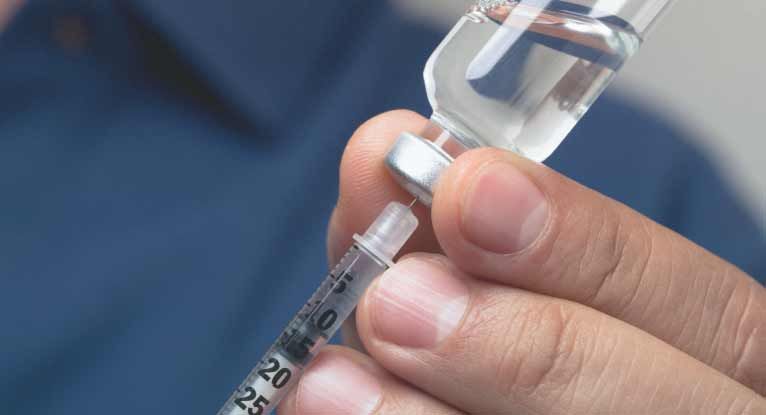

Correcting high blood sugar can feel like solving a math problem while your pancreas watches from the sidelines and offers absolutely no assistance. provides a structured way to estimate how much one unit of insulin may lower your blood glucose.
Also called an insulin correction factor, this number is commonly used by people who take rapid-acting or short-acting insulin. It can help calculate correction doses, program an insulin pump, and make sense of glucose patterns. However, an insulin sensitivity factor is an individualized estimatenot a magic number engraved on a medical stone tablet. Exercise, illness, stress, hormones, insulin already circulating in the body, and many other variables can change the result.
What Is an Insulin Sensitivity Factor?
An insulin sensitivity factor, usually abbreviated as ISF, estimates how many milligrams per deciliter one unit of insulin will lower a person’s blood glucose. In countries using millimoles per liter, it estimates the reduction in mmol/L produced by one unit.
Suppose your prescribed ISF is 50. That generally means one unit of correction insulin is expected to lower your blood glucose by approximately 50 mg/dL. If your factor is 25, one unit is expected to lower it by about 25 mg/dL.
A higher ISF number means that a person is more responsive to insulin because each unit produces a larger expected glucose decrease. A lower number means more insulin may be needed to produce the same decrease. ADA clinical materials define the ISF as the estimated glucose reduction produced by a unit of correction insulin. SF Is Not the Same as General Insulin Sensitivity
The terminology can be confusing. In metabolic health discussions, “insulin sensitivity” describes how effectively muscle, fat, and liver cells respond to insulin. Reduced sensitivity is often called insulin resistance. In insulin dosing, however, the insulin sensitivity factor is a specific number used to calculate a correction dose.
A person can therefore discuss improving insulin sensitivity through physical activity while also using an ISF in a pump or injection plan. The concepts are related, but they are not interchangeable. n>
How the Correction-Dose Formula Works
A common correction formula is:
Correction dose = (Current blood glucose − Target blood glucose) ÷ Insulin sensitivity factor
Here is an illustrative example:
- Current blood glucose: 220 mg/dL
- Prescribed target: 120 mg/dL
- Prescribed ISF: 50 mg/dL per unit
The difference between the current and target readings is 100 mg/dL. Dividing 100 by 50 gives an estimated correction dose of two units.
This example demonstrates the arithmetic only. A safe real-world dose may also depend on active insulin, whether food was recently eaten, the direction of a continuous glucose monitor arrow, planned exercise, recent hypoglycemia, illness, and the person’s written treatment instructions.
The National Institute of Diabetes and Digestive and Kidney Diseases includes the correction factor, target glucose, insulin-to-carbohydrate ratio, and correction-dose calculation in individualized diabetes medical management plans. onverting an ISF to mmol/L
To convert an ISF expressed in mg/dL to mmol/L, divide by 18. For example, an ISF of 54 mg/dL per unit is approximately 3 mmol/L per unit. The correction formula stays conceptually the same, but all glucose values must use the same measurement system.
How Is an Insulin Sensitivity Factor Estimated?
Clinicians may use a calculation as a starting estimate and then adjust the factor using glucose records, continuous glucose monitor data, insulin doses, meal timing, and observed responses. The starting calculation is not automatically the final setting.
The 1800 Rule for Rapid-Acting Insulin
One commonly taught method is the 1800 rule:
Estimated ISF = 1800 ÷ Total daily insulin dose
The total daily dose generally includes all basal and bolus insulin taken during 24 hours. If someone uses 40 total units per day, the estimate would be:
1800 ÷ 40 = 45
The initial estimate would therefore suggest that one unit of rapid-acting insulin may lower glucose by approximately 45 mg/dL. UCSF’s Diabetes Teaching Center emphasizes that this calculation is a starting “best guess” that often needs modification. he 1500 Rule and Other Variations
The 1500 rule has traditionally been used with short-acting regular insulin, which has a slower onset and longer action profile than modern rapid-acting analogs. Clinicians may also use variations such as 1700, 1800, or 2000 depending on the insulin type, individual response, and available glucose data.
These rules should not be treated as do-it-yourself prescribing tools. Research on pump dosing has found meaningful variation among correction-factor formulas, reinforcing why real glucose patterns matter more than loyalty to one neat-looking equation. n>
Insulin Sensitivity Can Change Throughout the Day
Many people do not have one perfectly accurate ISF for every hour of the day. A person may need a stronger correction in the early morning and a gentler one after afternoon exercise. Insulin pumps can store different correction factors for different time blocks, while injection plans may include time-specific written instructions.
Factors That May Change the Response to a Correction
- Physical activity: Aerobic activity frequently increases insulin sensitivity and can continue affecting glucose after the workout.
- High-intensity exercise: Sprinting, heavy lifting, and competition can temporarily raise glucose because of stress hormones.
- Illness or infection: Illness-related hormones may increase glucose and insulin requirements.
- Emotional stress: Cortisol and adrenaline can make glucose harder to lower.
- Hormonal changes: Menstrual cycles, puberty, pregnancy, and dawn-related hormones can alter insulin needs.
- Medication changes: Corticosteroids and certain other medicines can raise glucose substantially.
- Alcohol: Alcohol may contribute to delayed hypoglycemia, particularly when combined with insulin or missed food.
- Changes in kidney function: Kidney disease can affect medication needs and increase the importance of professional dose review.
- Insulin delivery problems: A damaged pump site, blocked tubing, spoiled insulin, or repeated injections into affected tissue can produce unexpectedly weak corrections.
Exercise generally improves insulin responsiveness, but insulin users may develop hypoglycemia during activity or several hours later. Illness, injury, surgery, and acute emotional stress can have the opposite effect by temporarily raising glucose. n>
Why Insulin on Board Matters
Rapid-acting insulin does not vanish after the glucose reading starts improving. Depending on the product and the individual, it may remain active for several hours. The amount still working is often called active insulin or insulin on board.
Taking another full correction while the previous dose is still active can cause insulin stacking. Glucose may appear stubborn at first, tempting someone to correct again. Later, both doses can act at the same time and send glucose downward with considerably more enthusiasm than anyone requested.
Many insulin-pump and smart-pen calculators estimate active insulin and subtract it from a suggested correction. The ADA’s type 1 diabetes self-care materials describe bolus calculations that account for correction needs, active insulin, food, and physical activity. ple using injections need individualized instructions about how long to wait between corrections. The appropriate interval depends on the insulin formulation, recent food, glucose trend, and treatment plan.
How to Tell Whether an ISF May Need Review
One unusual glucose result rarely proves that a correction factor is wrong. A miscounted meal, a stressful meeting, a questionable infusion site, or a mysteriously generous restaurant portion can overwhelm an otherwise useful setting.
A repeated pattern is more informative. Contact your diabetes care team when you notice patterns such as:
- Corrections repeatedly causing hypoglycemia.
- Glucose regularly remaining high after the insulin has had time to work.
- Different responses at breakfast, lunch, dinner, or overnight.
- A major change in weight, activity level, pregnancy status, medications, or kidney function.
- Frequent need for extra corrections not explained by meals.
- Increasing fear of correcting because previous doses caused lows.
Useful records include the glucose level before correction, dose, active insulin, recent carbohydrates, exercise, illness, stress, glucose direction, and the reading several hours later. A few well-documented days may reveal more than a month of numbers floating around without context.
Common Mistakes When Using a Correction Factor
Confusing ISF With the Insulin-to-Carbohydrate Ratio
The insulin-to-carbohydrate ratio covers food. The ISF corrects glucose that is above the prescribed target. A meal bolus may include both calculations, but they perform different jobs. Carbohydrates have enough influence already; there is no need to give them someone else’s job title. gnoring Active Insulin
A correct formula can still produce an unsafe result if a previous dose is working. Always follow the active-insulin instructions in your pump, smart pen, bolus calculator, or clinician-approved plan.
Correcting Immediately After Eating
Post-meal glucose may still be rising while mealtime insulin is still developing its effect. An early correction based only on the current number can lead to a delayed low.
Using Someone Else’s Factor
An ISF is highly personal. Two people of similar age and weight can have very different insulin needs. Sharing a correction factor is about as sensible as sharing prescription eyeglasses and insisting the blurry furniture is the furniture’s fault.
Changing Settings After One Bad Day
Temporary factors such as poor sleep, illness, a steroid prescription, intense exercise, or an infusion-set problem can distort the apparent response. Changes should be based on recurring patterns and reviewed with the diabetes team.
Hypoglycemia and Emergency Safety
Too much insulin can cause hypoglycemia. Warning signs may include shakiness, sweating, hunger, dizziness, weakness, headache, irritability, confusion, or a rapid heartbeat. Severe hypoglycemia can cause seizures, unconsciousness, injury, or death.
People who repeatedly experience lows, nighttime hypoglycemia, or reduced awareness of symptoms need prompt medical review. Family members, friends, teachers, or coworkers should know where prescribed glucagon is kept and how to use it. h glucose can also become an emergency, particularly when ketones, vomiting, abdominal pain, dehydration, fruity-smelling breath, confusion, or difficulty breathing are present. These can be signs of diabetic ketoacidosis. Follow your sick-day plan and seek urgent medical care as directed.
The ADA advises people with diabetes to discuss ketone testing and sick-day insulin adjustments with their clinicians. Exercising with high glucose and positive ketones can make the situation worse rather than better. n>
Using an ISF With Pumps, Smart Pens, and CGMs
Modern diabetes technology can perform much of the arithmetic, but the programmed settings still matter. Pump and smart-pen calculators may combine the current glucose, target, carbohydrate ratio, correction factor, and active insulin to recommend a bolus.
Some automated insulin-delivery systems adjust basal insulin or deliver automated corrections based on continuous glucose monitor data. The way a programmed ISF affects each system varies, so users should not assume that changing a correction factor will have identical effects across devices.
CGM trend arrows also add context. A glucose level of 200 mg/dL that is dropping rapidly is a different situation from 200 mg/dL with two upward arrows. Device-specific guidance and clinician-approved instructions should determine whether and how the suggested dose is modified.
The CDC recommends keeping a written record of pump settingsincluding basal rates, carbohydrate ratios, glucose targets, and sensitivity factorsfor emergencies or device replacement. n>
Practical Experiences: What Using an ISF Can Feel Like
The following scenarios are composites designed to illustrate common experiences. They are not individualized dosing recommendations.
The Morning Correction That Behaves Differently
Many insulin users first notice that their correction factor is not universal when breakfast corrections seem less effective than afternoon corrections. A dose that gently brings glucose toward target at 3 p.m. may barely move it at 7 a.m. Dawn-related hormones, rushed mornings, coffee, breakfast composition, and delayed insulin timing can all contribute.
The useful lesson is not to immediately double a dose. It is to collect enough information to identify a pattern. Recording several morningsincluding wake-up glucose, food, insulin, active insulin, stress, and later readingsgives the diabetes team something concrete to evaluate.
The Post-Workout Surprise
Another common experience happens after an unusually active day. Someone uses the usual evening correction, only to have glucose fall faster than expected overnight. Muscles may remain more responsive to insulin after physical activity, even when the workout ended hours earlier.
People often learn that “exercise lowers glucose” is only the opening chapter. The type, duration, intensity, and timing of activity matter. A long walk may increase sensitivity, while a brief, intense workout can initially raise glucose. Reviewing CGM history after different activities can help clinicians develop safer exercise-specific strategies.
The Restaurant Meal That Refuses to Follow the Script
Restaurant meals create another real-world puzzle. A person calculates carbohydrates carefully, corrects a high reading, and initially appears to be right on target. Three hours later, glucose climbs again. High-fat or high-protein meals can delay digestion, meaning the problem may not be a weak ISF at all. The glucose is arriving later than expected.
Repeated corrections in this situation can become risky because earlier insulin may still be active. The experience teaches an important distinction: not every high reading is a correction-factor problem. Sometimes the real issue is meal composition, bolus timing, or delayed absorption.
The Sick Day When Normal Rules Stop Feeling Normal
Illness can make a familiar correction factor look almost useless. Stress hormones may raise glucose even when a person is eating very little. Pump users also have to consider whether persistent hyperglycemia reflects illness, a delivery failure, or both.
A written sick-day plan becomes invaluable here. It should explain when to check glucose and ketones, when to replace an infusion set, how to stay hydrated, and when to call the care team or seek emergency treatment. Trying to invent the plan while nauseated and staring at a high CGM alarm is not ideal timing.
The Emotional Side of Correction Doses
Numbers can carry emotion. Repeated highs may trigger frustration, while a previous severe low may make a person reluctant to correct at all. Some people start treating the glucose reading as a grade on their performance rather than information for the next decision.
Experienced diabetes management usually becomes less about achieving mathematical perfection and more about recognizing patterns without blame. A glucose result is data, not a character reference. The most useful ISF is not necessarily the one that creates the fastest drop; it is the setting that helps move glucose toward target predictably while minimizing hypoglycemia.
Technology can reduce the mental workload, but it cannot remove every variable. Meals are imperfect, hormones are unpredictable, sensors have delays, and bodies occasionally ignore the spreadsheet. Successful use of a correction factor therefore depends on both calculation and judgmentsupported by a healthcare team that can translate messy daily life into safer settings.
Conclusion
The insulin sensitivity factor is a practical tool for estimating how much one unit of insulin may lower blood glucose. It is commonly used in correction-dose formulas, pump settings, smart-pen calculators, and diabetes medical management plans.
The familiar 1800 rule can provide an initial estimate for rapid-acting insulin, but the most reliable factor comes from reviewing actual glucose responses. Time of day, exercise, stress, illness, hormones, food, kidney function, active insulin, and delivery problems can all influence the outcome.
Most importantly, correction insulin should never be treated as simple arithmetic performed in isolation. A safe decision considers the glucose target, trend, insulin already working, recent activity, ketones, and the person’s individualized instructions. When corrections repeatedly cause lows or fail to work, bring the pattern to your diabetes care team rather than repeatedly experimenting with larger doses.
SEO Tags