
Almost every student has faced the same tiny academic horror movie: you open your backpack, reach for your homework, and suddenly realize it is not done. Maybe you forgot the assignment. Maybe soccer practice ran late. Maybe your brain looked at the math worksheet and quietly packed a suitcase. Whatever happened, you now need to explain your unfinished homework without sounding like a cartoon villain who just got caught stealing cookies.
The good news is that there are smart, respectful, and honest ways to handle unfinished homework. The bad news? “My dog ate it” retired around the time floppy disks did. Teachers have heard every dramatic excuse in the Homework Hall of Fame, from printer disasters to mystery illnesses to “the Wi-Fi ran away.” What usually works better is simple: tell the truth, take responsibility, and offer a plan.
This guide covers 3 ways to excuse yourself from unfinished homework without lying, panicking, or permanently damaging your reputation. You will learn how to communicate with your teacher, request an extension, submit partial work, and prevent the same homework emergency from becoming a weekly sitcom.
Why Honesty Matters When Homework Is Not Finished
Before we jump into the three methods, let’s clear up one important thing: an excuse is not the same as a lie. A good excuse explains what happened. A bad excuse creates a fictional universe where your laptop exploded, your notebook teleported, and your goldfish needed emotional support during algebra.
Teachers usually care about more than the missing assignment. They want to know whether you are learning, whether you respect classroom expectations, and whether you are willing to fix the problem. Academic integrity also matters. Being honest about unfinished homework helps protect your credibility, which is far more valuable than one worksheet, one essay, or one awkward Tuesday morning.
There are many legitimate reasons homework may not be completed: illness, family responsibilities, technical problems, misunderstanding the instructions, mental overload, schedule conflicts, or simple poor time management. Not all reasons will earn the same response from a teacher, but almost any situation becomes easier to solve when you communicate clearly and early.
Way 1: Be Honest and Ask for a Reasonable Extension
The first and usually best way to excuse yourself from unfinished homework is to be honest and ask for a reasonable extension. This does not mean giving a five-minute courtroom speech. It means explaining the situation briefly, accepting responsibility, and proposing a realistic new deadline.
When This Works Best
This method is especially useful when you have a real reason for not finishing the assignment. Maybe you were sick, had a family emergency, lost internet access, had a major schedule conflict, or misunderstood part of the task. It can also work when the reason is less dramatic, such as poor planning, if you are mature enough to admit it.
Teachers are more likely to respond positively when you ask before the assignment is due. If the deadline has already passed, you can still ask, but your request should be even more respectful and specific. “Can I turn it in whenever?” sounds careless. “May I turn it in tomorrow by 3 p.m. for partial credit?” sounds responsible.
How to Say It in Person
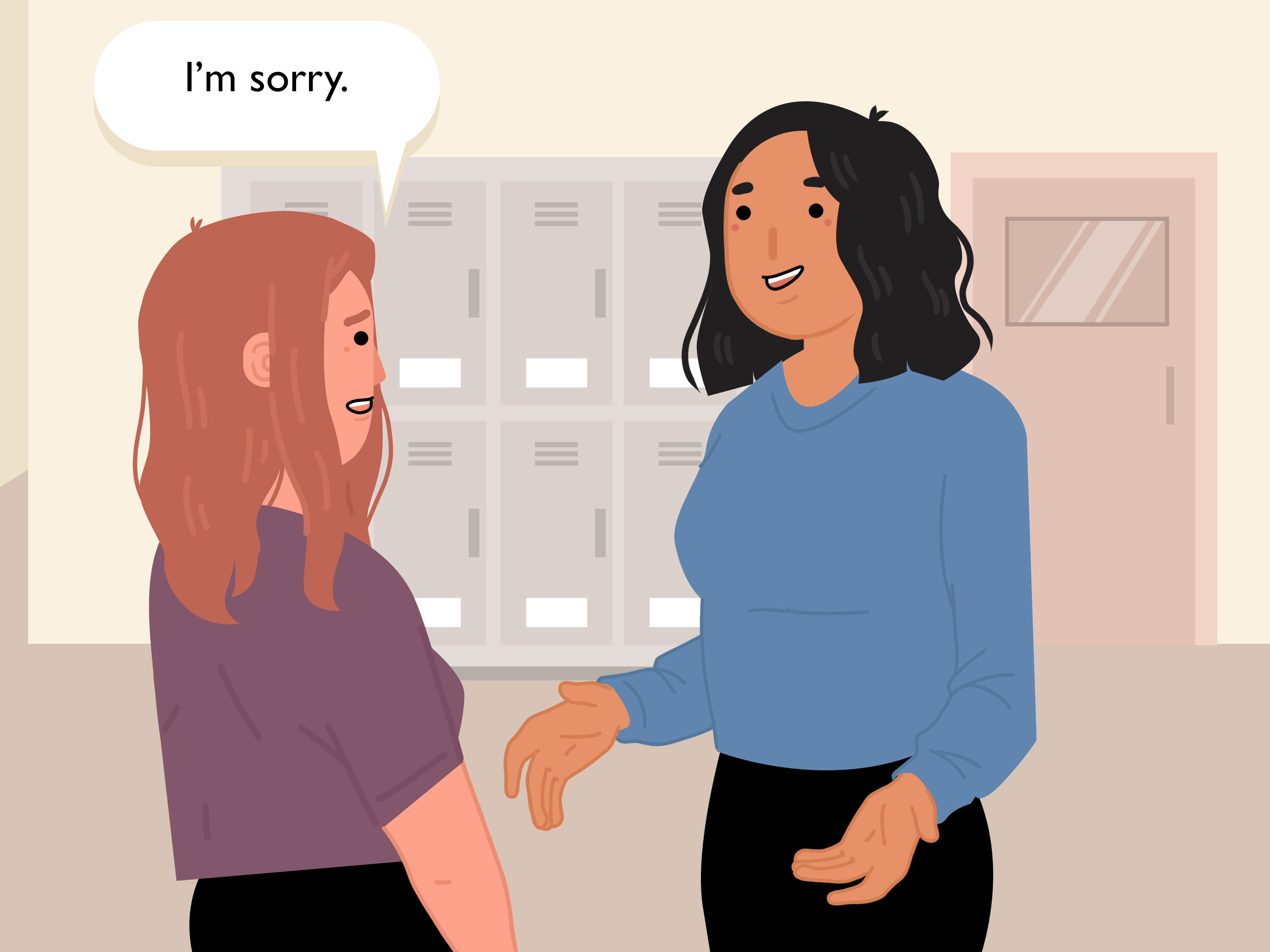
If you are speaking to your teacher before class, keep it short and calm. Try something like:
“Hi, Mr. Carter. I want to be honest: I did not finish the homework last night. I had a family obligation and underestimated how long the assignment would take. I have completed about half of it. Would it be possible to turn in the rest tomorrow?”
This works because it includes four important ingredients: honesty, responsibility, progress, and a specific request. You are not demanding special treatment. You are asking for a chance to fix the situation.
How to Ask by Email
If you need to email your teacher, use a polite subject line, a respectful greeting, and standard spelling. This is not the moment for “hey teach uhhh hw problem lol.” Save that energy for texting your group chat.
Here is a simple email template:
Subject: Request for Homework Extension
Dear Ms. Johnson,
I apologize, but I was not able to finish the history homework due tomorrow. I misunderstood part of the assignment and realized too late that I needed more time to complete it properly. I have finished the first section and can submit the full assignment by tomorrow evening if that is acceptable.
Thank you for considering my request.
Sincerely,
Alex
Notice that the message is not dramatic. It does not blame the teacher, the universe, Mercury retrograde, or the family printer. It simply explains the problem and offers a solution.
What Not to Say
Avoid phrases that sound casual or entitled, such as “I figured it could not hurt to ask,” “I was too busy,” or “Can you just not count it?” Teachers are human. They are more likely to help when they feel respected, not when they feel like a customer service desk for missing worksheets.
Also, do not fake emergencies. Besides being unethical, fake excuses are often easy to spot. If you claim your internet was down, but your teacher saw you posting twelve dance videos online, the situation becomes less “academic challenge” and more “detective episode.”
Way 2: Turn In What You Have and Explain the Missing Part
The second way to excuse yourself from unfinished homework is to submit the work you did complete and explain what is missing. This method is powerful because it shows effort. Even if the assignment is incomplete, turning in partial work tells your teacher that you did not simply ignore the task.
Why Partial Work Is Better Than Nothing
Many students freeze when they cannot finish homework. They think, “If it is not perfect, why submit it?” That mindset can turn a small problem into a bigger one. A half-finished assignment may still earn partial credit, reveal where you need help, or show your teacher that you made a sincere attempt.
Partial work is especially useful for math problems, essays, science questions, reading notes, and long-term projects. If you completed the outline but not the essay, submit the outline. If you solved six math problems but got stuck on four, submit the six and mark where you struggled. If you drafted the introduction but not the conclusion, turn in the draft and explain your plan.
How to Explain Partial Homework
Try saying:
“I completed the first two sections, but I got stuck on the final part. I did not want to guess or copy from someone else, so I am turning in what I have and asking if I can get help with the part I did not understand.”
This is a strong response because it shows academic honesty. You are not pretending the work is complete. You are also making it clear that you chose not to cheat, which matters.
Use the “Attempt, Obstacle, Next Step” Formula
When explaining unfinished homework, use this simple formula:
Attempt: Say what you completed.
Obstacle: Say what stopped you.
Next step: Say how you plan to finish or improve it.
For example:
“I completed the reading and answered questions one through five. I had trouble with the last two questions because I was confused about the evidence needed from the text. I would like to ask for clarification and submit the remaining answers tomorrow.”
This formula keeps you from rambling. It also helps the teacher understand whether the problem was effort, confusion, time, or something outside your control.
When Partial Work May Not Be Enough
Some teachers have strict late-work policies. Others may not accept incomplete assignments. That is why it is important to know your class rules. Read the syllabus, assignment sheet, or classroom policy. If the rule says late work loses points, accept that consequence politely. Responsibility does not mean avoiding every penalty; it means handling the situation maturely.
Still, submitting something is often better than disappearing academically. Teachers cannot help with work they never see. Even a rough attempt can start a useful conversation.
Way 3: Explain the Pattern and Make a Prevention Plan
The third way to excuse yourself from unfinished homework is for situations where this has happened more than once. If you keep missing assignments, the issue may not be one bad night. It may be a pattern involving procrastination, stress, poor organization, sleep problems, too many activities, or not understanding the material.
In this case, your best excuse is not an excuse at all. It is a plan.
Why Teachers Take Plans Seriously
Teachers know students are busy. They also know the difference between a student who says, “Oops, sorry,” every week and a student who says, “I see this is becoming a problem, and here is what I am doing to fix it.” The second student sounds self-aware. The first student sounds like a human snooze button.
A prevention plan shows that you are not asking your teacher to solve everything for you. You are asking for support while taking ownership.
What a Good Homework Prevention Plan Includes
A strong plan should include three things:
- A tracking system: Use a planner, calendar app, homework notebook, or assignment portal checklist.
- A work schedule: Choose a regular time for homework instead of waiting until your motivation magically appears wearing a cape.
- A help strategy: Ask questions early, attend office hours, message the teacher, or study with a responsible classmate.
For example, you might tell your teacher:
“I realize this is the second time I have not finished homework this month. I am going to start writing assignments in my planner before leaving class and setting a 30-minute homework block right after dinner. If I get stuck, I will email a question before 8 p.m. instead of waiting until the next day.”
That sounds much better than “I do not know what happened.” Something happened. The plan helps make sure it does not keep happening.
How to Handle Homework Stress Without Making It Worse
Sometimes unfinished homework is not about laziness. It is about feeling overwhelmed. A student may delay an assignment because it feels too difficult, too boring, too confusing, or too large. Procrastination often grows when a task seems emotionally uncomfortable. Unfortunately, avoiding the task usually makes the stress louder. Homework is rude like that.
To make work feel manageable, break it into small pieces. Instead of “write essay,” use steps like “choose topic,” “find three quotes,” “write thesis,” “draft introduction,” and “revise one paragraph.” Smaller tasks are easier to begin, and beginning is often the hardest part.
You can also use a timer. Work for 20 or 25 minutes, then take a short break. Keep your phone away unless you need it for the assignment. Your phone may promise “just one quick video,” but everyone knows that one quick video can become a documentary-length journey through raccoon clips, cooking hacks, and people organizing refrigerators.
Specific Examples of Honest Homework Excuses
Here are examples of honest excuses that are more likely to sound mature and believable:
Example 1: You Were Sick
“I was sick last night and could not focus enough to finish the assignment. I completed the first part, and I can turn in the rest tomorrow.”
Example 2: You Had a Family Responsibility
“I had to help with a family responsibility after school and did not have enough time to complete the homework. I should have started earlier, and I understand if there is a late penalty. May I submit it tomorrow?”
Example 3: You Did Not Understand the Instructions
“I started the assignment but realized I was confused about the directions. Instead of guessing, I wrote down my questions. Could I clarify them with you and finish the assignment tonight?”
Example 4: You Procrastinated
“I want to be honest: I waited too long to start the homework, and I did not finish. I understand that was my mistake. I have completed part of it and would like to turn in the rest late for partial credit if possible.”
That last one may feel painfully honest, but it can work better than a suspicious story. Teachers do not expect perfection. They do appreciate maturity.
What Teachers Usually Want to Hear
Most teachers do not want a dramatic excuse. They want a clear answer to a few basic questions:
- Do you understand that the assignment matters?
- Did you make any effort?
- Are you being truthful?
- Do you have a plan to finish it?
- Will this become a repeated problem?
If your explanation answers those questions, you are already ahead of the student who walks in, shrugs, and says, “I forgot.” Forgetting happens, but shrugging rarely inspires generosity.
What to Avoid When Making a Homework Excuse
Even a real reason can sound bad if you explain it poorly. Avoid blaming everyone else. “My mom did not remind me,” “my teammate distracted me,” or “the teacher gave too much work” may contain a piece of truth, but they do not show responsibility. Focus on what happened and what you will do next.
Also avoid overexplaining. A long, complicated story can sound suspicious even when it is true. Keep your explanation simple. Teachers have limited time, and they may be managing dozens or hundreds of students. A clear two-sentence explanation is often stronger than a five-paragraph personal memoir titled The Night My Homework Vanished.
Finally, do not copy someone else’s homework just because yours is unfinished. A late assignment is a problem. Academic dishonesty is a bigger problem. One can cost points; the other can cost trust.
How Parents Can Help Without Taking Over
Parents can support students by helping them create routines, organize materials, and communicate respectfully with teachers. However, parents should avoid doing the homework or writing every message for the student. The goal is to build independence, not create a homework customer service department at the kitchen table.
A parent might help a student draft an email, but the final message should sound like the student. A parent might help set up a planner, but the student needs to use it. Homework problems are frustrating, but they can also teach planning, communication, and resilience.
of Real-Life Experience: What Students Learn from Unfinished Homework
Most students remember at least one unfinished homework moment because it feels so uncomfortable. You walk into class with that strange combination of hope and dread. Hope that the teacher forgets to collect it. Dread because teachers, unlike missing socks, usually remember. The assignment sits in your backpack half-done, or worse, not even started, and suddenly every sound in the room feels louder. The zipper on your bag becomes a confession. The stack of papers on the teacher’s desk looks personally offended.
One common experience is realizing that unfinished homework usually starts much earlier than the night before. It begins when you hear the assignment and think, “I will remember that.” This sentence has defeated generations of students. The human brain is amazing, but it is also the same brain that can forget why you walked into a room. Writing assignments down is not old-fashioned; it is self-defense.
Another familiar lesson is that waiting for the “perfect mood” to do homework is a trap. Many students plan to start after dinner, then after one video, then after one more video, then after checking messages, then after becoming a completely different person who loves homework. By then, it is late, the assignment looks bigger, and the brain begins negotiating like a tiny lawyer: “What if we simply do not?”
Students also learn that teachers are not always as scary as they seem in the moment. A teacher may be firm about deadlines, but many appreciate honesty. Saying, “I messed up, and here is my plan,” can feel embarrassing, yet it often earns more respect than a fake excuse. The first honest conversation is the hardest. After that, asking for help becomes less dramatic.
Unfinished homework can also reveal hidden problems. Maybe the student is overscheduled, moving from school to sports to chores to family responsibilities with no real study time. Maybe the student understands the lesson in class but freezes when working alone. Maybe the student is tired, anxious, distracted, or unsure how to break big assignments into steps. In those cases, the missing homework is not just a missing paper. It is a signal.
The best experience students can take from unfinished homework is not shame; it is strategy. A missed assignment can teach you to start earlier, ask questions sooner, use a planner, silence your phone, or turn in partial work instead of hiding. It can teach you that responsibility is not about never making mistakes. Responsibility is about what you do after the mistake shows up wearing a backpack.
And yes, sometimes the lesson is simple: do not wait until 10:47 p.m. to begin a project that requires research, printing, colored pencils, emotional stability, and possibly poster board. Future you deserves better. Future you would also like snacks.
Conclusion: The Best Excuse Is a Responsible Plan
When your homework is unfinished, the best approach is not to invent a dramatic story. The best approach is to be honest, respectful, and solution-focused. Ask for a reasonable extension when you need one. Submit partial work when possible. If unfinished homework is becoming a habit, create a prevention plan and ask for help before the next deadline sneaks up on you like a ninja with a rubric.
The phrase “3 ways to excuse yourself from unfinished homework” may sound like a guide to escaping trouble, but the real goal is learning how to handle trouble well. Everyone misses a deadline sometimes. What matters is whether you respond with excuses that damage trust or explanations that build responsibility.
So, if your homework is not finished, take a breath. Tell the truth. Show what you have done. Ask clearly for what you need. Then make a plan so the next assignment does not turn into another late-night adventure starring you, a blank document, and a deeply judgmental clock.