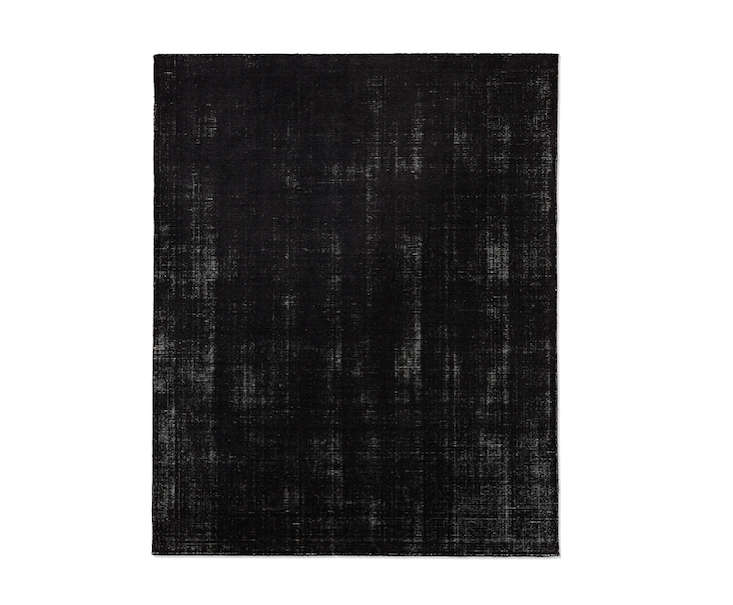

A distressed wool rug is what happens when timeless style and practical comfort decide to become roommates. It has the softness and substance people love in wool, but with a faded, weathered, lived-in look that says, “Yes, I have impeccable taste,” without sounding like a show-off. In other words, it brings character to a room without demanding a velvet rope and a museum plaque.
Designers and homeowners keep coming back to this look for a reason. A distressed wool rug can soften a modern space, calm down a busy room, and make brand-new furniture feel less like it just escaped from a showroom. It plays well with traditional interiors, but it is equally at home under a sleek sofa, a rustic wood table, or a bed that costs more than anyone should admit out loud. Best of all, it offers that collected-over-time vibe without requiring you to actually inherit something from a mysterious great-aunt with excellent taste.
If you are shopping for one, styling one, or trying to keep one looking good after kids, pets, guests, and gravity have all had their say, this guide will walk you through it. From what makes a distressed wool rug special to how to choose the right size, color, construction, and care routine, here is everything you need to know before rolling one into your home like the main character it is.
What Is a Distressed Wool Rug?
A distressed wool rug is a wool rug designed to look gently aged, softly faded, or artfully worn. The “distressed” part refers to the visual effect: muted colors, softened motifs, washed patterns, abrash-like variation, and subtle irregularity that mimic the charm of old heirloom rugs. The “wool” part is the reason people keep walking barefoot across it for no apparent reason.
Some distressed rugs are hand-knotted or hand-loomed, while others are hand-tufted or power-loomed with a distressed pattern printed or woven into the design. The exact construction changes the price, feel, and lifespan, but the visual goal is similar: create a rug that looks layered, relaxed, and slightly storied, even when it is fresh out of the packaging and still emotionally processing shipping.
Distressed wool rugs usually feature classic medallions, faded florals, old-world borders, geometric motifs, or abstract textures that appear softened by time. Instead of sharp contrast and loud color, you often get dusty blues, warm taupes, muted rust, stone gray, faded gold, ivory, sage, and charcoal. These shades help the rug blend with a wider range of interiors, which is exactly what many buyers want from a large piece that sits in plain sight every day.
Why a Distressed Wool Rug Works So Well
It delivers vintage character without vintage maintenance drama
People love antique rugs, but not everyone loves antique-rug price tags, mystery odors, or a backstory that begins with “This was found in a warehouse and may or may not survive your vacuum.” A distressed wool rug gives you the romance of age with the convenience of a newer piece. It feels collected, not chaotic.
It hides everyday life surprisingly well
One of the smartest things about a distressed pattern is that it is forgiving. The softened motifs and tonal variation can make lint, light dust, minor crumbs, and everyday wear less obvious than they would be on a stark solid rug. That does not mean you should host spaghetti night with reckless abandon, but it does mean the rug is less likely to look offended by normal living.
Wool brings comfort and resilience
Wool has long been a favorite rug fiber because it feels substantial underfoot and holds color beautifully. It is often chosen for its durability, softness, and ability to work in both formal and casual spaces. A good wool rug can make a room feel warmer, quieter, and more finished, almost like it finally put on the right shoes.
It mixes beautifully with different design styles
A distressed wool rug is the social butterfly of home décor. It can anchor a farmhouse living room, add soul to a minimalist apartment, tone down a glamorous bedroom, or bring polish to a modern office. Because the pattern is softened rather than loud, it tends to complement the room instead of hijacking it.
How to Choose the Right Distressed Wool Rug
Start with construction
If you want a more artisanal, long-term piece, hand-knotted rugs are often the premium choice. They usually have more nuanced texture, beautiful variation, and a craftsmanship-first feel. Hand-tufted wool rugs can also be excellent if you want comfort, style, and a friendlier price point. Power-loomed styles may cost less and offer strong pattern consistency, but the feel may differ from a handcrafted wool piece. Think of it like coffee: all of it can work, but some cups definitely have more ceremony.
Pay attention to pile height
Low-pile distressed wool rugs are easier for dining rooms, entryways, and high-traffic areas. Chairs slide more smoothly, doors clear more easily, and crumbs have fewer hiding places. Higher-pile or plush wool rugs feel luxurious in bedrooms and lounges, but they usually ask for a little more patience with vacuuming and upkeep.
Choose a pattern that supports the room
If your furniture is bold, go with a quieter distressed pattern. If your room is simple and neutral, a richer medallion or stronger faded motif can add depth without making things look busy. The sweet spot is balance. Your rug should help the room make sense, not start an argument with every chair.
Get the size right
This is where many rug dreams go to die. A too-small rug can make even a beautiful room look awkward and accidental. In living rooms, a larger rug usually feels more intentional and helps connect the seating area. In dining rooms, the rug should extend beyond the table enough that chairs stay on the rug when pulled out. In bedrooms, the rug should leave enough soft landing space so your morning does not begin with cold-floor betrayal.
As a general style rule, it is often better to go a little bigger than a little smaller. A generously sized distressed wool rug looks grounded and confident. A tiny one floating in the middle of a room looks like it lost a bet.
Use a rug pad
This is not glamorous advice, but it is excellent advice. A rug pad helps reduce slipping, adds cushioning, supports the rug, protects flooring, and can help the rug wear more evenly. It is the quiet supporting actor that absolutely deserves an award.
Best Places to Use a Distressed Wool Rug
Living room
This is the natural habitat of the distressed wool rug. It anchors furniture, softens sound, and adds depth to the room without screaming for attention. Faded medallion and border styles are especially good if you want the room to feel layered and welcoming.
Bedroom
Few things improve the start of a morning like stepping onto wool instead of a cold floor. A distressed wool rug makes a bedroom feel calmer, more finished, and less like a mattress showroom with emotional lighting.
Dining room
A lower-pile distressed wool rug works beautifully here because the pattern helps disguise minor everyday messes while still looking polished. Just make sure the size is generous enough for chair movement, because no one wants a dinner chair performing acrobatics on the rug edge.
Home office
In a workspace, a distressed rug can keep things professional while adding warmth and texture. It also makes video calls look more thoughtful in the background, which is modern adulthood in a nutshell.
Entryway or hallway
If the construction and pile are appropriate for traffic, a distressed wool runner or accent rug can bring instant style to these hardworking zones. The weathered look feels natural here, almost as if the rug understands that people have shoes and opinions.
How to Care for a Distressed Wool Rug
A distressed wool rug may look relaxed, but it still appreciates good treatment. The good news is that the care routine is usually straightforward.
Vacuum regularly, but do it gently
Wool rugs commonly shed at first, especially when new. This is normal. Do not panic. Do not write the rug a strongly worded letter. Regular vacuuming helps manage loose fibers, but aggressive beater bars and overly enthusiastic brushing can be rough on the pile, especially on delicate or handcrafted rugs.
Blot spills immediately
When something spills, blot rather than scrub. Scrubbing can spread the mess and stress the fibers. Use a clean cloth, work quickly, and avoid harsh cleaners unless the product is approved for wool. Think less “crime scene cleanup” and more “gentle rescue mission.”
Rotate the rug
Rotating the rug every few months can help promote more even wear, especially in rooms with strong sunlight or one obvious traffic path. If one corner gets all the action, it should at least get a break now and then.
Protect it from too much direct sun
Distressed rugs are supposed to look faded in a charming way, not in a “half the pattern has emotionally left the building” way. Strong sunlight over time can affect color, so rotation and sensible placement matter.
Schedule occasional professional cleaning
Even the best-cared-for rug benefits from a deeper clean once in a while. If the rug is large, handmade, or especially valuable, professional cleaning is usually the safer route than experimenting with a miracle product from aisle seven.
Common Mistakes to Avoid
- Buying too small: This is the classic rug mistake. Measure first, dream second.
- Ignoring pile height: Thick rugs and dining chairs are not always best friends.
- Skipping the rug pad: Your rug and your floors both notice.
- Confusing distressed with damaged: A faded pattern is intentional; unraveling edges are not.
- Choosing only with your eyes: Touch, construction, room use, and care needs matter just as much as color.
Is a Distressed Wool Rug Worth It?
For many homes, yes. A distressed wool rug offers a rare mix of visual softness, practical comfort, and design flexibility. It can make a room feel curated without being stiff, stylish without being trendy, and cozy without turning the whole space into a cabin fever mood board. It is especially worth considering if you want something timeless, textured, and forgiving enough for real life.
The best one for you depends on budget, room, and lifestyle. If you want an heirloom feel, lean toward hand-knotted construction and classic patterns. If you want a beautiful everyday rug that still feels substantial, a well-made hand-tufted option may be perfect. Either way, a distressed wool rug tends to earn its place quickly because it does not just sit there looking pretty. It helps the entire room relax.
Experiences With a Distressed Wool Rug
Living with a distressed wool rug is a little like living with someone who always looks effortlessly put together. It somehow makes the whole room appear more interesting, even on days when the throw pillows are crooked, the coffee table has three mugs on it, and somebody has left a sock in a place that raises serious questions.
One of the first things people notice is how forgiving the rug can be. In real homes, perfection lasts about six minutes. Then the dog walks in, somebody drops a cracker, sunlight shifts, and the room becomes a place people actually use. That is where a distressed wool rug shines. The faded pattern and tonal variation tend to make normal wear feel less dramatic. Tiny bits of lint are not suddenly center stage. A footprint does not look like a scandal. The rug seems to understand that humans are chaotic creatures and chooses grace over judgment.
There is also a tactile experience people do not talk about enough. Wool has substance. It feels grounded. When you walk across a distressed wool rug, it usually has more body than a flimsy decorative rug that looks nice online and then arrives with all the emotional support of a tortilla. A good wool rug feels like it belongs there. It settles into the room, softens the acoustics, and quietly changes the mood.
Many homeowners also describe a strange but delightful shift in how the room is used after the rug arrives. People gather differently. Kids sprawl on the floor more often. The dog suddenly decides this exact spot is now a full-time position. Guests drift toward the seating area and stay longer. The room feels less like a collection of furniture and more like a destination. That may sound dramatic for a rectangle of woven fiber, but interior life is full of humble objects doing heroic work.
Of course, the experience is not entirely magical. New wool rugs often shed at first, and for some buyers that can be a surprise. You vacuum, and the canister looks like the rug is trying to clone itself. Usually, though, the shedding eases with time and proper care. Another common experience is discovering that a rug pad is not optional if you want the rug to feel secure and cushioned. Once the pad goes underneath, the whole setup feels more expensive, more stable, and far less likely to slide around like it is late for another appointment.
Styling-wise, distressed wool rugs often become the thing that makes people braver. Once the rug is in place, suddenly the room can handle that darker lamp, that antique side table, or that oddly charming art piece you bought on a whim and defended with suspicious confidence. The rug provides visual context. It says, “Yes, this room has layers. No, we are not explaining them.”
And maybe that is the best experience of all. A distressed wool rug does not usually feel trendy in a nervous way. It feels settled. Familiar. Lived-in, but not tired. It gives a room a bit of history, even if your home was built recently and your “vintage collection” is mostly things you bought because the color looked good in natural light. In everyday life, that kind of warmth matters. It is not just decoration. It is atmosphere you can walk on.
Final Thoughts
A distressed wool rug is one of those home pieces that manages to be both stylish and useful, which is honestly rare. It adds softness, character, and a quietly collected feel to a space while still standing up to the realities of daily life. Choose the right size, get the construction that matches your needs, add a rug pad, and treat it with sensible care. Do that, and your rug will not just decorate the room. It will help define it.