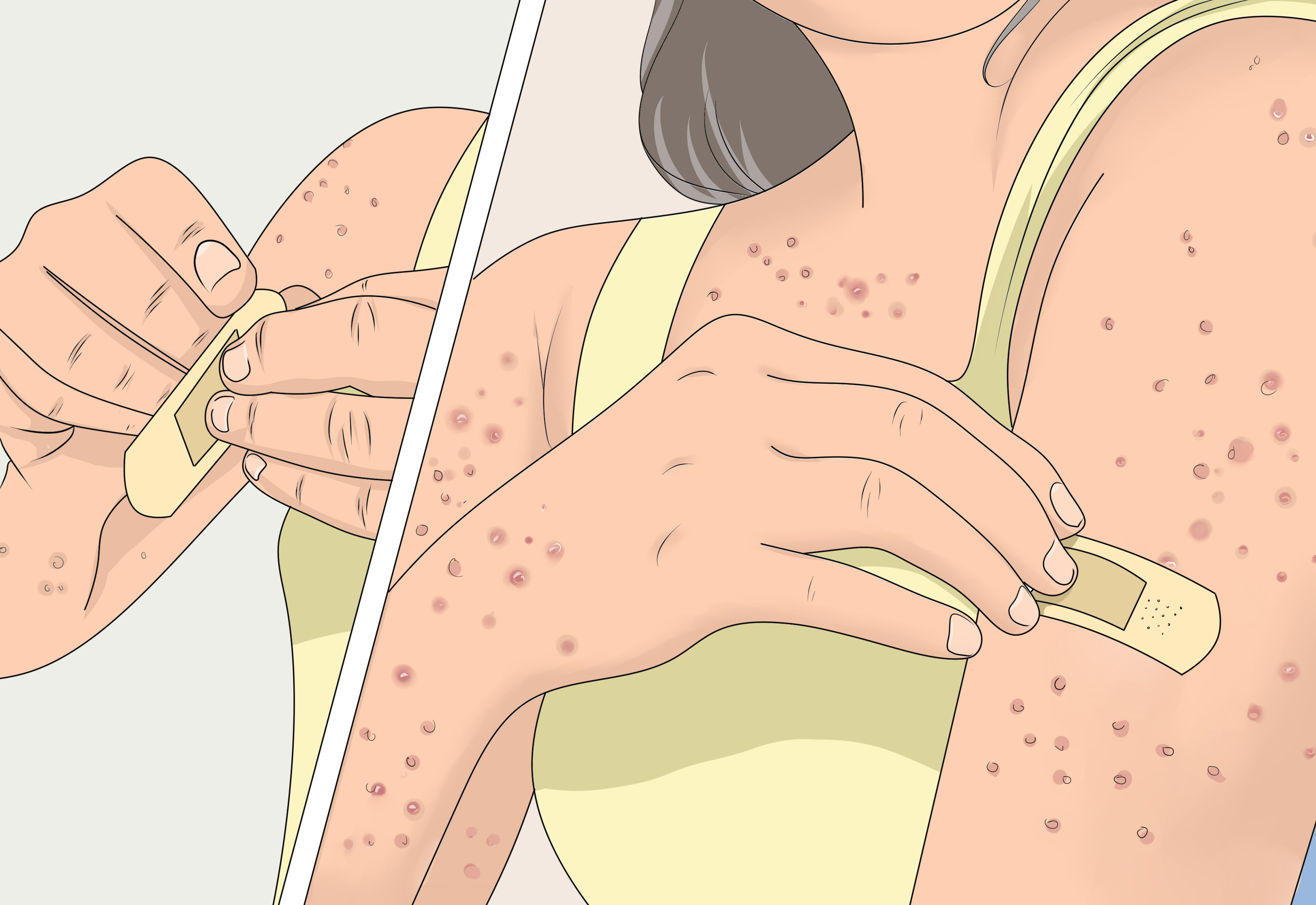

Chicken pox has a way of turning a normal week into a full-body polka-dot situation. One day everything is fine; the next, you or your child looks like you lost an argument with a tiny red marker. The good news? Most chicken pox spots do not have to become permanent scars. With gentle skin care, smart itch control, and a heroic commitment to not scratching, the skin usually heals well.
Chicken pox, also called varicella, is caused by the varicella-zoster virus. It often brings fever, tiredness, loss of appetite, and an itchy rash that turns into fluid-filled blisters before crusting over. The scars people worry about usually happen when blisters are scratched, picked, infected, or inflamed enough to damage collagen beneath the skin. That means the goal is simple: protect the blisters while they heal.
This guide explains simple ways to prevent chicken pox scars in 10 practical steps. It is written for readers who want clear, realistic advice without needing a medical dictionary, a dermatology degree, or a magnifying glass to decode the instructions.
Why Chicken Pox Can Leave Scars
Chicken pox blisters are fragile. They itch, sting, crust, and sometimes appear in waves. When a blister is scratched open, bacteria can enter the skin. If infection develops, the healing process becomes more intense, and the risk of a mark or pit-like scar increases. Picking at scabs can also interrupt the skin’s natural repair work. Think of a scab as the body’s temporary bandage. Pulling it off early is like removing the roof during a rainstorm.
Some chicken pox scars are flat dark marks that fade gradually. Others may become small depressed scars, especially when inflammation damages collagen. Preventing scars is much easier than treating them later, so the best strategy starts early: control the itch, keep the skin clean, and let scabs fall off on their own.
Simple Ways to Prevent Chicken Pox Scars: 10 Steps
1. Start With the Golden Rule: Do Not Scratch
Yes, this is easier said than done. Chicken pox itch can feel like your skin is throwing a tiny tantrum. But scratching is the number-one habit to avoid because it can break blisters, slow healing, spread germs, and increase the chance of scars.
For children, explain it in simple terms: “Scratching wakes up the spots and makes them stay longer.” For adults, create barriers. Keep hands busy, use cool compresses, wear soft clothing, and treat itching early instead of waiting until it becomes unbearable. The goal is not perfect behavior. The goal is fewer broken blisters.
2. Keep Fingernails Short, Smooth, and Clean
If scratching happens, short nails reduce the damage. Trim nails neatly and file rough edges so they cannot scrape the skin. Wash hands often with soap and water, especially after touching the rash. This is a small step with a big payoff because bacteria under the nails can turn a simple blister into an infected sore.
For young children, soft mittens or socks over the hands at night can help. Nighttime scratching is sneaky. A child may be half-asleep and still working on those spots like they are trying to solve a mystery. Covering the hands can protect the skin during those sleepy hours.
3. Use Cool or Lukewarm Baths to Calm Itching
Hot water can make itching worse, so keep baths cool or lukewarm. A soothing bath with colloidal oatmeal, baking soda, or finely prepared oatmeal can calm irritated skin. Keep the bath gentle and avoid harsh scrubbing. After bathing, pat the skin dry with a soft towel instead of rubbing.
Baths do not spread chicken pox across the body. The rash appears because of the virus, not because water carried spots from one place to another. What matters is being gentle. If the towel action looks like polishing a car, it is too rough.
4. Apply Calamine or Fragrance-Free Anti-Itch Lotion
Calamine lotion can help reduce itching on bothersome spots. A fragrance-free, gentle lotion may also help prevent dryness, which can make itching more intense. Apply products by dabbing or smoothing lightly over the skin. Do not rub aggressively, and do not pile on random creams like the bathroom cabinet is hosting a science fair.
Avoid antibiotic ointments unless a healthcare professional specifically recommends them. Chicken pox is viral, not bacterial, and unnecessary antibiotic creams may irritate the skin or trigger an allergic reaction. Also avoid strong or perfumed products, which can annoy already irritated skin.
5. Dress in Soft, Loose, Breathable Clothing
Clothing matters more than people think. Tight seams, rough fabrics, and scratchy pajamas can rub against blisters and break them open. Choose loose cotton clothing, soft sleepwear, and breathable bedding. Avoid wool or stiff fabrics until the rash heals.
Keeping the body cool also helps. Heat and sweating can make itching worse, which can lead to more scratching. A comfortable room, light blankets, and soft layers can reduce the temptation to claw at the rash like a bear on a tree trunk.
6. Keep the Skin Clean Without Overwashing
Clean skin lowers the risk of bacterial infection. Bathe gently, use mild soap when needed, and rinse well. The trick is balance: enough washing to keep skin clean, not so much that the skin becomes dry and angry.
After bathing, apply a gentle moisturizer if the skin feels dry. Moist skin is usually less itchy than dry skin. If a blister accidentally opens, wash hands and clean the area gently. Watch for signs of infection, such as increasing redness, warmth, swelling, pus, worsening pain, or red streaks around the skin.
7. Manage Fever Safely
Fever can make anyone miserable, and misery makes scratching more likely. Acetaminophen is commonly used for fever relief in chicken pox, but dosage should match age and weight instructions on the label or a clinician’s advice.
Do not give aspirin to children or teenagers with chicken pox because of the risk of Reye’s syndrome, a rare but serious condition. Many medical sources also advise talking with a healthcare provider before using ibuprofen or other nonsteroidal anti-inflammatory drugs during chicken pox because of concerns about skin complications. When in doubt, ask a doctor or pharmacist before giving medication.
8. Ask About Antihistamines for Severe Itching
For intense itching, an oral antihistamine may help some people rest, especially at night. This can be useful because sleep scratching is one of the easiest ways to damage healing blisters. However, antihistamines are not right for everyone, and some can cause drowsiness or other side effects.
For children, ask a pediatrician or pharmacist about the right product and dose. Avoid using topical antihistamine creams unless a healthcare professional recommends them, because some skin-applied products can irritate the rash or be absorbed through broken skin.
9. Let Scabs Fall Off Naturally
Once blisters crust over, the job is not finished. This is the stage when many scars are accidentally created. Scabs can be tempting to pick, especially when they look dry or uneven. Resist the urge. Picking removes the skin’s natural protective covering before the new skin underneath is ready.
If scabs feel dry or tight, use a gentle, fragrance-free moisturizer around the area. Keep clothing soft and avoid friction. Letting scabs fall off naturally gives the skin its best chance to heal smoothly.
10. Know When to Call a Healthcare Provider
Most healthy children recover from chicken pox without special treatment, but medical advice is important in certain situations. Contact a healthcare provider if fever lasts more than four days, fever is high, the person has trouble breathing, seems very drowsy or confused, has a stiff neck, develops infected-looking blisters, or cannot drink enough fluids.
Call promptly if chicken pox affects a newborn, a pregnant person, a teenager, an adult, or someone with a weakened immune system. These groups can have a higher risk of complications and may need antiviral medication or closer monitoring. Early care can reduce problems, including skin infections that may increase scarring.
Extra Skin-Care Tips After Chicken Pox Heals
Protect New Skin From the Sun
After scabs fall off, the new skin may look pink, pale, brown, or slightly shiny. This fresh skin is more sensitive to sunlight. Sun exposure can darken healing marks and make discoloration last longer. Once the skin is fully closed, protect it with clothing, shade, and broad-spectrum sunscreen when appropriate.
Be Patient With Dark Marks
Not every mark is a true scar. Some spots are post-inflammatory color changes, meaning the skin is temporarily darker or lighter after inflammation. These marks often fade slowly over weeks or months. Picking, harsh scrubs, lemon juice, and “miracle” internet remedies can make irritation worse. Gentle care wins.
Talk to a Dermatologist About Older Scars
If chicken pox scars remain after the skin has fully healed, a dermatologist can discuss options such as silicone products, prescription treatments, chemical peels, microneedling, lasers, or procedures for depressed scars. These treatments are not usually used during active chicken pox. The first mission is healing; cosmetic repair comes later if needed.
Common Mistakes That Increase Chicken Pox Scarring
Using Harsh Home Remedies
Toothpaste, lemon juice, baking soda paste, alcohol, hydrogen peroxide, and aggressive scrubs are not scar-prevention shortcuts. They can irritate skin, slow healing, and make itching worse. Chicken pox skin needs calm, not chaos.
Covering Blisters With Heavy Makeup
Makeup can clog, irritate, or introduce bacteria to healing skin. It may also require rubbing to remove, which can disturb scabs. Wait until the skin is fully healed before using makeup over affected areas.
Ignoring Signs of Infection
A blister that becomes increasingly red, swollen, painful, warm, or pus-filled needs medical attention. Infection is one of the biggest reasons chicken pox spots become scars. Treating infection early can protect both health and appearance.
Can the Chicken Pox Vaccine Help Prevent Scars?
Yes, indirectly. The varicella vaccine helps prevent chicken pox. When vaccinated people do get breakthrough chicken pox, it is often milder, with fewer spots and faster recovery. Fewer blisters generally means fewer chances for scratching, infection, and scarring. Children usually receive two doses, and older children, teens, and adults who are not immune may also need vaccination. A healthcare provider can advise based on age, health status, pregnancy status, and vaccine history.
of Practical Experience: What Scar Prevention Looks Like in Real Life
In real life, preventing chicken pox scars is less about one magical product and more about building a calm, boring, repeatable routine. Boring is good here. Boring means the skin gets to heal without drama. A helpful day might look like this: a lukewarm oatmeal bath in the morning, soft clothes afterward, calamine on the itchiest spots, nails checked, hands washed, plenty of fluids, and a quiet activity that keeps fingers busy.
For children, distraction is not a bonus; it is a strategy. A child told “do not scratch” every five minutes may scratch more because now they are thinking about the itch. Instead, give the hands something else to do. Building blocks, coloring, soft toys, audiobooks, puzzles, or a favorite movie can help. The goal is to reduce idle scratching. For older kids, explain that every scab is like a tiny repair crew. If they pick it, the crew has to start over. Kids understand construction delays surprisingly well when their own skin is the job site.
Nighttime is often the hardest. The room should stay comfortably cool, pajamas should be soft, and nails should be trimmed before bed. If a doctor approves an oral antihistamine, bedtime may be the most useful time because it can reduce itch and help sleep. For younger children, socks over hands may look silly, but silly is better than scars. Call them “superhero healing gloves” if necessary. Branding matters.
Adults with chicken pox often face a different challenge: embarrassment and impatience. They may want to cover spots, speed up healing, or return to normal life too soon. But adult skin still follows the same biology. Blisters need time. Scabs need peace. The best approach is to keep the skin clean, use soothing products, avoid heavy cosmetics, and stay home until all blisters have crusted over. It is not glamorous, but neither is explaining why you put concealer over a blister and made it angrier.
Another useful experience-based tip is to create a “chicken pox station.” Keep clean towels, mild soap, calamine lotion, moisturizer, thermometer, acetaminophen, tissues, water, and comfortable clothes in one place. When everything is easy to find, caregivers are less likely to improvise with questionable products. Improvisation is great for jazz, not irritated skin.
Food and hydration also matter. Mouth sores can make eating uncomfortable, so soft, cool foods may be easier. Popsicles, smoothies, yogurt, applesauce, soup that is not too hot, and plenty of water can help keep energy up. Avoid spicy, salty, or acidic foods if mouth spots sting. A hydrated body supports healing, and a comfortable person scratches less.
Finally, remember that perfection is not required. Someone may scratch once. A scab may fall off early. A spot may look darker for a while. Do not panic. Return to gentle care and watch for infection. Most chicken pox marks improve with time. The best scar-prevention routine is consistent, calm, and kind to the skin.
Conclusion
Preventing chicken pox scars comes down to protecting the skin while the rash runs its course. Do not scratch, keep nails short, use cool baths, apply gentle anti-itch products, wear soft clothing, keep the skin clean, manage fever safely, ask about antihistamines when itching is severe, let scabs fall naturally, and call a healthcare provider when symptoms look concerning.
Chicken pox may be itchy, inconvenient, and deeply committed to ruining everyone’s schedule, but scarring is not inevitable. With smart care and a little patience, most skin can heal without lasting reminders of the great polka-dot week.
Note: This article is for general educational purposes and should not replace medical advice. For babies, pregnant people, teens, adults, immunocompromised individuals, severe symptoms, or signs of infection, contact a healthcare professional.