
Your skin may live on the outside, but much of its maintenance work begins in the kitchen. Moisturizers can soften the surface, serums can target specific concerns, and sunscreen remains nonnegotiable. Still, skin also needs a steady internal supply of protein, healthy fats, vitamins, minerals, antioxidants, and fluids.
That does not mean one heroic avocado will erase every fine line by Tuesday. Skin health reflects genetics, age, hormones, sun exposure, sleep, stress, medical conditions, and daily skin care. Food is one member of the support crewnot a magician in a kale cape.
The best foods for healthy, supple skin are generally nutrient-dense foods that support the skin barrier, collagen production, normal healing, hydration, and protection from oxidative stress. Rather than chasing a single “beauty food,” build a varied eating pattern around colorful produce, quality protein, seafood, nuts, seeds, legumes, whole grains, and healthy oils.
How Food Supports Healthy Skin
Skin is the body’s largest organ and serves as a flexible barrier against germs, irritating substances, temperature changes, moisture loss, and environmental exposure. Its structure contains water, proteins, fats, minerals, blood vessels, connective tissue, and continuously renewing cells.
Because skin cells are constantly being replaced, the body needs reliable raw materials. Protein supplies amino acids for structural tissues. Vitamin C helps the body make collagen. Essential fats contribute to healthy cell membranes and barrier function. Antioxidant compounds help manage oxidative stress, while fluids support normal circulation and hydration throughout the body.
A balanced diet rich in fruits, vegetables, whole grains, lean proteins, and beneficial fats is more useful than obsessing over a single vitamin. Major health organizations similarly emphasize healthy dietary patterns rather than isolated “miracle” nutrients.
1. Fatty Fish for Omega-3 Fats and Protein
Salmon, sardines, trout, herring, and Atlantic mackerel are excellent choices for a skin-supportive meal. They provide complete protein and long-chain omega-3 fatty acids, along with nutrients such as selenium, vitamin B12, and, in some species, vitamin D.
Omega-3 fats participate in normal inflammatory processes and may help support people who struggle with dryness or irritation. The American Academy of Dermatology identifies seafood, nuts, and seeds as dietary sources of omega-3 fats and notes their potential role in relieving inflammation and dryness.
Easy ways to eat more fish
Add canned salmon to a whole-grain wrap, toss sardines into tomato pasta, or serve roasted trout with broccoli and brown rice. Choose a variety of lower-mercury seafood, especially during pregnancy or breastfeeding, using current FDA fish guidance.
2. Avocados for Unsaturated Fat and Vitamin E
Avocados deliver monounsaturated fat, fiber, carotenoids, and vitamin E. Healthy dietary fats help the body absorb fat-soluble compounds from vegetables, so adding avocado to a salad does more than make lunch photogenic.
One small study reported improvements in facial skin elasticity and firmness among healthy women who ate an avocado daily for eight weeks. That does not prove avocados are edible face-lifts, but it provides an interesting example of how whole foods may influence measurable skin characteristics.
Try mashed avocado on whole-grain toast, sliced avocado in a bean bowl, or a simple dip with lime, tomatoes, and cilantro. Portion still matters; nutritious foods do not become calorie-free simply because they look good beside microgreens.
3. Citrus Fruits, Berries, Kiwi, and Bell Peppers
Vitamin C is essential for collagen production. Collagen gives connective tissue structure and helps maintain the skin’s strength and resilience. Vitamin C also acts as an antioxidant and supports normal wound healing.
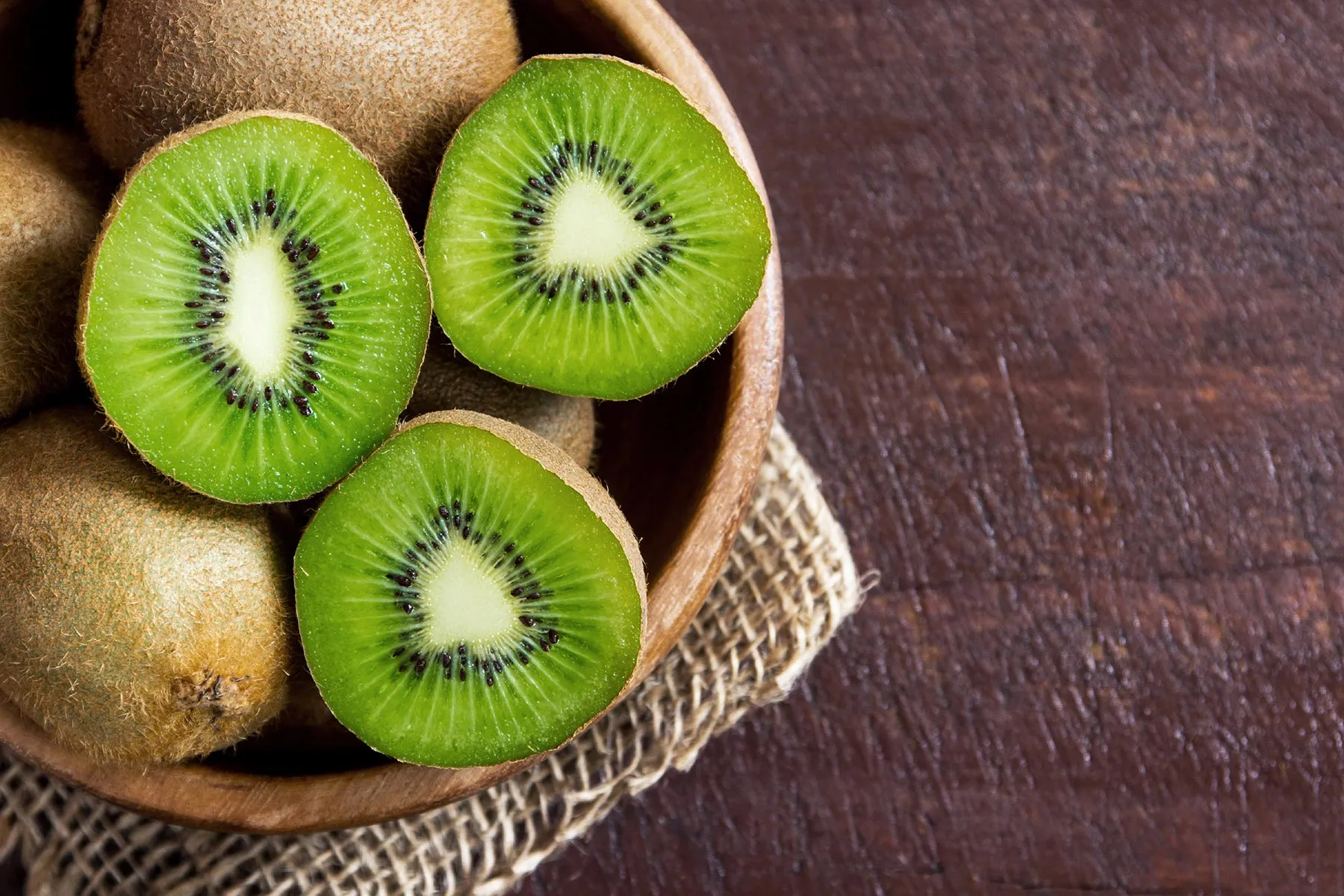
Oranges deserve their reputation, but they do not own the vitamin C business. Red bell peppers, kiwi, strawberries, grapefruit, broccoli, Brussels sprouts, tomatoes, and cantaloupe are also useful sources. Fruits and vegetables are generally the best way to obtain vitamin C because they package it with water, fiber, and additional plant compounds.
A practical vitamin C combination
Top plain yogurt or oatmeal with strawberries and kiwi at breakfast. At lunch, add sliced red bell pepper to a chickpea salad. Dinner could include roasted broccoli with lemon. No fluorescent powder or complicated “beauty tonic” is required.
4. Tomatoes and Other Lycopene-Rich Foods
Tomatoes contain lycopene, a carotenoid responsible for much of their red color. Carotenoids are antioxidant plant pigments found in tomatoes, carrots, leafy greens, squash, watermelon, and other colorful produce. Research continues to examine how carotenoids may support skin appearance, hydration, elasticity, and responses to environmental stress.
Cooked tomato products can be especially convenient. Tomato sauce, paste, and soup provide concentrated tomato compounds, and adding olive oil helps with the absorption of fat-soluble carotenoids. Keep expectations realistic: eating marinara does not replace broad-spectrum sunscreen. Your spaghetti is talented, but it did not attend dermatology school.
5. Sweet Potatoes, Carrots, and Winter Squash
Orange and yellow vegetables are rich in beta-carotene, which the body can convert into vitamin A. Vitamin A supports normal cell growth, immune function, and the maintenance of healthy tissues, including skin.
Sweet potatoes, carrots, pumpkin, butternut squash, spinach, broccoli, cantaloupe, and apricots provide provitamin A carotenoids. Eggs, dairy products, fish, and liver contain preformed vitamin A, although liver is so concentrated that it should not be treated like an unlimited snack food.
For a simple meal, roast sweet potato wedges with olive oil and serve them with black beans, cabbage slaw, and a spoonful of plain Greek yogurt.
6. Nuts and Seeds for Vitamin E, Zinc, and Beneficial Fats
Almonds, walnuts, sunflower seeds, chia seeds, pumpkin seeds, and ground flaxseed offer a compact mixture of nutrients. Depending on the variety, they provide vitamin E, zinc, selenium, protein, fiber, and unsaturated fats.
Vitamin E functions as an antioxidant. Almonds and sunflower seeds are among its strongest familiar food sources, while spinach, broccoli, peanuts, hazelnuts, and certain plant oils contribute additional amounts.
Zinc supports normal immune activity, protein synthesis, and wound healing. Oysters are exceptionally rich in zinc, but meat, fish, eggs, dairy products, beans, nuts, whole grains, and fortified cereals also contribute.
Use nuts and seeds as toppings rather than eating directly from a family-size container while answering email. Sprinkle pumpkin seeds over soup, stir chia seeds into overnight oats, or add walnuts to a berry salad.
7. Eggs, Yogurt, Beans, Tofu, and Other Protein Foods
Skin contains structural proteins, and the body requires amino acids to build and repair tissues. A low-quality or severely restrictive diet may make it harder to obtain enough protein and essential micronutrients.
Useful protein sources include eggs, fish, poultry, Greek yogurt, cottage cheese, beans, lentils, tofu, tempeh, edamame, nuts, seeds, and lean meats. Animal proteins tend to contain all essential amino acids in useful proportions. People eating plant-based diets can meet their needs by consuming a varied selection of legumes, soy foods, whole grains, nuts, and seeds.
Build meals around protein
Instead of treating protein as an afterthought, include a source at each meal. Try eggs with spinach at breakfast, lentil soup at lunch, and tofu or salmon at dinner. This approach is more practical than remembering at 9:47 p.m. that coffee was not technically lunch.
8. Leafy Greens and Cruciferous Vegetables
Spinach, kale, collard greens, broccoli, cabbage, and Brussels sprouts supply vitamin C, carotenoids, folate, fiber, and many plant compounds. They contribute to a nutrient-dense eating pattern without requiring you to drink a swamp-colored smoothie unless that is genuinely your thing.
Dark leafy vegetables also provide some vitamin E, while their carotenoids add to the variety of antioxidants obtained from food. Variety is important because different plant pigments and phytochemicals perform different roles in the body.
9. Water-Rich Fruits and Vegetables
Water supports circulation, temperature control, digestion, and normal cellular function. Drinking extra water will not permanently erase wrinkles, but dehydration can make a person feel tired and may leave the mouth and skin feeling dry.
Your fluid intake does not have to come exclusively from a giant bottle that follows you around like an emotional-support accessory. Cucumbers, tomatoes, zucchini, watermelon, strawberries, oranges, celery, and lettuce all provide substantial amounts of water. UCLA Health notes that food commonly supplies about 20% of daily water intake, with raw fruits and vegetables among the most hydrating choices.
Individual fluid needs vary with body size, activity, weather, pregnancy, medications, and medical conditions. People with kidney disease, heart failure, or other conditions requiring fluid management should follow their clinician’s advice.
10. Whole Grains and Legumes for a Steadier Eating Pattern
Oats, quinoa, brown rice, barley, whole-grain bread, beans, chickpeas, and lentils supply fiber, minerals, plant protein, and slowly digested carbohydrates. They help replace refined foods that provide plenty of calories but relatively few useful nutrients.
For some people with acne, a lower-glycemic eating pattern may be helpful. Research reviewed by the American Academy of Dermatology suggests that diets producing smaller blood-sugar spikes may reduce breakouts in certain individuals, although diet alone cannot clear every case of acne. Milk appears associated with acne in some studies, but the relationship varies and does not justify automatically eliminating all dairy foods.
Anyone dealing with persistent, painful, scarring, or sudden acne should see a dermatologist rather than conducting an endless series of refrigerator investigations.
Foods and Habits That May Work Against Your Skin Goals
Frequently eating highly refined carbohydrates
Sugary drinks, candy, pastries, and refined snack foods can displace nutrient-dense options. High-glycemic patterns may also aggravate acne in susceptible people. You do not need to fear birthday cake; simply avoid making every day the cake’s birthday.
Excessive alcohol
Alcohol may interfere with sleep, worsen dehydration, contribute calories without many nutrients, and trigger flushing or symptoms in some people with rosacea. Moderationor avoidanceis sensible.
Severely restrictive diets
Eliminating multiple food groups without medical guidance can reduce protein, essential fatty acid, iron, zinc, vitamin, and calorie intake. Skin, hair, and nails may be among the places nutritional inadequacy becomes visible.
Relying on supplements instead of food
Collagen, biotin, antioxidant capsules, and “skin detox” powders are heavily marketed, but supplement quality and supporting evidence vary. The American Academy of Dermatology warns that benefits from popular skin supplements can be inconsistent and recommends discussing supplements with a physician, particularly when someone takes medication or has a medical condition.
Some collagen studies report improvements in hydration or elasticity, but products, doses, study quality, and funding sources vary. A supplement should not replace adequate food, sun protection, sleep, or professional care.
A Simple One-Day Menu for Supple Skin
Breakfast
Plain Greek yogurt or fortified soy yogurt topped with strawberries, kiwi, walnuts, and oats.
Lunch
A bowl containing quinoa, chickpeas, spinach, roasted red peppers, tomatoes, avocado, pumpkin seeds, and an olive-oil lemon dressing.
Snack
An orange with a small handful of almonds, or sliced bell pepper with hummus.
Dinner
Baked salmon or tofu, roasted sweet potato, steamed broccoli, and a cucumber-tomato salad.
Dessert
Berries with a square of dark chocolate. This is dessert, not a dermatologic prescription, so enjoy it for the correct reason: it tastes good.
A Four-Week Food-First Skin Experience
Consider a realistic four-week experiment rather than expecting overnight transformation. This is not a crash diet or a promise of flawless skin. It is a structured way to observe how consistent eating habits affect comfort, energy, digestion, and the general appearance of the skin.
During the first week, the main job is addition rather than restriction. Add one colorful fruit to breakfast, one vegetable to lunch, and a reliable protein source to dinner. A typical day might begin with oatmeal, strawberries, and walnuts; continue with a turkey-and-avocado sandwich plus carrots; and finish with salmon, brown rice, and broccoli. Keep normal skin care unchanged so that every variable is not moving at once.
Most people should not expect visible changes after three salads. Early benefits are more likely to be practical: meals feel more satisfying, afternoon energy may become steadier, and hydration improves because fruits, vegetables, soups, and water replace some salty packaged snacks and sweet drinks.
In week two, focus on healthy fats. Add olive oil to vegetables, chia seeds to yogurt, avocado to a grain bowl, or fatty fish to two meals. Someone accustomed to very low-fat meals may notice that food tastes better and hunger stays away longer. Skin that feels tight or dry still needs an appropriate moisturizer, but a more balanced diet ensures the body is not being asked to build cell membranes from crackers and optimism.
Week three is the time to examine patterns. Notice whether breakouts regularly follow particular foods, poor sleep, menstrual changes, stressful deadlines, or skipped meals. A brief diary can be useful, but avoid blaming every pimple on the last thing eaten. Acne lesions begin developing before they become visible, so instant cause-and-effect assumptions are often misleading.
During the fourth week, refine the routine. Prepare two proteins, a whole grain, washed fruit, and chopped vegetables in advance. This makes a skin-supportive meal easier than ordering something simply because hunger has become an emergency. A container of cooked lentils, roasted sweet potatoes, spinach, boiled eggs, and lemon dressing can produce several different meals without turning Sunday into a catering operation.
At the end of the month, the most valuable result may not be a dramatic before-and-after photograph. It may be a repeatable system: berries are now a regular breakfast food, water is easier to remember, fish appears weekly, and lunch contains something greener than the logo on the delivery bag.
Some people may notice improved softness, less dullness, or more even-looking skin. Others may see little visible change but experience better energy and dietary quality. Both outcomes are useful. Skin renews gradually, and its appearance is influenced by far more than food. Consistency over several months matters more than a perfect menu followed for six enthusiastic days.
Conclusion
The best foods for healthy, supple skin are not rare, expensive, or harvested under a full moon. They are familiar whole foods: fatty fish, avocado, nuts, seeds, beans, eggs, yogurt, colorful fruits, leafy greens, tomatoes, sweet potatoes, whole grains, and water-rich produce.
Use food to support your skin, not to punish yourself for having pores. Build balanced meals, vary your produce, include enough protein, choose healthy fats, drink according to your needs, and limit habits that crowd nutritious foods off the plate.
Food works best as part of a broader skin-health routine that includes broad-spectrum sunscreen, gentle cleansing, moisturizer, adequate sleep, stress management, and medical treatment when needed. A dermatologist or registered dietitian can help when symptoms are persistent, severe, or linked to allergies, deficiencies, digestive problems, or restrictive eating.