
Learning to ride a horse at the walk, trot, and canter is a little like learning to dance with a partner who weighs 1,000 pounds, has opinions, and may or may not care about your “main character moment.” The good news? With balance, clear cues, patience, and a sense of humor, these three basic horse gaits become less mysterious and a lot more fun.
Before You Ride: Safety, Balance, and the Right Mindset
Before you think about cantering gracefully across an arena like you are starring in a horse movie, start with the basics. Wear an ASTM/SEI-approved riding helmet, boots with a defined heel, long pants, and gloves if your hands need help keeping a steady grip. A helmet is not a fashion accessory; it is your brain’s tiny bodyguard. Boots help keep your foot from sliding too far through the stirrup, and long pants protect your legs from saddle rubs.
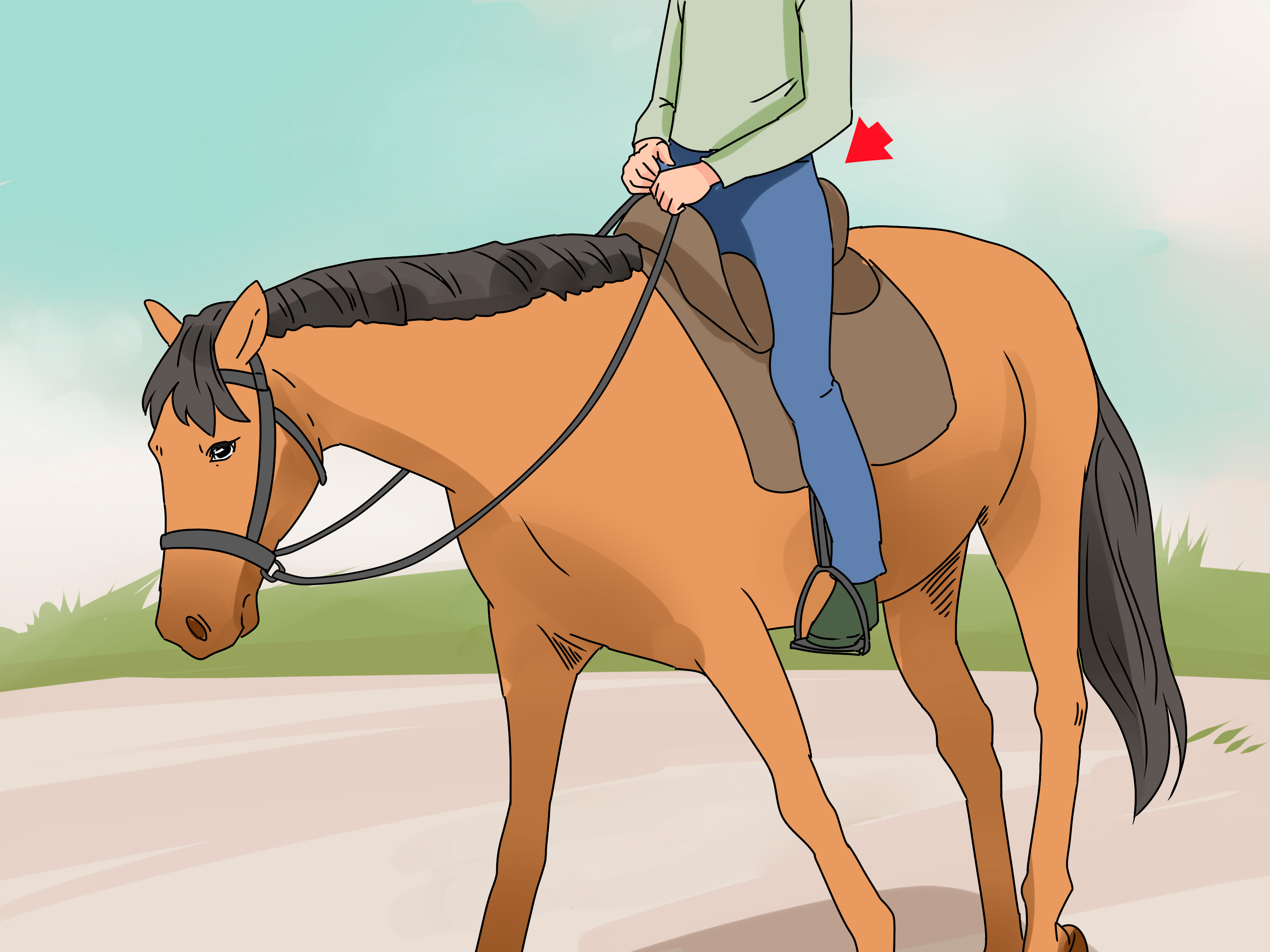
Good riding begins with a balanced position. Sit tall, keep your shoulders relaxed, look where you want to go, and let your hips follow the horse’s movement. Your ear, shoulder, hip, and heel should form a fairly straight vertical line. Avoid gripping with your knees like you are trying to hold on to the last slice of pizza. Gripping makes your body stiff, and stiffness makes it harder for the horse to move freely.
Horses respond to four main riding aids: seat, legs, hands, and voice. Your seat influences rhythm and balance. Your legs ask the horse to move forward or sideways. Your hands guide, slow, and soften. Your voice can reinforce simple cues such as “walk,” “trot,” “canter,” and “whoa.” The secret is not shouting louder; horses hear quite well. The secret is being consistent, calm, and fair.
Way 1: Ride the Walk With Rhythm, Relaxation, and Steering
The walk is the slowest of the three basic riding gaits, but do not mistake slow for easy. The walk is where riders learn control, feel, timing, and confidence. If your walk is messy, your trot and canter will usually bring receipts.
What the Walk Feels Like
The walk is a four-beat gait. That means the horse places each foot down separately in a steady rhythm. In the saddle, the walk should feel swinging and relaxed. Your hips move gently with the horse’s back, almost like you are sitting on a very polite rocking chair. Try not to force the motion. Let your lower back and hips follow it naturally.
How to Ask a Horse to Walk
Start from a halt. Sit tall, shorten your reins enough to have light contact, and look ahead. Close both calves gently against the horse’s sides. If the horse does not respond, add a soft cluck or a firmer leg cue. Release the pressure as soon as the horse steps forward. That release teaches the horse, “Yes, that was the answer.”
Keep your hands quiet and low. Your reins should feel like a conversation, not a tug-of-war. Imagine holding two cups of coffee that you do not want to spill. That image usually fixes about half of all beginner hand problems.
How to Improve Your Walk
Practice large circles, straight lines, serpentines, and transitions from walk to halt and halt to walk. These exercises teach your horse to listen and help you develop coordination. If the horse drifts toward the gate, do not panic or pull hard. Use your inside leg to support the body, your outside rein to guide the shoulder, and your eyes to ride the path you want.
A strong walking foundation also helps nervous riders. If you are new, spend more time walking than you think you need. Practice stopping, starting, turning, changing direction, and riding without staring at the horse’s ears. The ears are cute, yes, but they are not a GPS.
Way 2: Ride the Trot Without Bouncing Like Popcorn
The trot is where many riders discover that horses come with suspension. The trot is a two-beat diagonal gait, which means the horse moves opposite front and hind legs together. Because there is a moment of suspension, the trot can feel bouncy. This is normal. Your job is to learn how to move with the bounce instead of being launched by it.
Sitting Trot vs. Posting Trot
There are two common ways to ride the trot: sitting and posting. In the sitting trot, you stay seated and absorb the movement through your hips, thighs, and core. In the posting trot, you rise and sit in rhythm with the horse’s stride. Posting is often easier for beginners because it reduces bounce and helps the horse move forward comfortably.
To post, think “up, down, up, down,” but do not stand straight up in the stirrups. Let the horse’s motion lift you slightly forward and up, then return softly to the saddle. Your hands should stay steady even while your body moves. If your hands bounce with your posting, the horse feels every bump in its mouth. Nobody wants their face used as a metronome.
How to Ask for the Trot
Begin at a balanced walk. Shorten the reins slightly, look ahead, and close both calves with more energy than you used for the walk. Add a cluck if needed. When the horse trots, begin posting or sit softly, depending on your instructor’s guidance and your skill level.
Keep your lower leg under you. A common beginner mistake is letting the leg swing forward, which pushes the rider behind the motion. Another mistake is tipping forward, which can make the horse speed up. Aim for a stable middle: tall body, relaxed elbows, soft hips, and heels gently down.
Finding the Correct Diagonal
When posting the trot in an arena, riders often post on a diagonal. A common phrase is “rise and fall with the leg on the wall.” That means you rise as the horse’s outside front leg moves forward and sit as it comes back. The reason is balance: the correct diagonal helps the horse carry itself better on circles and turns.
To check your diagonal, glance quickly at the outside shoulder. Do not stare down for three laps like you lost a contact lens. If you are on the wrong diagonal, sit for one extra beat and then resume posting.
Exercises for a Better Trot
Practice walk-trot transitions, trot-walk transitions, big circles, and changes of direction. Add ground poles only with supervision and when you are ready. Poles can improve rhythm, straightness, and focus, but they should be spaced correctly and introduced gradually. The best trot is not the fastest trot; it is the most balanced, steady, and adjustable trot.
Way 3: Ride the Canter With Confidence and Control
The canter is often the gait riders dream about. It is smoother than the trot for many people and has a rolling, three-beat rhythm. It can feel magical when done well. It can also feel like your horse found the “turbo” button if you are not prepared. The goal is not speed. The goal is rhythm, balance, and communication.
What the Canter Feels Like
The canter has three beats followed by a moment of suspension. It feels like a forward rolling motion. Your seat should follow the movement instead of driving aggressively. Think of polishing the saddle with your seat, not bouncing or pumping. Your upper body stays tall, your hips stay mobile, and your hands follow the motion of the horse’s neck.
Understanding Canter Leads
At the canter, horses travel on a left or right lead. On a circle or in an arena, the horse should usually canter on the inside lead. For example, traveling left generally calls for the left lead. Correct leads help the horse stay balanced through corners and circles. If the horse is on the wrong lead, quietly return to trot, rebalance, and ask again.
How to Ask for the Canter
Start from a balanced trot or, for more advanced riders, a balanced walk. Sit deeply but not heavily. Keep a steady outside rein, bend the horse slightly to the inside, place your outside leg a little behind the girth, and keep your inside leg near the girth to encourage forward energy. Then ask with your legs and seat. When the horse canters, soften without throwing the reins away.
Beginners should learn the canter with a qualified instructor in a safe, enclosed arena on a suitable horse. A dependable school horse is worth its weight in gold and occasional hay crumbs. Do not rush into cantering before you can steer, stop, and trot with reasonable balance. Confidence grows faster when safety is not treated like an optional extra.
Common Canter Problems and Fixes
If the horse speeds up at the trot instead of cantering, half-halt, rebalance, and ask again more clearly. If you lean forward, the horse may fall onto the forehand and rush. If you pull back while asking forward, the horse gets mixed signals. Your aids should say, “Canter now,” not “Go forward, but also do not go forward, and please read my mind.”
Use short canter sessions at first. Canter a few strides, return to trot, praise the horse, and repeat. This builds strength and understanding without exhausting the horse or overwhelming the rider. Quality beats quantity every time.
How to Connect All Three Gaits Smoothly
Riding walk, trot, and canter well is really about transitions. Transitions are the gear shifts of horseback riding. A smooth transition tells you the horse is listening, balanced, and physically prepared. A rough transition tells you something needs polishing.
Use Half-Halts
A half-halt is a brief rebalancing aid. It is not simply pulling the reins. It combines seat, leg, core, and hand to say, “Pay attention and rebalance.” Before moving from walk to trot or trot to canter, use a half-halt to organize the horse. Before slowing down, use another half-halt so the horse does not collapse into the slower gait.
Ride Forward, Not Fast
Forward means energetic, responsive, and engaged. Fast means the horse is hurrying. At the walk, forward feels like marching. At the trot, it feels springy and regular. At the canter, it feels rolling and uphill rather than flat and frantic.
Keep Your Eyes Up
Your horse tends to follow your focus. Look through your turns, across your circles, and toward your next transition point. Looking down shifts your weight and can make your horse wobble. Besides, the ground has been there all along. It does not need constant supervision.
Beginner Mistakes to Avoid
One common mistake is using the reins for balance. Reins are for communication, not emergency handlebars. If you feel unstable, grab a neck strap or mane with your instructor’s permission rather than balancing on the horse’s mouth.
Another mistake is gripping with the knees. This often causes the lower leg to slide back and the upper body to tip forward. Instead, stretch your leg long, keep weight in your heels, and use your thigh and calf softly. A secure rider is elastic, not rigid.
Finally, do not skip the walk. Many riders want to hurry toward the trot and canter because those gaits feel more exciting. But the walk reveals whether you can steer, stop, bend, breathe, and think at the same time. That is a lot of multitasking, especially when your teammate has hooves.
Practical Training Plan for Walk, Trot, and Canter
For a simple schooling ride, begin with 10 minutes of relaxed walking. Include large circles, changes of direction, and several halt transitions. Then move into trot work with posting trot, sitting a few beats when appropriate, and transitions every few minutes. After the horse is warm and attentive, ask for short canter sets on each lead. Finish with easy trot and a long-rein walk to cool down.
This kind of structure helps both horse and rider. The horse learns what to expect, and the rider gets a repeatable system. Repetition is not boring when it builds skill. It is only boring if you ride around without a purpose, like a confused parade float.
Conclusion: Master the Gaits One Step at a Time
Learning how to ride a horse at the walk, trot, and canter is not about forcing the horse into three speeds. It is about building a partnership. The walk teaches relaxation and control. The trot teaches rhythm and balance. The canter teaches confidence, timing, and trust. Each gait supports the next, and each one deserves patient practice.
Work with a qualified instructor, choose a suitable horse, wear proper safety gear, and celebrate small wins. The first smooth trot transition, the first correct canter lead, and the first ride where you remember to breathe are all milestones. Riding is a sport of details, but it is also a sport of joy. Keep your heels down, your eyes up, your hands kind, and your sense of humor fully saddled.
Rider Experiences: What Walk, Trot, and Canter Really Teach You
The first time many riders learn the walk, they assume it will be simple. After all, the horse is just walking. Then the instructor says, “Make a perfect circle,” and suddenly the horse is drifting toward the rail, the rider is staring at the mane, and the circle looks more like a potato with ambition. This is the beauty of the walk: it exposes everything gently. At the walk, you learn that steering is not just pulling the left rein to go left. You learn to use your eyes, seat, leg, and rein together. You learn that a horse can feel a tiny shift in your body before you even realize you made it.
The trot often teaches humility. A beginner may start with confidence and, three strides later, discover a brand-new relationship with gravity. Posting the trot can feel awkward at first, like trying to stand up from a chair that keeps moving underneath you. But once the rhythm clicks, it feels incredible. Riders often describe that moment as the first time they truly feel connected to the horse’s movement. The trot teaches timing. It teaches you not to fight motion, but to join it. It also teaches that relaxed muscles are stronger than tense ones.
The canter brings a different lesson: trust. That first transition can feel big, even on a calm horse. The rider may worry the horse is going too fast, while the instructor calmly says, “That is barely a canter.” With practice, the rolling rhythm becomes less intimidating and more enjoyable. Riders learn to sit deeper, breathe slower, and follow the horse’s back. They also learn that the canter is easier when the trot before it is organized. A rushed trot usually creates a rushed canter. A balanced trot invites a balanced canter.
One of the best experiences in learning all three gaits is realizing that progress is not always dramatic. Sometimes success is a quieter hand. Sometimes it is a smoother downward transition. Sometimes it is noticing the horse relax because you relaxed first. Horses are honest teachers. They respond to what riders actually do, not what riders meant to do. That honesty can be frustrating, but it is also what makes riding so rewarding.
Many riders eventually discover that the goal is not to look perfect. The goal is to communicate clearly and kindly. The walk, trot, and canter are not just movements; they are conversations. When the conversation improves, the ride feels lighter. The horse becomes more responsive, the rider becomes more confident, and the arena starts to feel less like a test and more like a place where both partners can learn. And yes, there will still be crooked circles, bouncy trots, and canter transitions that arrive with extra enthusiasm. That is part of the adventure. Keep practicing, keep laughing, and remember: every skilled rider once had a first trot that looked suspiciously like laundry in a spin cycle.