
The market and the economy are often talked about like they are the same animal wearing different hats. They are not. The economy is the big, messy machine of jobs, wages, prices, factories, services, debt, taxes, confidence, spending, and productivity. The market is a forward-looking voting booth where investors try to guess what that machine will do next. Sometimes the economy coughs and the stock market throws a party. Sometimes GDP looks respectable and investors behave like someone just saw a raccoon in the pantry.
That is why simple questions about the market and the economy can get complicated fast. Is inflation still a problem? Are interest rates helping or hurting? Why do stocks rise when shoppers complain about grocery bills? Should investors worry more about jobs, earnings, debt, or the Federal Reserve? And, perhaps most importantly, why does every financial headline sound like it was written by a nervous weather reporter standing in front of a hurricane map?
This guide answers six practical questions about the U.S. market and economy in plain English. It blends recent economic data with long-term investing logic, while avoiding the usual alphabet soup that makes finance feel like a secret club with bad coffee.
1. Is the U.S. Economy Growing or Slowing?
The short answer: the economy is still growing, but not in a carefree “everyone gets a parade” kind of way. Recent data shows that real U.S. GDP expanded in early 2026, a sign that the economy continues to produce more goods and services after adjusting for inflation. Growth has been supported by consumer spending, business investment in selected areas, and continued demand for services.
But growth is not the same as comfort. A household can be earning more money and still feel squeezed if rent, insurance, groceries, car repairs, and loan payments rise faster than expected. The same idea applies nationally. The economy can expand while many people feel financially tired. That tension is one of the biggest themes in the market and economy today.
What GDP Tells Us
Gross domestic product, or GDP, is the broadest scorecard for economic output. When GDP rises, the economy is generally producing more. However, GDP is a wide-angle lens. It tells us the size of the whole forest, not whether every tree is healthy. A strong GDP report may hide weakness in certain industries, regions, or income groups.
For example, technology, health care, professional services, and infrastructure-related activity may remain strong while restaurants, travel companies, small retailers, or rate-sensitive businesses struggle. That mixed picture is not a contradiction. It is the economy doing what it usually does: refusing to fit neatly into a tweet.
2. Is Inflation Finally Under Control?
Inflation has cooled from its worst post-pandemic levels, but it has not disappeared. Prices are still rising faster than the Federal Reserve would like, especially in categories affected by energy, services, insurance, housing costs, and wages. The May 2026 CPI report showed inflation still above the Fed’s 2% target, while the PCE price indexthe Fed’s preferred inflation gaugealso remained elevated.
This matters because inflation changes behavior. When people expect prices to keep rising, they may buy sooner, demand higher wages, or become more selective about discretionary purchases. Businesses, meanwhile, may raise prices preemptively to protect margins. Inflation is not just math; it is psychology with a receipt.
Why Inflation Feels Worse Than the Data
Even when inflation slows, prices rarely go back to where they were. Slower inflation means prices are rising more slowly, not that your favorite sandwich suddenly returns to its 2019 price. That is why official inflation improvement can feel underwhelming to consumers. People do not live inside year-over-year percentage charts. They live inside grocery aisles, rent renewals, utility bills, and online shopping carts that somehow turn three items into $147.
Investors watch inflation because it affects interest rates, corporate profits, bond yields, consumer spending, and valuation multiples. When inflation is sticky, markets tend to worry that the Fed will keep rates higher for longer. When inflation cools, investors often expect easier policy, cheaper borrowing, and better conditions for stocks and bonds.
3. What Is the Federal Reserve Doing With Interest Rates?
The Federal Reserve has been trying to balance two jobs: keeping inflation under control and supporting maximum employment. In June 2026, the Fed held its target range for the federal funds rate at 3.50% to 3.75%. That level is much lower than the peak tightening period earlier in the decade, but still high enough to matter for mortgages, business loans, credit cards, auto financing, and bond markets.
Higher rates work like a brake pedal. They make borrowing more expensive, cool speculative activity, and reduce some demand. But they also create side effects. They can slow housing, pressure small businesses, increase government interest costs, and make consumers more cautious. The Fed’s challenge is to press the brake hard enough to tame inflation without sending the whole car into a ditch.
Why the Fed Matters to Stocks
Stocks are valued based on expected future profits. Interest rates affect how much investors are willing to pay for those profits today. When rates are low, future earnings look more attractive because investors have fewer appealing alternatives. When rates are high, bonds and cash-like investments compete harder with stocks.
That is why the same company can look expensive in one rate environment and reasonable in another. A fast-growing technology company might deserve a rich valuation when money is cheap. But when Treasury yields are high, investors may ask tougher questions: Are profits real? Is growth durable? Is this business a rocket ship, or just a PowerPoint presentation wearing sunglasses?
4. Why Can the Stock Market Rise When People Feel Broke?
This is one of the most common and understandable questions about the market and the economy. The answer is that the stock market is not a real-time happiness survey. It is heavily influenced by large companies, future earnings expectations, interest rates, global capital flows, and investor sentiment. It also gives enormous weight to major technology and growth companies.
In 2026, U.S. stock indexes have been supported by optimism around artificial intelligence, corporate earnings, productivity gains, and expectations that inflation may eventually cool enough for friendlier monetary policy. At the same time, consumer sentiment has remained weak by historical standards. That creates a strange picture: Wall Street may be smiling while Main Street checks the price of eggs like it is reading a ransom note.
The Market Looks Forward
The stock market often rises before the economy feels better because investors are trying to price what may happen six to twelve months ahead. If investors believe earnings will grow, inflation will cool, or the Fed will become less restrictive, stocks can rally even while current conditions feel uncomfortable.
But the market can also get ahead of itself. When expectations become too optimistic, disappointment hurts. If profit growth slows, inflation reaccelerates, oil prices jump, or interest rates climb, richly valued stocks can fall quickly. That does not mean the market is irrational all the time. It means the market is emotional, competitive, and occasionally behaves like a caffeinated squirrel.
5. Are Consumers Still Spending?
Yes, consumers are still spending, but the composition of spending matters. Recent retail sales and personal consumption data show that households continue to spend on goods and services. Personal income also increased in May 2026, which helped support consumer activity. But spending strength does not mean every household is financially relaxed.
Many consumers are being more selective. They may trade down from premium brands, delay big-ticket purchases, look for discounts, use credit cards more carefully, or cut back on optional services. Businesses that serve higher-income customers may do well, while companies dependent on lower-income consumers may feel more pressure. This split is important for investors because not all consumer companies face the same economy.
Debt, Credit, and the Consumer Mood
Consumer credit has continued to expand, including revolving credit such as credit cards. That can support spending in the short run, but it also raises questions about financial resilience. If wages keep rising and jobs remain available, consumers can usually manage debt. If hiring slows or interest costs bite harder, spending can weaken.
Consumer sentiment also deserves attention. Surveys have shown that many Americans remain cautious about the economy despite ongoing growth. This gap between “hard data” and “soft data” is not unusual. Hard data tells us what people are doing; soft data tells us how they feel while doing it. Someone can buy a new refrigerator and still complain the whole way home. Both facts are real.
6. What Should Investors Watch Next?
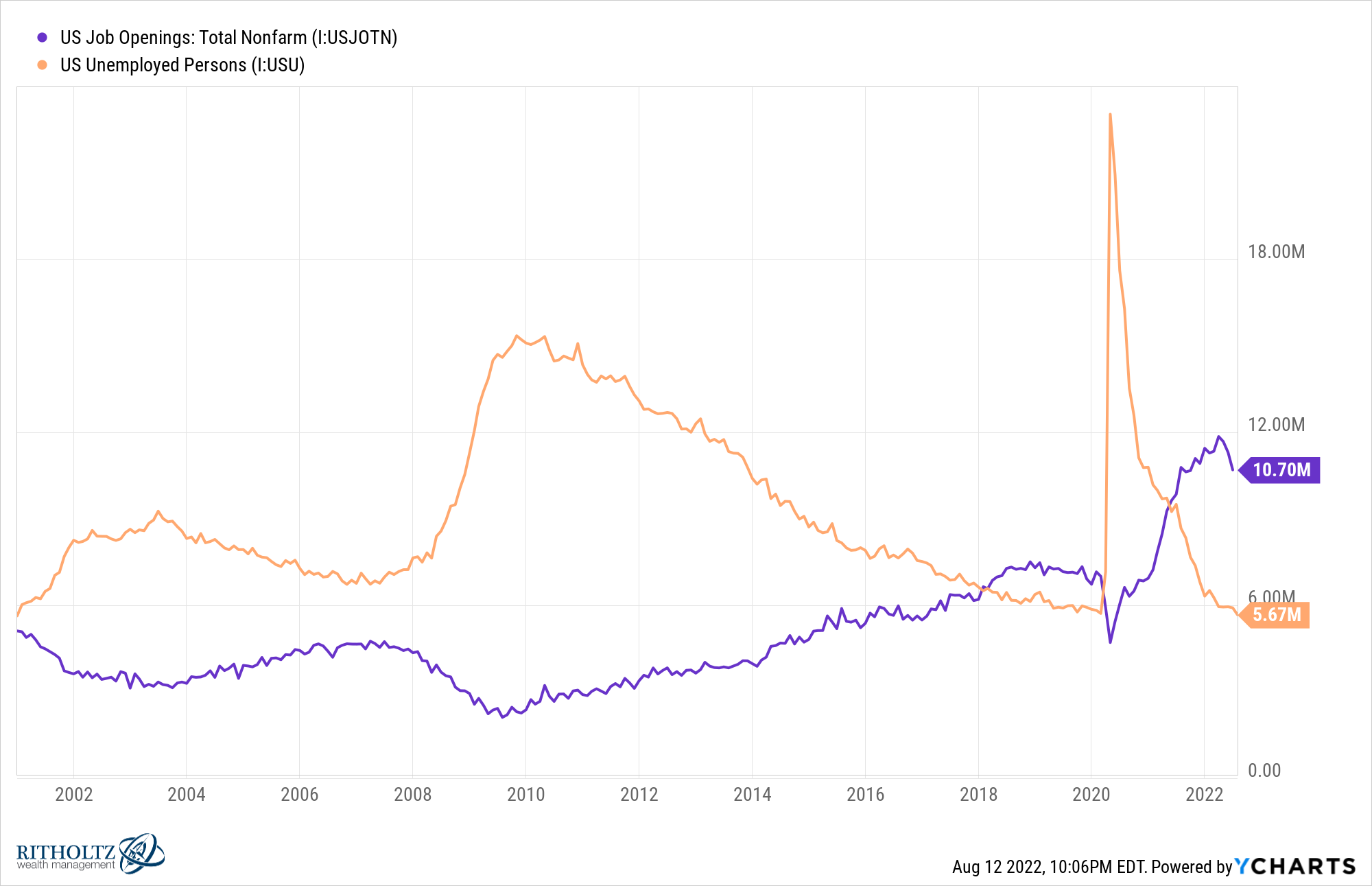
Investors should watch five big signals: inflation, jobs, interest rates, earnings, and consumer strength. No single data point tells the whole story. A strong jobs report may be good for income but bad for rate-cut hopes. A weak inflation report may help bonds and stocks, unless it also suggests demand is falling too quickly. Markets are a puzzle where every piece changes shape right after you pick it up.
Inflation and the Fed
If inflation continues to cool, the Fed may eventually have more room to ease policy. That could support stocks, bonds, housing, and business investment. But if inflation stays sticky, especially in services or energy, rates may remain higher for longer. That would keep pressure on rate-sensitive sectors and highly valued growth stocks.
Labor Market Health
The labor market is another major signal. A moderate slowdown in hiring can be market-friendly if it reduces inflation pressure without causing a recession. But a sharp rise in unemployment would change the conversation quickly. Investors generally prefer a labor market that cools gently, not one that falls down the stairs holding a tray of coffee.
Corporate Earnings
Stock prices ultimately need earnings support. If companies keep growing revenue and protecting margins, markets can handle some economic uncertainty. But if earnings estimates fall, valuations may look stretched. Investors should pay attention not just to headline profits, but to guidance, margins, pricing power, and whether growth is concentrated in a few mega-cap companies or spreading across sectors.
Government Debt and Treasury Yields
Federal deficits and rising interest costs are long-term issues that can influence bond yields. When investors demand higher yields to hold long-term debt, borrowing costs across the economy can rise. Higher Treasury yields can also pressure stock valuations by making bonds more attractive. This does not mean a crisis is guaranteed, but it does mean debt sustainability is not just a political talking point. It is a market variable.
How to Think About the Market Without Losing Your Mind
The best way to understand the market and economy is to avoid treating every headline as a command. Headlines are designed to grab attention. Your financial decisions should be designed to survive attention-grabbing headlines.
For long-term investors, diversification still matters. Owning a mix of assets can help reduce the risk of being overly exposed to one outcome. Stocks may benefit from growth and innovation. Bonds may provide income and stability, though they can struggle when rates rise. Cash can offer flexibility, but too much cash may lose purchasing power if inflation remains high.
For business owners, the key is scenario planning. What happens if rates stay high? What if demand slows? What if input costs rise again? Companies that manage cash flow, protect margins, and understand customer behavior are usually better prepared than those that assume last year’s conditions will continue forever.
For households, the practical approach is boring but powerful: build emergency savings, reduce high-interest debt, review insurance costs, compare prices, and invest consistently when appropriate. Boring financial habits do not trend on social media, but neither does flossing, and dentists remain undefeated.
Real-World Experiences Related to the Market and Economy
One of the most useful experiences in understanding the market and economy is watching how people react differently to the same data. A headline might say retail sales are strong, but a family may feel anything but strong after paying for groceries, gas, rent, and a surprise car repair. This is where economic analysis becomes practical. National numbers describe averages, while personal budgets reveal pressure points.
For example, imagine a small business owner running a local home repair company. On paper, the economy is still expanding. Customers still call. Revenue is not collapsing. But the owner notices that customers are asking for smaller jobs, delaying full remodels, and requesting more quotes before committing. Materials cost more than they did a few years ago, insurance premiums have risen, and borrowing for a new work truck is expensive. The macro data says “growth.” The business owner says, “Growth, sure, but why does it feel like jogging uphill with ankle weights?” Both perspectives are valid.
Now consider a young professional investing through a retirement account. They may see the S&P 500 rising and wonder whether the economy must be booming. But their rent has increased, restaurant prices feel ridiculous, and student loan payments are not exactly sending thank-you cards. The lesson is that market performance and personal financial comfort can move in different directions. Stocks are priced on future corporate profits, not on whether one person’s monthly budget feels cozy.
Another experience comes from older investors who remember past cycles. They know that markets can recover before the news feels good. In recessions and slowdowns, the best buying opportunities often appear when headlines are gloomy. However, they also know that enthusiasm can go too far. When every conversation at dinner turns into a stock tip, caution becomes more valuable. Experience teaches that humility is not optional in markets; it is the entry fee.
Consumers also adapt in subtle ways. A family might keep spending but change where the money goes. Instead of a vacation by plane, they choose a road trip. Instead of replacing furniture, they repair it. Instead of canceling every subscription, they cancel the three they forgot existed. These small choices show up in company earnings, retail sales, and service-sector trends. The economy is built from millions of ordinary decisions that look boring individually and powerful collectively.
The biggest lesson from real-world experience is this: people should not wait for perfect clarity. The economy is never fully clear. There is always a risk, a trend, a surprise, a policy decision, or a market narrative changing the mood. Good financial habits work because they do not require perfect predictions. Spend with awareness, save with discipline, invest with patience, and review assumptions when facts change. That may not sound glamorous, but glamour is overrated. Solvency is prettier.
Conclusion
The market and the economy are connected, but they are not identical twins. The economy tells us how households, companies, and governments are actually functioning. The market tells us what investors expect next. In 2026, the U.S. economy shows resilience, but inflation, interest rates, consumer pressure, government debt, and valuation risks remain central questions.
The smartest approach is not to guess every twist. It is to understand the main forces. Watch inflation because it shapes Fed policy. Watch jobs because they support spending. Watch earnings because they support stocks. Watch yields because they influence almost every asset class. And watch consumer behavior because the U.S. economy still runs heavily on the choices of households.
Financial markets will always have drama. That is part of the package. But with clear questions, better context, and a little patience, the market and economy become less mysterious. Still complicated, yes. But less like a haunted spreadsheet.