
Calling the United States from Mexico should not feel like decoding a secret message from a spy movie. Still, between country codes, exit codes, roaming plans, Wi-Fi calling, WhatsApp, and that one uncle who still insists on answering only his landline, it can get confusing fast. The good news: once you understand the basic format, calling the U.S. from Mexico is simple.
The standard way to call a U.S. number from Mexico is to dial Mexico’s international exit code, the U.S. country code, and the full 10-digit American phone number. In plain English, that usually looks like this: 00 + 1 + area code + phone number. On most mobile phones, you can replace the exit code with the plus sign and dial +1 + area code + phone number. That little plus sign is doing more work than it gets credit for.
This guide explains four easy methods to call the United States from Mexico: direct dialing, using your mobile roaming plan, using Wi-Fi calling, and using internet calling apps. You will also find examples, money-saving tips, troubleshooting advice, and real-world travel experiences that can help you avoid surprise charges, dropped calls, and the classic “why is my phone yelling at me in Spanish?” moment.
Quick Answer: How Do You Call the U.S. from Mexico?
To call a U.S. phone number from Mexico, use this format:
00 + 1 + U.S. area code + 7-digit local number
For example, if the U.S. number is (212) 555-7890, you would dial:
00 1 212 555 7890
From a mobile phone, you can usually dial:
+1 212 555 7890
The 1 is the country code for the United States and the North American Numbering Plan. The area code is the first three digits of the U.S. number, such as 212 for parts of New York City, 305 for Miami, 213 for Los Angeles, or 312 for Chicago. The remaining seven digits complete the phone number.
Before You Call: Know the Parts of a U.S. Phone Number
A standard U.S. phone number has 10 digits: a three-digit area code plus a seven-digit local number. You may see it written as (555) 123-4567, 555-123-4567, or +1 555 123 4567. They all point to the same idea: country code first, then area code, then the rest of the number.
When you are in Mexico, do not dial a U.S. number exactly as you would from inside the United States unless your phone or app automatically formats it. If you dial only seven digits, your call may fail. If you dial only the area code and number without the country code, your phone may not know whether you are trying to call locally, internationally, or accidentally summon a customer-service maze.
Method 1: Direct Dial from a Mexican Landline or Mobile Phone
Best for: Calling a U.S. number without using apps
The classic method is direct international dialing. This works from many Mexican landlines, hotel phones, office phones, and mobile phones. The format is:
00 + 1 + area code + 7-digit number
Here is a practical example. Suppose you are in Mexico City and need to call a hotel in Los Angeles at (310) 555-4499. You would dial:
00 1 310 555 4499
If you are using a smartphone, you can often simplify the format by holding down the zero key until the plus sign appears. Then dial:
+1 310 555 4499
The plus sign tells the phone to use the correct international dialing prefix for the country you are calling from. It is especially useful if you travel often because you can save U.S. contacts in international format, such as +1 310 555 4499, and call them from Mexico, Canada, Europe, or almost anywhere else without rewriting the number every time.
Pros of direct dialing
Direct dialing is simple, familiar, and does not require the person you are calling to install an app. It works well when you need to reach a business, bank, airline, doctor’s office, school, government agency, or landline. It is also useful when the other person has poor internet or refuses to download “one more app,” which is understandable because phones are starting to look like tiny crowded apartments.
Cons of direct dialing
The main downside is cost. International calling rates vary by carrier, phone type, hotel policy, and plan. A Mexican landline, hotel phone, or prepaid SIM may charge per minute. Some hotels add their own fees, and those fees can be spicy enough to deserve their own warning label. Before making a long call, check the rate or use a cheaper method below.
Method 2: Use Your Mobile Roaming Plan
Best for: U.S. travelers in Mexico who want their phone to work normally
If you are visiting Mexico with a U.S. mobile plan, your carrier may already include calling, texting, and data in Mexico. Many modern unlimited plans from major U.S. carriers include Mexico and Canada usage, but the details matter. Some plans include unlimited talk and text, some include a set amount of high-speed data, and some reduce speeds after a daily or monthly limit.
For example, certain AT&T unlimited plans include talk, text, and data in Mexico without extra roaming charges. Verizon says Mexico and Canada roaming is included with all Unlimited plans, while TravelPass may apply for other plans or situations. T-Mobile also offers plans that include talk and text between the U.S., Mexico, and Canada, with international roaming details depending on the plan. Google Fi includes Canada and Mexico benefits on select plans, but plan rules and activation requirements should be checked before travel.
To call the U.S. while roaming in Mexico, the easiest format is usually:
+1 + area code + 7-digit number
For example:
+1 404 555 0198
This method is convenient because you can use your normal phone number, your contacts stay the same, and people in the U.S. can call you back without learning a new Mexican number. It is ideal for business travelers, families, medical appointments, banking calls, and anyone who needs reliable two-way communication.
Money-saving tip
Before crossing the border, open your carrier’s app and confirm your plan’s Mexico benefits. Look specifically for phrases like “Mexico roaming included,” “talk, text, and data in Mexico,” “TravelPass,” “international day pass,” or “pay-per-use rates.” If your plan does not include Mexico, add a travel pass before making calls. Buying the right add-on in advance is much cheaper than discovering pay-per-use rates after a 48-minute call about airport parking.
Method 3: Use Wi-Fi Calling
Best for: Calling with your normal number from hotels, homes, cafés, or offices
Wi-Fi calling lets your phone place regular voice calls over a Wi-Fi network instead of relying only on the cellular network. If your phone and carrier support it, Wi-Fi calling can be a fantastic option in Mexico, especially in buildings with weak mobile signal. You still use your normal phone number, and the call looks like a regular call to the person receiving it.
On an iPhone, Wi-Fi Calling is usually found under Settings > Cellular > Wi-Fi Calling. On Android, the setting may appear under Network & Internet, Connections, or inside the Phone app settings, depending on the device. Because Android menus enjoy playing hide-and-seek, use the search bar in Settings and type “Wi-Fi Calling” if you cannot find it.
When calling the United States from Mexico using Wi-Fi calling, save and dial numbers in international format:
+1 + area code + phone number
Wi-Fi calling can reduce or avoid roaming costs depending on your carrier and plan. However, it is not magic. Some carriers treat Wi-Fi calls to U.S. numbers as domestic calls, while others may apply international rules based on your location, plan, or destination. Always check your carrier’s policy before relying on it for long calls.
Pro tip: use Airplane Mode carefully
Some travelers turn on Airplane Mode, then turn Wi-Fi back on, and then place calls through Wi-Fi calling. This can prevent the phone from accidentally connecting to a roaming cellular network. Before doing this, test it with a short call. Also remember that emergency calling and location accuracy can work differently over Wi-Fi, so do not treat Wi-Fi calling as your only safety plan.
Method 4: Use Internet Calling Apps
Best for: Free or low-cost calls when both people have internet
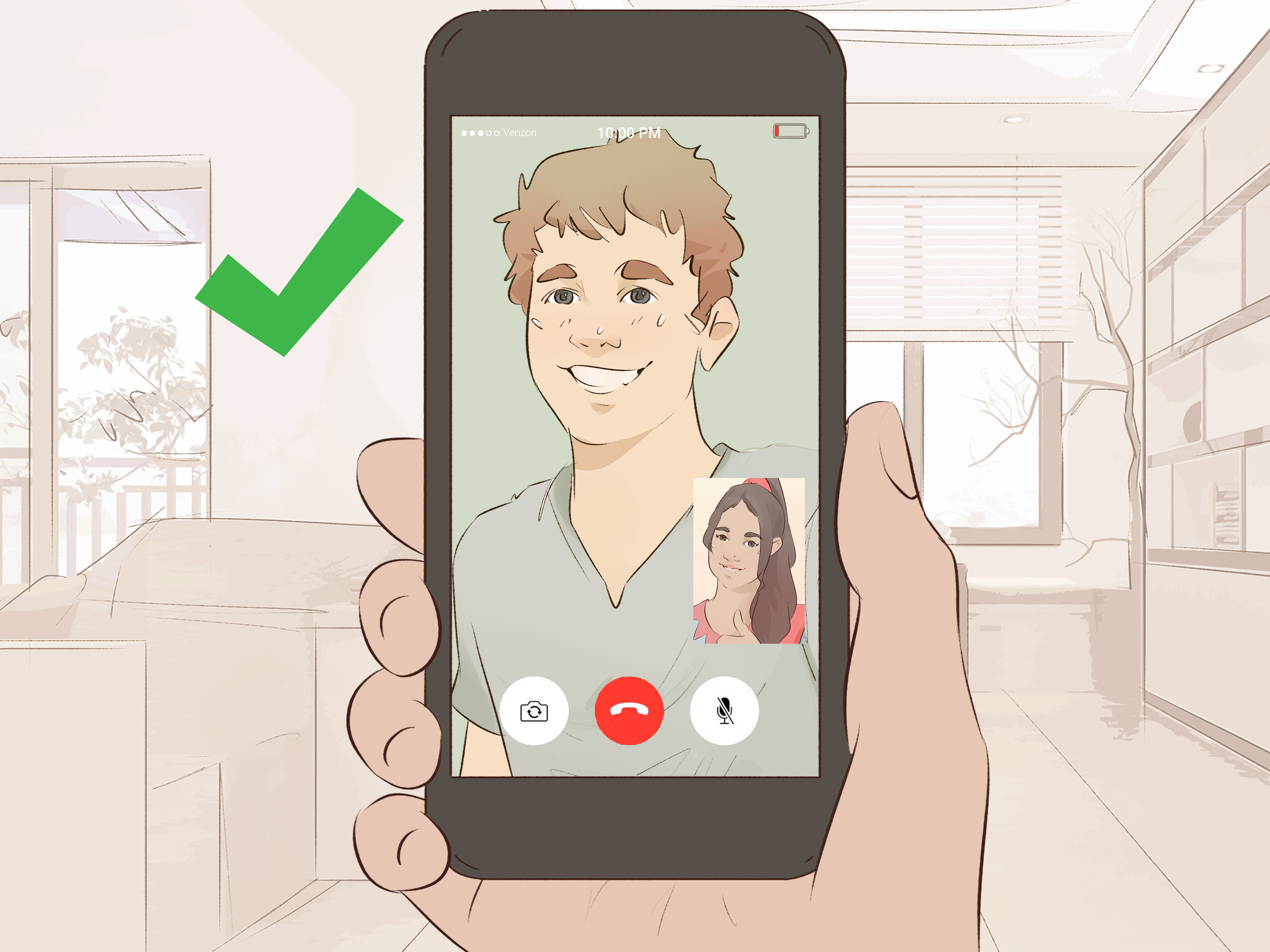
Internet calling apps are often the cheapest way to call the United States from Mexico. Apps such as WhatsApp, FaceTime Audio, Google Voice, Messenger, Zoom, and similar services use Wi-Fi or mobile data instead of traditional voice minutes. If both people use the same app, calls may be free aside from data charges.
WhatsApp is one of the most popular options for Mexico-U.S. communication because it works over Wi-Fi or mobile data and is widely used internationally. To make a WhatsApp voice call, open the chat, tap the phone icon, and start talking. No country code gymnastics required if the contact is saved correctly. It is the closest thing to calling without giving your phone a math quiz.
FaceTime Audio is excellent if both people use Apple devices. It usually sounds clear, works over Wi-Fi, and avoids traditional international calling fees. Google Voice can also be useful, especially for people who want a U.S.-based number or need to call landlines and mobile numbers. Some VoIP services offer paid calls to regular phone numbers, which is helpful when the person you are calling does not use your app.
When app calling is not enough
Internet apps are great for friends, family, and casual business calls, but they may not work for every situation. Banks, airlines, hospitals, government offices, and two-factor authentication systems may require a normal phone call or text. Some toll-free U.S. numbers may also behave differently when dialed from outside the United States. If an app call fails, try direct dialing, Wi-Fi calling, or your carrier’s roaming option.
How to Call U.S. Toll-Free Numbers from Mexico
U.S. toll-free numbers include area codes such as 800, 833, 844, 855, 866, 877, and 888. From inside the United States, these calls are typically free for the caller. From Mexico, however, they may not be free and may not connect the same way.
To try calling a U.S. toll-free number from Mexico, use:
00 + 1 + toll-free area code + 7-digit number
Example:
00 1 800 555 0123
If that does not work, check the company’s website for an international number. Many banks, airlines, credit card companies, and insurance providers publish a separate collect-call or international support number. Save that number before your trip, especially if you may need help with lost cards, flight changes, or account verification.
Common Problems and Quick Fixes
The call will not connect
Check the format first. Use +1 followed by the full 10-digit U.S. number. Make sure you did not drop the area code. Also remove extra zeros, parentheses, or spaces if your phone app is being picky.
The call connects but sounds terrible
Weak signal, crowded Wi-Fi, or slow mobile data can make your call sound like you are speaking through a blender. Move closer to the router, turn off video, switch from mobile data to Wi-Fi, or try a normal cellular call if your plan includes Mexico roaming.
You are worried about charges
Use Wi-Fi and an internet calling app for casual calls. For regular phone calls, check your carrier app before dialing. If your plan charges per minute, keep calls short or buy an international add-on. Your future phone bill will send you a thank-you note.
The U.S. number blocks international calls
Some businesses restrict calls from outside the United States or do not support international access to toll-free numbers. Look for a local, non-toll-free number, a chat support option, or a callback feature. For banks and airlines, the international support number is often the better choice.
Which Method Should You Choose?
Choose direct dialing if you need to call a regular U.S. landline or business and do not want to use an app. Choose mobile roaming if your U.S. carrier includes Mexico and you want your phone to work normally. Choose Wi-Fi calling if you have a strong Wi-Fi connection and want to use your usual number. Choose internet calling apps if you want the cheapest option and both people can use the same app.
For most travelers, the best setup is a combination: save important numbers in +1 format, confirm your carrier’s Mexico policy, enable Wi-Fi calling before you travel, and keep WhatsApp or another calling app ready as a backup. That way, you are not depending on one method like a tourist depending on one pair of flip-flops.
Real-World Experiences: Calling the U.S. from Mexico Without Losing Your Mind
In real travel situations, calling the United States from Mexico is less about memorizing codes and more about choosing the right tool for the moment. Imagine landing in Cancún, turning off airplane mode, and immediately needing to call your hotel shuttle in Texas because your flight connection changed. If your U.S. plan includes Mexico roaming, dialing +1 and the number is usually the fastest solution. You do not want to hunt for Wi-Fi while holding luggage, sweating politely, and pretending the airport signs are “part of the adventure.”
Now picture a different situation: you are staying in a rental apartment in Oaxaca for two weeks and calling family every evening. A traditional international call might work, but it may be unnecessary. If the apartment has reliable Wi-Fi, WhatsApp, FaceTime Audio, or Wi-Fi calling can keep the conversation clear and affordable. This is perfect for long family updates, especially the kind where someone says, “I’ll be quick,” and 52 minutes later you know what every neighbor’s dog has been doing.
Business travelers often need a more dependable setup. If you have client calls, bank calls, or meetings with U.S. offices, save all important contacts in international format before leaving. Instead of saving “212-555-0134,” save “+1 212 555 0134.” This small habit prevents failed calls and makes your contact list travel-friendly. It also helps with apps, callback forms, and messaging platforms that recognize country codes automatically.
One common experience is discovering that toll-free numbers are not always friendly from outside the United States. A traveler may try calling an 800 number from Mexico and get silence, an error message, or a chargeable international call. The better move is to search the company’s “contact us” page for an international number before you need it. This is especially important for credit cards, airlines, health insurance, roadside assistance, and banks. A saved international support number can turn a stressful moment into a manageable one.
Another lesson travelers learn quickly: hotel phones are convenient but not always cheap. If you are tempted to call the U.S. from a hotel-room landline, check the rate first. Some hotels charge connection fees, per-minute fees, or both. A two-minute call might be fine; a long customer-service hold session could cost more than dinner. When in doubt, use your mobile plan, Wi-Fi calling, or an app.
People staying near the border may have a unique experience. In cities such as Tijuana, Mexicali, or Ciudad Juárez, phones may occasionally connect to either a Mexican or U.S. network depending on location and signal strength. This can affect dialing behavior and charges. If you live or work near the border, check which network your phone is using before placing long calls. Manually selecting a network may help, but the exact steps depend on your device and carrier.
The smoothest callers usually prepare before the trip. They turn on Wi-Fi calling while still in the United States, update their carrier plan if needed, save key numbers with +1, install or update WhatsApp, and download airline and bank apps. This preparation takes only a few minutes, but it can save hours of frustration later. Calling the U.S. from Mexico is easy when your phone is set up correctly. When it is not, your phone becomes a very expensive rectangle full of attitude.
Conclusion
Calling the United States from Mexico is straightforward once you know the format and options. For a regular call, dial 00 + 1 + area code + number, or use +1 from a mobile phone. For convenience, use a roaming plan that includes Mexico. For better indoor coverage, try Wi-Fi calling. For low-cost conversations, use internet calling apps. The best method depends on your phone, plan, internet connection, and whether you are calling a person, business, landline, mobile number, or toll-free line.
The smartest approach is to prepare before you need the call. Save U.S. numbers with +1, check your carrier’s Mexico rules, enable Wi-Fi calling, and keep at least one app-based calling option ready. Do that, and calling home from Mexico becomes less of a puzzle and more of a normal part of travelright up there with finding tacos, sunscreen, and the one charging cable everyone suddenly needs.