
Note: This article is an original, web-ready synthesis based on current public knowledge about internet meme culture, Instagram humor pages, social media behavior, and why relatable memes remain one of the internet’s favorite tiny survival tools.
There are two types of people online: those who say they “just opened Instagram for one second,” and those who are honest. Random relatable memes are the reason that one second becomes 27 minutes, three DMs, four screenshots, and a mysterious desire to send your friend a joke about laundry, anxiety, snacks, and being emotionally defeated by an email.
The Instagram page behind this kind of laugh understands a sacred truth of modern life: people do not always need polished inspiration. Sometimes they need a meme that says, “I opened the fridge five times and expected new food to appear.” That is culture. That is literature. That is, frankly, dinner.
Relatable memes work because they turn ordinary frustration into shared comedy. They make everyday nonsense feel less lonely. Work stress, awkward conversations, bad sleep, social burnout, budgeting disasters, overthinking, and the eternal war between “I should be productive” and “one more reel” all become easier to digest when wrapped in a joke. A good meme does not fix your life, but it does make you laugh at the mess for a second. Sometimes that is enough.
Why Random Relatable Memes Are So Addictive
The beauty of random relatable memes is that they do not need a grand theme. One post might roast office life. The next might expose your snack habits. Another might describe the emotional damage of hearing “Can we talk?” without context. The randomness is part of the charm. It mirrors the way our brains actually work: one minute thinking about deadlines, the next wondering why fitted sheets are designed by someone with a grudge.
Instagram meme pages thrive because they offer fast, visual humor. A meme can deliver a whole emotional essay in one picture and ten words. That short format makes it perfect for scrolling, sharing, and saving. It also creates instant recognition. When a meme nails a feeling you thought was weirdly specific, your first reaction is usually not “ha-ha.” It is “who installed cameras in my soul?”
Relatable humor also builds community. People send memes to friends as a low-effort but high-accuracy love language. A simple “this is us” can do the work of a paragraph. In a digital world where everyone is busy, memes have become quick emotional postcards: “I saw this, laughed, and thought of your chaotic little personality.” Beautiful, really.
What Makes a Meme Truly Relatable?
A relatable meme succeeds when it turns a private thought into a public punchline. It is not just funny because it is clever. It is funny because it catches people in the act of being human. The best random memes often focus on small moments we all recognize but rarely say out loud.
1. It exposes everyday contradictions
We want to save money but also believe buying coffee is self-care. We want eight hours of sleep but start deep-cleaning our camera roll at 12:43 a.m. We want peace but read the comments. Memes thrive in that gap between who we think we are and who we become when Wi-Fi is strong.
2. It turns stress into something silly
Adult life has many buttons and most of them say “payment due.” A good meme takes that pressure and shrinks it into a joke small enough to survive. It does not deny stress; it puts a clown wig on it.
3. It uses simple language
The best meme captions sound like something a friend would text you. No lecture. No five-part thesis. Just a direct hit: “Me after doing one task: I deserve a vacation.” That sentence understands modern productivity better than several corporate workshops.
50 Random Relatable Meme Moments That Will Make You Laugh
Instead of copying anyone else’s posts, here are 50 original, meme-style moments inspired by the random and relatable humor people love seeing on Instagram. Consider this a guided tour through the group chat of modern life.
- When your alarm goes off: You suddenly become a philosopher questioning the meaning of employment.
- When you check your bank account: The numbers are doing improv, and you do not support the performance.
- When someone says “quick question”: Your nervous system immediately hires a lawyer.
- When you buy groceries: You spend $90 and somehow only own ingredients, not meals.
- When your phone is at 1%: You start negotiating like it is a hostage situation.
- When plans get canceled: You pretend to be sad while your sweatpants receive the good news.
- When you open the fridge again: Still no new food, but thank you for checking on the cheese.
- When you send a risky text: Suddenly, every passing second has dramatic soundtrack energy.
- When you clean one surface: You are now legally a changed person.
- When someone watches you type: Your fingers forget the alphabet and choose panic.
- When you say “I’ll sleep early tonight”: The lie enters the room wearing pajamas.
- When the Wi-Fi slows down: Civilization feels three minutes from collapse.
- When you remember an embarrassing moment from 2014: Congratulations, your brain found bonus content.
- When you finish a meeting: You need recovery time from pretending to understand the meeting.
- When you see “typing…” for too long: The suspense is no longer appropriate for daytime television.
- When your package says “out for delivery”: You become a homeowner guarding the kingdom.
- When you try to eat healthy: A cookie nearby begins making excellent arguments.
- When you hear your own recorded voice: You file a complaint with biology.
- When you have one unread email: It sits there like a haunted portrait.
- When someone says “be yourself”: Dangerous advice, but thank you.
- When laundry is finally done: Folding it is clearly a separate subscription.
- When you get a compliment: Your brain rejects the file format.
- When you start a new hobby: You buy all the supplies before learning one skill.
- When the weekend arrives: Time suddenly moves like it has somewhere better to be.
- When you make a to-do list: Writing it feels productive enough, honestly.
- When you drink water once: You briefly become a wellness influencer.
- When someone asks what you do for fun: You forget every personality trait you own.
- When you say “I’m fine”: Your face submits a different report.
- When your favorite song comes on: You become the main character at a red light.
- When you sit down after work: Gravity becomes emotionally supportive.
- When you try to relax: Your brain opens 47 background tabs.
- When you find money in a pocket: It feels like winning a tiny government grant.
- When you enter a room and forget why: The side quest has expired.
- When someone says “smile more”: Suddenly, smiling has been removed from the menu.
- When your friend sends a meme at midnight: This is friendship with no business hours.
- When you cook at home: You use every dish in the building to make one sandwich.
- When you see a typo after sending: The message is now a historical document.
- When you try to budget: The calculator starts judging your lifestyle choices.
- When you lie down for five minutes: You wake up in another tax year.
- When someone knocks unexpectedly: You become both invisible and deeply offended.
- When you finally reply to a text: The message is now vintage correspondence.
- When your pet looks at you: You apologize for things you did not do.
- When autocorrect changes a word: Your phone has chosen violence.
- When you say “one episode”: The streaming platform hears “seasonal commitment.”
- When you make eye contact with a stranger twice: Congratulations, you are enemies or married.
- When the printer works: You briefly believe in miracles.
- When you hear “we need to save money”: Your online cart starts sweating.
- When you get into bed: Every forgotten responsibility forms a committee.
- When you finally understand the meme: You are late, but you have arrived.
- When the meme is too accurate: You laugh first and then stare into the middle distance.
Why Instagram Is the Perfect Home for Relatable Memes
Instagram is visual, fast, and built for sharing. That makes it a natural habitat for memes, especially the random relatable kind. A meme page can post jokes about work, dating, pets, groceries, family, school, sleep, and emotional chaos without needing to explain the entire universe every time. The audience already brings the context. They have lived the joke.
The platform also makes humor social. Likes show approval, saves show “I will need this later,” and shares prove the meme has found its destined victim. The comment section often becomes a second comedy show, where people tag friends, confess their own habits, and add punchlines that make the original post even funnier.
Relatable meme pages also benefit from variety. A niche account can be great, but random pages have room to surprise people. One meme may be about introverts avoiding phone calls. The next may be about the emotional courage required to cancel a free trial before it charges your card. This unpredictability keeps users scrolling because the next post could be the one that describes their entire personality with suspicious accuracy.
The Psychology of Laughing at Yourself
There is something oddly healing about being roasted by a meme. Not insulted, exactlymore like gently exposed. When a joke points out your procrastination, your snack logic, or your habit of creating imaginary arguments in the shower, it gives you permission to laugh instead of spiral.
That is why random relatable memes can feel comforting. They remind us that many people are clumsy, tired, over-caffeinated, socially awkward, secretly dramatic, and trying their best. A meme turns private weirdness into group participation. You are not the only person who opens a message, mentally replies, forgets to actually reply, and then accidentally creates a three-week communication mystery. You are part of a tradition.
Of course, memes are not therapy, and they should not replace real rest, support, or problem-solving. But they can be a small pressure valve. A laugh can interrupt a bad mood. A perfectly timed joke can make an annoying day feel less personal. Sometimes, humor is the bridge between “I cannot believe this happened” and “Okay, at least this will make a great meme.”
How Relatable Memes Became a Digital Love Language
Sending a meme is one of the easiest ways to say, “I know you.” It requires almost no effort, yet it can feel surprisingly personal. If your friend sends you a meme about being hungry, dramatic, and unwilling to cook, they are not just sharing content. They are sending a small portrait of your shared reality.
Memes also help people communicate when words feel too formal. Instead of writing, “I am exhausted by adult responsibilities and would like to resign from being perceived,” a person can send a raccoon-looking image with a caption about needing a nap. The message lands. The friendship survives.
This is especially true in group chats. One random relatable meme can revive a quiet chat faster than a serious update. Suddenly, everyone is tagging themselves, arguing about who is “the tired one,” and confessing behavior that should probably remain between them and their Notes app. That is the quiet power of meme culture: it creates instant little rooms of recognition.
Experiences Related to Random Relatable Memes
Anyone who spends time online has probably experienced the strange magic of a meme arriving at exactly the right moment. You might be sitting at your desk, pretending to be a fully functioning professional, when a friend sends a post about answering emails with the emotional strength of a Victorian ghost. Suddenly, the day is not fixed, but it is funnier. You are still busy, still tired, still surrounded by tabs you opened for reasons now lost to history, but at least someone understands.
One of the most relatable meme experiences is the late-night scroll. It usually begins innocently. You tell yourself you will check Instagram for a minute before bed. Then the algorithm serves a meme about insomnia, then one about overthinking, then one about how people who say “just relax” should be studied by science. Before long, you are laughing silently in the dark, trying not to shake the bed, while also realizing the meme about not sleeping is actively causing the not sleeping. The irony is rude, but accurate.
Another common experience is the “I feel attacked” moment. This happens when a meme describes your behavior with such precision that it feels less like comedy and more like surveillance. A joke about saving empty boxes because they “might be useful someday” can reveal more about a person than a personality test. A meme about rehearsing a food order before reaching the counter can unite entire populations of anxious sandwich buyers. These tiny observations make people laugh because they are specific enough to feel personal but broad enough to be shared.
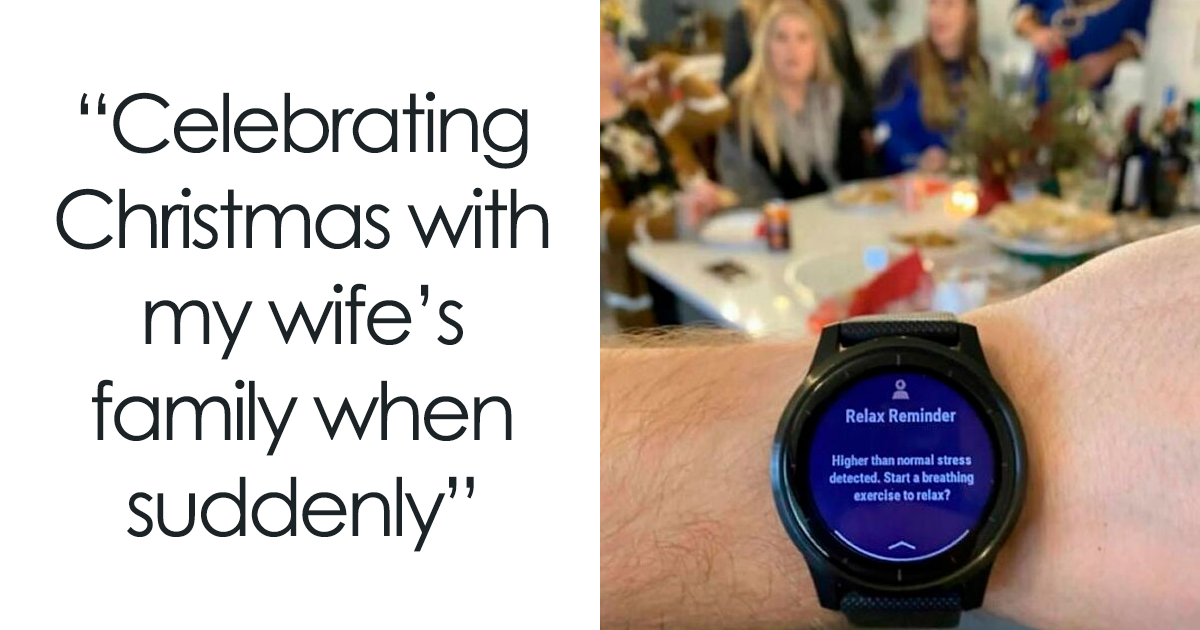
Random relatable memes also show up during stressful seasons. During exams, work deadlines, family holidays, moving days, breakups, budget weeks, or any period involving customer service hold music, memes become emotional snacks. They do not solve the problem, but they make the problem easier to carry. A meme about needing three business days to recover from one social event can validate a tired introvert more efficiently than a motivational quote printed over a sunset.
Then there is the friendship ritual. Some friendships survive almost entirely on meme exchange. No “good morning,” no dramatic updates, just a steady stream of jokes about being tired, hungry, broke, confused, or suspicious of people who enjoy morning workouts. Over time, these memes create a shared archive. You learn what makes someone laugh, what stresses them out, what kind of humor they use to cope, and which joke will make them reply with “why is this literally me?”
The best part is that relatable memes make ordinary life feel worthy of comedy. You do not need a glamorous vacation, a perfect outfit, or a shocking plot twist. Your battle with fitted sheets counts. Your inability to remember why you walked into the kitchen counts. Your dramatic relationship with coffee counts. Random meme pages understand that life is mostly small moments, and small moments are hilarious when someone frames them correctly.
Conclusion: The Internet May Be Chaotic, But At Least It Has Memes
Random relatable memes are more than filler content between serious posts. They are tiny cultural snapshots of how people live, work, worry, procrastinate, snack, socialize, and survive. They make us laugh because they catch the truth wearing sweatpants. They are quick, shareable, and deeply human in their ridiculousness.
The Instagram page that gathers these memes gives people what the internet does best when it behaves itself: a reason to laugh together. Whether the joke is about work emails, canceled plans, social anxiety, pets, food, sleep, or the suspicious math of online shopping, relatable memes remind us that everybody is a little weird. Some of us just have better captions.
So the next time you lose 20 minutes to random memes, do not be too hard on yourself. You were not wasting time. You were participating in modern folklore, strengthening friendships, practicing emotional resilience, and possibly avoiding laundry. Honestly, that sounds productive enough.