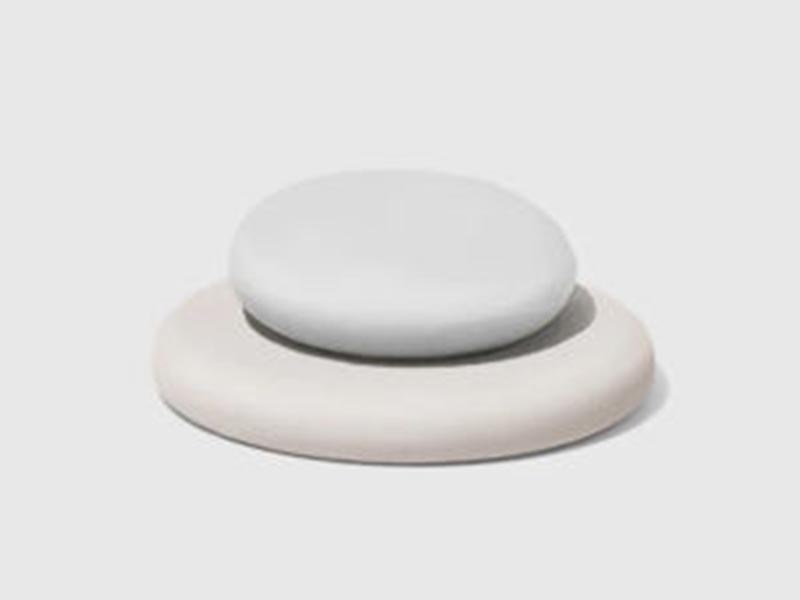

A soap dish is rarely the star of a bathroom. It usually sits quietly beside the faucet, collecting water, soap residue, and absolutely no compliments. The Soil Stone Soap Dish changes that relationship. Made from absorbent diatomaceous earth, this minimalist bathroom accessory is designed to pull moisture away from a bar of soap instead of letting it lounge in a tiny swamp.
Originally offered through the KonMari shop and highlighted by design publications such as Remodelista, the Soil Stone Soap Dish attracted attention for its clean white appearance, natural mineral construction, and almost suspiciously simple design. It has no drainage slots, removable trays, hinges, pumps, or mysterious plastic pieces destined to vanish during cleaning. It is essentially a small stone platform that absorbs waterand sometimes simple is exactly what a crowded sink needs.
This guide examines how the dish works, where its material comes from, how it compares with ceramic and wooden holders, how to maintain it, and whether it deserves a place beside your sink.
What Is the Soil Stone Soap Dish?
The Soil Stone Soap Dish is a compact soap holder made primarily from diatomaceous earth, also called diatomite. Despite the word “soil” in its name, it is not a tray filled with backyard dirt. Your soap will not sprout tomatoes.
Diatomite is a lightweight, finely porous sedimentary material formed from the silica-rich remains of microscopic aquatic organisms called diatoms. When the material is processed and molded, it can resemble a smooth piece of pale stone or matte ceramic. The original Soil dish was available in a minimalist white finish and was promoted as a natural alternative to ordinary plastic or glazed soap holders.
Comparable Soil-branded dishes are commonly produced in circular or square forms measuring approximately four inches across and a little more than half an inch thick. That size accommodates most standard hand, bath, facial, or shampoo bars without occupying half the countertop.
How Diatomaceous Earth Manages Water
A Microscopic Network of Pores
The defining characteristic of diatomite is porosity. The material contains countless microscopic spaces that draw in small amounts of water through capillary action. Instead of remaining as a puddle beneath the soap, moisture spreads through the upper layer of the dish and gradually evaporates into the surrounding air.
The U.S. Geological Survey describes diatomite as extremely porous, low in density, and useful as an absorbent. Scientific reviews also document the elaborate porous structures inherited from diatom shells. That natural architecture explains why diatomite appears in filtration systems, absorbent products, insulation, and quick-drying household accessories.
Absorbent Does Not Mean Bottomless
A Soil Stone Soap Dish can absorb splashes and the moisture carried by a recently used soap bar, but it is not a magical portal to another dimension where bathroom water disappears forever. If water continuously pours onto the dish, the pores can become saturated. Airflow and drying time are still necessary.
For the best performance, place the dish on a reasonably dry countertop rather than directly beneath a leaking faucet. It should manage drips, not audition as a life raft.
Why Soap Needs a Dry Place to Rest
Bar soap softens when it remains in standing water. The outer layer absorbs moisture, becomes gelatinous, and may stick to a flat surface. Shampoo and conditioner bars can deteriorate even faster because many are formulated to dissolve readily during use. Good Housekeeping specifically recommends storing shampoo bars in a dish that lets them dry between washes to prevent them from becoming mushy.
A quick-drying holder helps preserve the shape of the bar and makes it more pleasant to pick up. It may also reduce the amount of residue left around the sink. Instead of scraping a soft soap pancake from a ceramic saucer every few days, you get a firmer bar and a tidier counter.
The dish itself should not be treated as a disinfecting device. Some retailers describe diatomite accessories as antibacterial, but fast drying and sterilization are not the same thing. Regular soap and proper handwashing remain the important hygiene tools. The CDC recommends washing with soap and water, while Cleveland Clinic notes that ordinary soap is generally sufficient without relying on special antibacterial formulas.
Design Advantages of the Soil Stone Soap Dish
Minimalist Appearance
The dish has a quiet, architectural look. Its pale matte surface works particularly well in Scandinavian, Japanese-inspired, modern organic, coastal, minimalist, and spa-style bathrooms. It blends naturally with white tile, stone countertops, concrete basins, light wood, brushed metal, and neutral towels.
Small accessories can have an outsized effect in a bathroom because they sit in highly visible locations. Architectural Digest has noted that something as modest as a soap dish can improve an otherwise ordinary rental bathroom or limited countertop area. The Soil Stone Soap Dish performs that role without shouting, “Please admire my soap infrastructure.”
No Complicated Drainage System
Traditional soap dishes often rely on grooves, holes, raised ribs, or a second tray beneath the soap. Those features can work well, but they also create narrow corners where residue collects. A solid diatomite surface manages small drips through absorption, reducing the need for a separate reservoir.
The absence of moving parts is another advantage. There is nothing to detach, misalign, or accidentally launch behind the toilet while cleaning.
A Tactile, Natural Finish
Diatomite feels closer to unglazed ceramic or chalky stone than polished marble. Its matte texture keeps the product visually soft and understated. It also provides more friction than a glossy saucer, helping prevent wet soap from skating across the vanity like an Olympic hopeful.
Soil Stone Soap Dish Versus Other Materials
Ceramic Soap Dishes
Ceramic is durable, widely available, and easy to wipe clean. Glazed ceramic does not absorb much water, however, so effective designs require drainage channels or raised ridges. Flat ceramic dishes can leave soap sitting in a puddle.
The Soil Stone Soap Dish handles small amounts of moisture more elegantly, but ceramic is less likely to stain and is usually easier to wash thoroughly.
Plastic Soap Holders
Plastic is inexpensive, lightweight, and difficult to break. It also comes in nearly every shape imaginable, including a few shapes humanity probably did not need. Unfortunately, lightweight holders may slide around, discolor, or look out of place in a carefully designed bathroom.
Diatomite has a more substantial, natural appearance. Plastic remains the practical choice for children’s bathrooms, travel, or any location where accessories frequently fall onto hard floors.
Wood and Bamboo Racks
Wooden racks promote airflow by lifting the soap on narrow slats. They pair beautifully with natural bathroom décor and are often affordable. Their weakness is prolonged moisture exposure. Depending on the finish and construction, wood may develop stains, warped joints, or residue between the slats.
A stone dish avoids wooden joints and provides a flatter platform, although it still requires periodic drying and cleaning.
Metal Soap Dishes
Stainless steel and coated metal holders offer excellent drainage and a modern appearance. Quality models can last for years, but inexpensive coatings may chip, and open wire designs sometimes allow softened soap to press into the gaps.
The Soil Stone Soap Dish provides a softer visual style and avoids visible drainage hardware. Metal wins when maximum ventilation and structural toughness are the main priorities.
Where the Dish Works Best
The most obvious location is beside a bathroom sink, where the dish catches water from hand soap without taking up much space. It also works well on a kitchen counter for a solid dishwashing bar, provided it is positioned away from heavy splashing and greasy cooking residue.
Other suitable uses include holding a facial cleansing bar, shaving soap, shampoo bar, conditioner bar, nail brush, kitchen sponge, small bottle, or frequently worn jewelry. Quick-drying stone trays have become popular near sinks because they help control the small puddles created by dispensers and wet accessories. Reviews from Tom’s Guide, Food & Wine, and The Spruce have highlighted the practical appeal of diatomite organizers for keeping countertop areas drier.
Inside a shower, placement matters. A protected ledge receiving occasional drips is reasonable. A shelf directly beneath the showerhead is not. Constant saturation prevents the stone from drying and can shorten its useful life.
How to Care for a Soil Stone Soap Dish
Daily Maintenance
After using the soap, rinse excessive foam from the bar before returning it to the dish. This reduces buildup from oils, pigments, fragrances, and other ingredients. Allow the dish to remain uncovered so air can circulate around it.
If the underside becomes damp, stand the dish upright periodically and let both faces dry completely. This is especially helpful in humid bathrooms with limited ventilation.
Routine Cleaning
Wipe the surface with a damp cloth or soft sponge. For stubborn residue, use a small amount of mild, non-acidic cleaner and rinse sparingly. Avoid soaking the entire dish for long periods.
The Natural Stone Institute generally recommends mild, non-acidic cleaning products for sensitive stone surfaces. Although diatomite is not identical to marble or limestone, gentle treatment is still sensible because harsh chemicals can leave residue, affect binders, or change the finish.
Removing Stains
Light-colored diatomite can develop gray, yellow, or colored marks from soap dyes and cosmetic oils. Start with gentle cleaning and thorough air-drying. Some manufacturers of diatomite accessories recommend carefully refreshing the top layer with fine sandpaper, but this should only be attempted when the product’s care instructions permit it.
Sand lightly and evenly in a ventilated area, avoid breathing dust, and wipe away all particles afterward. Aggressive sanding can create an uneven surface or shorten the life of the dish.
Potential Drawbacks
The Soil Stone Soap Dish is attractive, but it is not indestructible. Diatomite is relatively soft and porous. Dropping the dish onto tile may chip or crack it. A hard impact from a glass bottle can also leave a dent.
White surfaces show stains more readily than dark ceramic or stainless steel. Deeply colored soaps, charcoal bars, essential oils, and makeup residue may leave visible marks. The dish may also absorb odors if it repeatedly comes into contact with heavily fragranced or oily products.
Another limitation is capacity. A compact dish handles ordinary drips, not a permanent flood. In a bathroom shared by several people, the stone may remain damp if wet bars are placed on it throughout the day. A raised, ventilated rack could be more effective in that situation.
How to Choose a Similar Stone Soap Dish
If the original KonMari version is unavailable, look for products described as diatomite, diatomaceous earth, absorbent stone, or quick-drying stone soap dishes. Check the dimensions carefully. A dish around four inches wide works for most standard bars, while oversized shampoo bars may need a larger rectangular tray.
Choose a model with a flat base, consistent thickness, and enough surface area around the soap for evaporation. Rubber feet can improve airflow and protect delicate counters, although they slightly change the seamless stone appearance.
Read the material description rather than relying only on the word “stone.” Some products combine mineral powder with cement, plant fibers, plaster, resin, or synthetic binders. Those blends may perform perfectly well, but shoppers seeking a specific material composition should verify it before purchasing.
Is the Soil Stone Soap Dish Worth It?
The dish is best suited to people who already use bar soap and care about both function and visual simplicity. It offers an elegant solution to a small but persistent problem: the wet, soft bar sitting beside the sink like a defeated pat of butter.
Its advantages are strongest in relatively dry, well-ventilated bathrooms. It absorbs everyday drips, helps the bar dry between uses, occupies little counter space, and introduces a natural texture without adding visual clutter.
It may be less suitable for households that prefer dishwasher-safe accessories, use intensely colored soap, have young children who frequently knock items onto the floor, or need a holder for multiple bars. In those situations, glazed ceramic, stainless steel, or durable plastic may provide easier maintenance.
Conclusion
The Soil Stone Soap Dish proves that a practical object does not need to look aggressively practical. Its diatomaceous-earth construction gives it a distinctive ability to absorb small amounts of moisture while maintaining the calm appearance of pale natural stone.
It will not eliminate bathroom cleaning, disinfect the sink, or rescue a soap bar left directly beneath a running shower. Used in the right setting, however, it keeps soap firmer, reduces visible puddles, and gives an ordinary countertop a more intentional finish.
For minimalists, bar-soap enthusiasts, and anyone tired of peeling a soggy rectangle from a plastic tray, this compact stone dish is a thoughtful upgrade. It is quiet, useful, and pleasantly uncomplicatedwhich is more than can be said for most bathroom gadgets.
Living With a Soil Stone Soap Dish: A Realistic User Experience
The first noticeable change after placing a Soil Stone Soap Dish beside the sink is visual rather than technical. The counter immediately feels less cluttered. A bright plastic holder can draw attention to itself, while the pale stone seems to blend with the basin. Even an inexpensive bar of soap suddenly looks as though it belongs in a carefully photographed hotel bathroom.
During the first few uses, watching water disappear into the matte surface is oddly satisfying. A wet bar leaves a darkened patch beneath it, but the moisture gradually spreads and fades. There is no tray underneath to empty and no puddle running toward the toothbrush cup. The effect is subtle, yet it makes the sink area feel more orderly.
After several days, the soap itself usually feels firmer. The underside may remain slightly softer than the top, especially after frequent handwashing, but it no longer sits in a visible pool of cloudy water. Picking up the bar becomes easier because it is less likely to fuse itself to the holder. That alone can reduce the minor morning irritation of wrestling with soap before the coffee has started negotiating with the brain.
The experience depends heavily on placement. Near the edge of a sink, where the dish receives occasional drops, it performs well. Move it directly beside a faucet that splashes like an enthusiastic Labrador, and the stone remains dark for much longer. Standing it upright overnight restores its dry appearance and makes it obvious that evaporation is part of the system.
By the second week, maintenance becomes important. Pale soap leaves little visible residue, but charcoal, botanical, or brightly colored bars can create shadows on the surface. A quick wipe prevents most buildup. Letting thick lather dry repeatedly can form a waxy patch that reduces absorption, so the supposedly maintenance-free stone still appreciates occasional attention. Apparently even minimalist objects have emotional needs.
The dish also teaches users to be gentler. Ceramic holders can be dropped into the sink or scrubbed aggressively. Diatomite feels more delicate. It is better to wipe it, rinse it briefly, and set it aside to dry than to soak it under running water. The lightweight construction is convenient when cleaning the counter, but it also reminds you not to bang it against the faucet.
After roughly a month, the biggest benefit is not dramatic water absorption. It is the combination of small improvements: a drier bar, fewer puddles, less soap slime, and a cleaner visual line around the sink. The dish becomes one of those household objects that quietly earns its place. You stop noticing it until you use a conventional flat saucer somewhere else and discover a bar floating in gray foam.
The long-term experience will not be perfect for everyone. In a busy family bathroom, the stone may struggle to dry between users. In a humid shower, it may develop stains faster. For a personal vanity, powder room, or lightly used kitchen sink, however, it provides an appealing balance of design and function.
Note: Product availability, dimensions, composition, and care instructions may vary among Soil-branded and similar diatomite soap dishes. Always follow the guidance supplied by the manufacturer of the specific product.