
A plate is not usually the star of dinner. It is supposed to sit there quietly, hold your food, and avoid dramatic exits from the table. But a WRF Ceramics plate manages to do more than that. It brings a handmade, quietly modern presence to breakfast toast, Tuesday-night pasta, holiday desserts, and every meal in between.
WRF, short for West River Field, is the handmade ceramics line created by Japanese artist Nobuhito Nishigawara. The collection is made in Southern California and combines the influence of Japanese functional pottery with a clean, contemporary California sensibility. The result is dinnerware that feels useful first, beautiful second, and somehow both at once.
This guide explores what makes a WRF Ceramics plate distinctive, how to choose the right style, what to expect from handmade stoneware, and how to enjoy it without treating it like a museum artifact that requires a security guard and velvet rope.
What Is a WRF Ceramics Plate?
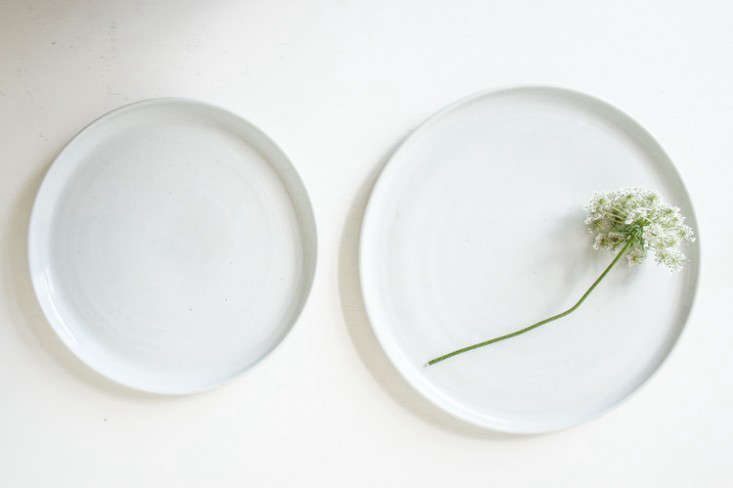
A WRF Ceramics plate is a handmade stoneware dining piece designed for regular use. Depending on the collection and retailer, the line has included dinner plates, salad plates, round plates, coupe-style plates, stone plates, and restaurant-style forms. Rather than relying on identical factory-made precision, WRF pieces embrace the subtle differences that happen when clay is thrown, trimmed, glazed, and fired by hand.
The brand’s visual language is intentionally restrained. You will often see earthy tones, glossy white surfaces, matte clay bottoms, muted mineral colors, and simple shapes with softly rounded rims. The plates do not compete with food. They give it a better stage. A tomato salad looks brighter. A bowl of noodles looks more intentional. Even a frozen waffle gains a little self-respect.
Older WRF plate listings described hand-thrown ceramic dinnerware with a glazed surface, unglazed base, and a small lip around the edge. Historical product dimensions included approximately 10.5 inches for a dinner plate and 8.75 inches for a salad or dessert plate.
Other WRF plate styles have leaned into a flatter, heavier stoneware look. For example, the Ishi-Zara dinner plate has been described as a “stone plate” style, measuring about 10 inches wide and weighing roughly 2.5 pounds. That is not a plate you accidentally confuse with disposable partyware.
Why WRF Handmade Dinnerware Stands Out
It Balances Japanese Ceramic Tradition With Modern Simplicity
WRF dinnerware is shaped by an idea that good design should be both practical and pleasing. Nishigawara’s work draws from Japanese ceramic traditions while staying visually uncluttered. The result is not a plate covered in decorative fireworks. It is a form that lets texture, proportion, glaze, and food do the talking.
This approach is closely related to the idea of functional craft: objects made to be used, not locked away until a distant future when someone finally hosts “the perfect dinner party.” WRF pieces are meant to become part of daily life, whether they are holding scrambled eggs, grilled vegetables, a giant sandwich, or a slice of cake that may or may not count as dinner.
Handmade Variation Is Part of the Appeal
Mass-produced plates are designed to match perfectly. Handmade ceramic plates are designed to belong together while still keeping their own personalities. A WRF Ceramics plate may show small differences in glaze tone, rim shape, surface texture, or the transition between glazed and unglazed clay.
That variation is not automatically a defect. It is evidence of process. Clay shifts slightly while drying. Glaze responds to firing conditions. Heat moves through a kiln with all the moodiness of a cat deciding whether your lap is acceptable. Those small changes give each plate an individual presence.
WRF’s handmade process includes wheel throwing, trimming, glazing, and firing, with slight differences in form and finish considered part of the finished object’s character.
It Makes Everyday Food Look More Considered
A good handmade plate creates contrast without demanding attention. A glossy white WRF plate can make colorful food pop. A warm ash-toned stoneware plate can make roasted vegetables, crusty bread, and grilled meats feel more grounded. A darker glaze can add drama to pale pasta, sushi, salads, or creamy desserts.
This is why handmade dinnerware often becomes a favorite for home cooks, photographers, hosts, and people who suddenly care a lot about how a grilled cheese looks at 1:00 p.m. The plate quietly improves the visual experience without making dinner feel staged.
How to Choose the Right WRF Ceramics Plate
Choose by Meal Type, Not Just by Diameter
When selecting a handmade ceramic plate, think about what you actually eat. A wide, flatter dinner plate works well for entrées, sheet-pan meals, sandwiches, and dishes that need room to spread out. A round plate with gently sloped sides can be more useful for pasta, grain bowls, curries, and anything with enough sauce to make a napkin nervous.
A smaller plate is not just for salad. It can become your go-to for pastries, snacks, breakfast, dessert, side dishes, or a late-night “I am only having three cookies” situation that somehow needs a plate the size of a satellite dish.
Consider Weight and Storage
Some WRF stoneware styles are intentionally substantial. That weight can feel satisfying in the hand and stable on the table, but it matters if you have shallow cabinets, delicate open shelving, or wrists that are already doing enough. Before building a full set, consider ordering one or two pieces first to see how they stack, fit in the dishwasher, and feel during daily use.
A heavier handmade plate can be excellent for serving, but it may not be ideal for a household that wants every dish to feel featherlight. There is no wrong answer. There is only the practical question: will you enjoy lifting six of them while unloading the dishwasher before coffee?
Expect Availability to Change
Handmade ceramics are not always available in endless quantities. Retailer inventories can change quickly, collections can evolve, and specific glazes or forms may sell out. Historical listings have shown WRF plates at different price points and in different formats, which is another reminder that the exact style, size, color, and cost should be confirmed before buying.
That limited availability can be frustrating when you want eight matching plates tomorrow. It can also be part of the appeal. Building a handmade dinnerware collection gradually often creates a more personal table than buying sixteen identical plates in one giant cardboard box.
WRF Ceramics Plate Care: What to Know Before You Use It
Handmade stoneware is meant to be used, but it still benefits from sensible care. The first rule is simple: follow the care guidance for the exact WRF collection or retailer listing you purchase. Ceramic safety and heat resistance can vary by glaze, clay body, decoration, and product line.
Dishwasher and Microwave Use
WRF’s care guidance states that its ceramic products are microwave- and dishwasher-safe, while also noting that they are not oven-safe. Light-colored glazes can develop cutlery marks over time, especially with regular use. Those marks are generally part of life with glazed dinnerware, not proof that your fork is plotting against you.
Even when a handmade ceramic plate is dishwasher-safe, hand washing can help preserve its finish over many years. Use a mild dish soap, avoid abrasive scrubbers, and do not stack plates carelessly if the exposed clay bottoms are rough. A soft towel or felt separator can help protect surfaces in crowded cabinets.
Avoid Thermal Shock
Do not move a cold ceramic plate directly into intense heat, and do not place a very hot plate onto a cold or wet surface. Sudden temperature changes can stress ceramic materials and may increase the risk of cracking. This is especially important with handmade pieces because small differences in clay thickness and glaze coverage can affect how each object responds to heat.
Microwave use should also be practical rather than heroic. If a plate becomes extremely hot while the food remains only mildly warm, let it cool and reconsider how you are using it. Ceramic specialists note that insufficiently vitrified clay bodies and thermal stress can affect the bond between glaze and clay during heating.
Food Safety Matters
When buying handmade ceramics, use pieces marketed for food use from a reputable maker or seller. Decorative ceramicware is not automatically safe for serving food, especially if it has unknown glazes, metallic decoration, cracks, or unclear labeling. The U.S. Food and Drug Administration provides guidance on extractable lead in ceramic foodware and distinguishes food-contact ceramics from ornamental or decorative pieces.
For a WRF Ceramics plate purchased through an established retailer or directly from the maker, check the listing for current food-safety and care information. For vintage, secondhand, or mystery-market plates, avoid using them with acidic foods or hot liquids unless their food-safe status is clearly documented.
How to Style a WRF Ceramics Plate at Home
WRF plates work best when you do not overthink them. Their strength is flexibility. Pair white-glazed pieces with linen napkins, clear glassware, wood serving boards, and simple flatware for a relaxed modern table. Pair earth-toned stoneware with woven placemats, muted textiles, and seasonal produce for a warmer, more organic look.
For a casual dinner, use a dinner plate, a smaller plate for bread or dessert, and a handmade bowl for salad. The table will look layered without becoming fussy. For a more minimal setting, let one large WRF plate do the work with a folded napkin and a single glass.
Mixing styles can work beautifully, too. A WRF plate does not need a full matching army of identical companions. Try combining handmade stoneware with vintage glassware, a simple stainless steel fork, and a linen runner. The goal is not to make your table look like a showroom. The goal is to make it feel like a place where people want to stay after dinner.
Is a WRF Ceramics Plate Worth It?
A WRF Ceramics plate is worth considering if you value handmade design, functional stoneware, subtle variation, and objects that improve daily routines. It may not be the cheapest way to serve lunch, but it is a meaningful upgrade from anonymous dinnerware that could belong to anyone.
The value is not only in the clay. It is in the experience: the visual calm, the tactile weight, the small differences between pieces, and the knowledge that someone shaped the object rather than simply approving it on a production spreadsheet.
For people who enjoy cooking, hosting, collecting handmade pottery, or making a bowl of cereal feel slightly more civilized, a WRF plate can become the kind of everyday object that is quietly missed whenever it is in the dishwasher.
Experiences With a WRF Ceramics Plate: The Everyday Test
Living with a WRF Ceramics plate is less about dramatic design moments and more about the small changes it brings to routine. The first thing most people notice is the weight. A handmade stoneware plate has a sense of presence that a thin factory plate rarely offers. It feels steady when you carry it from the kitchen to the table. It does not slide around easily when you cut food. It makes a simple meal feel grounded, even when that meal is leftovers wearing a brave new sauce.
Breakfast is where the plate often earns its place. A piece of toast, two eggs, and sliced fruit can look strangely intentional on a softly glazed handmade surface. The plate gives the food enough visual breathing room. It does not create a restaurant scene in your kitchen, but it does make a weekday morning feel less like a race against the clock.
At lunch, the practical shape becomes more noticeable. A gently raised rim can make a difference with oily salads, noodles, grain bowls, and dishes that carry a little sauce. Nobody buys ceramics specifically to prevent one escaped cherry tomato, but it is still nice when the plate helps keep lunch from migrating across the table.
Dinner is where WRF dinnerware feels most expressive. A roasted chicken thigh, a pile of vegetables, and a few spoonfuls of rice can look more complete on stoneware than on a shiny, overly decorated plate. The handmade texture provides contrast, while the restrained shape keeps the attention on the food. A plate like this does not shout. It quietly suggests that you may know what you are doing, even if the smoke alarm has a different opinion.
Hosting with handmade plates creates a different kind of atmosphere. Guests tend to notice them, but not in a way that stops conversation. Someone may pick up a plate and comment on the glaze. Another person may notice that no two rims look exactly alike. These details make a table feel assembled rather than purchased. They create a small sense of care before the first bite is even taken.
There are practical realities, of course. Handmade plates can chip if they are banged against a granite counter or stacked aggressively after a long dinner. Light glazes may collect utensil marks. Rough unglazed bottoms may need a little extra care around glass tables or delicate shelves. These are not reasons to avoid handmade ceramics. They are reminders that good objects deserve normal respect, not a bubble-wrap lifestyle.
Over time, the plate can become familiar in the best way. You learn which meals look best on it. You know exactly where it fits in the cabinet. You recognize the small variation in the glaze that makes it yours. It becomes part of your home’s visual memory: the plate you use for birthday cake, Sunday pancakes, late-night snacks, and dinners that were better because people stayed at the table longer.
That is the real experience of owning a WRF Ceramics plate. It is not about having a perfect table. It is about making ordinary meals feel more present. A handmade plate cannot fix an overcooked steak or convince your kids that broccoli is exciting. But it can make the ritual of eating feel a little more intentional, one meal at a time.
Final Thoughts
A WRF Ceramics plate is a thoughtful example of handmade American stoneware with Japanese design influence. Its appeal comes from quiet form, functional proportions, tactile character, and the small variations that make handmade pottery feel alive. Whether you choose a classic glazed plate, a heavier stoneware style, or a more sculptural round form, the best way to appreciate it is simple: use it often.