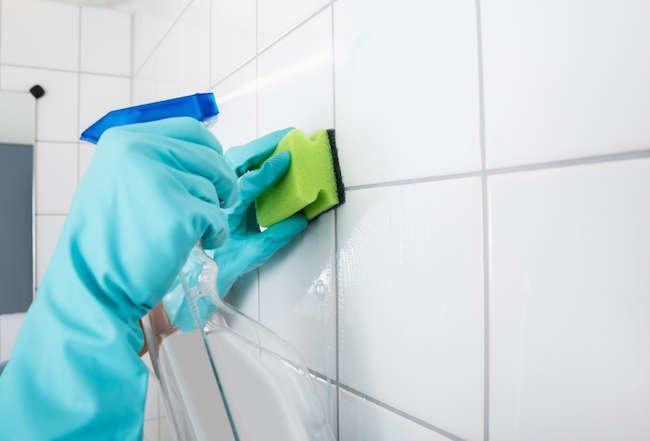

A plain bottle of white vinegar can do far more than rescue a bland salad. It can loosen mineral buildup, cut through ordinary film, and tame a few stubborn odors without turning your home into a chemical-fog experiment. The secret is knowing where vinegar works beautifullyand where it should remain firmly capped.
This guide focuses on distilled white vinegar for practical household cleaning. Think of it as a dependable supporting actor, not the entire cleaning crew. It can handle many light-duty jobs, but it is not a substitute for a registered disinfectant when genuine disinfection is needed.
Start Smart: What Vinegar Canand CannotDo
Vinegar is acidic, which helps it loosen hard-water deposits, soap film, and routine grime. For many nonporous, vinegar-safe surfaces, a 1:1 mix of distilled white vinegar and water is a sensible starting point. Use a microfiber cloth, test a hidden area first, and wipe dry after cleaning. Cleaning vinegar is stronger than culinary white vinegar and is not meant for eating, so keep the bottles clearly labeled.
These rules protect surfaces, appliance parts, and lungs. The CDC recommends EPA-registered disinfectants or properly prepared bleach solutions when disinfection is necessary, while University of Minnesota Extension notes that vinegar is not an acceptable sanitizer for food-production surfaces. Cleaning experts also warn that vinegar can damage stone, wood, certain metals, screens, and appliance seals.
29 Handy Household Uses for Vinegar
Glass, Bathroom Fixtures, and Everyday Grime
-
Make window glass sparkle
Spray a 1:1 vinegar-and-water mix on interior window glass and wipe with a lint-free microfiber cloth. Work out of direct sun to reduce streaks. Keep the spray away from painted wood trim and natural-stone sills.
-
Refresh ordinary mirrors
For plain, non-antique mirrors, mist the cloth instead of the mirror. This reduces the chance of liquid sneaking behind the edges and damaging the backing. Skip decorative, coated, or specialty mirrors unless care instructions allow it.
-
Clear soap scum from glass shower doors
Apply diluted vinegar to a glass shower door, let it sit briefly, then wipe and rinse. A non-scratch sponge can help with stubborn buildup. Keep vinegar away from natural-stone walls and vulnerable grout.
-
Clean mineral-crusted showerheads
Fill a small bag with vinegar, secure it around a removable showerhead, and soak briefly before rinsing. For delicate finishes, use a vinegar-dampened cloth instead. Do not automatically leave fixtures soaking overnight.
-
Freshen removable faucet aerators
Unscrew the aerator only if you can reassemble it confidently. A short vinegar soak can loosen mineral debris; rinse thoroughly and use a soft toothbrush on the screen. Photograph the parts first, because tiny pieces love disappearing.
-
Polish ceramic and porcelain sinks
Wipe vinegar-safe ceramic or porcelain sinks with diluted vinegar to tackle light mineral rings and water spots. Rinse afterward. For stone, unusual glaze, or specialty finishes, use a pH-neutral cleaner instead.
-
Remove toilet-bowl mineral rings
Pour vinegar around the bowl, especially under the rim and over visible mineral staining. Let it sit, scrub with a toilet brush, and flush. Never follow with bleach or use it over leftover bleach-based cleaner.
-
Clean soap dishes and toothbrush cups
Soak vinegar-safe glass or ceramic pieces in warm diluted vinegar, scrub, rinse, and dry. This helps with soap residue and water spots. It is a cleaning method, not a replacement for sanitizing toothbrush accessories.
Vinegar works most reliably on soap scum and mineral residue, not every smudge in the house. The same acidity that helps dissolve buildup can dull or etch the wrong surface, so testing a hidden area remains the smartest first move.
Kitchen Cleanup Without Turning Into a Mad Scientist
-
Wipe refrigerator shelves and bins
Remove food, clean glass or plastic shelves with diluted vinegar, then wipe with clean water and dry. It is helpful for old spills and lingering refrigerator odors. Wash food-contact surfaces thoroughly before restocking.
-
Steam-loosen microwave splatters
Heat a microwave-safe bowl of water with a splash of white vinegar until steamy. Let it cool slightly, then wipe the interior with a damp cloth. The steam does most of the hard work.
-
Clean vinegar-safe laminate counters
Use a light spray of diluted vinegar for everyday film on approved laminate counters, then wipe dry. Do not use it on granite, marble, quartz, or stone-look materials unless the manufacturer specifically approves it.
-
Deodorize glass food-storage containers
Soak empty glass containers in warm water with a little vinegar, then wash normally with dish soap. This can help after onion, garlic, curry, or mystery-leftover incidents. Check removable silicone parts before soaking them.
-
Freshen sturdy plastic containers
Use a diluted vinegar rinse on odor-holding plastic containers, then wash and rinse thoroughly. Avoid scratched, cloudy, delicate, or unknown plastics. Some containers simply deserve retirement rather than another round of chemistry.
-
Reset a countertop compost pail
Wash away debris with dish soap and water, then wipe the interior with diluted vinegar to help with odor and residue. Let the pail air-dry fully before adding a fresh liner. Less compost perfume is always a win.
-
Wash garbage and recycling bins
Rinse out debris, scrub vinegar-safe plastic bins with warm soapy water, and follow with a diluted vinegar wipe for lingering odor. Rinse and dry well. Use a purpose-made cleaner for biohazards or pest messes.
-
Descale a coffee maker when the manual allows it
Some coffee makers permit a vinegar-and-water descaling cycle; others require proprietary descaler. Follow the manual, then run several plain-water cycles afterward. Your coffee should not taste like salad dressing with ambition.
-
Lift mineral film from a tea kettle
For kettles whose instructions permit vinegar, heat a diluted vinegar-and-water solution, cool it, empty it, and rinse repeatedly. Internal coatings and components vary, so never assume every electric kettle is vinegar-friendly.
Appliances are where cleaning enthusiasm needs a user manual. Consumer guidance warns that repeated vinegar exposure can harm certain rubber seals, hoses, and internal parts, so treat descaling as an occasional manufacturer-approved tasknot a weekly ritual.
Utility Room, Fabrics, and Small Household Rescues
-
Erase hard-water haze from glassware
Soak cloudy drinking glasses in warm diluted vinegar, wash with dish soap, rinse, and dry with a soft towel. This works best on mineral film, not permanent etching. Deep damage cannot always be cleaned away.
-
Revive a flower vase
Vases with chalky water lines respond well to a vinegar soak and bottle brush. Rinse thoroughly before adding flowers. For crystal, antique glass, or sentimental heirlooms, choose a cleaner made for the material.
-
Loosen price-label residue from glass jars
Soak the jar in warm, soapy water first. Rub remaining adhesive with a vinegar-dampened cloth. This works best on glass and simple ceramic surfaces; do not use it on finished wood, electronics, or labels you wish to preserve.
-
Freshen reusable glass jars
Wash jars normally, give them a brief diluted vinegar rinse, and dry completely before storing pantry goods or craft supplies. It can help reduce stale cupboard odors. Remember: cleanup is not sterilization.
-
Clean humidifier reservoirs when approved
Humidifier mineral deposits can be stubborn. Check the care guide first; if vinegar is approved, use the recommended dilution and rinse repeatedly. A humidifier that smells pickled is not meeting its cozy-home responsibilities.
-
Wipe washable vinyl blinds
Use a lightly dampened cloth with diluted vinegar to remove dusty film from vinyl blinds. Wipe again with plain water and dry. Avoid wood, aluminum, unknown materials, and faux wood with delicate finishes.
-
Refresh a vinyl shower curtain
Wipe mildew-prone spots with diluted vinegar, rinse, and dry thoroughly. Follow the curtain label first. Also improve ventilation, because no cleaning solution can defeat a bathroom that never gets a chance to dry.
-
Clean tea film from plain ceramic mugs
Soak the mug in warm vinegar and water, then wash with dish soap. For stubborn tea or coffee marks, a gentle baking-soda scrub may help. Avoid abrasives on metallic-rimmed, decorated, or vintage mugs.
-
Help treat fresh coffee or tea stains
Blot first; rubbing only gives the stain a longer lease. On washable fabric, use a diluted white-vinegar treatment after mild detergent, test colorfastness, rinse, and launder according to the care label.
-
Hand-rinse musty washable cloths
For a dishcloth, gym towel, or cleaning rag with lingering odor, try a brief hand rinse with diluted vinegar, then wash with detergent and dry completely. Avoid routine washing-machine vinegar use unless the manual permits it.
-
Brighten approved ceramic floor tile
Use a light vinegar-and-water mop solution only on sealed ceramic or porcelain tile approved by the manufacturer. Keep the mop damp, not drenched, and avoid stone, wood, damaged grout, and unsealed surfaces.
-
Reduce mild room odors
Set a small bowl of white vinegar in a closed, empty room for several hours, then ventilate. It may help with mild lingering odors, but it will not solve smoke damage, pet urine, mold, or hidden moisture.
-
Clean plastic patio chairs
Wipe washable plastic outdoor furniture with diluted vinegar to remove light grime and water spots, then rinse and dry. Skip painted metal, untreated wood, natural wicker, cushions, and delicate outdoor finishes.
For coffee and tea stains, University of Georgia Extension recommends a measured sequence involving blotting, mild detergent, diluted white vinegar, rinsing, and care-label launderingnot a chaotic “pour everything on it” approach. That is a good rule for the whole house.
Experience-Based Lessons From Everyday Vinegar Jobs
The biggest lesson from ordinary household cleaning routines is that vinegar works best when the problem is specific. A cloudy showerhead, a chalky vase, a glass door with soap scum, or a refrigerator bin that remembers last week’s leftovers: these are small, visible jobs with a clear finish line. A spray bottle and a microfiber cloth can feel remarkably effective because the task is not mysterious. You see the mineral film fade, rinse the surface, and move on feeling like you briefly won an argument with hard water.
That satisfaction can create overconfidence. The moment diluted vinegar works on a glass shower door, it is tempting to use it everywhere. This is where well-meant cleaning experiments can go sideways. Natural stone may look sturdy, but acids can etch it. A wood floor may look sealed, but repeated acidic cleaning can dull the finish. An appliance reservoir may resemble a small kettle, yet its seals, coatings, and tubing may not be designed for a vinegar cycle. The better habit is boring but effective: identify the material, check the manual, and test a hidden area.
Another real-world lesson is that freshness and cleanliness are not identical. Vinegar can help a garbage bin, compost pail, or food container smell better after the actual grime has been washed away. But a sharp vinegar scent does not mean a surface has been disinfected. It cannot repair a moisture problem behind a wall, beneath a shower curtain, or under a leaking appliance. Good cleaning starts by removing soil. When disinfection is needed, use an appropriate registered product after cleaning.
The most practical DIY vinegar cleaner routine is intentionally unexciting. Keep one labeled bottle of diluted distilled white vinegar for approved jobs. Store bleach and other chemical products separately. Use different cloths for kitchen and bathroom cleanup. Rinse food-contact surfaces. Dry damp spaces after cleaning. When a task involves mold growth, bodily fluids, appliance maintenance, stone, wood, or an expensive finish, pause before improvising. A cheap bottle can be clever, but it does not need to audition for every job in the house.
There is also value in recognizing when a cleaning task has become a maintenance issue. If a showerhead clogs every few weeks, the larger problem may be very hard water. If a room smells musty after every rainstorm, the problem is likely moisture, not fragrance. If coffee tastes strange after repeated homemade descaling, the appliance may need a manufacturer-recommended cleaner or service. Vinegar can improve many small problems, but it should not distract from the cause of recurring ones.
In short, vinegar is a practical tool when treated like a tool: useful on the right material, for the right purpose, in the right amount. The reward is a simpler cleaning cupboard, fewer unnecessary specialty products, and a home that feels maintained rather than chemically fogged. The bottle does not need a cape. It just needs a label, a little common sense, and the discipline to stay far away from bleach.
Final Takeaway
White vinegar deserves its reputation as a budget-friendly household helper. Use it to tackle mineral deposits, soap scum, glass haze, light odors, and everyday grime on vinegar-safe surfaces. Keep it away from bleach, stone, wood, delicate electronics, and appliance parts that the manufacturer has not approved. The smartest vinegar hack is not the loudest oneit is the one that cleans effectively without creating a new problem tomorrow.