
Important note: This article is for educational and editorial purposes only. It explains the science, risks, and maker-culture fascination behind melting aluminum with microwave-related equipment. It is not a how-to guide, and readers should not modify household appliances, melt metal at home, or treat a kitchen microwave like a miniature foundry.
Introduction: When a Kitchen Appliance Wanders Into the Workshop
A microwave oven is supposed to reheat coffee, rescue leftovers, and occasionally turn a frozen burrito into a lava-filled science experiment. But in maker culture, the humble microwave has a reputation for being more than a box that makes soup hot. Old microwave ovens contain a sturdy metal shell, a motor, high-voltage components, switches, fans, and other parts that attract tinkerers the way free pizza attracts college students.
The phrase “a different use for microwave oven: melting aluminum” sounds like internet mischief, but it points to a real topic: people have experimented with microwave-related systems, microwave kilns, susceptors, and repurposed appliance bodies to generate enough heat for small-scale metal melting. Aluminum is especially tempting because it melts at about 660°C, or roughly 1,220°F, which is far lower than iron or steel. That does not make it casual, safe, or kitchen-friendly. It simply means aluminum sits in that dangerous zone where an experiment seems possible before common sense has finished putting on its shoes.
In this article, we will unpack the science, the appeal, the safety problems, the difference between a microwave oven and a furnace, and why aluminum recycling is such a big deal. We will also look at the practical lessons makers, students, and curious readers can take from the idea without turning the family microwave into a flaming appliance obituary.
What People Mean by “Melting Aluminum in a Microwave”
When people talk about melting aluminum with a microwave oven, they usually mean one of several very different things. The first is the dangerous misconception that someone can simply place aluminum in a normal kitchen microwave and wait for a neat puddle of shiny metal. That is not how a microwave should be used. Metal can reflect microwave energy, create sparks, cause arcing, damage the appliance, or start a fire. A household microwave is engineered for food, not molten metal.
The second meaning is a controlled microwave-materials experiment. In research and specialized shop environments, microwave energy can be absorbed by certain materials that convert electromagnetic energy into heat. These materials can then heat surrounding objects indirectly. This is the basis behind some microwave-assisted ceramics, sintering, and materials-processing experiments.
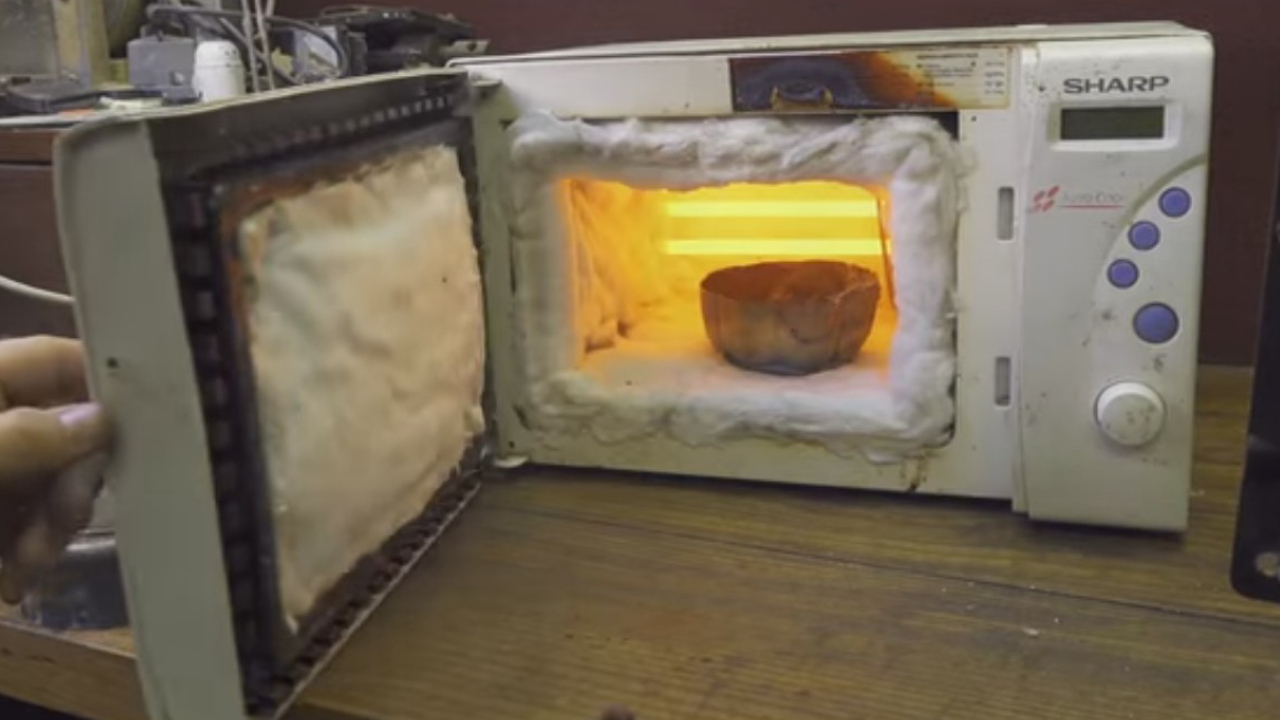
The third meaning is appliance repurposing. Some maker projects have used the outer case of an old microwave oven as a convenient metal enclosure while replacing the heating system entirely. In that case, the device is not really a microwave oven anymore. It is more like a homemade electric furnace wearing a microwave costume. Imagine a raccoon in a lab coat: technically dressed for science, but still not something you want loose in the kitchen.
The Science: Why Aluminum Is the “Maybe Possible” Metal
Aluminum is lightweight, corrosion-resistant, conductive, and widely used in cans, aircraft, vehicles, power lines, cookware, electronics, and construction materials. One reason it attracts experimenters is its relatively low melting point compared with many other structural metals. Pure aluminum melts at about 660°C. By contrast, copper melts above 1,080°C, and iron melts above 1,500°C. That lower melting point makes aluminum common in small foundry discussions.
But “lower melting point” is not the same as “easy.” A temperature of 660°C can ignite nearby materials, destroy surfaces, cause severe burns, and turn moisture into expanding steam almost instantly. Molten aluminum also does not behave like warm candle wax. It is a reactive, high-temperature liquid metal that can damage containers, trap gas, form oxides, and splash if handled improperly.
Another key detail is that aluminum alloys do not all melt at one neat number. Beverage cans, cast scrap, foil, extrusions, and machined parts can contain different alloying elements. Some alloys soften over a range of temperatures rather than flipping from solid to liquid like a cartoon ice cube. Coatings, paints, residues, plastics, and unknown scrap contamination make the problem even messier.
Why a Normal Microwave Is the Wrong Tool
A kitchen microwave heats food mainly by using electromagnetic waves that interact strongly with polar molecules, especially water. Food warms because energy becomes molecular motion. A potato cooperates. A cup of soup cooperates. A random piece of metal is a much less polite dinner guest.
Metal reflects microwave energy. Thin edges, points, crumpled foil, twist ties, gold-trimmed dishes, and irregular metal shapes can create concentrated electric fields and sparks. That sparking is called arcing. It can damage the oven cavity, burn the waveguide cover, harm internal components, or start a fire. The dramatic flash may look like a tiny lightning show, but it is not a bonus feature.
There is also the issue of appliance design. Household microwaves are safety-certified for normal food heating when intact and used correctly. They have door seals, interlocks, shielding, and standards related to microwave leakage. Damaging, modifying, or bypassing any of that moves the device outside its intended safety envelope. In plain English: the manufacturer designed it to heat leftovers, not to cosplay as a foundry.
Microwave Energy, Susceptors, and Indirect Heating
The more scientifically interesting side of this topic involves materials that absorb microwave energy efficiently. These are often called susceptors. Instead of the metal itself absorbing enough microwave energy directly, the susceptor heats up and transfers heat to nearby material. This concept appears in microwave kilns for glass or ceramics and in some research on microwave-assisted materials processing.
In academic settings, researchers have explored microwave-assisted approaches for melting or processing aluminum using special refractory materials capable of absorbing electromagnetic energy. Such work is controlled, instrumented, and conducted with specific equipment. The point is not that a regular kitchen appliance should become a metal melter. The point is that electromagnetic heating can be useful in materials engineering when handled by people who know exactly what they are doing.
That distinction matters. “Microwave-assisted materials processing” sounds impressive because it is. “I put scrap metal in the microwave after watching a short video” sounds impressive only to the emergency room billing department.
The Maker-Culture Appeal
Why does this idea keep popping up online? Because it sits at the intersection of recycling, thrift, science, and a little bit of “surely this cannot work.” Makers love repurposing old devices. A broken microwave oven looks like a treasure chest: a metal box, switches, motors, sheet metal, wiring, and sometimes a fan or turntable motor. The appliance is familiar, cheap, and widely available.
Maker blogs have documented projects where an old microwave body is stripped and reused as a furnace enclosure. In those examples, the original microwave function may be removed or replaced, and the heating may come from other electric elements. That is an important distinction for readers. The project may be visually described as a microwave oven melting aluminum, but mechanically it may be a furnace built inside a microwave shell.
This kind of reuse has an undeniable charm. It takes an appliance destined for the curb and turns it into something dramatic. It also creates a good headline. “Repurposed insulated electric furnace” is accurate, but it will never win the internet popularity contest against “microwave melts aluminum.” Headlines have their own tiny mischievous motors.
Safety Reality: Molten Aluminum Is Not a Weekend Toy
Any discussion of melting aluminum has to pause for the safety section, because molten metal is not forgiving. Aluminum at melting temperature can cause severe burns through clothing and gloves. It can ignite nearby combustibles. It can damage floors, benches, containers, and tools. Water or trapped moisture can flash into steam and violently eject molten material. Unknown scrap can release fumes from paint, coatings, oils, plastics, or dirt.
Electrical risks are also serious. Microwave ovens contain components that may hold dangerous voltage even after unplugging. Modifying appliances without training can expose a person to shock, fire, and radiation-related safety problems. High-voltage capacitors, damaged door systems, and improvised wiring are not “quirky workshop character.” They are hazards.
For readers, the practical takeaway is simple: do not use a household microwave for metal melting, do not experiment with appliance internals, and do not treat internet videos as safety training. If metal casting is genuinely of interest, learn through supervised, properly equipped programs, makerspaces with formal safety rules, or professional foundry education. The cool part of science is understanding reality, not arguing with it while holding a smoking extension cord.
Why Aluminum Recycling Makes the Topic Worth Discussing
Although home melting is risky, aluminum recycling itself is extremely important. Aluminum is highly recyclable, and remelting scrap uses far less energy than producing new aluminum from bauxite ore. Industrial recycling can turn used beverage cans, manufacturing offcuts, old products, and other scrap into valuable feedstock for new materials.
This is where the topic becomes bigger than a workshop experiment. Aluminum is used in transportation, packaging, power infrastructure, construction, and defense. Recycling reduces energy demand, keeps useful material in circulation, and lowers dependence on newly mined raw materials. In the United States, millions of tons of aluminum are recovered from purchased scrap each year, including both new manufacturing scrap and old discarded products.
That does not mean every piece of scrap belongs in a backyard melting pot. Industrial recycling works because it sorts alloys, manages coatings, controls emissions, uses engineered furnaces, monitors chemistry, and protects workers. The lesson is not “melt cans at home.” The lesson is “aluminum is valuable, and organized recycling systems matter.”
Common Misunderstandings About Aluminum and Microwaves
Misunderstanding 1: All metal instantly explodes in a microwave
Metal does not automatically explode in a microwave. Some smooth metal objects may not spark immediately under certain conditions. However, that does not make the practice safe or recommended. Shape, size, edges, placement, oven condition, and nearby materials all matter. The danger is unpredictable enough that standard household advice remains clear: avoid putting metal in a microwave unless the appliance manual specifically allows a particular accessory or use.
Misunderstanding 2: Aluminum foil melting proves the microwave is powerful enough
If foil sparks, burns, or develops hot spots, that is not controlled melting. It is arcing and localized heating. It can damage the oven and create a fire risk. A flash of light is not a foundry process; it is the appliance equivalent of screaming.
Misunderstanding 3: A repurposed microwave shell is still a microwave oven
If the original microwave electronics are removed and another heat source is installed, the device is no longer functioning as a microwave oven. It is a modified furnace enclosure. Calling it a microwave oven may be catchy, but it can confuse readers into thinking the normal appliance function is responsible for the melting.
Misunderstanding 4: Small-scale means low-risk
A small amount of molten aluminum can still cause serious injury or property damage. Scale reduces some risks, but it does not erase them. Even a spoonful of high-temperature liquid metal deserves more respect than a full pot of boiling water.
What This Topic Teaches About Engineering
The best way to read this topic is as an engineering lesson. Every machine is a compromise between purpose, cost, safety, efficiency, and materials. A microwave oven is optimized for rapid food heating inside a shielded cavity. A metal furnace is optimized for high-temperature containment, thermal insulation, electrical control, ventilation, and safe handling of molten material. Those are different design problems.
When makers repurpose equipment, they are really asking: which parts of this object are useful for a new purpose, and which parts become hazards? The metal case may be useful as an enclosure. A motor may be useful for another project. The high-voltage system, however, may be dangerous. The door system may no longer protect anyone if altered. The insulation requirements for a furnace are far beyond what a food appliance is designed to manage.
This is why engineering is not just creativity. It is creativity with constraints. The fun question is not “Can I force this thing to work?” The better question is “What risks appear when I use this outside its design?” That question turns a viral experiment into a real learning opportunity.
Better Ways to Channel the Curiosity
Readers fascinated by aluminum melting do not have to jump straight into dangerous experiments. There are safer ways to explore the subject. Learn the properties of aluminum alloys. Study how industrial recycling works. Watch professional foundry demonstrations from reputable educational sources. Visit a science museum, manufacturing facility, or supervised makerspace. Read about casting defects, oxide films, alloy chemistry, and energy efficiency.
Students can also explore related low-risk topics: why metals conduct electricity, how microwave ovens heat food, why ceramics behave differently from metals, how recycling saves energy, and why temperature measurement matters. These subjects provide the same “wow” factor without turning the garage into a special-effects scene.
For content creators, the editorial angle is strong: the story combines household technology, materials science, sustainability, internet maker culture, and safety. That combination is perfect for an educational blog post because it pulls readers in with surprise and keeps them with useful context.
Experience Notes: What People Learn Around This Topic
People who spend time reading about microwave-related aluminum melting usually come away with a few memorable lessons. The first is that names can be misleading. A project labeled as a microwave oven furnace may not rely on the microwave function at all. Sometimes the appliance body is simply a convenient shell. That realization changes the entire interpretation of the project. Instead of seeing a kitchen appliance magically melt metal, you see a homemade furnace built from recycled housing.
The second lesson is that heat is harder to manage than beginners expect. Getting something hot is easy. Keeping heat where it belongs is the real challenge. Industrial furnaces are not just “hot boxes.” They are systems designed to manage insulation, airflow, electrical load, thermal expansion, operator access, emergency shutdown, fumes, and material compatibility. In casual online videos, those invisible design details often disappear behind dramatic glowing metal. Unfortunately, physics does not disappear just because a video has upbeat background music.
The third lesson is that aluminum scrap is not automatically clean aluminum. A beverage can includes coatings and alloy differences. Old castings may contain unknown elements. Painted or greasy scrap can release fumes. Mixed scrap can behave unpredictably. Professional recyclers sort and process material for a reason. The shiny final pour shown online is only the most photogenic part of a much larger process.
The fourth lesson is respect for boundaries. Curiosity is good. Improvisation is good. Repurposing old technology can be brilliant. But high voltage, microwave energy, and molten metal each bring serious hazards by themselves. Combining them without training is not clever; it is a stack of risks wearing a tool belt. Many experienced makers repeatedly emphasize that the difference between experimentation and recklessness is preparation, proper equipment, and knowing when not to proceed.
The fifth lesson is that sustainability needs systems. It feels satisfying to imagine turning scrap aluminum into a useful object, and that instinct is positive. But the most effective aluminum recycling happens through organized collection, sorting, industrial remelting, and quality control. A single home experiment may look dramatic, but a well-run recycling stream saves far more energy and material. In other words, the recycling bin may be less cinematic than a glowing crucible, but it is doing serious work.
Finally, this topic teaches humility. A microwave oven looks simple because it sits on a kitchen counter and politely beeps when the popcorn is done. Aluminum looks simple because we see it in cans, foil, window frames, and laptop bodies. Put the two ideas together, however, and suddenly the hidden complexity appears: electromagnetic waves, reflected energy, arcing, alloy chemistry, phase change, insulation, fire risk, and temperature control. That is the magic of engineering education. Ordinary objects stop being ordinary.
Conclusion: A Clever Idea, Not a Kitchen Project
A Different Use For Microwave Oven: Melting Aluminum is a fascinating topic because it sounds impossible, slightly ridiculous, and scientifically rich all at once. It introduces readers to aluminum’s low melting point, microwave heating principles, maker creativity, appliance repurposing, and the importance of recycling. It also offers a firm safety reminder: a household microwave is not a foundry, and molten aluminum is not a casual hobby material.
The smartest takeaway is not to imitate risky experiments. It is to understand why they appear to work, what risks they hide, and how real materials processing is handled in controlled environments. Aluminum is too valuable to waste and too dangerous at melting temperature to treat carelessly. Respect the science, respect the equipment, and let the family microwave stick to reheating pizza. Frankly, it already has enough emotional baggage from the popcorn button.