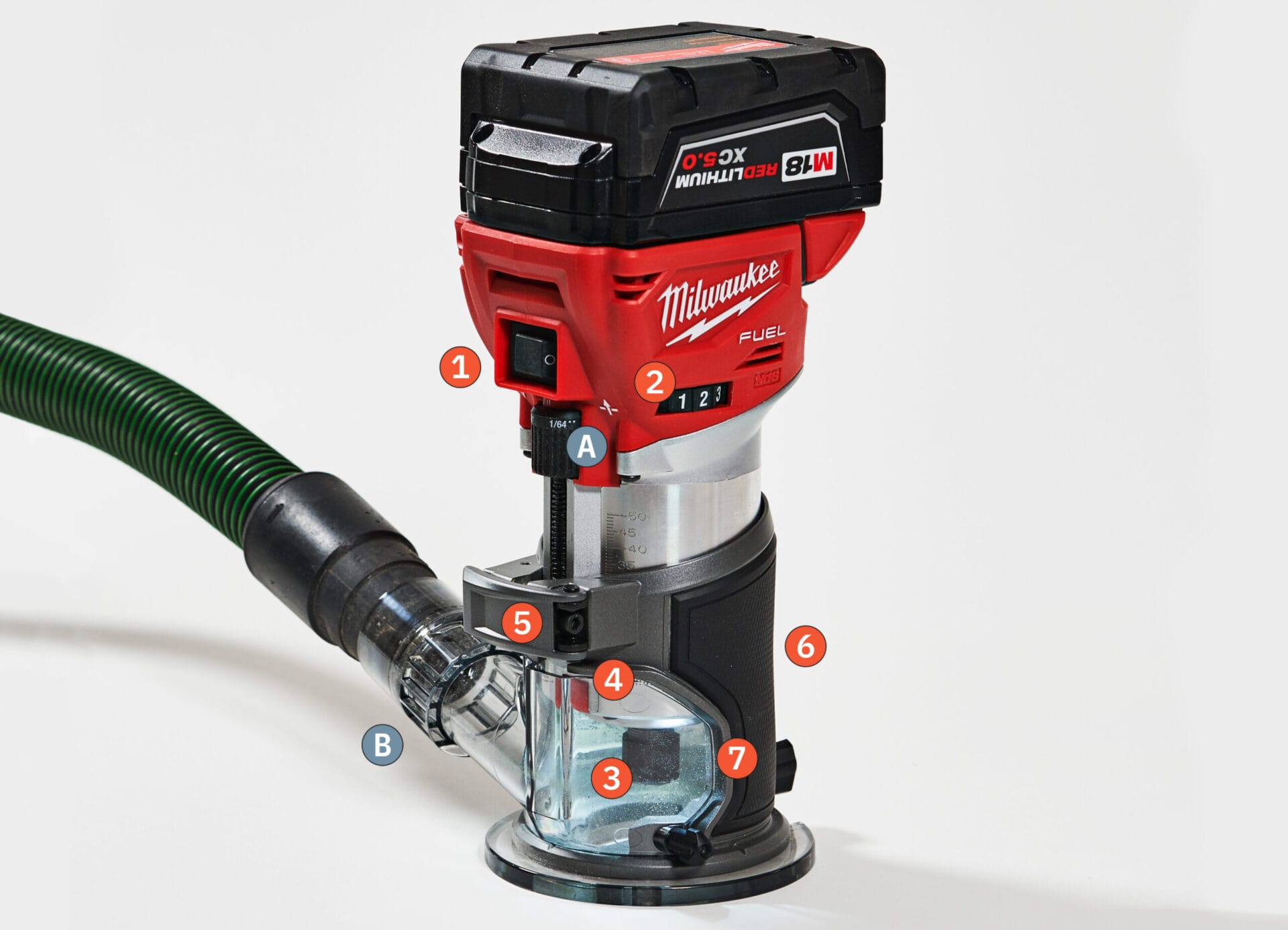

A cordless compact router is one of those tools that looks harmless on the shelf and then immediately starts acting like the overachiever of the workshop. It rounds sharp edges, trims laminate, cuts hinge mortises, cleans up templates, adds decorative profiles, and generally makes plain boards look like they went to finishing school. Best of all, it does this without dragging a cord across your workpiece like a mischievous shop snake.
For woodworkers, DIY homeowners, cabinet installers, remodelers, and weekend warriors who believe every project deserves “just one more nice detail,” cordless compact routers are incredibly useful. They are smaller than full-size plunge routers, easier to control with one hand, and powerful enough for many everyday routing jobs. No, they will not replace a heavy-duty router table setup for massive raised-panel doors. But for edge work, flush trimming, small dados, roundovers, chamfers, and on-site touch-ups, they are hard to beat.
This quick guide explains what cordless compact routers do, how to choose one, which features matter, how to use them safely, and what real-world experience teaches once sawdust starts flying.
What Is a Cordless Compact Router?
A cordless compact router is a battery-powered woodworking tool that spins a router bit at high speed to cut, shape, trim, or profile wood and similar materials. You may also see it called a cordless trim router, palm router, laminate trimmer, or compact wood router. These names are often used interchangeably, though “trim router” usually emphasizes lighter edge-trimming tasks.
Most cordless compact routers use a 1/4-inch collet, which means they accept router bits with 1/4-inch shanks. They typically run on 18V or 20V max battery platforms and use brushless motors for better runtime, speed control, and efficiency. Many popular models offer variable speed ranges roughly between 10,000 and 31,000 RPM, depending on the brand and model.
The big appeal is convenience. Instead of finding an outlet, managing an extension cord, or accidentally routing your power cord into modern art, you pop in a charged battery and get to work. That freedom is especially helpful when trimming installed cabinets, working outside, routing long boards, or moving around a jobsite.
Why Cordless Compact Routers Are So Popular
They Are Easy to Handle
A compact router is lighter and less intimidating than a full-size router. The smaller body gives you better control for edge profiles, detail work, template routing, and quick touch-ups. Many users find that a cordless compact router becomes their most-used router simply because it is easy to grab and easy to guide.
They Remove Cord Drama
Routing already requires concentration. You are watching feed direction, bit depth, grain direction, and your hands. Removing the cord eliminates one more thing that can snag, drag, scratch a finished surface, or make you mutter words not approved for family woodworking hour.
They Are Great for Jobsite Work
Installers love cordless compact routers because they are portable. Need to flush-trim a cabinet panel? Mortise a hinge? Ease an edge on a built-in shelf? A cordless unit lets you work where the project is, not where the outlet happens to be.
Modern Models Have Serious Power
Older cordless tools sometimes felt like they were powered by optimism and two tired AA batteries. Modern cordless compact routers are different. Brushless motors, high-output batteries, electronic speed controls, soft-start systems, LED work lights, and improved bases make today’s models capable of clean, controlled routing in hardwoods when used properly.
Common Uses for a Cordless Compact Router
A cordless compact router is not just for professional cabinet shops. It is useful in garages, basements, backyard sheds, remodeling vans, and any place where a board needs to look less like a board and more like a finished project.
Rounding Over Sharp Edges
A roundover bit softens the edge of a tabletop, shelf, cutting board, stool, bench, or cabinet part. This is one of the best beginner-friendly router tasks because the bearing on the bit helps guide the cut.
Chamfering Edges
A chamfer bit cuts a clean angled edge. It is simple, modern, and surprisingly good at making inexpensive lumber look intentional instead of “I found this behind the garage.”
Flush Trimming
With a flush-trim bit, you can trim laminate, veneer, edge banding, templates, and matching parts. This is where compact routers shine. They are nimble, precise, and easier to balance than larger routers.
Cutting Hinge Mortises
A compact router with a straight bit can cut shallow mortises for hinges, hardware, and small joinery tasks. For repeat work, a template or jig makes the process faster and more accurate.
Template Routing
Templates let you duplicate shapes with impressive consistency. A cordless compact router is handy for cutting curves, signs, decorative parts, and matching components.
Light Dados and Grooves
Compact routers can cut grooves and shallow dados, especially in multiple passes. The key phrase is “multiple passes.” Trying to hog out too much material at once is how you create smoke, chatter, tear-out, and a router that sounds like it regrets meeting you.
Key Features to Look For
Brushless Motor
A brushless motor is highly recommended. It generally offers better efficiency, longer runtime, less maintenance, and stronger performance under load than older brushed designs. For cordless tools, efficiency matters because every cut is paid for with battery life.
Variable Speed Control
Variable speed is important because not every bit or material should be routed at full speed. Smaller bits can usually run faster, while larger bits should run slower. Dense hardwoods, plastics, laminates, and delicate profiles may also benefit from speed adjustment. A good cordless compact router should let you match speed to the bit and task.
Soft Start
Soft start gradually ramps the motor up to speed instead of kicking instantly. This makes the router easier to control and less likely to twist in your hand when turned on. For beginners, soft start is not just a feature; it is a tiny act of kindness.
Electronic Feedback
Some routers use electronic feedback to help maintain speed during cuts. This can improve cut quality because the bit is less likely to bog down when it meets resistance.
Easy Depth Adjustment
Depth adjustment is one of the most important usability features. Look for a router with both macro adjustment for quick movement and micro adjustment for fine tuning. When you are sneaking up on a perfect roundover or hinge mortise, tiny adjustments matter.
Good Visibility
Bit visibility matters more than many buyers expect. A clear base, open sightline, and built-in LED lights help you see the cut. If you cannot see the bit or layout line, you are basically woodworking by rumor.
Comfortable Grip and Balance
Battery placement affects balance. A large battery may increase runtime but also make the tool top-heavy. A smaller battery may feel better for detail work but run out faster. The best choice depends on your projects. For short trim jobs, a compact battery often feels great. For long edge-routing sessions, a higher-capacity pack may be worth the weight.
Base Options
Many cordless compact routers come with a fixed base, but some also support plunge bases, offset bases, or accessory bases. A plunge base is useful for stopped grooves, mortises, inlays, and cuts that start in the middle of the workpiece. An offset base helps route close to walls or tight corners.
Dust Collection Compatibility
Routers make fine dust and chips quickly. A dust port or dust shroud helps control mess and improves visibility. It is not glamorous, but neither is coughing sawdust while pretending everything is fine.
Cordless Compact Router vs. Corded Router
The biggest difference is power source. A corded router provides continuous power as long as it is plugged in. A cordless compact router depends on battery capacity and motor efficiency. For heavy routing, long sessions, and large bits, a corded mid-size or full-size router still has advantages.
However, cordless compact routers win on convenience. They are faster to set up, easier to move, and ideal for small to medium tasks. For many woodworkers, the best setup is not choosing one forever. It is using a cordless compact router for quick handheld work and keeping a larger corded router for heavy-duty cuts or router table use.
How to Choose the Right Cordless Compact Router
Start With Your Battery Platform
If you already own batteries from DeWalt, Milwaukee, Makita, Ridgid, Bosch, Ryobi, or another major brand, it often makes sense to stay within that ecosystem. Bare tools are cheaper when you already have compatible batteries and chargers. Buying into a new platform can be worthwhile, but only if the router offers features you truly need.
Match the Router to Your Work
For cabinet installation, choose a router with excellent visibility, LED lights, accurate depth adjustment, and dust collection accessories. For hobby woodworking, prioritize comfort, bit changes, and base compatibility. For laminate trimming, look for balance, a smooth base, and precise edge-guide options.
Check the Collet Size
Most cordless compact routers use 1/4-inch shank bits. That is fine for common trim-router tasks, but it limits the size of bits you should use. Large panel-raising bits and heavy shaping cutters belong in bigger routers designed for that job.
Look at Speed Range
A wide speed range gives you more control. Many quality cordless compact routers offer low-end speeds around 10,000 RPM and high-end speeds around 25,000 to 31,000 RPM. The exact number is less important than having useful control across different bits and materials.
Consider Runtime Honestly
Runtime depends on battery amp-hours, wood species, bit size, depth of cut, feed rate, and how hard the motor works. A light roundover on pine uses less energy than a deep groove in oak. If you plan to route all afternoon, own multiple batteries. If you only need quick edge treatments, one good battery may be enough.
Best Practices for Clean Cuts
Take Multiple Passes
Shallow passes are safer and cleaner. Instead of cutting full depth in one heroic charge, make two or three lighter passes. Your router, bit, battery, and project will all thank you.
Use Sharp Bits
A dull bit burns wood, strains the motor, drains batteries faster, and leaves fuzzy edges. Sharp carbide bits cost more upfront but usually deliver better results and longer life.
Clamp the Workpiece
Never rely on your free hand to hold a small piece while routing. Clamp it securely. If the workpiece moves, the router will not politely wait for you to regain control.
Move in the Correct Direction
For handheld routing on the outside edge of a board, you generally move counterclockwise. On inside edges, you generally move clockwise. The goal is to feed against the bit’s rotation so the tool stays controlled instead of trying to run away. Climb cutting can be useful in limited expert situations, but beginners should treat it like a spicy chili pepper: interesting, but not something to grab casually.
Test on Scrap
Always make a test cut on scrap from the same material. This confirms bit height, speed, feed rate, and final appearance before the router touches your actual project.
Safety Tips Before You Pull the Trigger
A cordless compact router is small, but the bit spins extremely fast. Respect the tool. Wear eye protection, hearing protection, and a dust mask or respirator when appropriate. Use dust collection when possible, especially indoors. Wood dust can irritate the eyes, skin, and respiratory system, and fine dust builds up quickly during routing.
Remove the battery before changing bits or making major adjustments. Make sure the bit is properly seated in the collet, then tightened securely. Do not bottom the bit completely inside the collet; leave a small amount of space so the collet can grip correctly. Check that the base is locked before starting.
Keep both hands in safe positions, even if the router is marketed as one-handed. One-handed control is convenient, but two-handed stability is better when starting out, making heavier cuts, or routing tricky grain. Let the bit reach full speed before entering the cut, and wait for it to stop before setting the router down.
Common Mistakes to Avoid
Using Bits That Are Too Large
Compact routers are not designed for every router bit in the catalog. Oversized bits can overload the motor and become unsafe. Stay within the manufacturer’s recommendations.
Routing Too Deep in One Pass
This causes tear-out, burning, chatter, and battery drain. It also makes the tool harder to control. Shallow passes are the boring advice that happens to be correct.
Ignoring Battery Weight
A huge battery may sound great until the router feels like a cordless dumbbell. Balance matters, especially for vertical work or delicate trimming.
Buying Only for Maximum RPM
Speed is useful, but it is not the whole story. Depth adjustment, base quality, visibility, ergonomics, accessories, and battery platform often matter more in daily use.
Skipping Dust Control
Routing without dust collection is possible, but messy. Fine dust can hide your layout line and coat everything nearby. Your lungs and your shop vacuum should become friends.
Who Should Buy a Cordless Compact Router?
A cordless compact router is a smart buy for DIYers, remodelers, trim carpenters, cabinet installers, sign makers, furniture hobbyists, and anyone who frequently works on small to medium woodworking projects. It is especially useful if you already own batteries from a major cordless tool system.
Beginners can also benefit from compact routers because they are easier to handle than larger models. Start with bearing-guided bits like roundover, chamfer, and flush-trim bits. These offer more control while you learn feed direction, speed, depth, and body positioning.
You may not need one if your only routing tasks involve large raised panels, heavy production work, or router-table operations. In those cases, a larger corded router is still the better tool. But for everyday shaping and trimming, a cordless compact router is one of the most useful small power tools you can own.
Real-World Experience: What You Learn After Using One
After using a cordless compact router for a while, you start to appreciate small details that do not always stand out on a product page. The first lesson is that convenience changes behavior. When a router is cordless, you use it more often. That shelf edge you might have left sharp gets a quick roundover. That plywood panel gets flush-trimmed instead of sanded into submission. That cabinet filler gets cleaned up neatly because setting up the tool takes seconds.
The second lesson is that balance is personal. Some users love the runtime of a large 5.0Ah battery. Others prefer the lighter feel of a compact battery, even if it means swapping packs sooner. For vertical routing, overhead touch-ups, or small trim work, lighter batteries can make the tool feel more precise. For long runs on hardwood, larger batteries provide confidence and steadier output.
The third lesson is that dust collection is worth the hassle. Many people skip the dust port at first because it adds a hose, and the whole point of cordless tools is freedom. But once you route MDF, plywood, or hardwood indoors, the dust cloud becomes very persuasive. A small hose attached to a vacuum may be annoying, but breathing clean air and seeing your cut line are excellent consolation prizes.
The fourth lesson is that micro-adjustment is not a luxury. When making a hinge mortise or matching an edge profile, tiny depth changes can decide whether the result looks professional or “artistically uneven.” A router with a smooth fine-adjustment system saves time and frustration. If the depth mechanism slips, sticks, or requires three hands and a motivational speech, you will notice quickly.
The fifth lesson is that cheap bits can make a good router look bad. Many beginners blame the tool when the real villain is a dull or low-quality bit. A sharp carbide roundover bit can leave a crisp, smooth edge. A bargain-bin mystery bit may chatter, burn, and turn your beautiful maple into toast with ambition. Buy fewer bits at first, but buy useful ones: roundover, chamfer, flush-trim, straight bit, and maybe a rabbeting bit.
The sixth lesson is that test cuts prevent heartbreak. Every wood species behaves differently. Pine can tear out. Oak can burn. Plywood can chip. Walnut can make you feel like a genius until grain direction changes and humbles you. A scrap test lets you adjust speed, depth, and feed rate before the final piece is on the line.
The seventh lesson is that cordless does not mean careless. Because the tool is easy to grab, it is tempting to skip setup. Do not. Clamp the work. Check the bit. Confirm the battery is seated. Set the depth. Put on eye and hearing protection. A compact router is small enough to feel friendly, but the spinning bit is not your buddy. It is a high-speed cutter with no interest in your weekend plans.
Finally, the best experience-related advice is simple: start with easy wins. Round over a scrap board. Chamfer shelf edges. Flush-trim edge banding. Practice hinge mortises on offcuts. Once your hands understand how the router reacts, you can move into templates, grooves, inlays, and more refined work. A cordless compact router rewards patience. Treat it like a precision tool, not a tiny wood-eating race car, and it will make your projects cleaner, safer, and much more polished.
Conclusion
A cordless compact router is one of the most practical upgrades for modern woodworking and DIY projects. It combines portability, control, and surprising power in a tool that can round edges, trim panels, cut shallow grooves, follow templates, and handle detail work without the annoyance of a cord. The best model for you depends on your battery platform, comfort preferences, base options, speed control, visibility, dust collection, and the type of work you do most often.
Choose a brushless model with variable speed, reliable depth adjustment, good sightlines, and accessories that match your projects. Use sharp bits, make shallow passes, clamp your work, control dust, and practice on scrap before routing the real piece. Do that, and a cordless compact router will quickly become one of those tools you reach for constantlythe shop equivalent of a pocketknife, only louder and far more likely to make sawdust confetti.
SEO Tags