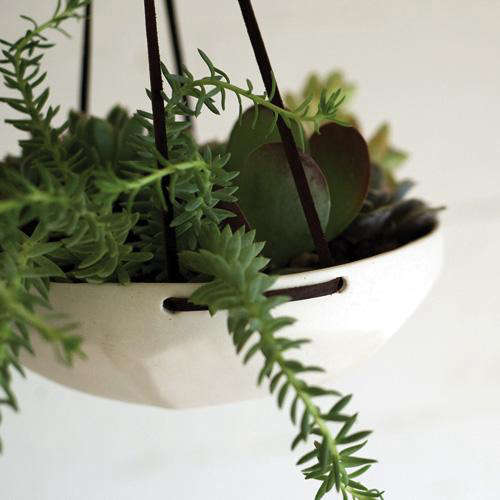

Hanging succulent holders solve a problem found in almost every home: plenty of unused vertical space and never rn windows, corners, walls, shelves, and covered patios into miniature living galleries. They also give trailing succulents room to spill over the rim as if auditioning for a botanical soap opera.
The best hanging succulent planters are more than pretty pots on ropes. They balance weight, drainage, light, airflow, watering access, and the mature size of the plant. Choose wisely, and the holder becomes part sculpture, part space-saving garden, and part proof that a tiny apartment can support a respectable plant obsession.
Why Hanging Succulent Holders Make Sense
Many succulents grow slowly, remain compact, and offer bold shapes without requiring oversized containers. Echeverias resemble living flowers, haworthias add striped architectural foliage, and trailing varieties create green curtains. Hanging them closer to eye level makes their color and texture easier to appreciate while preserving desks, counters, and side tables.
A single holder creates a focal point, while a group can form a vertical garden in a studio, office, narrow entry, or small balcony. Elevation may also reduce casual contact from children or pets, although plant toxicity should always be checked before choosing a species.
Design research basis: vertical-space benefits and creative succulent containers.
Popular Styles of Hanging Succulent Holders
Macrame Plant Hangers
Macrame hangers are lightweight, flexible, and easy to pair with removable pots. Natural cotton suits bohemian rooms, while black cord and geometric knots feel more modern. Select a design with a stable cradle beneath the pot and enough clearance to remove the container for watering.
Ceramic Hanging Planters
Ceramic creates a polished look in minimalist, rustic, or colorful interiors. It is also heavier than plastic or thin metal, especially when the soil is wet, so mounting strength matters. A drainage hole is ideal. When a decorative pot has none, use it as a cachepot and place a removable nursery pot inside.
Metal and Geometric Holders
Wire baskets, brass-tone frames, and powder-coated steel holders fit industrial, contemporary, and midcentury spaces. Open frames keep the display visually light and work well in multi-level arrangements. For outdoor use, choose corrosion-resistant hardware and finishes.
Wall-Mounted Holders
Wall pockets, rings, modular grids, and mounted vessels create living wall art without drilling into the ceiling. Repeat one material or color while varying plant shapes so the result looks curated rather than like a garden-center cart collided with the wall.
Wood, Rattan, and Upcycled Designs
Rattan baskets, bamboo frames, wood rings, vintage bowls, coconut shells, and repurposed light shades add warmth and personality. Natural fibers and unfinished wood need protection from moisture. Keep the plant in a waterproof inner pot, and make sure any repurposed object has safe suspension points and real drainage.
Choosing Plants for a Hanging Display
Trailing succulents provide the most obvious drama. String of pearls forms beadlike strands, string of bananas produces curved leaves, burro’s tail develops dense ropes of foliage, string of hearts offers delicate heart-shaped leaves, and fishbone cactus creates long zigzag stems.
Common names can be misleading, and not every “string of” plant needs identical care. Some are drought-adapted succulents, while others have tropical origins and prefer filtered light or slightly more moisture. Check the botanical label before buying.
Upright plants also work well. Compact haworthias, small aloe cultivars, kalanchoe, echeveria, and young jade plants create sculptural arrangements. In mixed planters, combine plants only when their light and watering needs are compatible. Similar looks do not guarantee a happy long-term relationship.
Plant-selection research basis: trailing plants, tropical succulent differences, jade plants, kalanchoe, and container-grown species.
Drainage Matters More Than Decorative Tassels
Succulent roots need both moisture and oxygen. Containers with drainage holes allow excess water to escape and reduce the risk of saturated soil lingering around the roots. Use a commercial cactus and succulent mix or a fast-draining blend containing mineral ingredients such as perlite or pumice.
For a sealed decorative holder, keep the plant in a smaller pot with drainage. Remove it for watering, let it drain completely, and return it afterward. A layer of rocks at the bottom of a pot does not create an exit for water; it merely gives the excess water a basement apartment.
Light and Placement
Most common succulents need strong light to maintain compact growth and good color. A bright south- or west-facing window may work well, but plants should be acclimated gradually to intense sun. Tropical trailing succulents and epiphytic cacti often prefer bright, filtered light instead of harsh midday exposure.
Stretching, pale growth, widening gaps between leaves, or a plant leaning hard toward the window can indicate insufficient light. Brown or bleached patches may signal sun stress. Rotate the holder periodically, and keep it away from ceiling fans, heating vents, frequently opened doors, and busy walkways.
Horticultural research basis: drainage holes, porous growing media, drying between waterings, bright light, and symptoms of inadequate light.
How to Hang a Succulent Holder Safely
Calculate the full wet weight of the installation: holder, pot, soil, plant, water, stones, cord, chain, and hardware. A planter that feels light in the store can become surprisingly heavy after watering. Heavier installations are generally best fastened into a ceiling joist or solid beam. Lightweight planters may use an appropriate ceiling anchor or toggle system when the hardware is designed for the surface and installed according to its rated capacity.
Drywall, plaster, masonry, and wood require different fasteners. Use a stud finder when needed, drill the correct pilot hole, and never assume a small adhesive hook will support a ceramic planter full of wet soil. Inspect cords, knots, rings, chains, and hooks periodically for loosening, corrosion, or fraying. Outdoor holders also need protection from strong wind.
Installation research basis: ceiling hooks, toggle anchors, joists, load ratings, and routine rope or hardware inspection.
Watering Without Redecorating the Floor
Water according to soil dryness, season, light, temperature, container material, and plant type rather than a rigid calendar. Many drought-adapted succulents should dry substantially between thorough waterings. When it is time to water, saturate the root zone and allow all excess moisture to drain.
The cleanest method is to remove the inner pot and water it over a sink, tub, or outdoor surface. Let it stop dripping before rehanging. Terracotta dries faster than glazed ceramic or plastic, and small hanging pots often dry faster than larger containers. During cooler, darker winter conditions, many succulents need less frequent watering.
Designing an Attractive Hanging Arrangement
Group in Odd Numbers
Clusters of three or five often feel balanced without looking stiff. Vary the heights, leave room for airflow, and make sure every pot can still be removed.
Repeat One Element
Repeat a pot color, cord material, metal finish, or plant family. Consistency allows different plant shapes to look intentional rather than chaotic.
Match the Scale
A tiny holder can disappear above a large sofa, while an oversized basket can overwhelm a narrow window. Measure the ceiling height, furniture below, and expected trail length before drilling.
Use Contrast
Pair soft macrame with a sharply ribbed cactus, dark metal with pale foliage, or warm wood with silvery leaves. Contrast helps both the accessory and plant stand out.
Indoor and Outdoor Considerations
Indoor holders need sufficient window light, drip control, and protection from HVAC drafts. Outdoor displays require weather-resistant hardware, excellent drainage, and plants suited to local temperatures. A covered porch can protect foliage from heavy rain, while an exposed balcony may add intense sun, heat, and wind.
Move indoor-grown succulents outside gradually. Sudden full sun can burn leaves accustomed to filtered window light. Bring tender plants indoors before cold weather and inspect outdoor cords, chains, and anchors after periods of severe weather.
Seasonal-care research basis: moving houseplants outdoors gradually, maintaining drainage, and adapting plants to changing light.
Common Mistakes to Avoid
- Choosing beauty over drainage: A sealed pot can become an attractive root-rot chamber.
- Ignoring mature size: Trailing stems need clearance from doors, furniture, heaters, and people.
- Using weak hardware: Mounting capacity must cover the full wet weight.
- Hanging too high: If watering requires mountaineering gear, it will eventually be postponed.
- Mixing incompatible plants: Shared containers require shared care needs.
- Leaving runoff in a cachepot: Empty trapped water promptly.
A Practical Buying Checklist
Confirm the pot diameter, hanger length, drainage design, material, indoor or outdoor rating, mounting requirements, and stated weight capacity. Check whether the pot is removable and whether a drip tray is included. Measure the intended location from ceiling to furniture, then account for the plant’s mature trailing length.
Look for smooth ceramic edges, secure metal joints, even macrame knots, strong rings, weather-resistant cord, and finishes that will not flake when wet. Inspect every holder as though gravity has a personal grudge, because gravity does not offer refunds.
Experiences With Hanging Succulent Holders: Lessons From Real Use
My most successful hanging succulent displays have shared one unglamorous trait: they were easy to take down. The first arrangement I tried looked wonderful in photographs. Three ceramic planters hung at different heights in a sunny corner, creating a neat vertical rhythm. Unfortunately, the top planter required a step stool, a careful reach around a curtain rod, and the concentration of someone defusing a movie bomb. Watering became a negotiation, and the plants were clearly unimpressed with management.
The next version used removable nursery pots inside lightweight woven holders. That small change made maintenance faster and cleaner. I could carry the inner pots to the sink, water thoroughly, inspect the roots and leaf undersides, let everything drain, and return the plants without disturbing the hardware. Replacing a struggling plant also became simple.
Another lesson came from underestimating wet weight. A medium ceramic pot, dry soil, and a young plant felt manageable in the store. After watering, the installation felt dramatically heavier. The original hook was rated for the load, but the surrounding drywall inspired no confidence, so I moved the holder and secured it into a joist. Nothing fell, no furniture was injured, and I gained a permanent habit: estimate the complete watered weight before choosing hardware.
Light placement required experimentation, too. A string of pearls placed several feet from a bright window slowly produced sparse, stretched growth. Moving it closer improved the new growth, although I introduced stronger light gradually. A fishbone cactus in direct afternoon sun developed stressed patches and performed better in bright filtered light. “Succulent” is a useful category, but it is not a universal lighting instruction.
I also learned to plan clusters on the floor before drilling. I arrange the empty holders with their intended pots, measure the complete lengths, and photograph several layouts. Painter’s tape marks potential anchor points. This catches problems early, such as a vine colliding with a lampshade or one planter shading another.
Styling improved when I stopped asking every accessory to be the star. One early display included patterned pots, colored cord, beads, mixed gravel, and five unrelated plant shapes. It had the energy of a craft drawer falling down the stairs. Repeating one finish and letting the foliage provide variety created a calmer, more expensive-looking result.
The best holders have not always been the fanciest. A simple metal ring near a kitchen window succeeds because it is stable, easy to clean, and positioned at shoulder height. A cotton macrame hanger works because its pot lifts out in seconds. These experiences changed how I judge hanging succulent holders: beauty attracts attention, but access, drainage, mounting strength, and plant compatibility determine whether the display still looks good six months later.
Conclusion
Hanging succulent holders combine space-saving logic with living decoration. They free surfaces, highlight sculptural foliage, and bring greenery to walls, windows, and corners that might otherwise remain empty. The strongest designs begin with the plant’s needs, then add a holder that supports drainage, suitable light, safe installation, and convenient watering.
Whether the style is macrame, ceramic, metal, wood, woven fiber, or clever upcycling, the accessory should make care easier rather than turning it into an aerial obstacle course. Choose compatible plants, install hardware for the full wet weight, and leave room for mature growth. The result will be a practical vertical garden with enough personality to make the ceiling feel useful.
Note: This article provides general home-and-garden information. Follow all planter, anchor, and hardware manufacturer instructions, verify load ratings, and consult a qualified installer when the ceiling or wall structure is uncertain.